
NASA has been closely monitoring weather conditions in the designated splashdown zones in the Pacific Ocean. These zones have been selected for their accessibility and safety, ensuring that recovery teams can swiftly reach the crew after landing. The Artemis mission team is coordinating with various agencies to ensure a smooth and efficient recovery process.
This includes ensuring that all life support and navigation systems are functioning properly, which is crucial for a safe re-entry, as highlighted in related coverage of NASA’s management during emergencies.
The successful splashdown of the Artemis crew will not only demonstrate the capabilities of the Orion spacecraft but also pave the way for upcoming missions aimed at returning humans to the Moon. This event is a pivotal moment for NASA and its partners, solidifying their commitment to advancing human space exploration.
Background on the Artemis mission and its objectives
The Artemis mission, initiated by NASA, marks a significant step in humanity’s exploration of the Moon and beyond. Named after the Greek goddess of the Moon, Artemis aims to land “the first woman and the next man” on the lunar surface by the mid-2020s, establishing a sustainable human presence on the Moon by the end of the decade. This ambitious program is not just about lunar exploration; it is also a stepping stone for future manned missions to Mars.
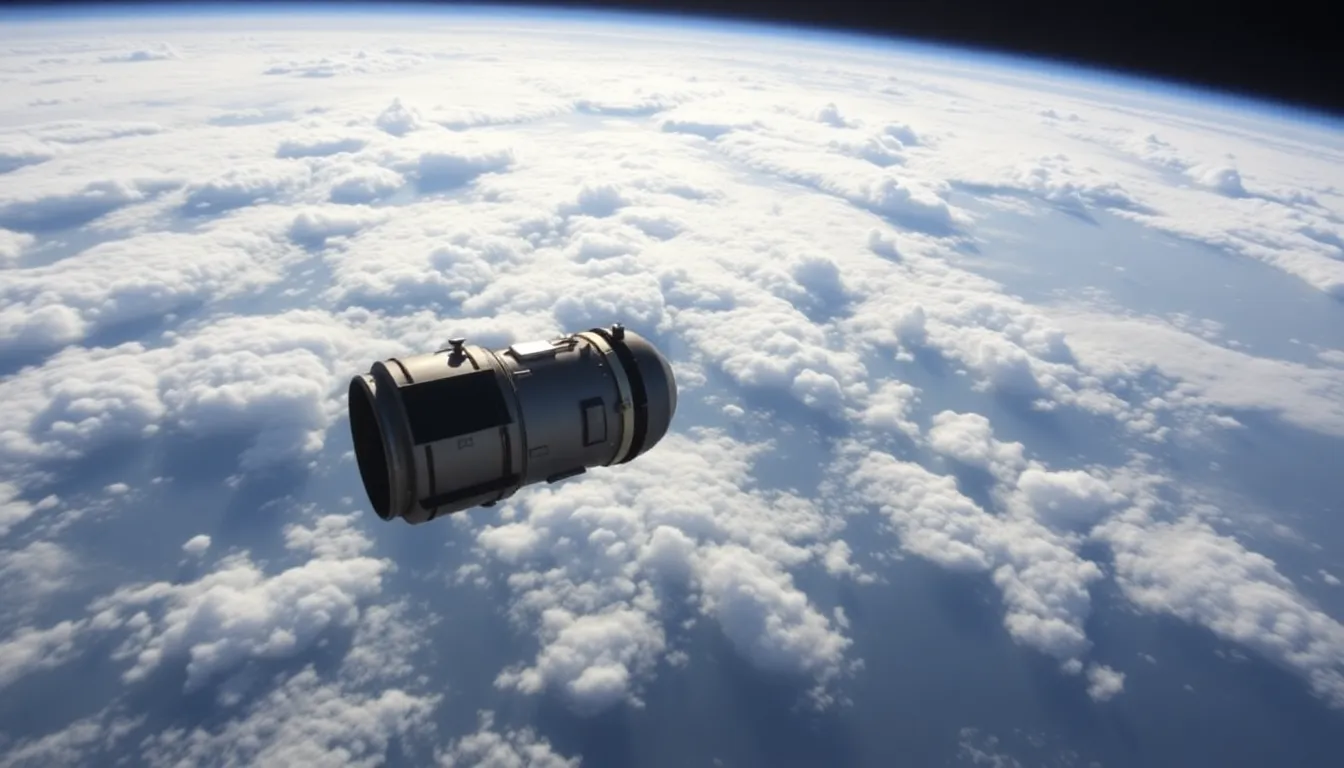
The roots of the Artemis program can be traced back to the Apollo missions of the 1960s and 70s, which successfully landed humans on the Moon and returned them safely to Earth. The legacy of Apollo has inspired a new generation of scientists, engineers, and space enthusiasts, driving the need for renewed exploration efforts. The Artemis program aims to build on this legacy by utilizing advanced technology and innovative approaches to space travel.
This collaborative approach not only enhances the capabilities of the mission but also promotes a shared vision for the future of space exploration, as seen in Artemis II’s successful crew return.
Key Milestones in the Artemis Program
Several key milestones have shaped the Artemis program since its inception. The Artemis I mission, an uncrewed test flight of the Space Launch System (SLS) and Orion spacecraft, successfully launched in late 2021, paving the way for future crewed missions. Following this, Artemis II is scheduled to be the first crewed flight, orbiting the Moon and testing critical life support systems before the anticipated lunar landing of Artemis III. Each of these milestones builds upon the last, ensuring that lessons learned are integrated into subsequent missions, ultimately leading to a successful splashdown on Earth after lunar exploration.
Key stakeholders and challenges in the splashdown process
NASA, as the lead agency, is primarily focused on ensuring the safety and success of the crew, while also aiming to demonstrate the viability of human space exploration for future missions to the Moon and Mars.
Another crucial stakeholder is SpaceX, which is responsible for the Crew Dragon spacecraft that will transport the Artemis crew back to Earth. SpaceX’s interests lie in showcasing the reliability of its technology and enhancing its reputation in the commercial space sector. Additionally, the company is keen on securing future contracts with NASA and other international space agencies.
International partners, including ESA (European Space Agency) and JAXA (Japan Aerospace Exploration Agency), also play significant roles. Their involvement not only reflects their contributions to the Artemis program but also highlights the collaborative nature of modern space exploration. These organizations are interested in the scientific outcomes of the mission as well as the potential for future partnerships in lunar exploration.
- Safety concerns: The splashdown process must prioritize the safety of the astronauts, necessitating thorough risk assessments and contingency plans.
- Environmental regulations: Compliance with legal frameworks governing oceanic splashdowns is essential to mitigate environmental impacts.
- Public perception: Stakeholder interests may conflict over how the mission is portrayed in the media, influencing public support and funding.
- Technological reliability: Ensuring that all systems function as intended during re-entry and splashdown is critical for mission success.
- Cost management: Balancing budget constraints with the need for advanced technology and safety measures poses a significant challenge.
Impact of the splashdown on future space missions
The splashdown of the Artemis crew will have significant implications for various groups, industries, and regions. Key stakeholders include space agencies, aerospace companies, and the scientific community. Additionally, communities near the splashdown zone, particularly in the Pacific Ocean, will also feel the effects.
In the short term, the successful return of the Artemis crew will boost public interest in space exploration, potentially leading to increased funding for future missions. This can benefit industries related to aerospace technology, engineering, and research. Moreover, educational institutions may see a rise in enrollments in STEM fields as young people become inspired by the mission’s success.
Mid-term impacts may involve policy shifts as governments reassess their space exploration agendas. Countries may prioritize collaboration on international space missions, leading to new partnerships and joint ventures. This could create opportunities for businesses involved in satellite technology, robotics, and other space-related sectors.
- Increased investment in space technology and research.
- Growth in STEM education as interest in space exploration rises.
- New international partnerships for future missions.
- Enhanced public engagement with space initiatives.
However, there are also risks associated with the splashdown. Concerns over environmental impacts, such as potential contamination of ocean waters, may arise. Additionally, if the splashdown does not go as planned, it could lead to setbacks for future missions and diminish public trust in space programs.
A: The Artemis crew will return to Earth using a specially designed capsule that re-enters the atmosphere and splashes down in the ocean. A: Various safety measures, including parachutes and recovery teams, are in place to ensure a safe landing and recovery of the crew. A: The splashdown is planned to take place in a designated area in the ocean, which is carefully chosen for safety and accessibility. A: The crew will experience re-entry for several minutes, during which they will undergo significant G-forces as the capsule slows down. A: After the splashdown, recovery teams will retrieve the capsule and the crew, ensuring they are safe and healthy.
Frequently asked questions about the Artemis splashdown
Key takeaways and future outlook for Artemis missions
The Artemis missions represent a significant leap in human space exploration, with the crew’s return to Earth marking a pivotal moment in NASA’s plans for sustainable lunar presence and eventual Mars exploration. As the program progresses, the successful splashdown of the Artemis crew will not only validate the technologies and systems developed but also set the stage for future missions that aim to establish a long-term human presence on the Moon.
Looking ahead, the implications of the Artemis missions extend beyond lunar exploration. They will influence international collaboration in space, inspire future generations of scientists and engineers, and drive advancements in technology that can benefit life on Earth. Observers should pay close attention to how these missions evolve and the lessons learned from each phase of the journey.
- Technological Validation: The successful splashdown will confirm the reliability of new spacecraft technologies, paving the way for future crewed missions.
- International Collaboration: The Artemis program may foster increased partnerships among space agencies worldwide, enhancing global cooperation in scientific exploration.
- Public Engagement: The missions are likely to inspire a new generation of interest in STEM fields, influencing education and workforce development.
- Long-Term Goals: Observers should monitor how Artemis impacts plans for Mars missions and the establishment of human habitats on the Moon.
- Environmental Considerations: The program will also prompt discussions on the environmental impacts of space exploration and the importance of sustainable practices.