
Earth’s Black Box will serve as a physical archive, recording critical data related to climate change, biodiversity loss, and human activity. The structure is designed to withstand extreme environmental conditions, ensuring that the information gathered will be preserved for future generations. It is envisioned as a tool for accountability, enabling future societies to understand the decisions made during this pivotal time in history.
The project is supported by various organizations, including the University of Tasmania and the non-profit group that conceptualized the Black Box. By providing a comprehensive account of human impact on the planet, the initiative seeks to raise awareness and inspire action against the ongoing climate crisis. As the installation progresses, it will attract attention from environmentalists, policymakers, and the general public alike.
As humanity faces unprecedented challenges related to climate change, the significance of this project cannot be understated. The data collected will not only document the current state of the Earth but also serve as a warning for future generations about the consequences of inaction. With its anticipated launch, Earth’s Black Box stands as a testament to the urgent need for collective responsibility and sustainable practices.
Understanding the purpose behind Earth’s Black Box
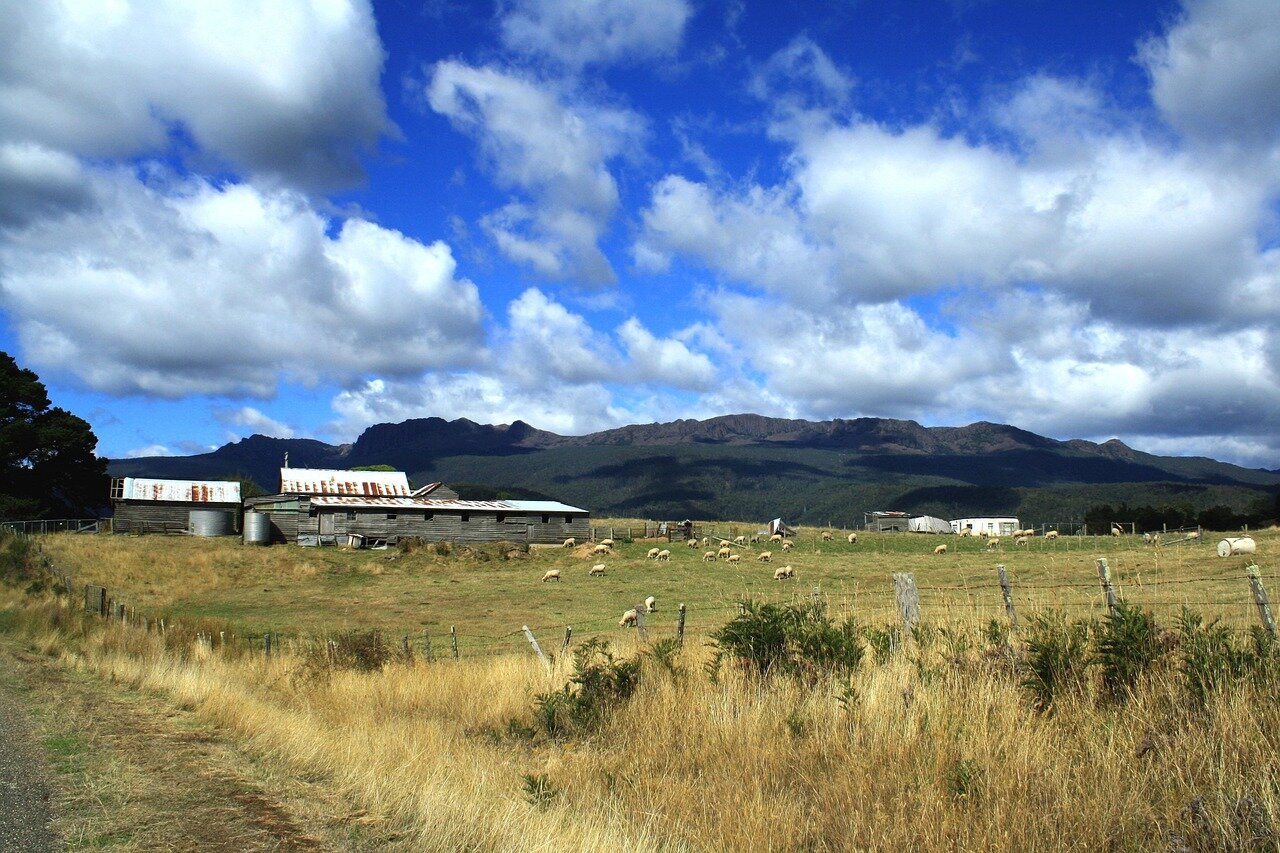
The installation of the ‘Earth’s Black Box’ at a remote airfield in Tasmania marks a significant response to the escalating threats posed by climate change and geopolitical tensions. This initiative stems from a growing recognition that humanity’s actions are leading to potentially irreversible damage to the planet. The concept of a Black Box, akin to those found in aircraft, aims to document the events leading to potential global catastrophe, serving as a historical record for future generations.
Historically, the idea of documenting human impact on the environment has gained traction since the late 20th century, particularly with the rise of environmental movements and scientific awareness regarding climate change. The 1972 United Nations Conference on the Human Environment in Stockholm is often considered a pivotal moment, as it brought global attention to environmental issues and laid the groundwork for future international agreements. Subsequent milestones, such as the Kyoto Protocol in 1997 and the Paris Agreement in 2015, have further emphasized the need for collective action against climate change. This awareness connects directly to initiatives like the Black Box project.
Economically, the shift towards sustainability has been driven by both market forces and regulatory pressures. As extreme weather events become more frequent and severe, the costs associated with inaction are projected to rise dramatically. This economic reality has prompted governments and corporations to invest in green technologies and sustainable practices. The Black Box project seeks to encapsulate these economic dynamics, highlighting the consequences of continued environmental neglect.
The Role of Technology in Environmental Monitoring
Advancements in technology have played a crucial role in enhancing our understanding of environmental changes. Satellite imagery, data analytics, and artificial intelligence are now integral to monitoring climate patterns and assessing human impact. The Earth’s Black Box will leverage such technologies to compile data on global emissions, deforestation, and biodiversity loss, providing a comprehensive overview of the trajectory towards potential apocalypse scenarios.
In summary, the establishment of the Earth’s Black Box is a culmination of historical awareness, economic necessity, and technological advancement, aimed at ensuring that humanity’s journey towards sustainability is documented for future reflection and learning.
Key stakeholders involved in the Earth’s Black Box project
The Earth’s Black Box project, designed to record and analyze data related to climate change and its impacts, involves a diverse array of stakeholders, each with distinct interests and motivations. Key players include environmental organizations, governmental bodies, scientific communities, and the local Tasmanian population. Their involvement reflects a complex interplay of interests that shape the project’s direction and implementation.
Environmental organizations such as Greenpeace and the World Wildlife Fund (WWF) have a vested interest in the project’s success, viewing it as a critical tool for raising awareness about climate change. These groups aim to leverage the data collected to advocate for stronger environmental policies and actions. Their commitment to sustainability aligns with the project’s goal of promoting transparency and accountability in climate action.
On the governmental front, the Australian government plays a crucial role in facilitating the project’s establishment at a remote Tasmanian airfield. Their interest lies in positioning Australia as a leader in climate research and innovation. However, this may lead to conflicts with local communities concerned about the environmental impact of the installation and ongoing operations of the Black Box. Navigating these challenges will be crucial for the project’s success.
- Local communities: Residents may fear disruptions to their environment and tourism, leading to potential pushback against the project.
- Scientific community: Researchers are eager to utilize the data for studies on climate change, but may face challenges in accessing and interpreting the information.
- Economic implications: The project could attract funding and investment, but also raises questions about resource allocation and prioritization of climate initiatives.
Legal issues may also arise, particularly concerning land use and environmental regulations. The project must navigate these legal frameworks while balancing the interests of various stakeholders. As the Earth’s Black Box moves forward, the interactions among these parties will be pivotal in determining its overall impact and effectiveness in addressing climate change challenges.
Potential impacts on climate awareness and future generations
The installation of the ‘Earth’s Black Box’ at a remote Tasmanian airfield is poised to affect a wide range of groups, industries, and regions. Primarily, environmental activists, policymakers, and educational institutions will find themselves at the forefront of the discourse surrounding climate change and its implications. Additionally, local communities in Tasmania may experience both direct and indirect impacts as the project draws attention to the region.
In the short term, businesses in the tourism sector may see an increase in visitors curious about the Black Box project, leading to a potential boost in local economies. However, industries that rely heavily on fossil fuels may face heightened scrutiny and pressure to adopt more sustainable practices. This could result in a shift in policy, as governments may feel compelled to implement stricter regulations to address climate concerns.
In the mid-term, educational institutions can leverage the presence of the Black Box as a teaching tool, fostering a generation more aware of climate issues. This could lead to an increase in environmental studies programs and initiatives aimed at sustainability. Conversely, industries resistant to change may find themselves at a competitive disadvantage, as consumers increasingly favor eco-friendly products and services.
- Increased climate awareness: Heightened public discourse on climate change and sustainability.
- Tourism opportunities: Potential growth in visitor numbers to the region.
- Policy shifts: Possible enactment of stricter environmental regulations.
- Educational advancements: Growth in programs focused on climate science and sustainability.
- Industry challenges: Pressure on fossil fuel-dependent businesses to adapt.
Ultimately, while the ‘Earth’s Black Box’ serves as a stark reminder of the consequences of climate inaction, it also presents opportunities for innovation and collaboration among diverse stakeholders. The impacts will ripple through various sectors, influencing both immediate actions and long-term strategies for addressing climate change.
A: Earth’s Black Box is a project designed to record the events leading to climate change and humanity’s responses. It aims to provide a historical account for future generations. A: The Black Box will be installed in a remote airfield in Tasmania, Australia, chosen for its isolation and suitability for the project. A: The Black Box will use various sensors to collect data on climate-related events, human activities, and environmental changes over time. A: The project is funded by a combination of private donations, environmental organizations, and governmental support aimed at addressing climate change. A: The expected outcome is to create a comprehensive record that can inform future generations about the challenges faced during climate change and the actions taken.
Common questions about Earth’s Black Box
Looking ahead: the significance of Earth’s Black Box
The installation of Earth’s Black Box in a remote Tasmanian airfield marks a pivotal moment in our understanding of humanity’s impact on the planet. This innovative project serves not only as a data repository but also as a stark reminder of the consequences of our actions on the environment. As we move forward, it is essential to consider the broader implications of this initiative on climate awareness, policy-making, and global cooperation.
With the potential to document critical data during times of crisis, Earth’s Black Box could play a crucial role in shaping future discourse around sustainability and environmental preservation. It invites us to reflect on our collective responsibility and the urgent need for actionable solutions to the challenges we face.
- Data-Driven Insights: Expect valuable information that can guide future environmental policies and strategies.
- Global Collaboration: The project may foster international partnerships aimed at addressing climate change and its impacts.
- Public Awareness: Increased visibility of the project’s findings could enhance public understanding of climate issues.
- Historical Record: Earth’s Black Box will serve as a historical document, illustrating humanity’s response to ecological crises.