
Overview of the lifted travel advisory
As of October 2023, the United Kingdom’s Foreign, Commonwealth & Development Office has officially removed its ‘Do not travel’ advisory for Dubai, which is now viewed as a safe destination in a broader context of global travel changes.
The advisory was initially put in place due to concerns related to regional tensions and safety risks that could affect tourists. With the recent stabilization of the situation and improved diplomatic relations in the Gulf region, authorities believe that Dubai is now a safe destination for international visitors.
This change is particularly important as Dubai is a key hub for tourism and business in the Middle East, paralleling the developments in international markets.
In addition to the United Kingdom, other countries are also reviewing their travel advisories for Dubai. As more nations align their travel recommendations, the potential for increased tourism and international business opportunities in the region continues to grow.

Background on the travel restrictions for Dubai
In recent years, Dubai has emerged as a major global travel destination, attracting millions of tourists annually with its luxurious attractions, vibrant culture, and economic opportunities. However, the travel landscape has been significantly impacted by various geopolitical tensions and health crises, leading to the implementation of travel advisories that have affected visitor perceptions and travel plans.
The COVID-19 pandemic marked a pivotal moment for international travel, prompting governments worldwide to issue travel restrictions. In the early stages of the pandemic, Dubai, like many other cities, faced severe lockdowns and restrictions to curb the spread of the virus. As a result, many countries, including the United States and several European nations, issued ‘Do Not Travel’ advisories for Dubai, citing health concerns and safety risks.
Key Milestones in Travel Advisory Changes
Over the past few years, several key milestones have influenced travel advisories for Dubai. Initially, in 2020, the U.S. Department of State categorized Dubai under Level 4: Do Not Travel, reflecting the high risk associated with the pandemic. As vaccination rates increased and safety protocols were established, these advisories began to shift. By mid-2021, Dubai had implemented strict health measures, including testing and quarantine requirements, which led to a gradual easing of travel restrictions.
In late 2022, further improvements in the global health situation and the successful rollout of vaccines prompted many countries to reassess their travel advisories. The decision to drop the ‘Do Not Travel’ advice for Dubai is seen as a recognition of the city’s efforts to ensure the safety of both residents and visitors, as well as a significant step towards revitalizing its tourism industry.
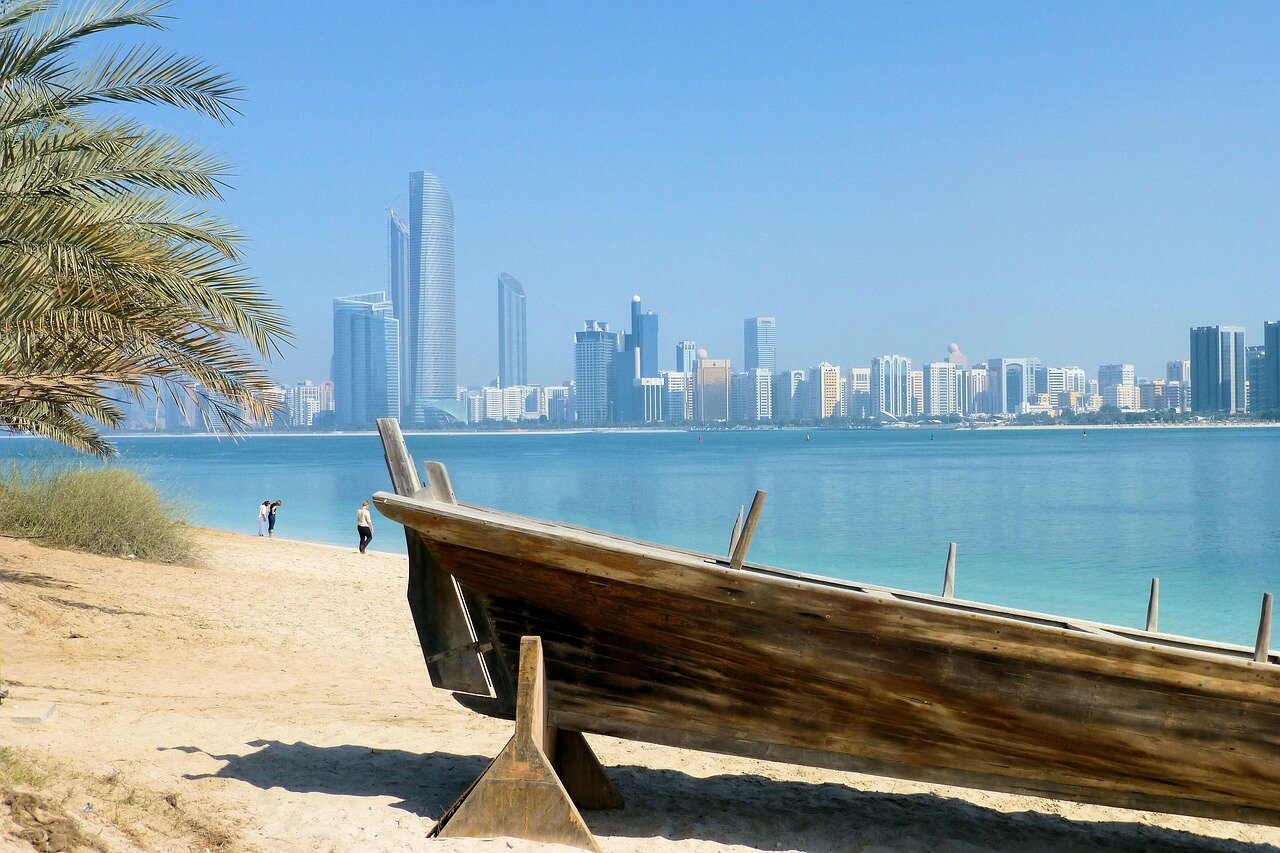
As the city continues to position itself as a safe and attractive destination, the implications of this change are expected to resonate throughout the travel industry, similar to how entertainment industries have adapted to global shifts.
Key stakeholders and issues surrounding the travel advisory
The recent decision to lift the ‘Do not travel’ advisory for Dubai involves various stakeholders, each with distinct interests. The primary actors include the government of Dubai, international travelers, tourism-related businesses, and foreign governments. Each party has a vested interest in the implications of this advisory change.
For the government of Dubai, the lifting of the travel advisory is a crucial step towards revitalizing the tourism sector, which is a significant contributor to the local economy. By encouraging international travel, the government aims to boost economic growth, increase job opportunities, and enhance the city’s global image as a safe destination.
On the other hand, international travelers are concerned about safety and security. The advisory’s removal may encourage travel, but it also raises questions about the current state of safety in Dubai. Travelers must weigh the benefits of visiting against any potential risks, which can lead to a conflict between personal safety and the desire to travel.

Tourism-related businesses, including hotels, airlines, and local attractions, stand to gain significantly from the advisory’s removal. However, they also face the challenge of ensuring health and safety measures are in place to attract travelers back. The economic stakes are high, as these businesses have suffered losses during the advisory period.
- Potential economic benefits for Dubai’s tourism sector.
- Traveler safety concerns and the perception of risk.
- Impact on local businesses and employment rates.
- Responses from foreign governments regarding travel safety.
- Legal implications related to travel insurance and liability.
Moreover, foreign governments play a critical role in shaping the narrative around travel advisories. Their travel advisories can influence public perception and travelers’ decisions, creating a complex interplay between diplomatic relations and tourism. The balance between promoting travel and ensuring citizen safety remains a contentious issue that can lead to conflicting policies.
Impact on travelers and the tourism market
The recent decision to lift the ‘do not travel’ advisory for Dubai is set to significantly affect various groups and industries. Primarily, international travelers who had previously hesitated to visit due to safety concerns will now feel more inclined to explore this vibrant city. This shift is expected to boost tourism numbers, benefiting local businesses that rely heavily on visitors.
In the short term, the hospitality industry, including hotels, restaurants, and tour operators, will likely experience an influx of bookings. Major airlines are also poised to increase flight frequencies to meet the anticipated demand. This surge in travel could lead to job creation within the tourism sector, providing a much-needed economic boost to the region.
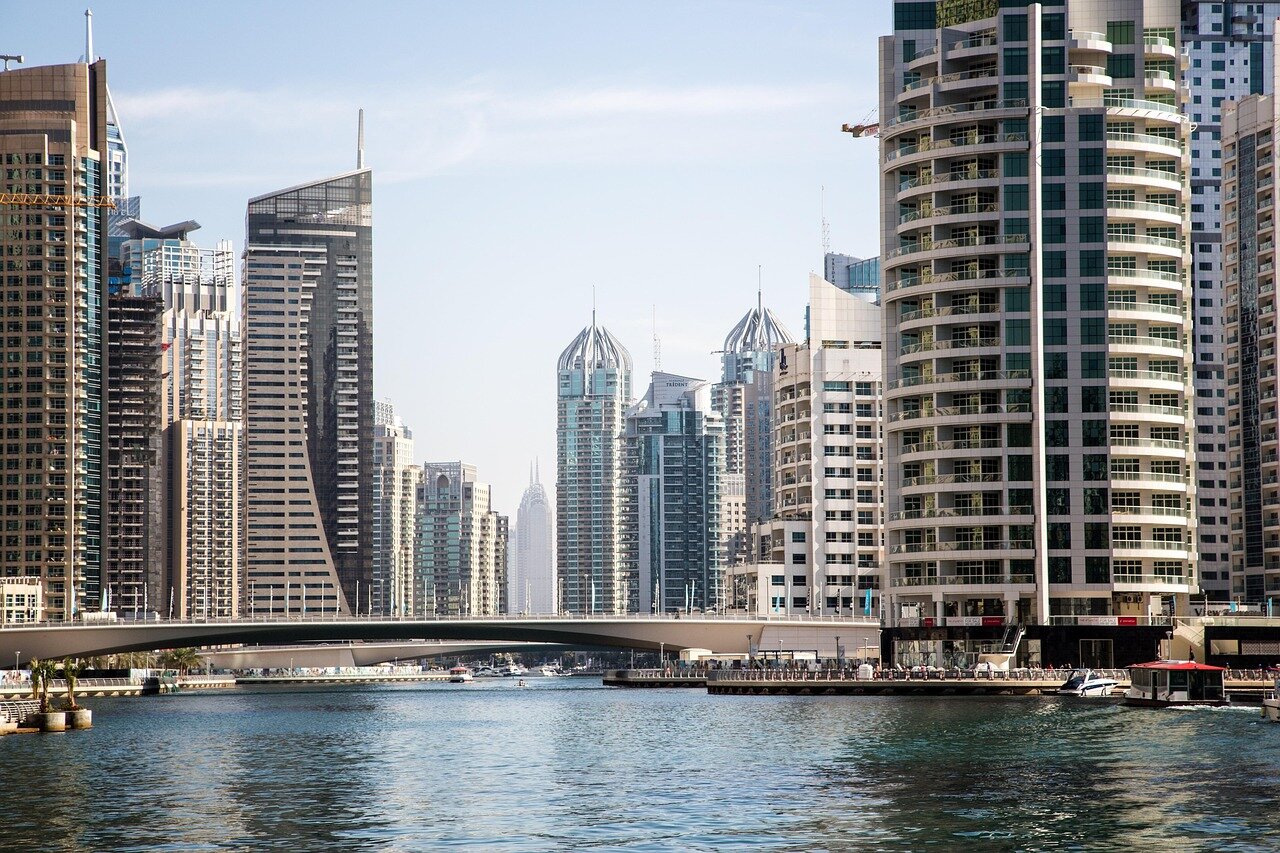
However, with increased travel comes certain risks. The potential for a rise in COVID-19 cases or other health-related issues could pose challenges for local authorities. Additionally, the sudden influx of tourists may strain infrastructure and public services, leading to overcrowding in popular areas.
- Increased tourist arrivals benefiting local economies.
- Job creation in hospitality and service sectors.
- Possible strain on infrastructure and public health services.
- Enhanced international business opportunities.
In the mid-term, the easing of travel restrictions could encourage investment in the tourism sector, leading to new developments and attractions. This could further solidify Dubai’s position as a global travel hub. However, stakeholders must remain vigilant about maintaining safety standards to ensure a sustainable tourism model that can adapt to future challenges.
A: The advisory was lifted due to improved safety conditions and a decrease in health risks associated with travel to the region. A: Travelers can now visit Dubai without the previous restrictions, allowing for a more enjoyable and stress-free travel experience. A: While the ‘Do not travel’ advice has been lifted, travelers should still check for any specific entry requirements or health protocols that may be in place. A: The lifting of the advisory is expected to boost tourism significantly, attracting more visitors and stimulating the local economy. A: Dubai has implemented various safety measures, including health screenings and sanitation protocols, to ensure the safety of both tourists and residents.
Frequently asked questions about the travel advisory
Key takeaways and future outlook on travel to Dubai
The recent decision to lift the ‘Do not travel’ advisory for Dubai marks a significant shift in travel dynamics for the region. This change is expected to not only boost tourism but also facilitate business travel, enhancing the overall economic landscape. As international travel resumes, travelers should remain informed about ongoing health and safety protocols to ensure a smooth experience.
Looking ahead, the implications of this advisory change are profound. Stakeholders in the travel and hospitality sectors should prepare for an influx of visitors, while travelers can anticipate more options and competitive pricing. Monitoring the evolving situation will be crucial for making informed travel decisions.
- Increased Tourism: Expect a surge in tourist numbers as confidence in travel to Dubai grows.
- Business Opportunities: Businesses may see renewed interest in Dubai as a hub for international trade and conferences.
- Health Protocols: Stay updated on any health and safety measures that may still be in place to ensure a safe travel experience.
- Travel Costs: Monitor pricing trends, as increased demand may lead to fluctuating costs in flights and accommodations.
- Regional Impact: The lifting of the advisory could influence travel policies in neighboring regions, prompting broader changes in travel advisories.