
The 50th anniversary of Munrow’s passing in 2023 has prompted various tributes and events celebrating his contributions to the field. Concerts, lectures, and exhibitions are being organized globally, highlighting his role in popularizing early music during the 1970s. These events serve to educate new audiences about the significance of this genre and its relevance in today’s musical landscape.
Furthermore, the rise of social media platforms has facilitated the sharing of early music performances, allowing enthusiasts to connect and collaborate across borders. Musicians are increasingly experimenting with early instruments, blending traditional techniques with contemporary styles. This fusion not only honors Munrow’s legacy but also expands the possibilities of early music in modern contexts, much like the way creativity is explored in Look Mum No Computer’s artistic expressions.
As educational institutions incorporate early music into their curricula, the foundation laid by Munrow continues to influence musicology and performance practice. His recordings remain essential listening for students and professionals, showcasing the vibrancy of the medieval and Renaissance eras. The current interest in early music underscores a broader cultural movement towards authenticity and historical awareness in the arts.
The Historical Background of Early Music Revival
The revival of early music, particularly during the mid-20th century, was influenced by a complex interplay of historical, social, and cultural factors. The aftermath of World War II saw a surge in interest in cultural heritage as societies sought to reconnect with their roots. This period marked a significant shift in how music was perceived, moving away from the commercialized sounds of popular music towards a deeper appreciation for historical authenticity and the nuances of earlier musical forms.
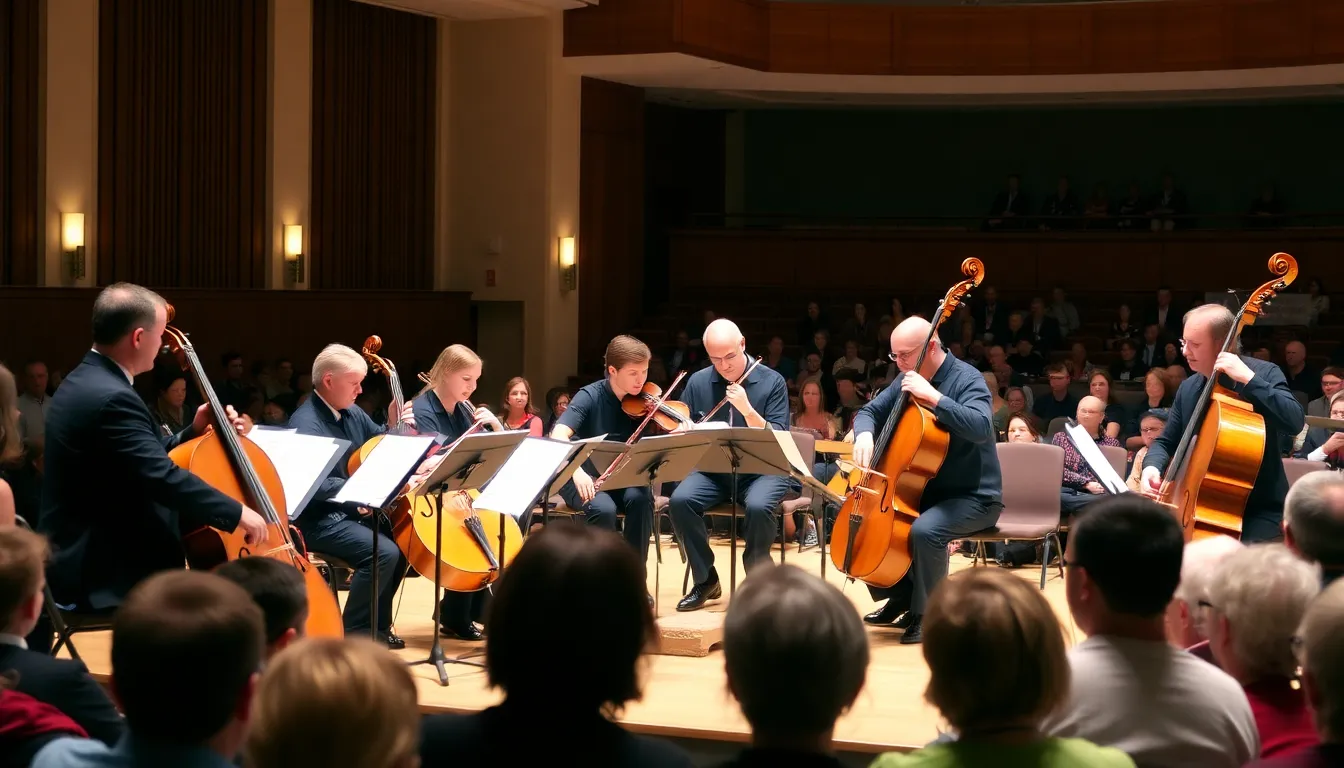
In the 1960s, the rise of the counterculture movement in the West facilitated a broader exploration of alternative lifestyles and artistic expressions. Musicians and scholars began to explore the rich tapestry of medieval, Renaissance, and Baroque music, often seeking to perform it using period instruments and techniques. This movement was not merely about nostalgia; it was a response to the homogenization of contemporary music and a desire to reclaim the unique characteristics that defined earlier musical eras, highlighting the broader cultural significance also seen in contemporary discussions.
Key Milestones in Early Music
One pivotal moment in the early music revival was the establishment of the Early Music Consort of London in 1960 by David Munrow. This ensemble played a crucial role in popularizing early music, showcasing instruments like the crumhorn and shawm that had largely fallen out of favor. Munrow’s innovative approach combined performance with education, leading to a greater appreciation for the historical context of the music, as discussed in this article about the significance of cultural heritage.
Additionally, the 1970s saw the emergence of dedicated early music festivals and recording labels, which further propelled the movement. These initiatives provided platforms for musicians to collaborate and explore the repertoire in depth, allowing audiences to experience the richness of early music in live settings. As a result, the early music revival not only enriched the cultural landscape but also fostered a sense of community among musicians and enthusiasts alike.
Overall, the early music revival, exemplified by figures like David Munrow, reflects a broader cultural shift towards valuing historical authenticity and diversity in musical expression. This movement laid the groundwork for contemporary interpretations of early music, ensuring its relevance and continued exploration in the modern musical landscape.
Key Contributions and Innovations by David Munrow
David Munrow was a pivotal figure in the early music revival of the 20th century, bringing attention to historical instruments and performance practices that had long been neglected. His work not only showcased the beauty of instruments like the crumhorn and shawm but also inspired a new generation of musicians and audiences to appreciate early music.
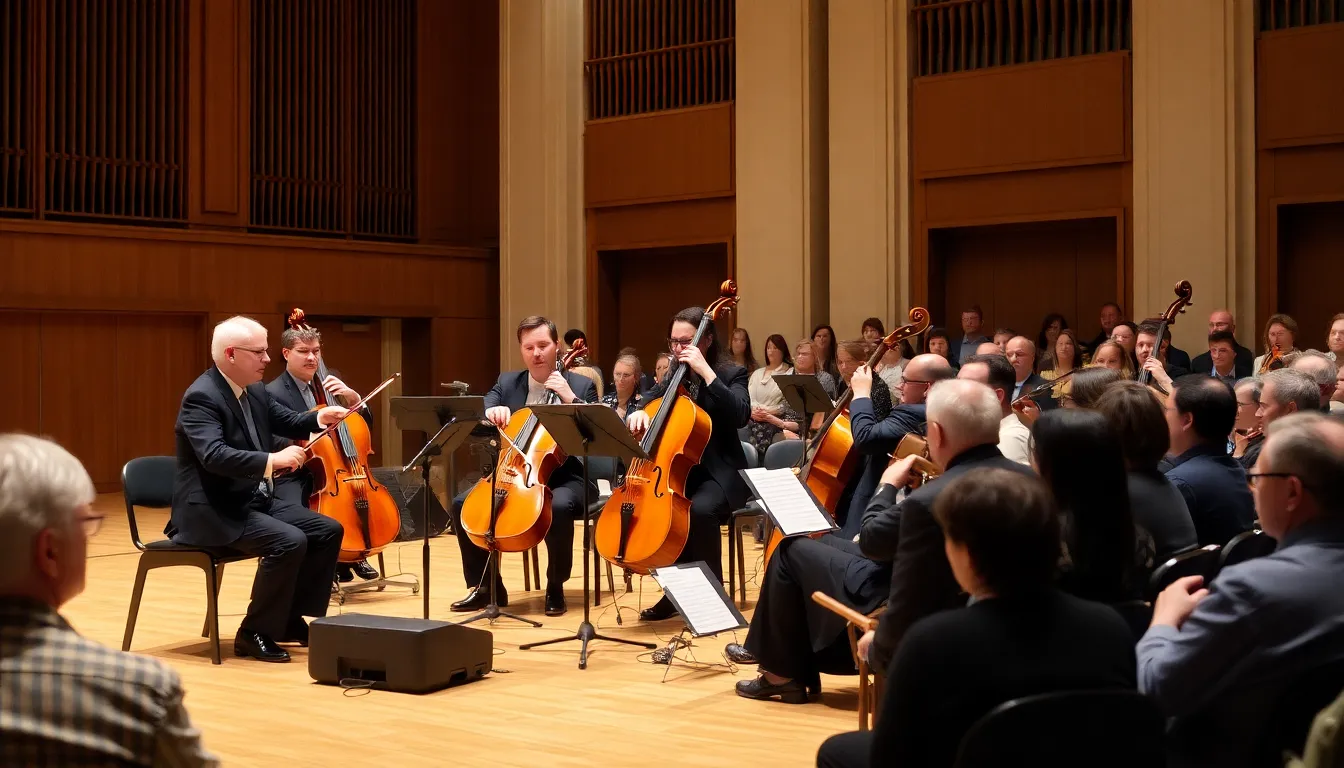
The main stakeholders in Munrow’s legacy include musicologists, early music ensembles, educational institutions, and cultural organizations. Each of these groups has varying interests, from preserving historical accuracy in performances to promoting early music education and outreach.
One key issue is the balance between authenticity and accessibility in early music performances. While some purists advocate for historically informed practices, others argue for a more modern approach that can engage contemporary audiences. This tension can lead to conflicts within the early music community, as different factions prioritize different aspects of performance.
- Historical Preservation: Organizations focused on preserving the integrity of early music face challenges in maintaining authenticity while reaching wider audiences.
- Educational Initiatives: Music schools and conservatories are increasingly incorporating early music into their curricula, which can lead to competition for resources and attention.
- Funding and Support: The economic sustainability of early music ensembles often depends on grants and sponsorships, which can create pressure to conform to popular tastes.
Moreover, legal issues surrounding the reproduction of historical works and instruments can complicate the landscape. Copyright laws may affect the ability of musicians to perform or record certain pieces, potentially stifling innovation in the field. As stakeholders navigate these complexities, the future of early music continues to evolve, influenced by the foundational work of pioneers like Munrow.
The Influence of Munrow on Modern Music and Education
David Munrow’s contributions to early music have resonated across various groups, particularly musicians, educators, and cultural institutions. His pioneering work in reviving and popularizing early music instruments like the crumhorn and shawm has inspired a new generation of artists and educators to explore these historical sounds. This influence extends beyond the realm of music, impacting industries such as education, tourism, and the arts.
In the short term, music schools and conservatories are likely to see an increase in enrollment in programs focused on early music. Students and educators are drawn to Munrow’s innovative approaches, which blend historical authenticity with engaging performance practices. This surge can lead to enhanced curriculum offerings and workshops, fostering a greater appreciation for early music among students.
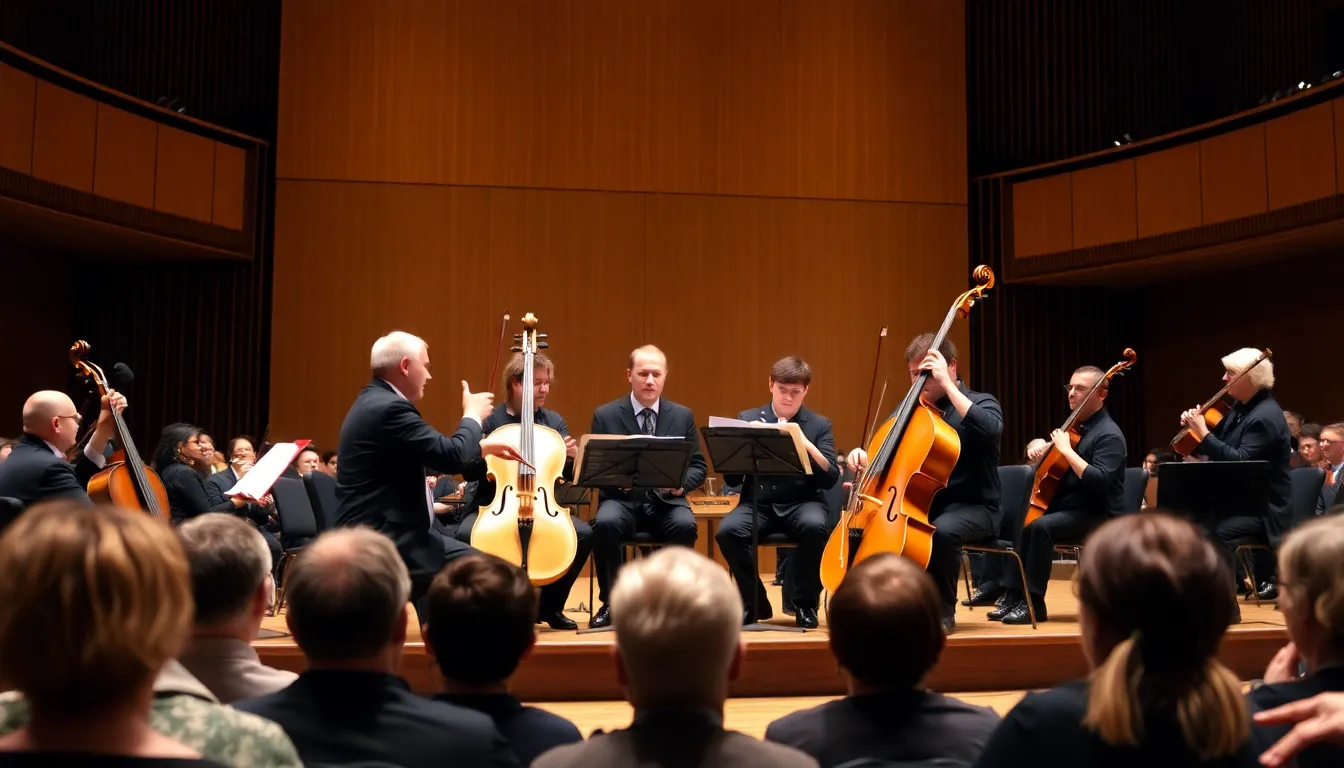
Mid-term impacts may include a revitalization of interest in early music festivals and performances, benefiting local economies and tourism. Regions that host such events can experience increased foot traffic and cultural exchange, as audiences flock to experience the unique sounds and performances inspired by Munrow’s legacy. Additionally, this renewed interest can lead to collaborations between contemporary musicians and early music specialists, creating new artistic opportunities.
- Musicians: Increased exploration of early music styles and instruments.
- Educators: Development of specialized programs and curricula.
- Cultural Institutions: Growth in early music festivals and events.
- Tourism: Boost in local economies through cultural tourism.
However, there are also risks associated with this revival. The niche nature of early music may limit its appeal to broader audiences, potentially challenging sustainability for some programs and events. Additionally, the focus on historical performance practices could overshadow contemporary innovations in the music scene. Balancing these elements will be crucial for ensuring that the legacy of Munrow continues to thrive while fostering new creativity in the music landscape.
A: David Munrow was a British musician and musicologist known for his pioneering work in the field of early music. He played a significant role in reviving interest in historical instruments and performance practices. A: Munrow was particularly known for his expertise in the crumhorn and shawm, among other early woodwind instruments. His performances showcased the unique sounds of these historical instruments. A: Munrow’s innovative approaches to performance and education have left a lasting impact on the interpretation of early music. His work continues to inspire musicians and educators today. A: Early music has gained popularity as a genre that offers insights into historical performance practices and cultural contexts. It enriches the understanding of music history and its evolution. A: Yes, several recordings of David Munrow’s performances are available, showcasing his skill and the unique sound of early instruments. These recordings serve as valuable resources for both listeners and musicians.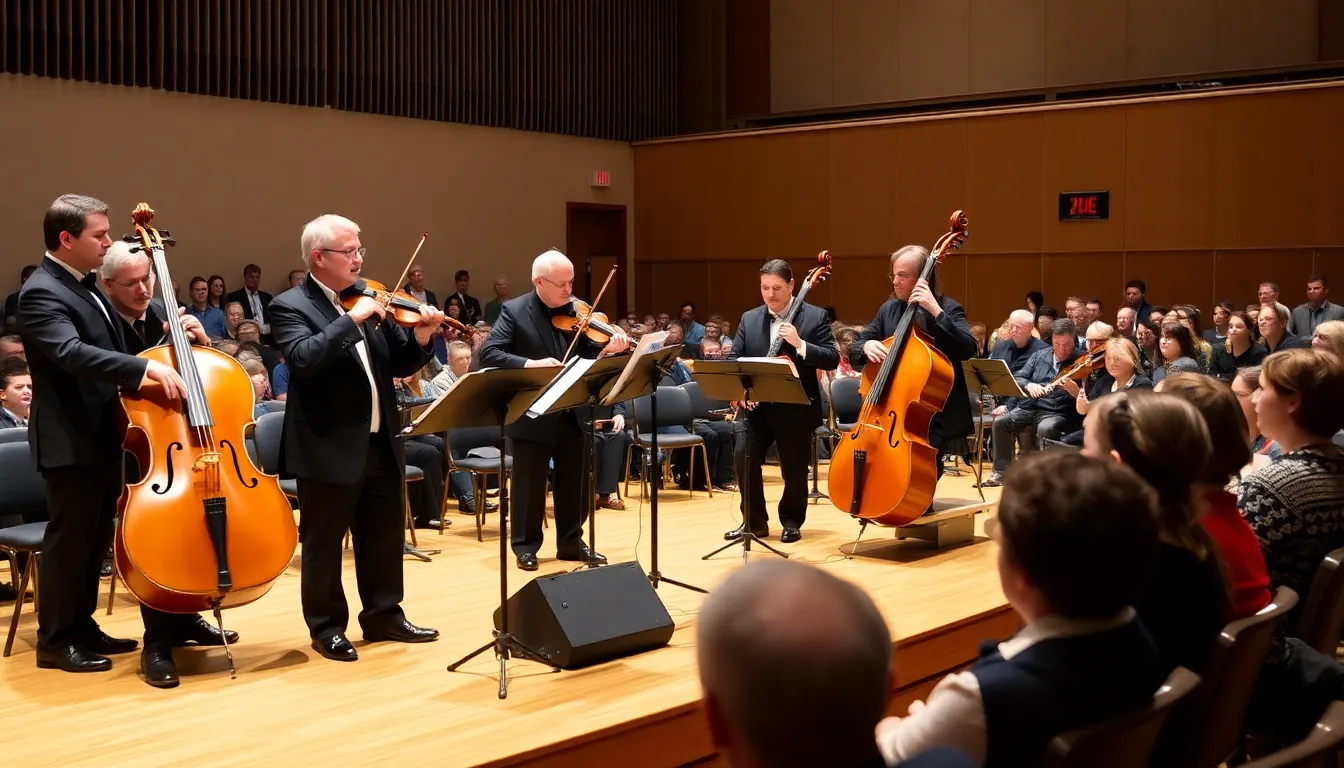
Frequently Asked Questions about David Munrow
Key Takeaways and Future Directions in Early Music
David Munrow’s contributions to early music have not only revived interest in historical instruments but have also paved the way for contemporary interpretations and performances. His innovative approach to musicology and performance practice serves as a model for future musicians and scholars, emphasizing the importance of authenticity and creativity in early music. As the field continues to evolve, Munrow’s legacy inspires a new generation to explore the depths of musical history while embracing modern sensibilities.
Looking ahead, the intersection of technology and early music presents exciting opportunities for further exploration. The integration of digital platforms allows for broader access to early music, encouraging collaboration and experimentation across diverse musical genres. Engaging with Munrow’s work can lead to fresh insights into performance practices and audience engagement, making early music more relevant than ever.
- Continued exploration of historical instruments can enhance modern performances and deepen audience appreciation.
- Digital platforms will increasingly facilitate collaborations between early music specialists and contemporary artists.
- Educational initiatives inspired by Munrow’s methods can foster a greater understanding and interest in early music among younger audiences.
- Innovative interpretations of early music can bridge cultural gaps and invite diverse perspectives into the genre.