
Recent studies indicate that over 1,500 species of wildlife can be found in London, including birds, mammals, and insects. Notably, the city is home to populations of foxes, parakeets, and even rare species like the stag beetle. These findings challenge the misconception that urban areas lack significant ecological value. For more on urban ecology, you can visit this link.
In a series of documentaries and public appearances, Attenborough emphasizes the need for conservation efforts, particularly in light of ongoing urban development. The London Wildlife Trust and other organizations are actively working to create green spaces and promote sustainable practices to protect these urban ecosystems.
This exploration of wildlife in London not only showcases the resilience of nature but also serves as a reminder of the interconnectedness of urban living and environmental health. As cities continue to expand, understanding and preserving the wildlife within them is increasingly critical for future generations.
Understanding London’s unique ecological landscape
London, often perceived as a bustling metropolis dominated by concrete and steel, has a rich tapestry of wildlife that thrives within its urban confines. Historically, the city has undergone significant transformations, from its origins as a Roman settlement to its development into a global hub for commerce and culture. This evolution has not only shaped the architectural landscape but has also influenced the ecological dynamics of the area.
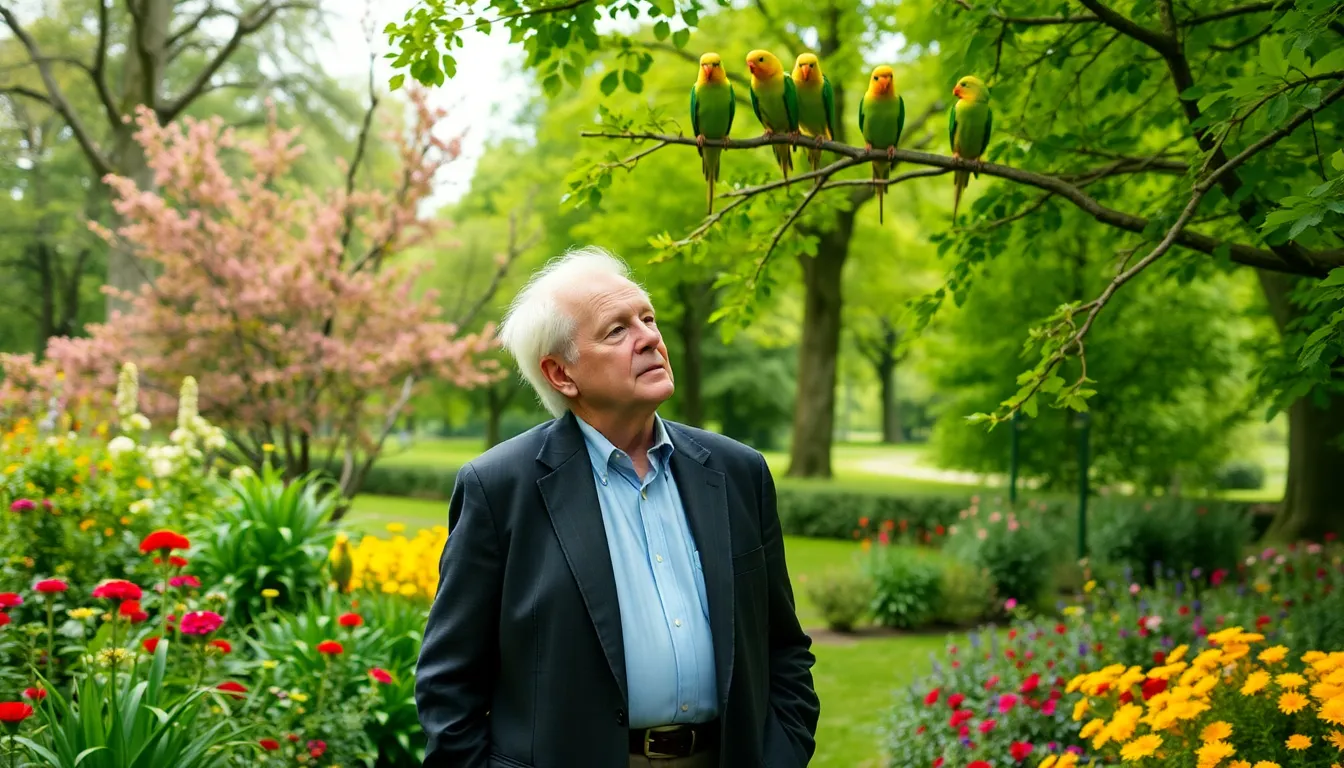
In the 19th century, the Industrial Revolution marked a turning point for London, leading to rapid urbanization and a surge in population. This period saw the decline of natural habitats as factories and residential areas expanded. However, the late 20th century witnessed a growing awareness of environmental issues, prompting initiatives aimed at restoring green spaces and promoting biodiversity within the city.
The Role of Green Spaces
London is home to numerous parks and gardens, such as Hyde Park and Kew Gardens, which serve as vital refuges for various species. These green spaces have been crucial in maintaining ecological balance and providing habitats for wildlife. The establishment of the London Wildlife Trust in 1981 marked a significant milestone in conservation efforts, focusing on protecting and enhancing the city’s natural environment. This initiative is vital in shaping the future of urban wildlife conservation.
As urban development continues, the intersection of wildlife conservation and city planning has become increasingly important. Recent policies aim to integrate nature into urban design, recognizing the benefits of biodiversity for public health and well-being. Sir David Attenborough’s exploration of London’s wildlife highlights the resilience of nature amidst urban challenges and the ongoing efforts to coexist with the diverse species that call the city home.
Today, London stands as a testament to the potential for urban areas to support rich ecosystems. The city’s unique ecological landscape serves as a reminder of the importance of sustainable practices and the need for continued advocacy for wildlife preservation in the face of ongoing urban pressures.
Key stakeholders in urban wildlife conservation
In the realm of urban wildlife conservation, various stakeholders play pivotal roles, each with distinct interests and objectives. Among the most significant actors are government bodies, non-governmental organizations (NGOs), local communities, and the business sector. These groups often find themselves navigating a complex landscape of interests and challenges as they work towards the shared goal of preserving wildlife in urban settings like London.
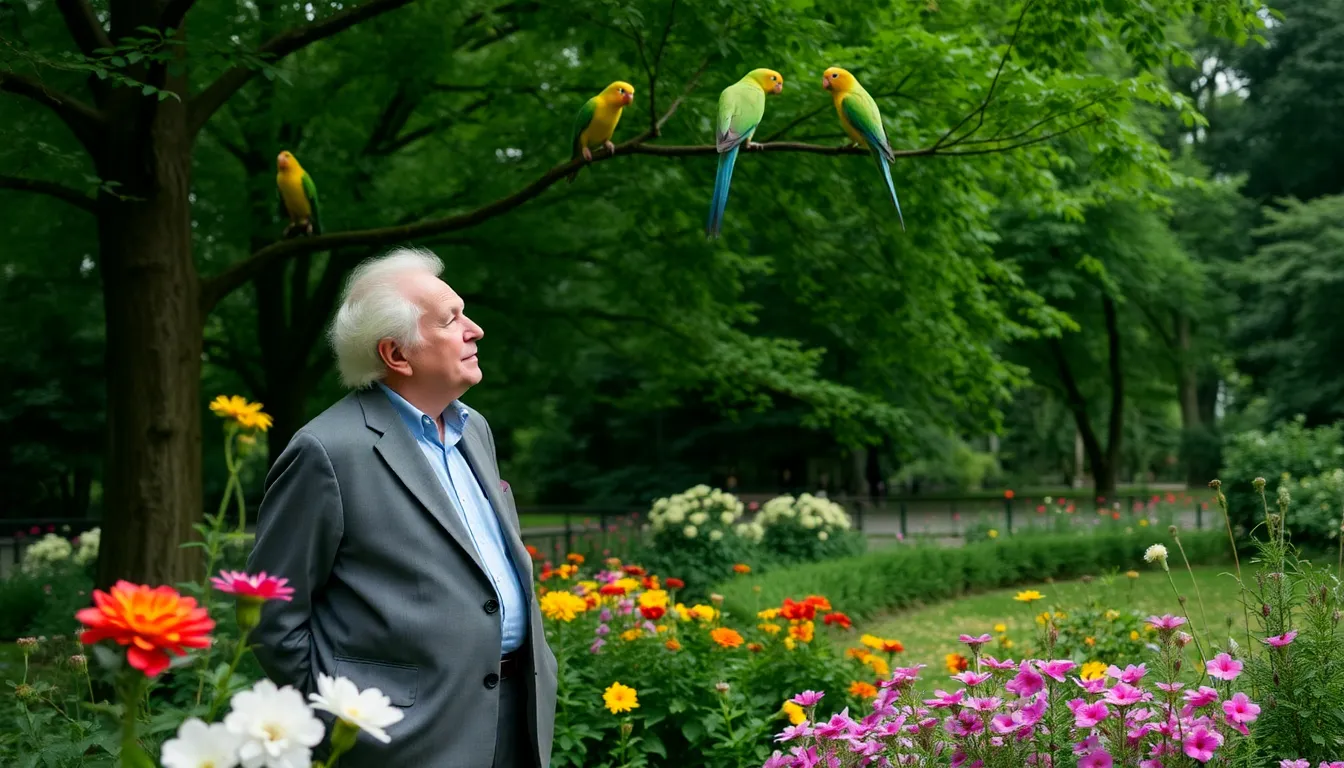
Government agencies, such as the Greater London Authority and local councils, are key players in wildlife conservation. Their primary interest lies in balancing urban development with ecological sustainability. This often leads to conflicts between the need for housing and infrastructure and the preservation of natural habitats. For instance, land use policies can either facilitate or hinder conservation efforts, depending on how they are crafted and implemented.
NGOs, such as the Royal Society for the Protection of Birds (RSPB) and the London Wildlife Trust, advocate for wildlife protection and engage in educational outreach. Their interests are often aligned with conservation, but they may clash with developers who prioritize economic growth over ecological concerns. For more insights on the importance of community involvement in conservation efforts, refer to this article.
Local communities also play a crucial role in urban wildlife conservation. Residents often have a vested interest in maintaining green spaces and supporting local wildlife, which can lead to grassroots initiatives aimed at conservation. However, conflicts can arise when community interests are at odds with commercial developments, such as new housing projects that threaten local ecosystems. Additionally, there is a growing recognition of the importance of community engagement in conservation efforts, which can help bridge gaps between different stakeholders.
- Government policies: Balancing development and conservation can create tension among stakeholders.
- NGO advocacy: Organizations push for stronger wildlife protections, potentially conflicting with business interests.
- Community involvement: Local residents can drive conservation efforts but may oppose developments that threaten wildlife.
- Economic considerations: The need for economic growth can overshadow ecological priorities, leading to critical trade-offs.
- Legal frameworks: Existing laws can either support or hinder conservation efforts, impacting stakeholder strategies.
The impact of urban wildlife on local communities
Sir David Attenborough’s exploration of London’s wildlife highlights the intricate relationship between urban environments and the species that inhabit them. Various groups are affected by this phenomenon, including local residents, businesses, conservationists, and policymakers. Each of these stakeholders experiences both challenges and opportunities as they navigate the presence of wildlife in urban settings.
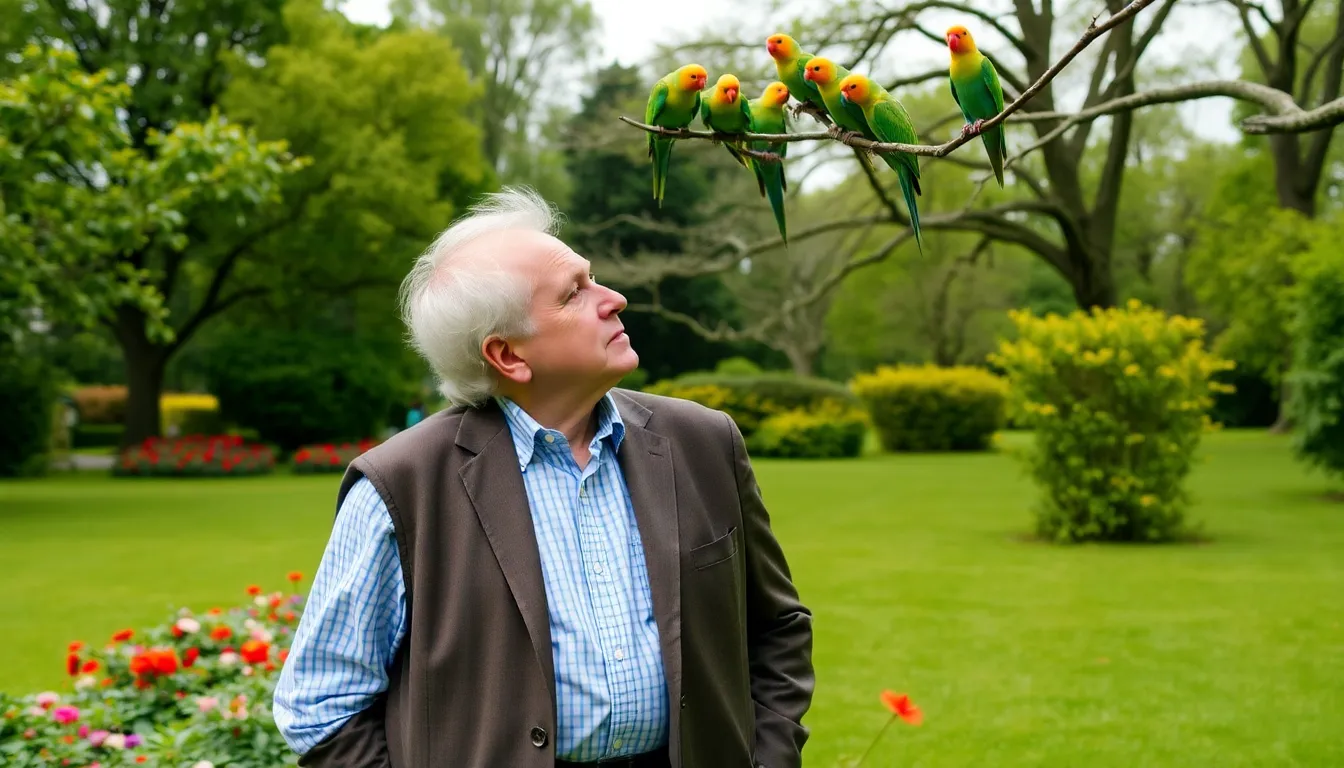
In the short term, local communities may experience increased interactions with urban wildlife, which can lead to both positive and negative outcomes. Residents may find joy in observing diverse species, fostering a sense of connection to nature. However, there are risks, such as potential property damage from wildlife or health concerns related to urban animals. Businesses, particularly those in the tourism and hospitality sectors, may benefit from increased interest in wildlife tours and educational programs, driving economic growth.
In the mid-term, the impact on policy becomes more pronounced as local governments may need to adapt regulations to address wildlife management. This can include creating protected areas, implementing wildlife-friendly practices, and enhancing public education about coexisting with urban fauna. The need for sustainable urban planning becomes evident, as cities strive to balance development with the preservation of natural habitats.
- Opportunities: Increased eco-tourism and educational initiatives.
- Risks: Potential conflicts between wildlife and human activities.
- Policy changes: Development of wildlife management strategies.
Overall, the exploration of London’s wildlife by Sir David Attenborough serves as a catalyst for dialogue among communities, businesses, and policymakers, emphasizing the importance of embracing urban biodiversity while addressing the challenges it presents.
A: London is home to a diverse range of wildlife, including birds, mammals, and insects. Common sightings include foxes, hedgehogs, and various bird species in parks and gardens. A: Urbanization can lead to habitat loss and fragmentation, but it can also create unique environments for certain species to thrive. Adaptability is key for wildlife in cities. A: Sir David Attenborough is a prominent advocate for wildlife conservation, using his platform to raise awareness about biodiversity and the importance of protecting natural habitats. A: Yes, there are several initiatives aimed at protecting urban wildlife, including community gardens, wildlife corridors, and educational programs to engage the public. A: Residents can help by creating wildlife-friendly spaces in their gardens, participating in local conservation efforts, and reporting wildlife sightings to help monitor populations.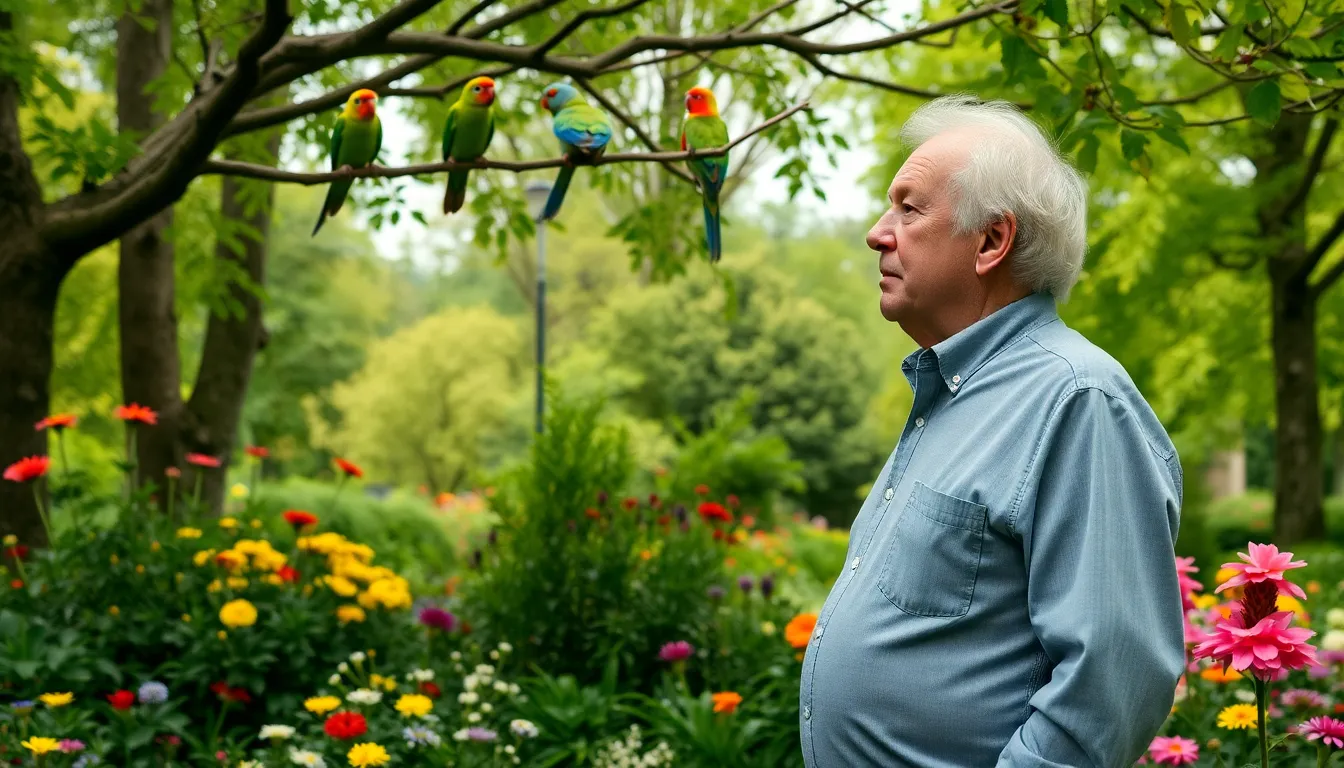
Frequently asked questions about London’s wildlife
Key insights and future outlook on urban wildlife
Sir David Attenborough’s exploration of London’s wildlife reveals the intricate balance between urban development and nature. The adaptability of various species in this bustling metropolis highlights the potential for coexistence, emphasizing the importance of green spaces and biodiversity in urban planning. As cities continue to expand, understanding these dynamics becomes crucial for fostering environments that support both human and wildlife populations.
Looking ahead, the integration of wildlife conservation efforts into urban development can lead to healthier ecosystems and improved quality of life for residents. This approach not only enhances biodiversity but also offers educational opportunities and promotes environmental stewardship among city dwellers.
- Urban planners should prioritize the creation and maintenance of green spaces to support local wildlife.
- Community engagement in wildlife conservation can foster a sense of responsibility and connection to nature.
- Monitoring and studying urban wildlife can provide valuable insights into the effects of climate change and habitat loss.
- Innovative solutions, such as wildlife corridors, can facilitate safe movement for animals within urban areas.