
Artisan millers, such as those participating in the 2023 Artisan Grain Conference held in September, have reported a significant increase in demand for their products.
Social media platforms have played a pivotal role in promoting this trend, with numerous influencers showcasing recipes that highlight the distinct textures and flavors of craft flour. As a result, consumers are becoming more educated about the origins of their food, leading to an increased interest in supporting local farmers and millers.
The rise of craft flour is also aligned with broader movements towards sustainability and transparency in the food industry.
Understanding the rise of craft flour in modern cooking
The rise of craft flour in contemporary kitchens can be traced back to a growing interest in artisanal food products and a desire for authenticity in cooking. Over the past two decades, there has been a significant shift in consumer preferences towards locally sourced and minimally processed ingredients. This trend has been fueled by a broader movement towards sustainability and health consciousness, encouraging chefs and home cooks alike to seek out high-quality, specialty flours that enhance flavor and texture in their dishes.

However, as more people began to appreciate the nuances of different grains and milling techniques, small-scale millers and craft flour producers emerged, leading to a revival of interest in traditional practices that has played a crucial role in the popularity of craft flour.
The Role of Influencers and Chefs
Social media and the rise of food influencers have also significantly contributed to the craft flour movement. Influencers and chefs have embraced craft flour for its distinct qualities, sharing recipes and cooking tips that highlight its benefits. As they showcase their culinary creations online, they inspire their followers to experiment with these unique ingredients, further driving demand. This visibility has not only educated consumers about the value of craft flour but has also established it as a trendy ingredient in both home kitchens and professional restaurants.
Economically, the craft flour market has seen substantial growth, with more consumers willing to pay a premium for quality products. This shift has encouraged local grain farmers and millers to collaborate, creating a network that supports sustainable agriculture and local economies. The increased visibility of craft flour has also led to a resurgence in interest in baking, as both amateur and professional bakers seek to elevate their skills and results with superior ingredients.
As the market for craft flour continues to expand, it reflects broader societal changes in how we view food production and consumption. The emphasis on quality, sustainability, and local sourcing is reshaping culinary landscapes, making craft flour not just a trend but a staple in modern cooking.
Key players and trends in the craft flour market
The craft flour market has seen a significant rise in popularity, drawing attention from various stakeholders including local millers, chefs, influencers, and health-conscious consumers. Each of these groups has distinct interests that shape the dynamics of this emerging market.

Local millers and producers are at the forefront of this trend, as they seek to capitalize on the growing demand for high-quality, artisanal products. Their interests lie in maintaining sustainable practices and ensuring that their products are both unique and appealing to a niche market. This has led to an increase in small-scale milling operations that focus on heritage grains and organic farming methods.
Chefs and food influencers play a crucial role in promoting craft flour by incorporating it into their recipes and highlighting its benefits on social media platforms. Their influence can drive consumer interest and purchasing decisions, but it also creates competition among brands aiming for visibility. The challenge lies in balancing authenticity with marketing, as consumers become more discerning about the origins and quality of their food.
Consumers, particularly those who prioritize health and sustainability, are increasingly turning to craft flour as a preferred alternative to mass-produced options. This shift reflects a broader trend towards conscious eating and an interest in supporting local economies. However, the higher price point of craft flour compared to conventional flour can be a barrier for some consumers, leading to trade-offs between quality and affordability.
- Local Millers: Focus on sustainable practices and product uniqueness.
- Chefs and Influencers: Drive consumer interest through social media and culinary innovation.
- Consumers: Seek health benefits and support for local economies, but face price barriers.
- Regulatory Bodies: Monitor food safety and labeling, impacting market dynamics.
- Retailers: Adjust their offerings based on consumer demand and trends in the market.
How craft flour is influencing the food industry
The rise of craft flour is significantly affecting various groups within the food industry, including artisanal bakers, chefs, and home cooks. Influencers and chefs who prioritize quality ingredients are increasingly advocating for craft flour, which is made from locally sourced grains and often milled in small batches. This trend is reshaping consumer preferences and driving demand for unique, high-quality products.
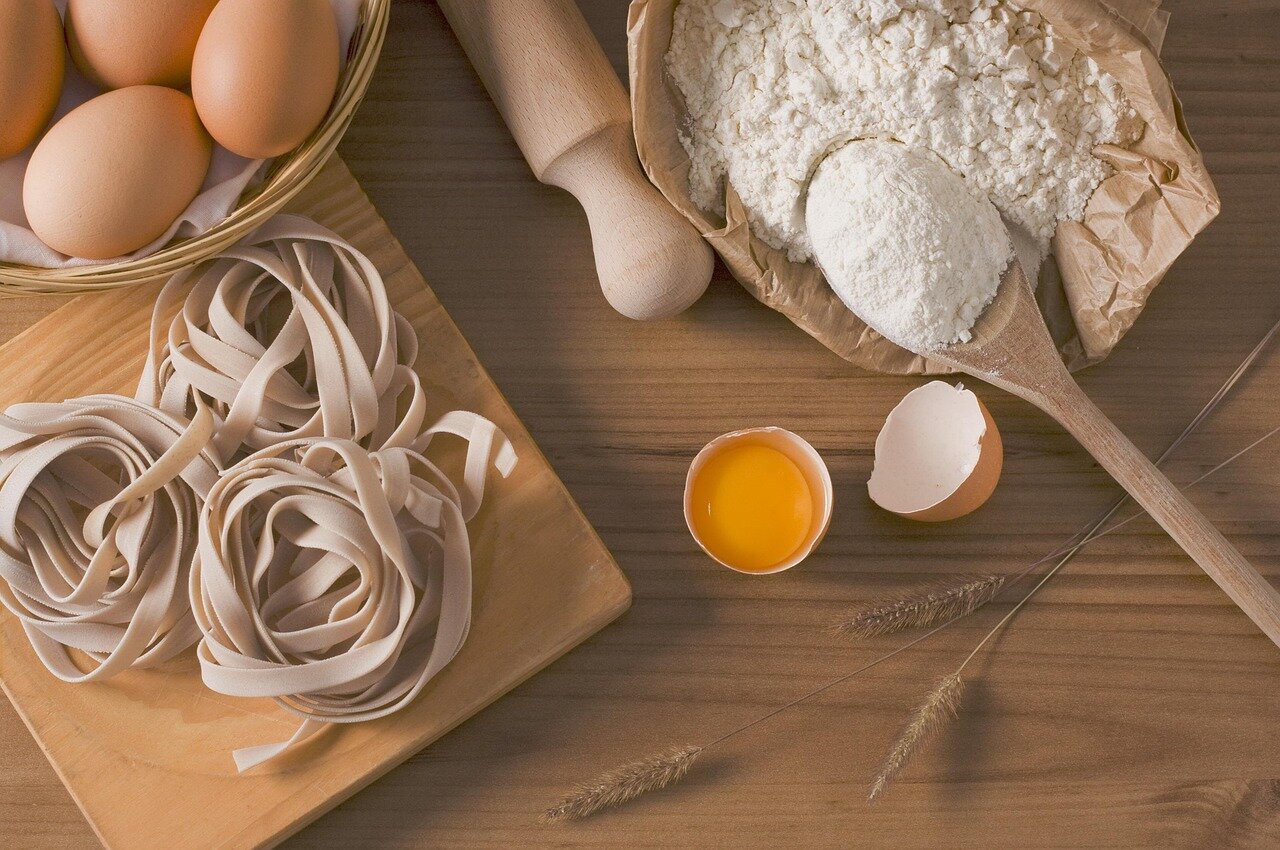
In the short term, businesses that adopt craft flour may experience a boost in sales as consumers seek out distinctive flavors and health benefits associated with these products. Restaurants and bakeries that incorporate craft flour into their offerings can attract a niche market of food enthusiasts who are willing to pay a premium for artisanal goods. However, this shift may also pose challenges for larger food manufacturers who struggle to compete with the personalized touch of smaller producers.
In the mid-term, the craft flour movement could lead to a broader shift in food policy, encouraging local grain production and sustainable farming practices. Regions known for their agricultural heritage may see revitalization as farmers embrace the craft flour trend, promoting local economies. However, there are risks, such as potential shortages of specific grains if demand outpaces supply, which could lead to price fluctuations.
- Opportunities: Increased sales for artisanal producers and local farmers.
- Risks: Possible supply shortages and price volatility.
- Impact on policy: Encouragement of sustainable farming and local grain production.
As craft flour gains popularity, it is likely to influence not only culinary practices but also the broader food landscape, fostering a culture that values quality and sustainability over mass production. The continued collaboration between chefs, influencers, and local producers will be crucial in shaping the future of this trend.
A: Craft flour is a type of flour that is often milled from specialty grains and is known for its unique flavors and textures. It is used by chefs and bakers to create artisanal products. A: Influencers are drawn to craft flour for its quality and versatility, which allows them to create unique recipes that resonate with their audiences. Its artisanal nature also aligns with current food trends. A: Craft flour typically undergoes less processing and may include a variety of grains, resulting in distinct flavors and nutritional profiles. Regular flour is often more refined and standardized. A: Yes, craft flour can be used in many traditional recipes, but adjustments may be needed in terms of hydration and mixing times due to its unique properties. A: Craft flour is available at specialty grocery stores, farmers’ markets, and online retailers that focus on artisanal and high-quality ingredients.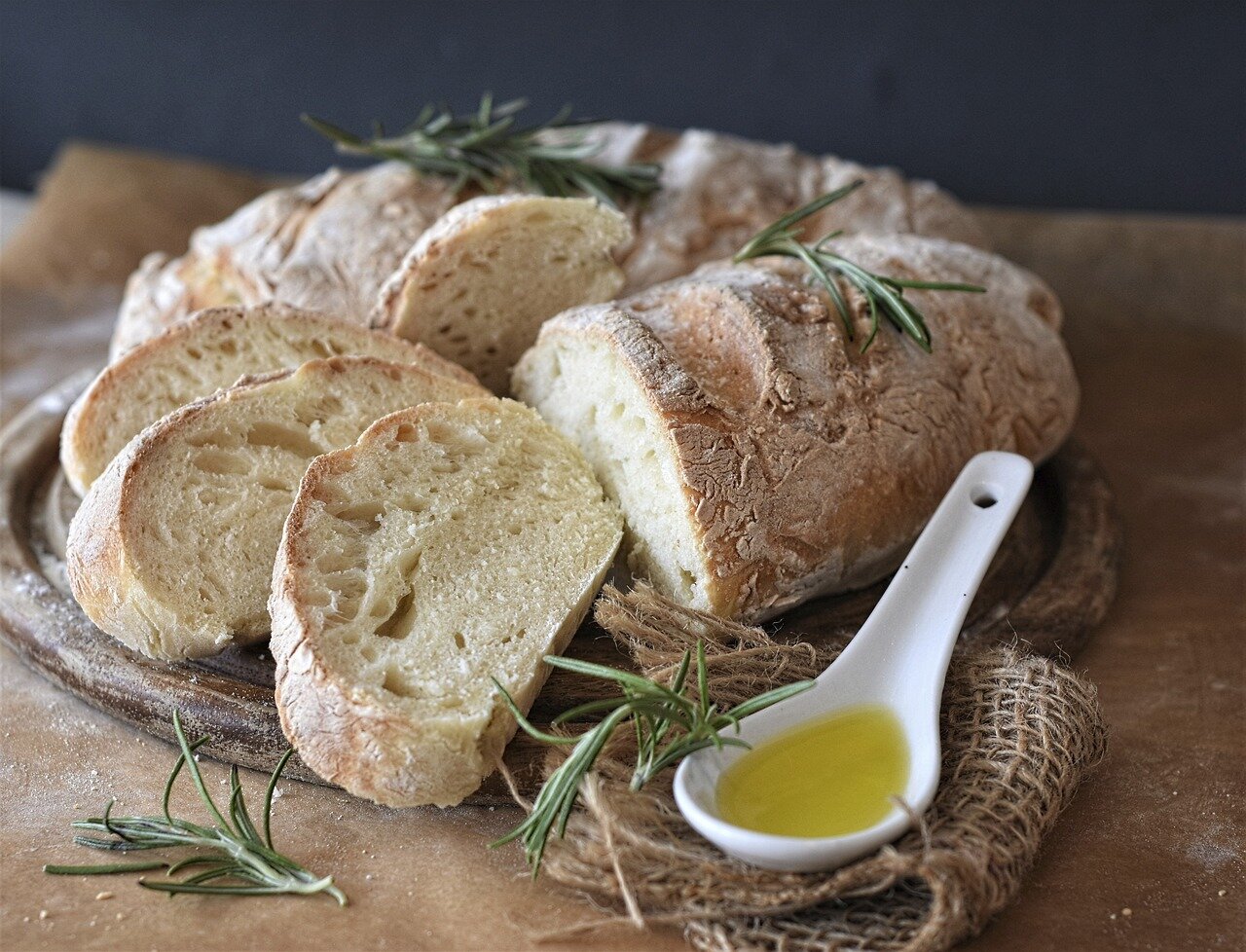
Frequently Asked Questions about Craft Flour
Future outlook and key takeaways on craft flour
The rising popularity of craft flour among influencers and chefs highlights a significant shift in consumer preferences towards artisanal and high-quality ingredients. As the food industry continues to evolve, craft flour is poised to play a crucial role in redefining culinary experiences, emphasizing authenticity and sustainability. This trend not only reflects a growing appreciation for traditional milling practices but also indicates a broader movement towards mindful eating and sourcing.
With the increasing demand for unique flavors and textures, craft flour offers opportunities for innovation in both home cooking and professional kitchens. As more consumers become aware of the benefits of using such specialized products, businesses that embrace this trend may find themselves at the forefront of a culinary renaissance.
- Watch for increased availability: As demand grows, more retailers and online platforms are likely to stock craft flour, making it accessible to a wider audience.
- Monitor culinary trends: Keep an eye on how chefs and influencers incorporate craft flour into their recipes, as this will influence consumer preferences and dining experiences.
- Consider sustainability: The emphasis on local sourcing and sustainable practices in craft flour production may drive consumer choices and brand loyalty.
- Explore health benefits: As consumers seek healthier options, the nutritional advantages of craft flour could become a focal point in marketing strategies.
- Innovative product development: Expect to see new products and blends emerging from the craft flour sector, catering to diverse dietary needs and culinary creativity.