
In September 2023, Hezbollah conducted a series of drone flights over Israeli territory, which were met with swift responses from the Israeli Defense Forces (IDF). The IDF reported intercepting several drones, asserting that these incursions were part of a broader strategy by Hezbollah to demonstrate its military capabilities and assert its presence along the Israel-Lebanon border. Understanding the historical context of these drone operations is crucial for comprehending the current geopolitical landscape.
The increasing sophistication of Hezbollah’s drones has implications beyond the immediate region. Analysts suggest that the group’s access to advanced drone technology could embolden it in its confrontations with Israel and contribute to escalating tensions in an already volatile area. This development is particularly concerning given Hezbollah’s ties to Iran, which has been known to support the group’s military enhancements.
Moreover, the potential for drone warfare to become a more prominent aspect of conflicts in the region poses challenges for military strategies employed by Israel and its allies. As drone technology becomes more accessible, the likelihood of asymmetric warfare tactics being employed by non-state actors like Hezbollah could reshape the dynamics of future engagements in the Middle East.
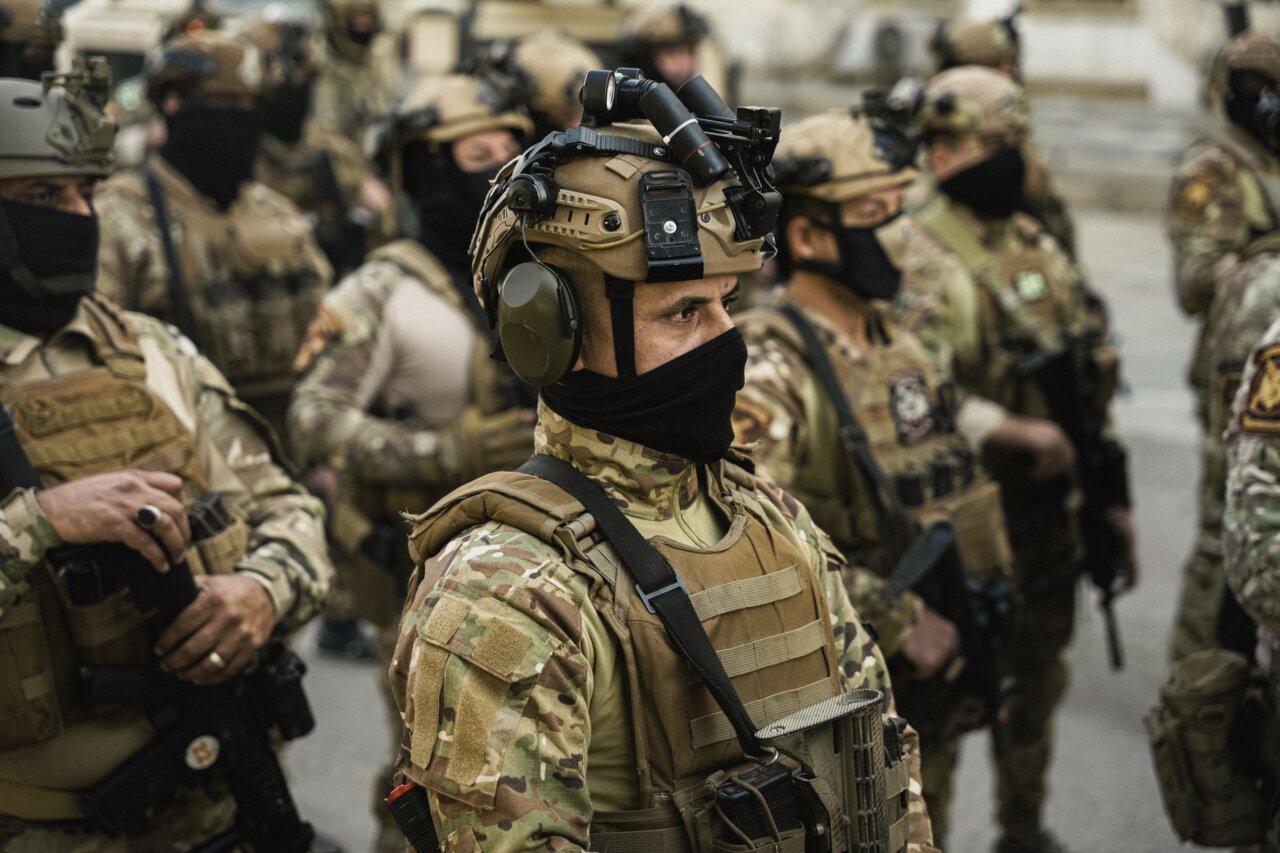
Historical Background of Hezbollah’s Drone Program
Hezbollah, a Shiite militant group based in Lebanon, has evolved significantly since its formation in the early 1980s. Initially established as a response to the Israeli invasion of Lebanon in 1982, Hezbollah’s primary objective was to resist foreign occupation and assert Lebanese sovereignty. Over the decades, the group has transformed from a local resistance movement into a formidable military and political force, gaining substantial influence within Lebanon and the region.
The development of Hezbollah’s drone program can be traced back to the early 2000s, when the group began to explore advanced military technologies to enhance its capabilities. The use of drones became particularly prominent during the 2006 Lebanon War, where Hezbollah showcased its ability to deploy unmanned aerial vehicles (UAVs) for reconnaissance and surveillance purposes. This marked a turning point in the group’s operational strategy, as it began to integrate modern technology into its military arsenal.
Key Milestones in Drone Development
In 2012, Hezbollah publicly announced the successful deployment of its first drone, which was capable of conducting surveillance missions over Israeli territory. This event signified not only a technological advancement for the group but also a bold assertion of its military capabilities. In the following years, Hezbollah continued to expand its drone fleet, reportedly receiving assistance from allies such as Iran, which has been instrumental in providing both technology and training.
By 2018, Hezbollah had reportedly developed drones capable of carrying munitions, further escalating concerns among regional adversaries, particularly Israel. The group’s drone operations have since included both reconnaissance missions and potential strike capabilities, showcasing its growing sophistication in aerial warfare. The increasing prominence of drones in Hezbollah’s military strategy reflects broader trends in modern warfare, where non-state actors are leveraging technology to challenge traditional military power dynamics.

As regional tensions continue to rise, Hezbollah’s drone program has become a focal point in the ongoing conflict between Israel and various militant groups in Lebanon and beyond. The implications of this development extend beyond military engagements, influencing political dynamics within Lebanon and shaping the strategic calculations of neighboring countries. Understanding the historical context of Hezbollah’s drone program is crucial for comprehending the current geopolitical landscape in the Middle East.
Key Stakeholders and Issues Surrounding Drone Utilization
Hezbollah, a Lebanese militant group, is at the forefront of drone utilization in the Middle East. Their interest lies in enhancing military capabilities and asserting regional influence. Drones provide Hezbollah with a strategic advantage, allowing for reconnaissance and potential offensive operations against perceived adversaries, including Israel, which illustrates the complex dynamics of regional conflicts as discussed in related articles.
Another significant actor is the Israeli government, which views Hezbollah’s drone program as a direct threat to its national security. Israel’s interest is to maintain air superiority and prevent any advancements in Hezbollah’s military technology. This has led to increased military readiness and preemptive measures, including airstrikes against drone facilities.
Additionally, the Iranian government plays a crucial role as a supporter and supplier of advanced drone technology to Hezbollah. Iran’s interest is rooted in regional power dynamics, aiming to bolster its allies and extend its influence across the Levant. This relationship complicates the geopolitical landscape, as it pits Iranian interests against those of Israel and its allies.

- Military Escalation: The proliferation of drones could lead to an arms race in the region, prompting neighboring countries to enhance their own military capabilities.
- Legal Implications: The use of drones raises questions about international law, particularly concerning sovereignty and the rules of engagement in conflict zones.
- Economic Factors: The funding and development of drone technology involve significant financial resources, impacting both Hezbollah’s budget and broader regional economies.
- Public Perception: The deployment of drones can influence public opinion, shaping narratives around security and terrorism in the media.
- Humanitarian Concerns: The use of drones in conflicts raises ethical questions regarding civilian casualties and the impact on local populations.
Impact of Hezbollah’s Drones on Regional Security Dynamics
The emergence of Hezbollah’s drone capabilities significantly affects various groups and industries across the Middle East. Key stakeholders include local governments, military organizations, civilian populations, and international businesses involved in defense and technology. The presence of these drones alters the balance of power in the region, prompting responses from neighboring countries and global powers alike.
In the short term, the immediate impact on daily life is marked by heightened tensions and increased military readiness among affected nations. Citizens in areas close to Hezbollah’s operational zones may experience disruptions due to military exercises or airspace restrictions. Additionally, local businesses, particularly those in tourism and trade, could suffer from reduced activity as safety concerns rise.
Mid-term implications may include shifts in policy as governments reassess their defense strategies in response to the drone threat. This could lead to increased military spending and collaboration among nations to counteract Hezbollah’s aerial capabilities. Furthermore, industries such as cybersecurity and drone technology may see growth as countries invest in advanced defense systems.
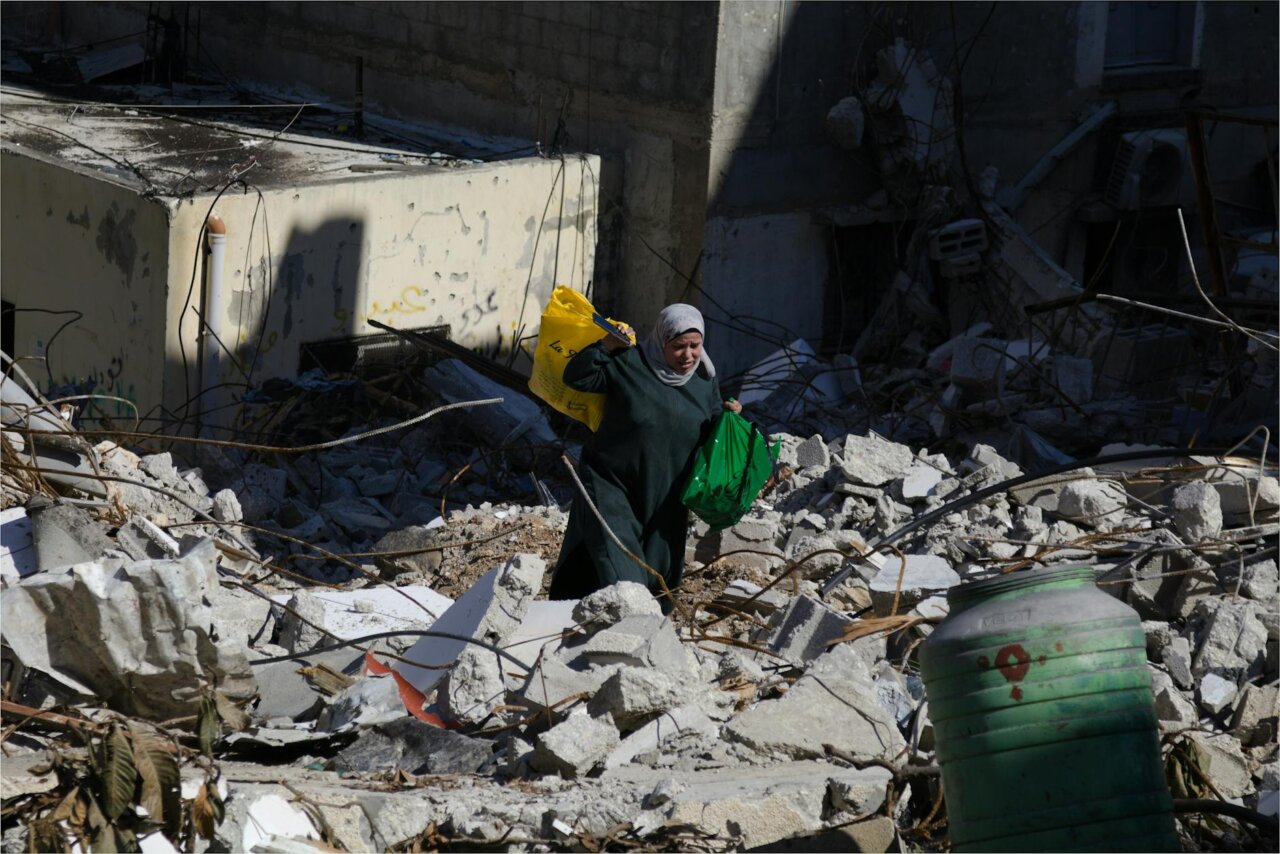
- Risks: Increased regional instability, potential for escalated conflicts, and civilian safety concerns.
- Opportunities: Growth in defense technology sectors, collaboration in international security initiatives, and advancements in drone countermeasures.
Ultimately, the impact of Hezbollah’s drones extends beyond immediate military concerns, influencing economic activities and geopolitical relations in the region. As stakeholders navigate this evolving landscape, both risks and opportunities will shape the future of regional security and business dynamics.
A: Hezbollah utilizes a variety of drones, including reconnaissance and combat drones, which are often sourced from allies like Iran. A: The introduction of drones has allowed Hezbollah to enhance its surveillance capabilities and conduct strikes with greater precision, altering traditional military strategies. A: Israel perceives Hezbollah’s drones as a significant threat, prompting increased military readiness and strategic adjustments in its defense posture. A: Primarily, Hezbollah’s drones are focused on external threats, but they may also be employed for surveillance within Lebanon to monitor opposition. A: The international community, particularly Western nations, condemns Hezbollah’s drone operations, viewing them as destabilizing actions that violate sovereignty.
Frequently Asked Questions About Hezbollah’s Drones
Key Insights and Future Outlook on Hezbollah’s Drone Strategy
The evolving capabilities of Hezbollah’s drone program signal a significant shift in the dynamics of regional security in the Middle East. As the group continues to enhance its technological prowess, the implications extend beyond immediate military confrontations, affecting geopolitical alliances, deterrence strategies, and the broader balance of power in the region. Observers must remain vigilant as these developments could reshape responses from both state and non-state actors.
Future scenarios may include increased drone deployments in asymmetric warfare, potential escalations in conflicts with Israel, and the possibility of Hezbollah leveraging its drone technology for intelligence gathering and surveillance. This evolving landscape necessitates a comprehensive understanding of the strategic implications of Hezbollah’s drone capabilities.
- Monitor regional responses: Watch for shifts in military strategies among neighboring countries, particularly Israel, as they adapt to Hezbollah’s drone advancements.
- Impact on deterrence: Assess how Hezbollah’s enhanced drone capabilities may alter deterrence equations within the region, potentially leading to heightened tensions.
- Technological proliferation: Consider the implications of Hezbollah’s drone technology on other non-state actors, which may inspire similar advancements elsewhere.
- International involvement: Observe how global powers may react to Hezbollah’s drone program, particularly in terms of arms sales and military support to regional allies.
- Cybersecurity concerns: Evaluate the potential cybersecurity threats posed by drone technology, as Hezbollah may seek to exploit vulnerabilities in adversaries’ defense systems.