
Notable figures in this movement include choreographers like JaQuel Knight and Charli D’Amelio, who have gained significant recognition for their viral routines. Knight, known for his work with Beyoncé, has choreographed dances that have amassed billions of views online, while D’Amelio, a former competitive dancer, has leveraged her skills to build a massive following. Their success highlights the growing importance of dance as a form of expression and entertainment in the digital age, emphasizing the need to explore how choreographers are reshaping this landscape.
The phenomenon gained momentum during the COVID-19 pandemic, when lockdowns prompted users to seek creative outlets from home. Dance challenges surged in popularity, with tracks like “Savage” by Megan Thee Stallion and “Renegade” by K CAMP becoming synonymous with viral choreography. This trend has not only provided a source of joy and connection for many but also opened doors for choreographers to collaborate with musicians and brands.
As the demand for engaging content continues to rise, brands are increasingly turning to choreographers to create unique marketing campaigns. This partnership allows choreographers to monetize their skills while enhancing brand visibility through relatable and shareable content. The intersection of dance and digital marketing underscores the evolving nature of entertainment and the significant role that choreographers play in shaping cultural moments, similar to how DJs have influenced music trends.
Understanding the evolution of dance in the digital age
The intersection of dance and technology has transformed the way we experience and share movement. Historically, dance has been a form of cultural expression, often tied to social rituals and community gatherings. However, with the advent of the internet and social media platforms, particularly TikTok, choreographers have found new avenues to showcase their work, leading to the emergence of viral dance routines that captivate global audiences.

The rise of platforms like YouTube in the early 2000s marked a significant turning point for dancers and choreographers. As videos became easily shareable, choreographers began to gain recognition outside traditional performance spaces. This democratization of dance allowed for diverse styles and voices to emerge, challenging the established norms of the dance industry and paving the way for a new generation of creators.
The role of social media in dance culture
Social media platforms have played a pivotal role in the proliferation of viral dance trends. The rapid spread of choreographed routines can be attributed to the ease of sharing content, where users can replicate and put their spin on popular dances. This phenomenon has not only elevated choreographers to the status of cultural icons but has also blurred the lines between professional and amateur dancers, creating a more inclusive dance community.
Additionally, the economic implications of this shift cannot be overlooked. Choreographers are now leveraging their online popularity to secure lucrative partnerships and sponsorships, turning their craft into a viable career. The demand for original choreography in advertising, music videos, and live performances has surged, reflecting a broader cultural shift that values creativity and innovation in the digital landscape.
As we continue to navigate this evolving landscape, it is essential to recognize the historical context of dance as an art form. From the early days of ballet to the rise of hip-hop and contemporary styles, dance has always adapted to the times. Today, choreographers are not just artists; they are influencers shaping trends and driving the cultural conversation in ways previously unimaginable.
Key players and their impact on the dance community
The rise of viral dance routines has transformed the landscape of dance, positioning choreographers as pivotal figures in this cultural phenomenon. Traditionally, DJs have been the architects of popular music culture, but now choreographers are gaining similar recognition for their ability to create engaging and shareable dance content. This shift has led to a new dynamic in the dance community, with various stakeholders influencing and shaping the industry.
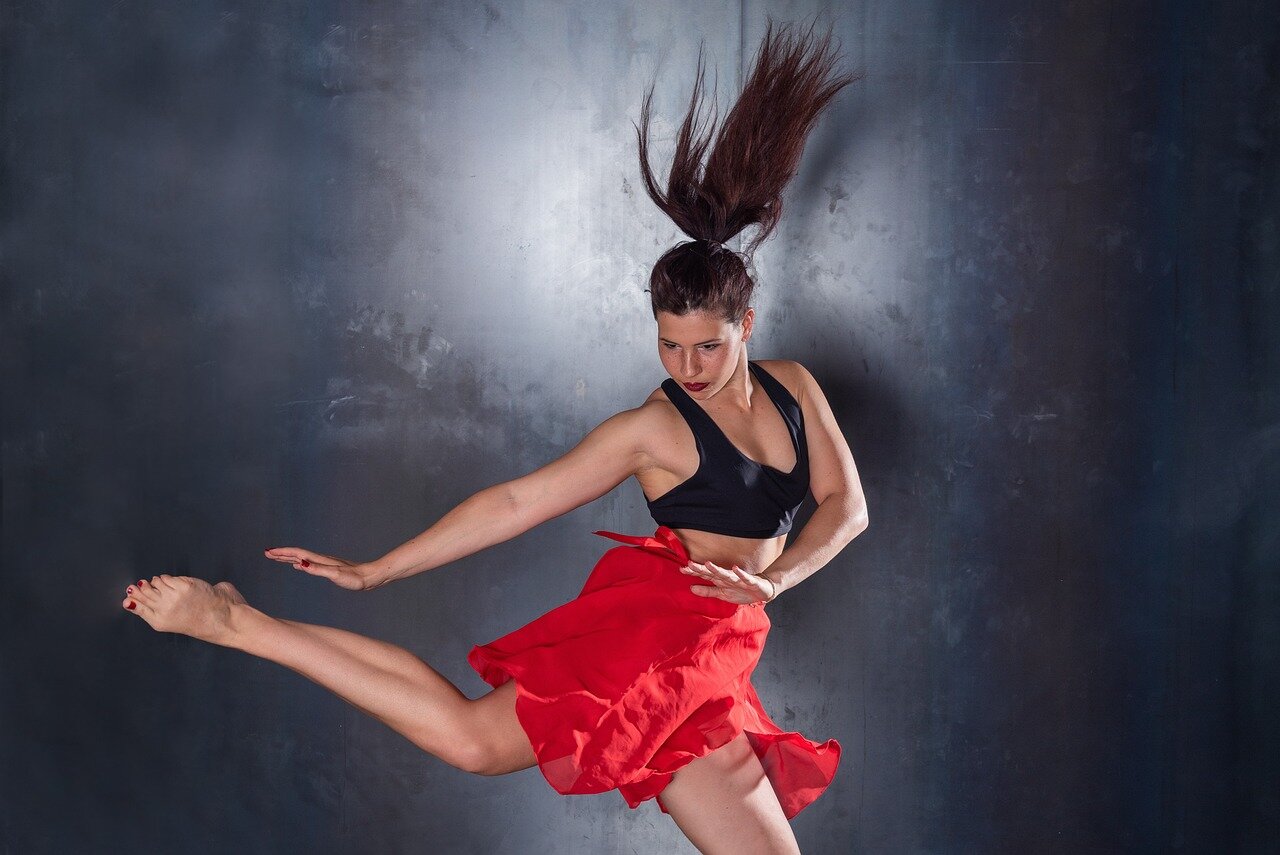
Among the key players are choreographers themselves, who often seek to establish their unique styles and gain visibility through social media platforms like TikTok and Instagram. Their primary interest lies in creating captivating routines that can go viral, thereby enhancing their personal brand and career opportunities. As they gain popularity, they also attract partnerships with brands and music artists, further solidifying their role in the music and entertainment industries.
Additionally, social media platforms play a crucial role in the dissemination of these dance routines. Companies like TikTok and Instagram benefit from user-generated content that keeps their platforms engaging and relevant. However, they also face challenges regarding copyright and intellectual property rights, as choreographers and dancers navigate the complexities of sharing their work online. The balance between exposure and ownership remains a contentious issue.
Another significant actor in this ecosystem is the music industry, particularly record labels and artists. They recognize the power of viral dance trends to boost song popularity and sales. However, this can lead to conflicts over rights and compensation, as choreographers often create routines that propel songs into the spotlight without formal agreements in place. This raises questions about fair recognition and remuneration for choreographers’ contributions.
- Choreographers: Seeking visibility and opportunities through viral content.
- Social Media Platforms: Balancing user engagement with copyright concerns.
- Music Industry: Leveraging viral trends for commercial success while navigating rights issues.
- Fans and Viewers: Influencing trends and demanding more diverse content.
How viral dance routines are changing entertainment
The rise of viral dance routines has significantly impacted various groups, particularly choreographers, dancers, and the broader entertainment industry. Choreographers are increasingly viewed as cultural influencers, akin to DJs who curate music experiences. This shift not only elevates their status but also reshapes the way audiences engage with dance and music.
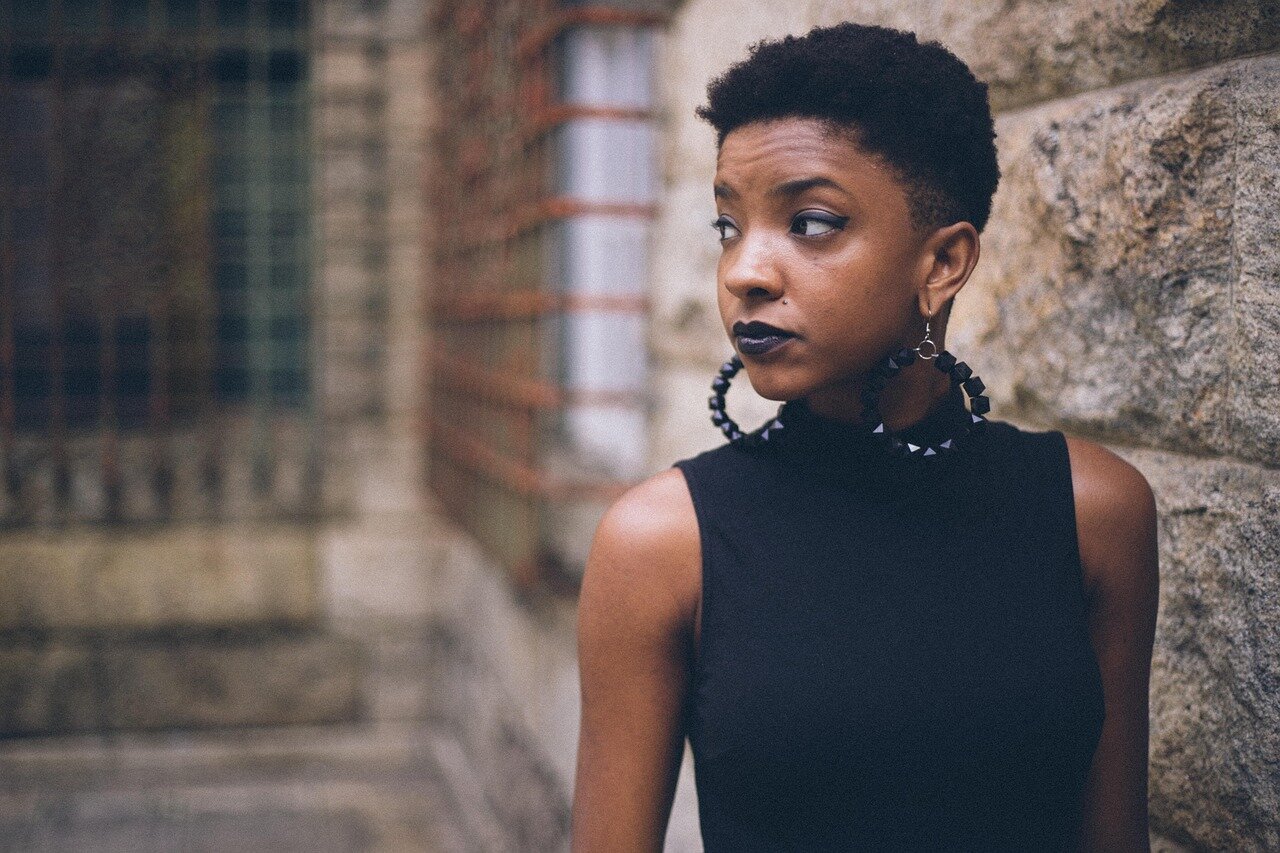
In the short term, social media platforms like TikTok and Instagram are providing new avenues for choreographers to showcase their work, leading to immediate visibility and potential financial rewards. As these platforms prioritize engaging content, dance routines that go viral can result in sponsorship deals, brand collaborations, and increased demand for live performances. This surge in popularity can also lead to a greater appreciation for dance as a legitimate art form.
However, there are risks associated with this trend. The fast-paced nature of viral content can lead to a saturation of similar dance routines, making it challenging for individual choreographers to stand out. Additionally, the pressure to create viral content may compromise artistic integrity, pushing choreographers to prioritize trends over originality.
- Opportunities: Increased visibility for choreographers and dancers.
- Opportunities: New revenue streams through brand partnerships.
- Risks: Market saturation and loss of uniqueness.
- Risks: Pressure to conform to trends at the expense of creativity.
In the mid-term, this trend could influence educational institutions, prompting dance programs to adapt their curricula to include social media strategy and viral marketing. Choreographers may need to develop skills not only in dance but also in digital content creation and audience engagement. As the industry evolves, policies surrounding copyright and intellectual property may also come under scrutiny, as the line between inspiration and imitation blurs.
A: Choreographers have leveraged social media platforms to showcase their work, creating engaging routines that resonate with audiences. Their ability to blend creativity with viral trends has made them pivotal in shaping dance culture. A: Social media platforms like TikTok and Instagram allow choreographers to reach wider audiences quickly. These platforms facilitate the sharing of dance challenges, enabling routines to go viral and gain popularity almost overnight. A: Yes, several choreographers have gained fame through viral routines, such as Matt Steffanina and Jalaiah Harmon. Their innovative styles and engaging performances have attracted millions of followers. A: Aspiring dancers can start by learning popular routines, creating their own choreography, and sharing it on social media. Engaging with existing trends and collaborating with other dancers can also help gain visibility. A: Viral dance routines often boost the popularity of songs, leading to increased streams and sales. Artists frequently collaborate with choreographers to create dances that enhance their music’s reach.
Frequently asked questions about viral dance routines
Future trends in choreography and viral dance
The intersection of choreography and social media has transformed how dance is created and consumed. As choreographers gain recognition akin to DJs, their ability to craft viral routines will likely shape popular culture and influence various industries, from advertising to fitness. This evolution presents unique opportunities and challenges, highlighting the need for choreographers to adapt their skills to a digital landscape that prioritizes shareability and engagement.
As audiences increasingly seek interactive and immersive experiences, the role of choreography will extend beyond performance, becoming a vital component of digital content creation. The potential for choreographers to collaborate with brands and influencers will grow, leading to innovative partnerships that redefine traditional dance narratives.
- Embrace digital platforms: Choreographers should leverage social media to showcase their work, engage with audiences, and build personal brands.
- Focus on collaboration: Opportunities for partnerships with musicians, influencers, and brands can enhance visibility and reach.
- Adapt to audience preferences: Understanding what resonates with viewers will be crucial for creating viral content that captures attention.
- Explore diverse styles: Blending different dance styles can lead to unique routines that appeal to a broader audience.
- Prioritize accessibility: Ensuring routines are easy to learn and replicate can increase participation and sharing among viewers.