
Notable examples include the viral success of choreographed dances for songs like “Savage” by Megan Thee Stallion and “Renegade” by Jalaiah Harmon, which have garnered millions of views and inspired countless recreations. These trends highlight the power of choreography in shaping online culture and connecting communities through shared movement. For a deeper dive into the intersection of technology and dance, check out our article on Tiler Peck’s new ballet challenges. The rapid spread of these routines underscores the importance of choreography in contemporary entertainment.
As of 2023, many choreographers are leveraging their newfound visibility to expand their careers beyond traditional dance roles. They are collaborating with musicians, participating in advertising campaigns, and even launching their own dance studios. This evolution reflects a broader recognition of choreography as a vital art form that bridges music, performance, and digital media.
The rise of choreographers in the digital landscape raises questions about ownership and credit in the creative process. Many viral dances originate from collaborative efforts, yet individual choreographers often seek acknowledgment for their contributions. This ongoing dialogue emphasizes the need for fair practices in the recognition of artistic work within the fast-paced world of social media.
The evolution of dance in the digital age
The intersection of dance and technology has transformed the way we experience and share movement. Historically, dance has served as a form of expression, cultural storytelling, and social connection. However, with the advent of the internet and social media platforms, the landscape of dance has undergone a significant shift, giving rise to the phenomenon of viral dance routines that captivate audiences worldwide.
In the early 2000s, platforms like YouTube began to democratize dance, allowing anyone with a camera to showcase their choreography. This shift was pivotal, as it enabled choreographers to gain visibility outside traditional performance spaces. Viral challenges, such as the “Harlem Shake” and “Gangnam Style,” marked the beginning of dance routines becoming integral to online culture, with millions of users participating and sharing their interpretations. To explore how this democratization extends beyond dance, read our piece on Powerful A.I. Super PACs.
The role of social media
Social media platforms, particularly TikTok, have further accelerated this trend. TikTok’s algorithm rewards creativity and engagement, allowing choreographers to reach vast audiences quickly. The platform has become a breeding ground for new dance trends, with users often replicating and innovating upon routines created by others. This collaborative environment has blurred the lines between choreographer and dancer, making anyone with a smartphone a potential creator.
Moreover, the economic implications of this shift are profound. Choreographers are now able to monetize their work through sponsorships, merchandise, and online classes, creating new career pathways that were previously unavailable. This evolution not only highlights the importance of dance in popular culture but also emphasizes the changing nature of artistic ownership and the value of creativity in the digital landscape.
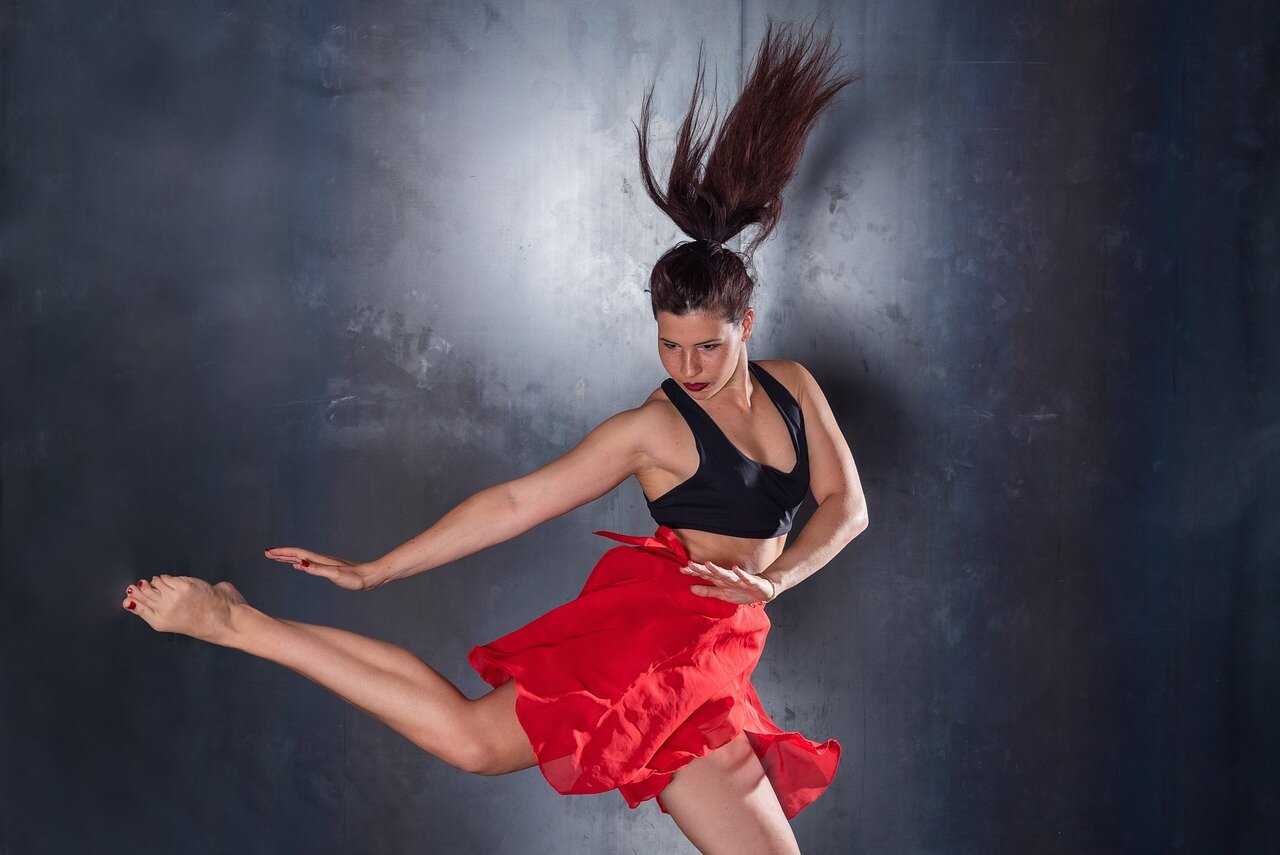
As the art of dance continues to evolve in this digital age, it is clear that choreographers are emerging as the new DJs, curating experiences that resonate with audiences across the globe. This transformation reflects broader societal changes, where creativity and collaboration are increasingly celebrated, and the barriers to entry for artistic expression continue to diminish.
Key players and the dynamics of the dance industry
The rise of viral dance routines has transformed the landscape of performance art, with choreographers emerging as pivotal figures in this evolution. Traditionally overshadowed by music producers and DJs, choreographers are now gaining recognition for their creative contributions to popular culture. This shift has attracted the attention of various stakeholders, including dancers, music artists, social media platforms, and even brands looking to capitalize on viral trends.
At the forefront are choreographers who seek to establish their unique styles and gain visibility through platforms like TikTok and Instagram. These platforms serve as both a stage and a marketplace, enabling choreographers to showcase their work to a global audience. However, this visibility comes with challenges, as the rapid pace of trends often leads to the commodification of dance, where originality can be overshadowed by imitation.
Another significant player in this space is the music industry, where artists and record labels are increasingly collaborating with choreographers to create memorable dance routines that enhance their music videos and performances. This collaboration can be mutually beneficial, but it also raises questions about ownership and intellectual property rights. Choreographers may find themselves navigating complex legal landscapes to protect their creative works from unauthorized use.
- Intellectual Property Issues: Choreographers must consider how to safeguard their routines from being copied or misappropriated.
- Economic Trade-offs: While viral success can lead to financial opportunities, it may also require choreographers to sacrifice control over their work.
- Social Media Dynamics: The algorithms of platforms like TikTok can favor certain styles or trends, impacting which choreographers gain prominence.
- Brand Collaborations: Companies are increasingly looking to partner with choreographers for marketing campaigns, raising questions about authenticity.
- Community Impact: The rise of choreographers as influencers can create both opportunities and challenges within the dance community itself.
As the dance industry continues to evolve, the interplay between these stakeholders will shape the future of choreography and its role in popular culture. Understanding these dynamics is essential for appreciating the broader implications of viral dance routines beyond mere entertainment, especially in light of discussions around ownership and intellectual property, similar to those seen in the recent controversies involving Maxime Saada.
How viral dance routines influence popular culture and social media
The rise of viral dance routines has significantly impacted various groups, particularly choreographers, dancers, and content creators. These individuals are now at the forefront of a cultural shift, where their creativity can lead to widespread recognition and new career opportunities. As social media platforms prioritize video content, the demand for engaging dance routines has increased, making choreographers the new influencers in the digital landscape.
Industries such as entertainment, fashion, and advertising are also feeling the effects. Brands are leveraging viral dance trends to promote products, often collaborating with choreographers to create catchy routines that resonate with audiences. This collaboration can lead to increased visibility and sales, but it also raises questions about the authenticity of content and the potential for exploitation of creative talent.
In the short term, the impact on daily life includes a surge in participation in dance challenges, fostering a sense of community and connection among users. People of all ages are engaging in these trends, leading to a more active lifestyle and the democratization of dance as an art form. However, the mid-term effects may include a saturation of content, where originality is overshadowed by repetitive trends, potentially leading to burnout among creators.
- Opportunities: Increased visibility for choreographers and dancers, new revenue streams through brand partnerships, and the democratization of dance.
- Risks: Potential exploitation of creative talent, content saturation leading to diminished engagement, and the challenge of maintaining originality.
Regions with a strong presence on platforms like TikTok and Instagram are particularly affected, as these areas become hubs for viral dance movements. This geographic concentration can lead to localized trends but may also marginalize artists from less connected regions. As the phenomenon continues to evolve, the long-term implications for cultural expression and the creative economy will be closely watched.
A: A dance routine often goes viral due to its catchy music, unique choreography, and the ability to be easily replicated by others. Social media platforms play a significant role in amplifying these trends. A: Choreographers promote their work through social media, collaborations with influencers, and by participating in dance challenges. Engaging with audiences directly helps build a following. A: Yes, many choreographers monetize their work through sponsorships, teaching classes, and creating content for platforms like TikTok and Instagram. The demand for original choreography is increasing. A: Successful choreographers need strong dance skills, creativity, and an understanding of current trends. They also benefit from networking and marketing skills to promote their routines.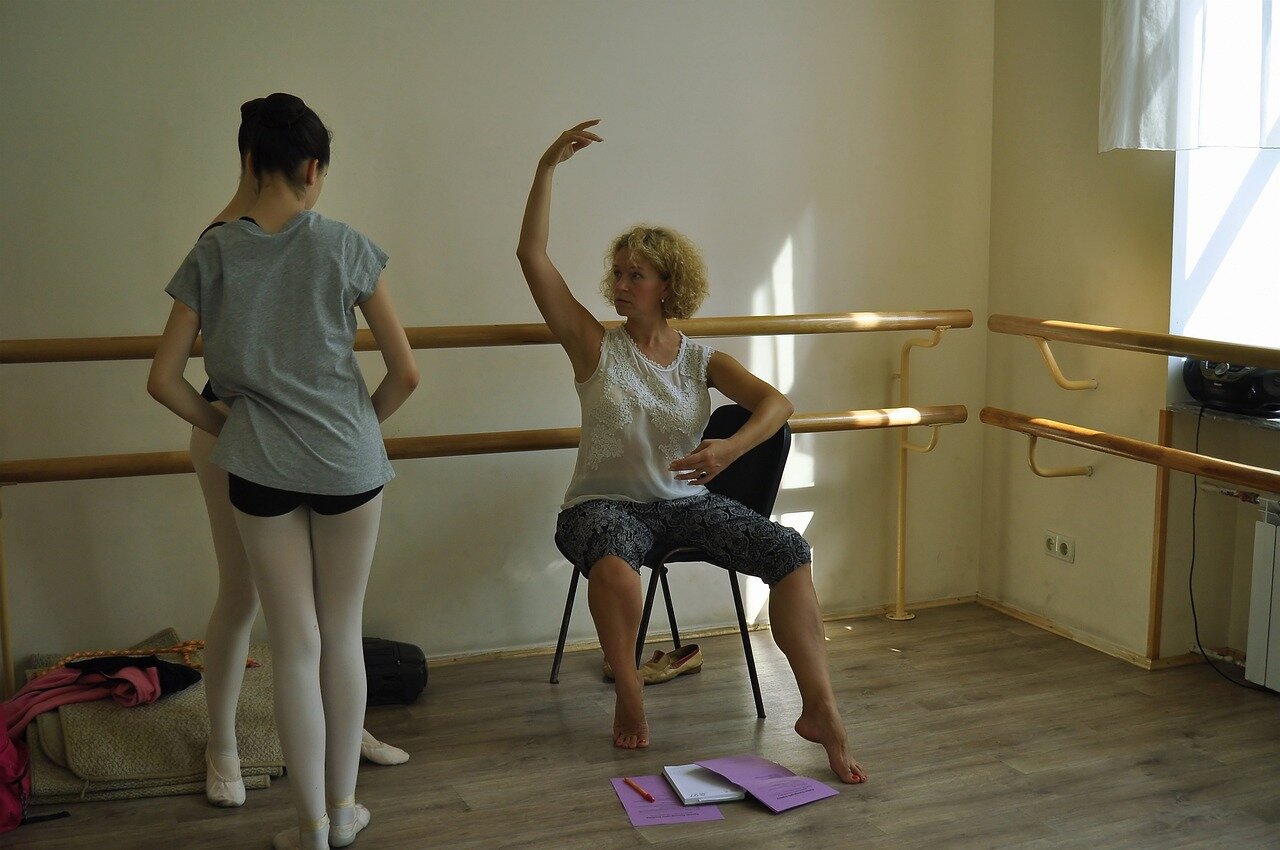
Frequently asked questions about viral dance routines
The future of choreographers in the digital dance landscape
The rise of viral dance routines has transformed the role of choreographers, positioning them as pivotal figures in the digital entertainment ecosystem. As social media platforms continue to amplify dance trends, choreographers are not only creators but also influencers who shape popular culture. This shift underscores the necessity for choreographers to adapt their artistry to engage with a global audience, harnessing technology to enhance their reach and impact.
Looking ahead, the synergy between choreography and digital platforms is likely to grow, presenting both challenges and opportunities. As choreographers navigate this evolving landscape, their ability to innovate and connect with audiences will be crucial for sustaining their relevance and influence in the world of dance.
- Choreographers should leverage social media to build personal brands and showcase their work, creating a direct connection with fans.
- Collaborations with musicians and other artists can enhance the visibility of choreographed routines, leading to greater viral potential.
- Understanding trends in digital content consumption will allow choreographers to tailor their routines for maximum engagement.
- Investing in skills related to video production and editing can significantly enhance the presentation of dance routines online.
- Keeping an eye on emerging platforms and technologies will provide new avenues for choreographers to explore and innovate their craft.