
According to the Pollution Control Department, air quality in Chiang Mai has consistently ranked among the worst in Thailand, especially during the dry season. As of mid-March 2023, PM2.5 levels have reached alarming figures, often surpassing 100 micrograms per cubic meter, which is well above the World Health Organization’s recommended limit of 25 micrograms.
Local health officials have noted a correlation between the spike in air pollution and the increase in nosebleeds, particularly in children who are more susceptible to the effects of poor air quality. Many parents have expressed their fears, with one mother stating, “My six-year-old has had multiple nosebleeds this month alone, and it’s worrying to see how this is affecting her health.” Concern over these health issues has sparked community advocacy for cleaner air.
The situation has prompted calls for urgent action from both local authorities and the government to address the pollution crisis. Measures such as controlling agricultural burning and promoting cleaner transportation options are being discussed as potential solutions to mitigate the health risks posed by the deteriorating air quality in the region.
Understanding the air pollution crisis in Chiang Mai
Chiang Mai, a city nestled in northern Thailand, has long been celebrated for its rich cultural heritage and stunning natural landscapes. However, in recent years, it has also gained notoriety for its alarming levels of air pollution, particularly during the dry season. This period, which typically runs from February to April, sees a significant rise in particulate matter in the air, leading to serious health concerns for residents, including alarming cases of nosebleeds among children.
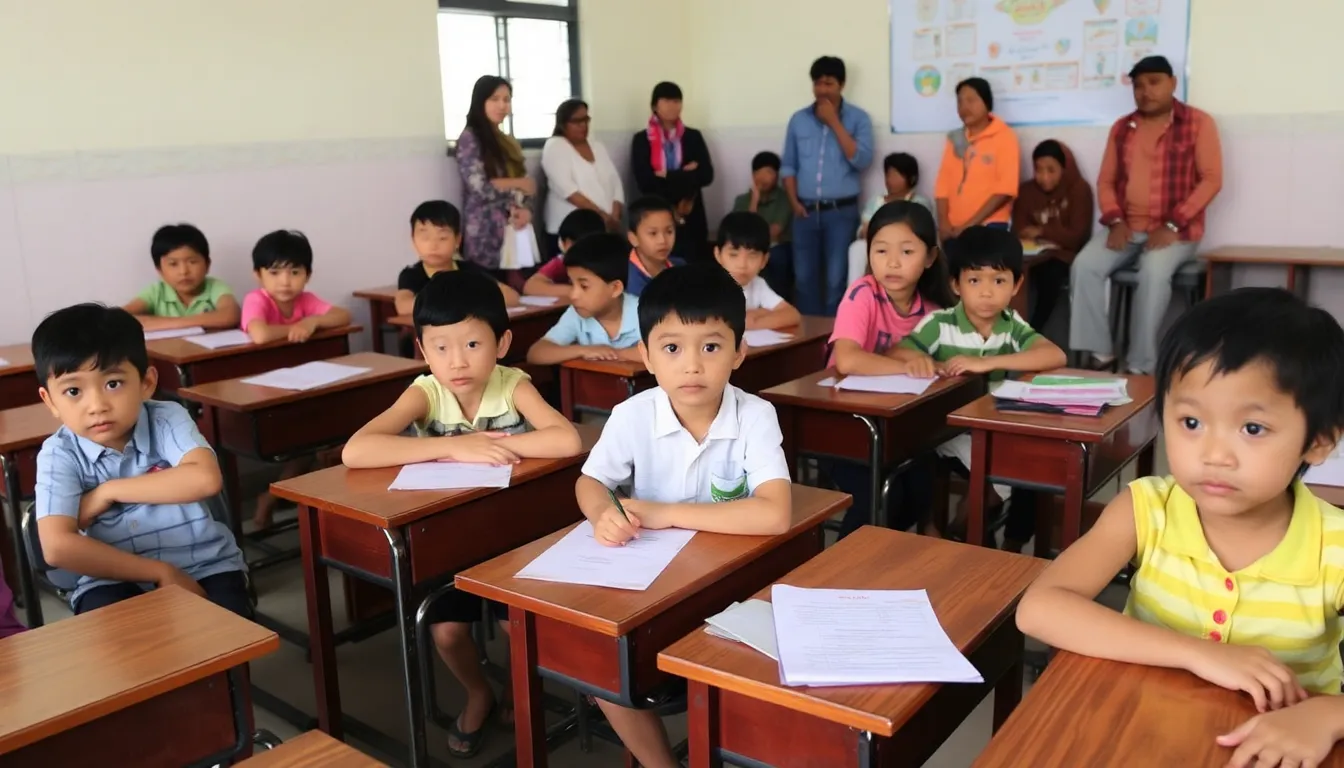
The roots of Chiang Mai’s air pollution crisis can be traced back to a combination of agricultural practices, urbanization, and climatic factors. Farmers in the surrounding areas often engage in slash-and-burn techniques to clear land for cultivation, which releases vast amounts of smoke and particulate matter into the atmosphere. This practice, coupled with the city’s growing population and increasing vehicular emissions, has exacerbated the air quality issues, creating a perfect storm for respiratory problems and other health complications.
Key milestones in the air quality crisis
In 2019, Chiang Mai was ranked as one of the most polluted cities in the world, a position it has repeatedly held in subsequent years. This alarming trend prompted local and national authorities to take action, yet efforts have often been hampered by political and economic challenges. Initiatives aimed at improving air quality, such as stricter regulations on burning practices and investments in public transportation, have faced resistance due to concerns over economic impact and the livelihoods of farmers reliant on traditional practices.
Moreover, the COVID-19 pandemic brought temporary relief to air quality levels as lockdown measures reduced vehicular traffic and industrial activity. However, as restrictions eased, pollution levels surged once again, highlighting the urgent need for sustainable solutions. Public awareness campaigns have emerged, urging citizens to advocate for cleaner air and better health policies, but the path forward remains fraught with challenges.
As the situation continues to evolve, the health implications for residents, especially vulnerable populations such as children and the elderly, remain a pressing concern. The increasing frequency of health issues linked to air pollution underscores the need for a comprehensive approach that balances economic growth with environmental sustainability and public health protection.
Key stakeholders and health implications of air quality
The ongoing air pollution crisis in Chiang Mai has drawn attention from various stakeholders, each with distinct interests and concerns. Key actors include local residents, health professionals, government agencies, and environmental organizations. Their collective response to the air quality issues reveals a complex web of interactions and conflicts.
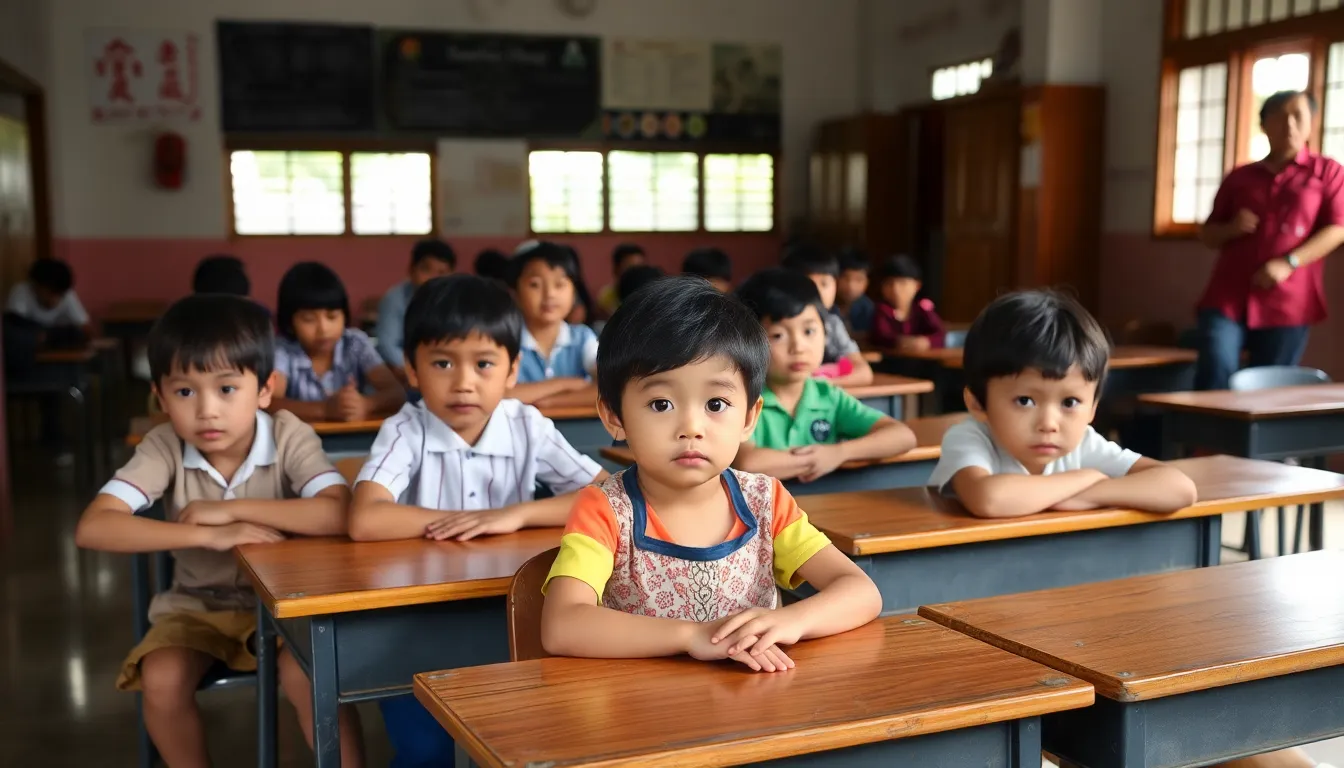
Local residents, particularly families with young children, are at the forefront of the health implications associated with air pollution. Many parents express anxiety over the health risks posed to their children, as evidenced by reports of increased incidents of nosebleeds and respiratory issues. This concern drives community advocacy for cleaner air and better health outcomes.
Health professionals and researchers are also significant stakeholders, focused on understanding the short- and long-term health impacts of poor air quality. They advocate for more comprehensive studies and data collection to inform public health policies. Their findings often emphasize the need for immediate action to mitigate health risks, which can sometimes conflict with economic interests.
- Government agencies: tasked with regulating air quality, balancing economic development and public health.
- Environmental organizations: push for sustainable practices and policies to reduce pollution sources.
- Local businesses: may face economic trade-offs between adhering to environmental regulations and maintaining profitability.
- Community groups: advocate for transparency and accountability in air quality management.
The interplay between these stakeholders often leads to conflicts, particularly when economic interests are perceived to overshadow public health concerns. For instance, the push for tourism and industrial growth in Chiang Mai can lead to increased emissions, exacerbating air quality issues. This situation creates a challenging environment for policymakers who must navigate competing interests while ensuring the health and safety of the population.
How air pollution affects families and local communities
The air pollution crisis in Chiang Mai has a profound impact on various groups, particularly families with young children, the elderly, and individuals with pre-existing health conditions. Parents are increasingly concerned about the health risks associated with poor air quality, especially as children are more vulnerable to respiratory issues. This heightened awareness has led to rising anxiety among families, as many report frequent nosebleeds and other health problems linked to pollution.
Local businesses, especially those in the tourism and hospitality sectors, are feeling the effects of declining air quality. Tourists are less inclined to visit when air pollution levels are high, leading to reduced foot traffic and lower revenue for hotels, restaurants, and attractions. Additionally, schools are facing challenges as they must adapt to the changing health landscape, with increased absenteeism among students and staff due to pollution-related health issues.

In the short term, the immediate impacts on daily life include increased healthcare visits and a surge in demand for air purifiers and masks. Families may also find themselves altering daily routines, such as limiting outdoor activities or seeking refuge in cleaner indoor environments. Mid-term consequences could see local governments implementing stricter air quality regulations and policies aimed at reducing emissions, which could reshape urban planning and transportation systems.
- Increased health risks for vulnerable populations
- Economic strain on local businesses, particularly in tourism
- Changes in daily routines and lifestyle adjustments for families
- Potential policy shifts towards stricter environmental regulations
- Opportunities for businesses in health and wellness sectors
While the situation poses significant risks, it also opens doors for innovation and investment in clean technology and sustainable practices. Businesses that focus on health and environmental solutions may find new markets, and community initiatives aimed at improving air quality could foster a sense of unity among residents. As awareness grows, there is potential for collaborative efforts to tackle the pollution crisis, benefiting both public health and local economies.
A: The primary causes include agricultural burning, vehicle emissions, and industrial activities. These factors contribute significantly to the deterioration of air quality in the region. A: Parents can limit outdoor activities during high pollution days, use air purifiers indoors, and ensure children wear masks when necessary. Staying informed about air quality levels is also crucial. A: Yes, prolonged exposure can lead to respiratory issues, cardiovascular diseases, and other serious health problems. Children are particularly vulnerable due to their developing systems. A: Local authorities are implementing stricter regulations on burning practices, promoting public transport, and increasing green spaces to mitigate pollution levels. A: Children may experience more frequent respiratory infections, asthma, and other health issues due to their smaller airways and higher breathing rates compared to adults.
Frequently asked questions about air pollution and health
Future outlook on air quality and health in Chiang Mai
The ongoing air pollution crisis in Chiang Mai raises significant health concerns, particularly for vulnerable populations such as children. As residents navigate the challenges posed by deteriorating air quality, understanding the implications for health and well-being becomes increasingly crucial. The rise in respiratory issues, including frequent nosebleeds among children, signals an urgent need for community awareness and proactive measures.
Looking ahead, it is essential for families and local authorities to remain vigilant about air quality levels and explore strategies to mitigate health risks. This situation underscores the importance of both individual actions and collective responses to improve air quality and protect public health.
- Monitor daily air quality indices and limit outdoor activities during high pollution days.
- Encourage the use of air purifiers indoors to reduce exposure to harmful particles.
- Advocate for community initiatives aimed at reducing emissions and promoting cleaner air practices.
- Stay informed about local health resources and support systems for families affected by air pollution.
- Engage in discussions with local officials to emphasize the need for sustainable environmental policies.