
The bushfire season in Australia has been particularly severe this year, with over 100 active fires reported as of mid-October 2023. These fires have been exacerbated by prolonged drought conditions and strong winds, creating a perfect storm for the spread of smoke and ash into the atmosphere. As a result, the skies have taken on a surreal appearance, leading to both awe and alarm among residents.
Experts warn that the blood red skies are not just a visual spectacle; they signal deeper environmental issues, similar to those explored in Understanding the Betrayal Felt by College Graduates. The increase in bushfire intensity is linked to climate change, which has made Australia more susceptible to extreme weather events.
Social media platforms have been flooded with images and videos of the crimson skies, prompting discussions about the implications for public health and safety. Authorities have urged residents to stay indoors, as the smoke can exacerbate respiratory issues and pose risks to vulnerable populations. The situation underscores the importance of community awareness and preparedness in the face of natural disasters.
Understanding the environmental factors leading to this phenomenon
The recent phenomenon of the Australian sky turning a striking blood red is rooted in a combination of environmental and climatic factors that have evolved over the years. This unsettling visual spectacle can primarily be attributed to the increasing frequency and intensity of bushfires, exacerbated by climate change, which have become a significant part of Australia’s environmental landscape. These fires release vast amounts of smoke and particulates into the atmosphere, scattering sunlight and creating the eerie red hues that have captivated and alarmed observers.
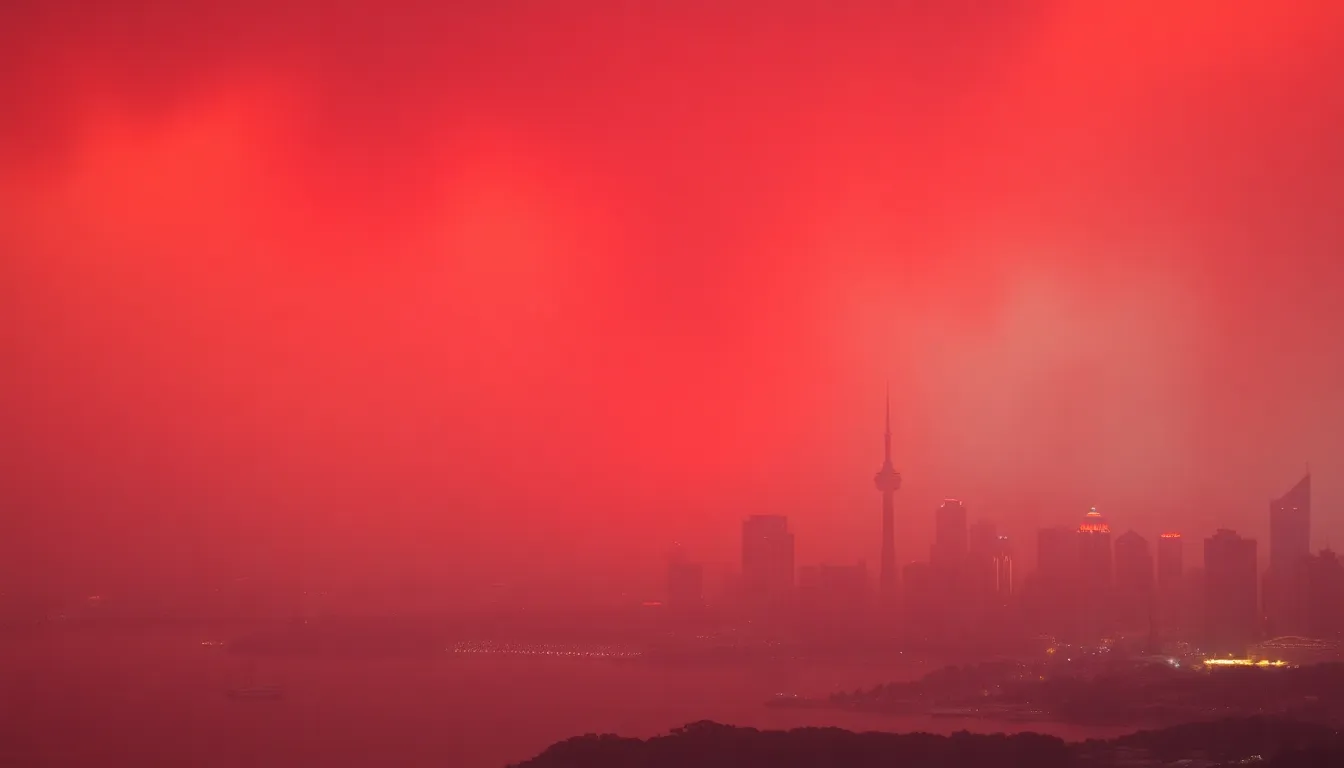
Historically, Australia has faced challenges with wildfires, but the scale and destructiveness of these events have escalated dramatically in recent years, as seen in the recent weather patterns affecting the region. The 2019-2020 bushfire season, often referred to as “Black Summer,” was one of the worst in Australian history.
Climate Change and Its Impact
Climate change plays a pivotal role in the increasing severity of bushfires in Australia. Rising temperatures, prolonged droughts, and changing rainfall patterns have created ideal conditions for fires to ignite and spread. The Australian government and various organizations have recognized the need for a comprehensive approach to climate policy, yet debates continue over the balance between economic growth and environmental responsibility. As the nation grapples with these challenges, the blood-red skies serve as a stark reminder of the urgent need for action.
Furthermore, the socio-political landscape surrounding environmental policies has also influenced the management of fire risks. Public awareness and activism have surged in response to the visible impacts of climate change, prompting calls for stronger regulations and sustainable practices. However, political divisions often hinder progress, with some factions prioritizing economic interests over environmental stewardship. This ongoing struggle underscores the complexity of addressing such an urgent issue, as the repercussions of inaction become increasingly visible in the skies above.
Key stakeholders and their perspectives on the blood red sky
The recent phenomenon of the Australian sky turning a striking blood red has captured the attention of various stakeholders, each with distinct interests and concerns. These stakeholders include environmental scientists, local communities, government agencies, and media organizations, all of whom play a crucial role in understanding and responding to this unusual event.
Environmental scientists are particularly focused on the causes behind the dramatic color change, which is often linked to bushfire smoke, atmospheric conditions, and climate change. Their interest lies in studying the implications of such events on air quality and public health. They aim to provide data and insights that could help mitigate future occurrences and inform policy decisions.
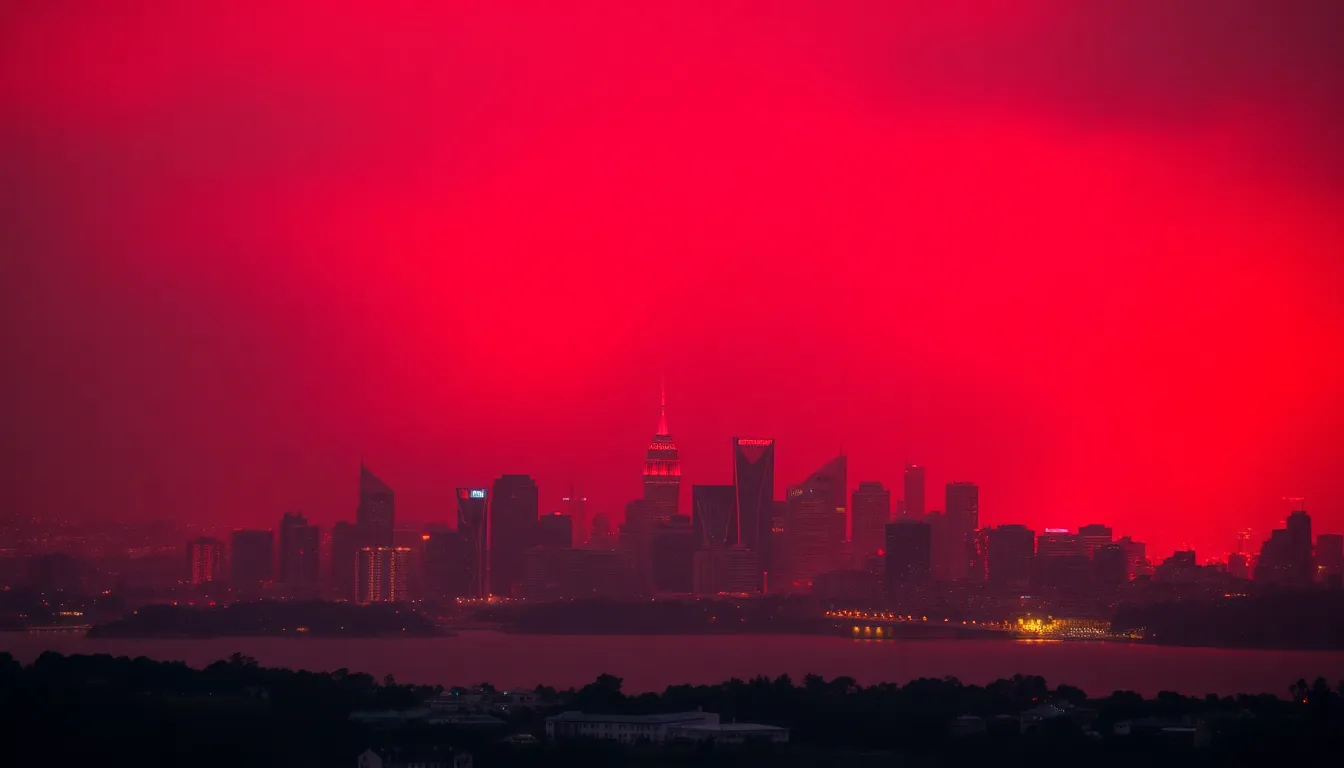
Local communities, especially those affected by the recent bushfires, are grappling with the immediate impacts on their health and well-being. The eerie red sky serves as a constant reminder of the ongoing environmental challenges they face. Community members are concerned about the psychological effects of such phenomena and the potential for increased respiratory issues due to poor air quality.
Government agencies are tasked with managing the response to both the environmental crisis and its aftermath, while also learning from other regions, such as those facing issues highlighted in Woman with agonising condition seeks to give back. They must balance the need for immediate action with long-term strategies aimed at reducing the frequency and severity of such events.
- Environmental Impact: The blood red sky raises questions about climate change and its effects on natural disasters.
- Public Health Concerns: Increased respiratory issues and mental health impacts on local communities.
- Government Response: The need for effective communication and resource allocation during crises.
- Media Representation: The role of media in shaping public perception and awareness of environmental issues.
In summary, the blood red sky phenomenon serves as a focal point for various stakeholders, highlighting the complex interplay between environmental science, public health, government policy, and media coverage. Each group has a vested interest in understanding the implications of this event, ultimately shaping the broader discourse on climate change and environmental sustainability in Australia.
The effects on local communities and ecosystems
The recent phenomenon of the Australian sky turning a deep blood red has left many communities and industries grappling with its immediate and long-term effects. The visual spectacle, while striking, is a symptom of underlying environmental issues, primarily linked to wildfires and climate change, which have far-reaching implications for both people and the ecosystem.
Local communities, particularly those in rural and bushfire-prone areas, are directly affected. Residents face heightened health risks due to smoke inhalation and air quality deterioration. Vulnerable populations, such as the elderly and those with pre-existing conditions, may experience increased hospital visits and health complications. Additionally, the psychological impact of witnessing such an apocalyptic scene can lead to anxiety and stress among residents.
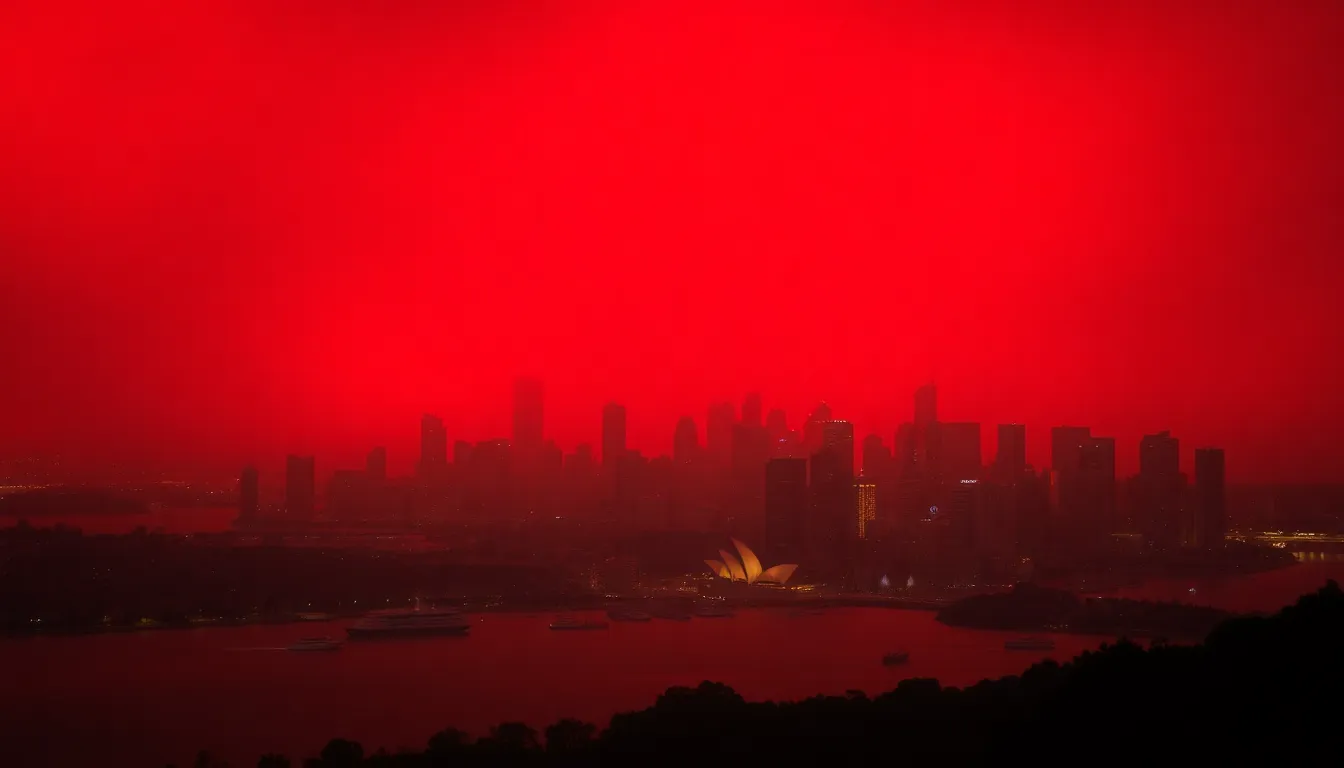
Industries dependent on natural resources, like agriculture and tourism, are also feeling the pressure. Farmers may experience crop damage and reduced yields due to changing weather patterns and increased fire risks. The tourism sector, which relies on Australia’s natural beauty, might see a short-term decline as potential visitors may be deterred by safety concerns and the altered landscape. However, there are potential opportunities for eco-tourism focused on environmental recovery efforts.
- Health Risks: Increased respiratory issues and mental health concerns.
- Agricultural Impact: Crop losses and reduced productivity.
- Tourism Decline: Decreased visitor numbers affecting local economies.
- Policy Changes: Potential for new environmental regulations and funding for climate resilience.
In the mid-term, the effects may prompt a shift in policy as governments and organizations recognize the need for enhanced climate action. This could lead to increased funding for sustainable practices and disaster preparedness initiatives. While risks abound, there is also the potential for innovation in green technologies and infrastructure aimed at mitigating future environmental crises.
A: The blood red sky is primarily attributed to smoke from bushfires and atmospheric conditions that scatter light, creating the eerie appearance. A: While the sight itself is not directly harmful, it indicates poor air quality due to smoke, which can pose health risks to individuals, especially those with respiratory issues. A: The duration of the blood red sky depends on weather conditions and the intensity of the fires; it may persist until the fires are controlled and weather patterns change. A: Yes, similar occurrences have been documented in the past, often linked to significant wildfires or volcanic eruptions affecting air quality and light scattering. A: It is advisable to stay indoors, keep windows closed, and use air purifiers if available to minimize exposure to smoke and poor air quality.
Frequently asked questions about the blood red sky
Key takeaways and future outlook on this phenomenon
The striking imagery of an apocalyptic blood-red sky over Australia serves as a stark reminder of the intricate relationship between climate change, environmental factors, and human activity. This phenomenon, while visually captivating, underscores the pressing need for awareness and action regarding environmental degradation and its implications for public health and safety. As we move forward, it is essential to consider the broader context of such events and their potential recurrence in the future.
Monitoring air quality and weather patterns will be crucial in understanding the long-term effects of these atmospheric changes. Furthermore, community preparedness and resilience strategies will play a significant role in mitigating the impact of similar occurrences, ensuring that both individuals and local authorities are equipped to respond effectively.
- Increased awareness: The event highlights the need for public education on the impacts of climate change and air quality.
- Health implications: Potential rise in respiratory issues may necessitate improved healthcare responses during such environmental events.
- Policy implications: Governments may need to reevaluate environmental policies to address the underlying causes of such phenomena.
- Community resilience: Local communities should develop action plans to prepare for future atmospheric disturbances.
- Scientific monitoring: Enhanced research into atmospheric conditions will be vital for predicting and understanding these occurrences.