
Recently, reports indicate that both Ukrainian and Russian military units have operated within and around the Exclusion Zone. The presence of troops raises significant risks, including the possibility of accidents involving radioactive materials, as well as the disruption of ongoing monitoring efforts by international agencies. The International Atomic Energy Agency (IAEA) has expressed concerns over the security of nuclear facilities in the area, emphasizing the need for immediate attention to safeguard against potential incidents.
In addition to military activities, the region has faced challenges related to environmental degradation. The ongoing war has hindered cleanup and containment efforts that are crucial for managing radioactive waste and preventing further ecological damage. Experts warn that neglecting these issues could lead to long-term health risks for both local populations and ecosystems far beyond the borders of Ukraine, as discussed in related articles.
The 40th anniversary of the Chernobyl disaster serves as a grim reminder of the vulnerabilities that persist in the face of geopolitical conflict. As the world reflects on the lessons learned from the past, the current situation underscores the urgent need for international cooperation to ensure the safety and security of nuclear sites, particularly in conflict zones. The stakes are high, and the implications of inaction could reverberate for generations to come.
Historical background of the Chernobyl disaster
The Chernobyl disaster, which occurred on April 26, 1986, remains one of the most catastrophic nuclear accidents in history. Located near the town of Pripyat in the then-Soviet Union, the disaster was the result of a flawed reactor design coupled with serious mistakes made by the plant operators. During a late-night safety test, a sudden power surge led to a series of explosions, releasing large quantities of radioactive particles into the atmosphere. This event not only caused immediate fatalities but also resulted in long-term health and environmental consequences that are still being felt today, highlighting the importance of nuclear safety measures.
In the aftermath of the disaster, the Soviet government initially attempted to cover up the extent of the incident, delaying the evacuation of nearby residents. It wasn’t until two days later that the nearby town of Pripyat was evacuated, and even then, many residents were not fully informed of the dangers they faced. The response was hampered by bureaucratic inefficiencies and a lack of transparency, which contributed to widespread panic and distrust among the population.
Political and Economic Implications
The Chernobyl disaster had profound political and economic implications, not just for the Soviet Union but for the global nuclear industry. It exposed the vulnerabilities of the Soviet system, highlighting the failures of government oversight and the dangers of prioritizing ideology over safety. The disaster catalyzed a shift in public perception regarding nuclear energy, leading to widespread protests and calls for reform in many countries. In the years that followed, several nations reassessed their nuclear policies, with some opting to phase out nuclear power altogether.
Additionally, the economic burden of the disaster was immense. The costs related to containment, decommissioning, and health care for affected individuals have been estimated in the hundreds of billions of dollars. The region surrounding Chernobyl, now known as the Chernobyl Exclusion Zone, remains largely uninhabitable, serving as a stark reminder of the potential consequences of nuclear power mishaps.
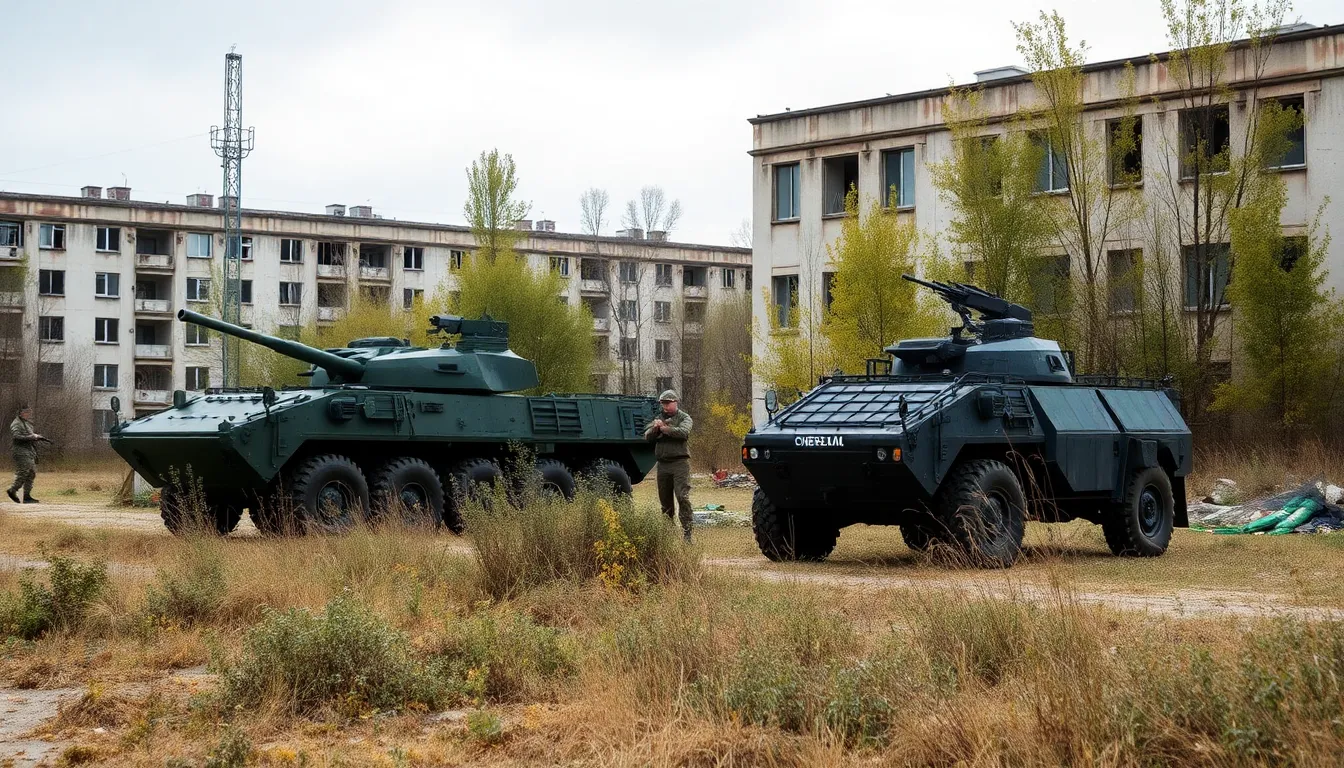
As the world marks 40 years since the Chernobyl disaster, the ongoing conflict in Ukraine adds another layer of complexity to the situation. The war has raised concerns about the safety of the Chernobyl site, which has seen military activity and potential risks of further contamination. This intersection of history, politics, and environmental issues continues to shape the narrative around Chernobyl and its legacy.
Key stakeholders and issues surrounding Chernobyl today
The Chernobyl disaster, which occurred in 1986, continues to have lasting implications more than four decades later. The key stakeholders involved today include the Ukrainian government, international organizations, environmental groups, and local communities. Each of these actors has distinct interests that influence their actions and responses to the ongoing challenges posed by the site.
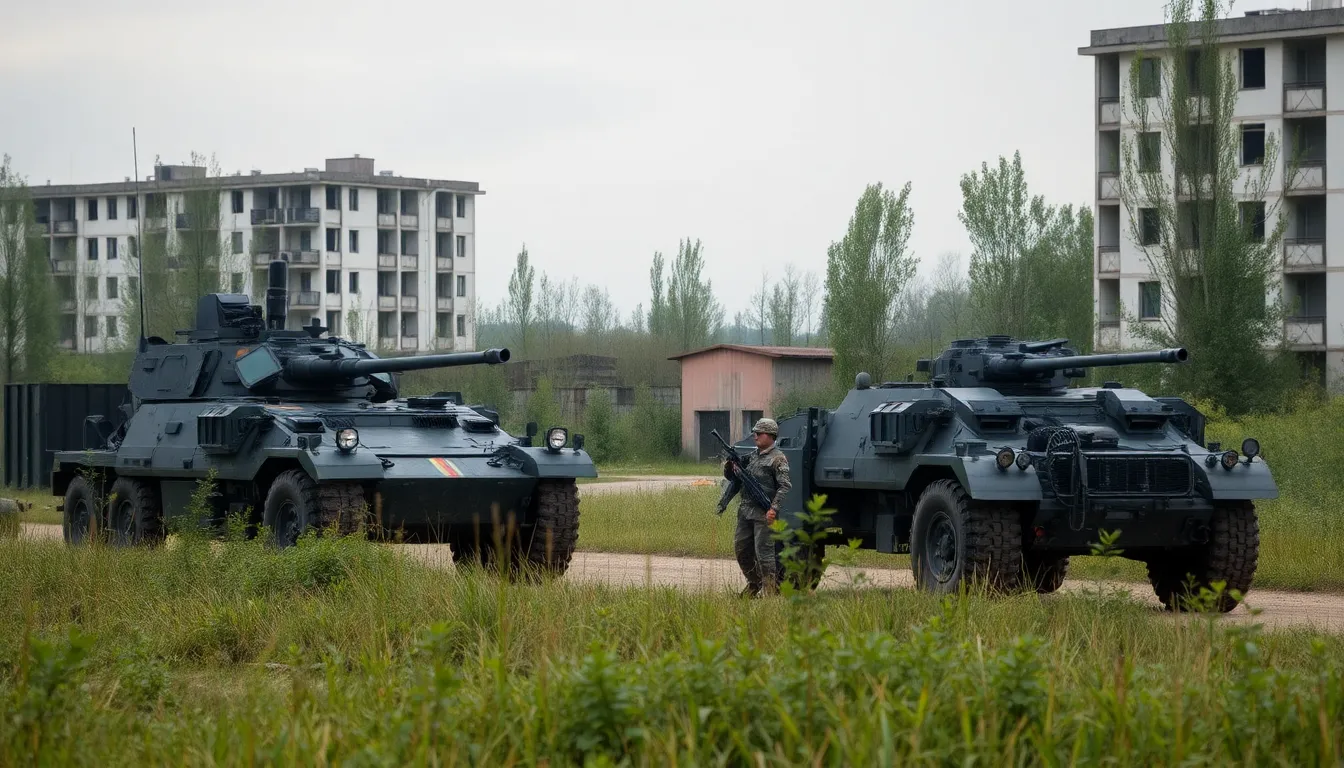
The Ukrainian government is primarily focused on managing the legacy of the disaster while simultaneously addressing the new challenges posed by the ongoing conflict in the region. Their interests include ensuring the safety of the Chernobyl Exclusion Zone, protecting the health of local populations, and seeking international support for recovery and rehabilitation efforts. However, the war has complicated these efforts, diverting resources and attention away from nuclear safety initiatives.
International organizations, such as the International Atomic Energy Agency (IAEA) and the United Nations, play a critical role in providing technical assistance and funding for safety measures. Their interests lie in preventing further environmental degradation and ensuring that the lessons learned from Chernobyl are applied to nuclear safety globally. However, the conflict poses significant challenges to their operations, limiting access and complicating coordination efforts.
- Environmental Groups: These organizations are concerned about the long-term ecological impacts of both the disaster and the war. They advocate for the protection of the Exclusion Zone and the health of its inhabitants.
- Local Communities: Residents living near Chernobyl face a dual crisis, grappling with the legacy of radiation exposure and the threats posed by military actions. Their interests revolve around health, safety, and economic opportunities.
- International Aid Agencies: These entities focus on humanitarian assistance and disaster relief. Their operations are hindered by the ongoing conflict, complicating efforts to provide support to affected populations.
The interplay of these stakeholders creates a complex landscape of conflicts and trade-offs. For instance, while the Ukrainian government seeks to maintain control over the Exclusion Zone, the presence of military activity raises safety concerns and complicates access for both international organizations and environmental groups. Additionally, the allocation of resources between immediate military needs and long-term environmental safety creates a critical tension that impacts all stakeholders involved.
Key legal and economic issues also arise from this situation. The war has led to increased costs for safety measures and rehabilitation efforts, while international support may fluctuate based on geopolitical considerations. Furthermore, the legal status of the Exclusion Zone and the rights of local communities remain contentious, as stakeholders navigate the implications of both historical and current events on the future of Chernobyl.
Impact of war and radiation on local communities
The ongoing war in Ukraine has compounded the long-standing challenges faced by communities surrounding the Chernobyl Exclusion Zone. Local populations, already grappling with the aftermath of the 1986 nuclear disaster, find themselves at the intersection of conflict and radiation risk. The affected groups include residents of nearby towns, workers involved in the clean-up and monitoring efforts, and those engaged in agriculture and tourism.
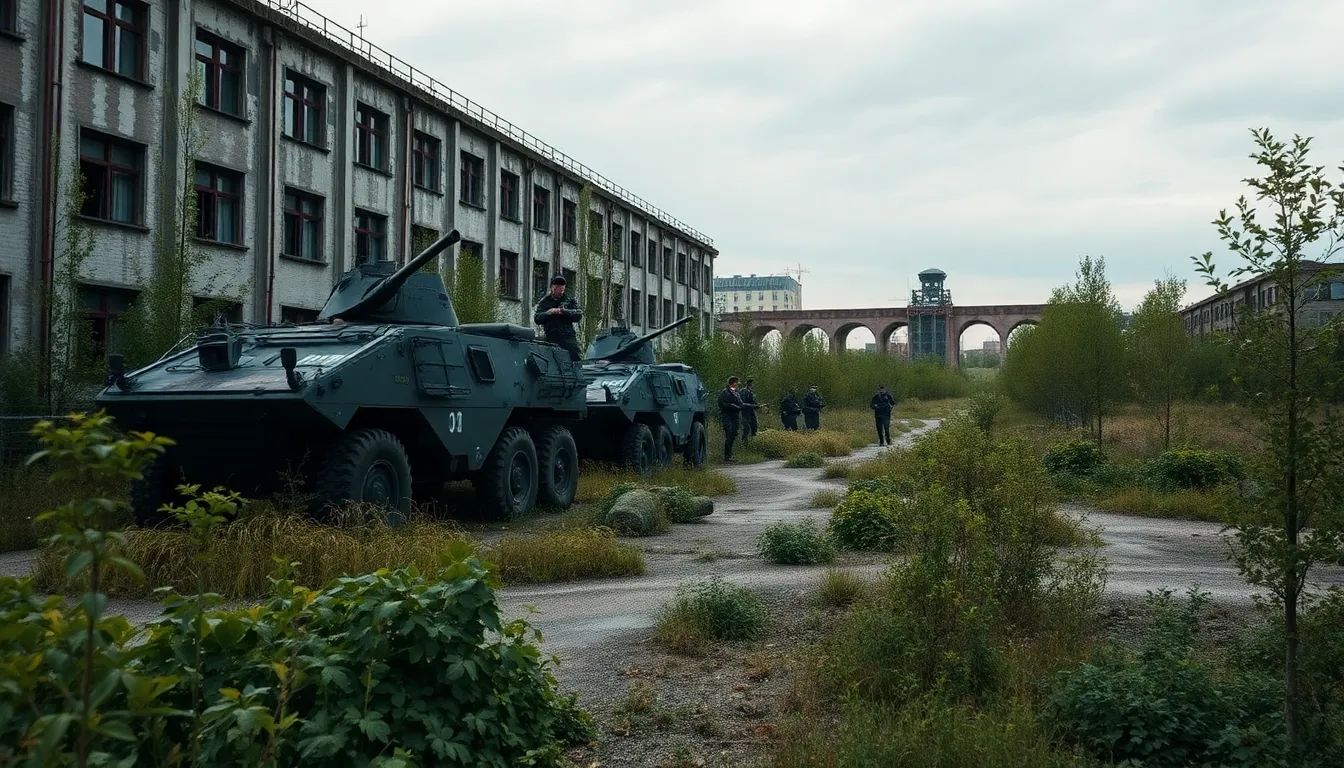
In the short term, the conflict has disrupted daily life significantly. The threat of military action has led to evacuations and heightened anxiety among residents. Essential services such as healthcare and education are severely impacted, with many facilities either damaged or repurposed for wartime needs. Additionally, the agricultural sector faces immediate challenges as fields become unsafe due to both radiation and military activity.
Mid-term impacts may include a decline in the local economy as tourism, which had been slowly recovering, is further affected by safety concerns. The perception of Chernobyl as a site of interest may diminish, leading to lost revenue for local businesses that rely on visitors. Moreover, policies regarding land use and environmental safety may shift, potentially restricting access to areas previously deemed safe for habitation and agriculture.
- Health Risks: Increased exposure to radiation and stress-related health issues.
- Economic Disruption: Loss of income for businesses reliant on tourism and agriculture.
- Policy Changes: Stricter regulations on land use and safety protocols.
- Community Displacement: Continued evacuations leading to a loss of local culture and heritage.
Despite these challenges, there are potential opportunities for innovation and investment in safety technologies and infrastructure. The need for enhanced monitoring systems and disaster preparedness could lead to new partnerships between local governments and international organizations. Additionally, as global awareness of the situation grows, there may be increased support for rebuilding efforts and sustainable development initiatives in the region.
A: The Chernobyl disaster was caused by a reactor explosion during a safety test that went wrong, leading to a massive release of radioactive materials. A: Since the meltdown, the area has been largely abandoned, with nature reclaiming the land, but it remains contaminated and dangerous. A: Current risks include radiation exposure, instability of the sarcophagus covering the reactor, and the potential for further environmental damage due to military conflicts. A: The ongoing war increases the risk of damage to the containment structures and disrupts monitoring and safety protocols, heightening the danger of radiation leaks.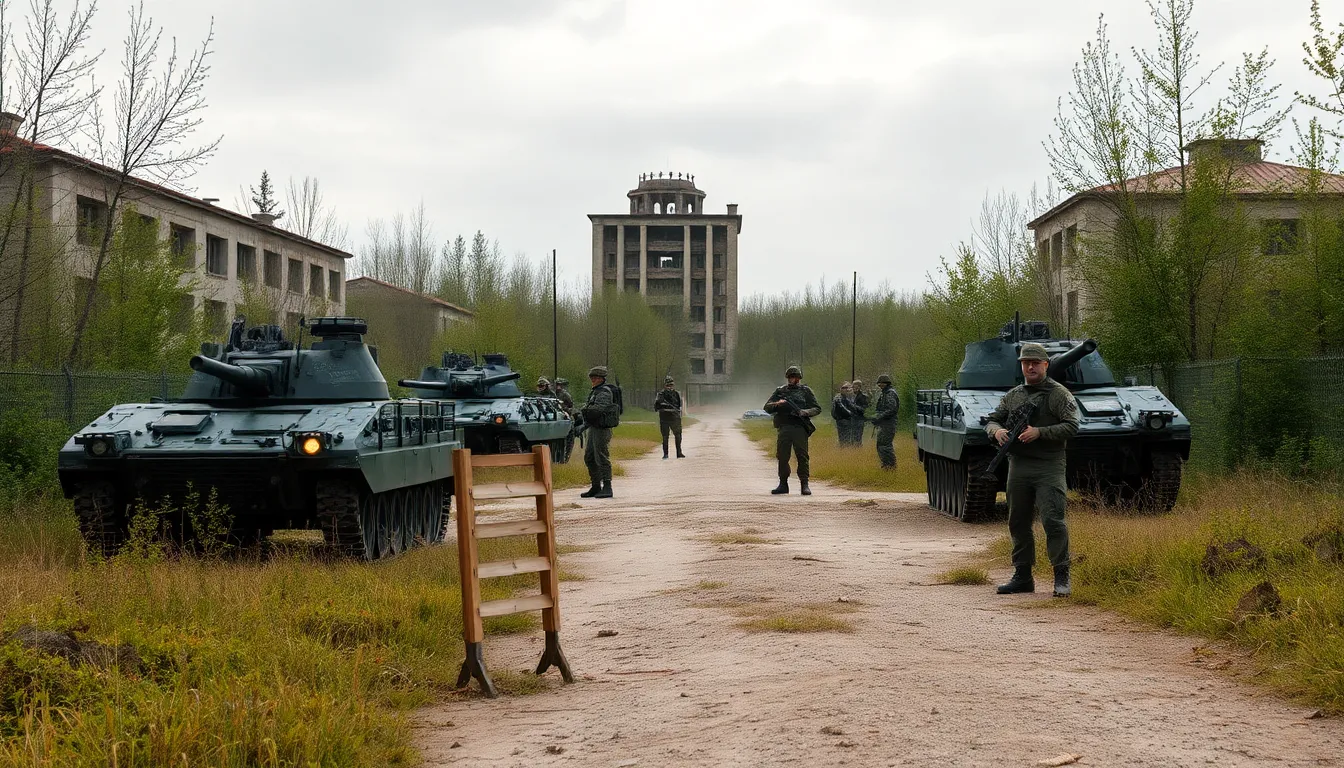
Frequently asked questions about Chernobyl
Insights and future outlook for Chernobyl
The ongoing conflict in Ukraine has introduced new uncertainties surrounding the Chernobyl Exclusion Zone, an area already grappling with the legacy of the 1986 nuclear disaster. As military activities escalate, the risks associated with potential radiation exposure and ecological damage have intensified, necessitating a reevaluation of safety protocols and international oversight. The intersection of war and environmental disaster underscores the fragility of nuclear safety in conflict zones and highlights the need for robust international cooperation to mitigate these risks.
Looking ahead, the situation at Chernobyl serves as a stark reminder of the long-lasting impacts of nuclear incidents and the importance of maintaining vigilance in the face of geopolitical tensions. The implications extend beyond the immediate area, affecting global nuclear policy and emergency preparedness strategies.
- Monitor developments in the region to assess the ongoing risks of radiation exposure and environmental degradation.
- Evaluate international response mechanisms to ensure effective management of nuclear safety in conflict zones.
- Consider the long-term implications for nuclear energy policies worldwide, particularly in relation to disaster preparedness and response.
- Promote dialogue and cooperation among nations to address the intersection of military conflict and nuclear safety.
- Support research into the ecological impacts of warfare on contaminated sites, informing future remediation efforts.