
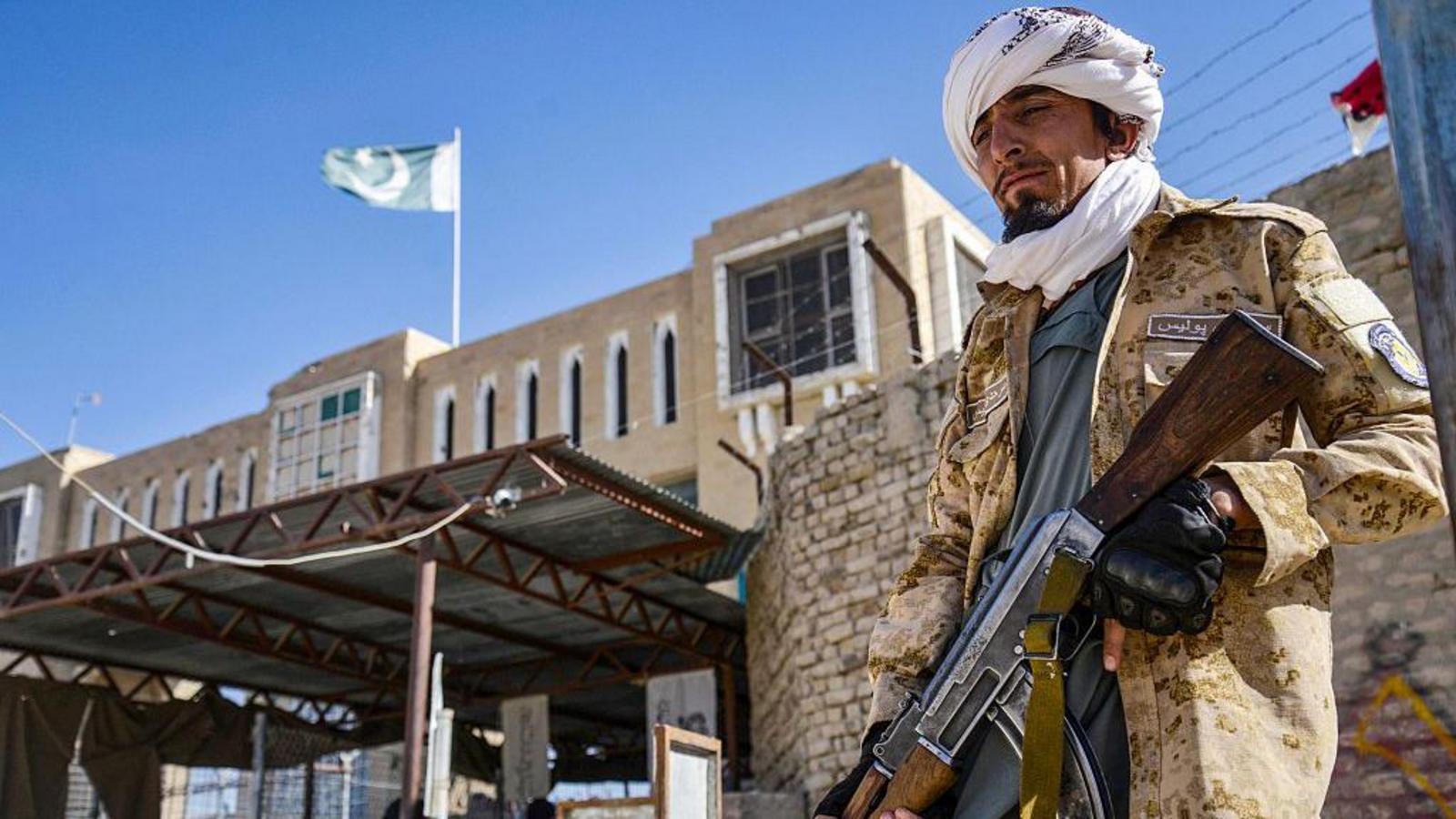
The recent escalation of violence along the Pakistan-Afghanistan border has led to deadly clashes, reflecting longstanding tensions between the two nations. Reports indicate that skirmishes resumed after previous ceasefires failed to hold, with both governments accusing each other of provocations. For more insights on this topic, check out our article on deadly border fighting.
Understanding the historical context of border tensions
To comprehend the current situation, it is crucial to delve into the historical context that has fueled these conflicts. The border, known as the Durand Line, was drawn in 1893 and has been a source of contention ever since, much like the tensions described in our recent piece about Ukraine’s actions.
The Durand Line’s impact on relations
The artificial nature of the Durand Line has historically separated Pashtun tribes, leading to disputes regarding territorial claims and identity. Pakistan has established a fence along significant stretches of the border, which Afghanistan claims infringes on its sovereignty.
Recent clashes and their implications
The latest skirmishes have raised alarms not only in Islamabad and Kabul but also among neighboring countries and international observers. The exchange of gunfire marks one of the deadliest phases in recent years. As reported in our previous articles, both sides are now under immense pressure to resolve these conflicts.
Casualties reported
According to various sources, dozens of soldiers and civilians from both sides have been killed or injured. The rising death toll has led to an outcry for restraint and a renewed push for dialogue.
Responses from both governments
In the wake of this crisis, government officials and military leaders from Pakistan and Afghanistan have issued statements. Both sides stress the importance of securing their borders while blaming each other for the outbreak of violence.

Diplomatic efforts underway
Efforts to broker peace through diplomatic channels are in motion, with calls for a comprehensive investigation into the causes of these violent incidents. However, trust remains low, and progress seems slow.
Potential regional repercussions of the fighting
The implications of this border fighting extend beyond Pakistan and Afghanistan. The conflict has the potential to destabilize the entire region, affecting trade, security, and humanitarian efforts.

Impact on civilian life
The local populations are bearing the brunt of this conflict, with many displaced from their homes and facing shortages of essential supplies. Aid organizations are calling for immediate assistance for those affected.
Looking ahead: possible outcomes of the conflicts
The current trajectory of events suggests a precarious future. Without significant interventions from regional powers and international bodies, the possibility of further escalations remains high.

Military and diplomatic interventions
One possible outcome is a renewed push for military escalation, while another could be a collective diplomatic effort aimed at stabilizing the border region. The roles of China and the United States will be pivotal in shaping future discussions.
Frequently asked questions about border fighting between Pakistan and Afghanistan
A: The recent fighting stems from long-standing territorial disputes related to the Durand Line and increased military activity along the border.
A: Civilians have faced displacement, loss of life, and shortages of essential supplies due to the conflict.
A: Yes, there are diplomatic initiatives underway, though trust levels between the two nations remain low.
A: Neighboring countries, notably China and the U.S., could influence the situation through diplomatic channels or military support.
Future directions for peace and stability in the region
Given the complex layers of this conflict, the road ahead will require careful negotiation, international cooperation, and sustainable development initiatives. Both nations must prioritize dialogue and seek to address the root causes of their disputes to achieve long-term peace and stability.