
The introduction of humanoid robots is set to begin in early 2024, with the company collaborating with leading robotics firms to develop machines capable of performing complex tasks alongside human workers. These robots are designed to handle repetitive and physically demanding jobs, allowing human employees to focus on more skilled aspects of production. This integration is expected to streamline workflows and improve overall productivity, much like the advancements seen in other industries.
BMW’s move comes at a time when the automotive sector is facing significant challenges, including rising labor costs and a growing demand for electric vehicles. By leveraging humanoid robots, the company aims to not only reduce operational costs but also speed up the transition to sustainable manufacturing practices. The deployment of these robots could set a precedent for other manufacturers looking to modernize their production lines.
Industry experts believe that this trend could redefine the future of car manufacturing, making it more adaptable to changing market demands. As BMW leads the charge, the implications of humanoid robotics may extend beyond production, influencing how companies approach workforce training and the integration of technology in everyday operations. This development marks a pivotal moment in the evolution of automotive manufacturing.
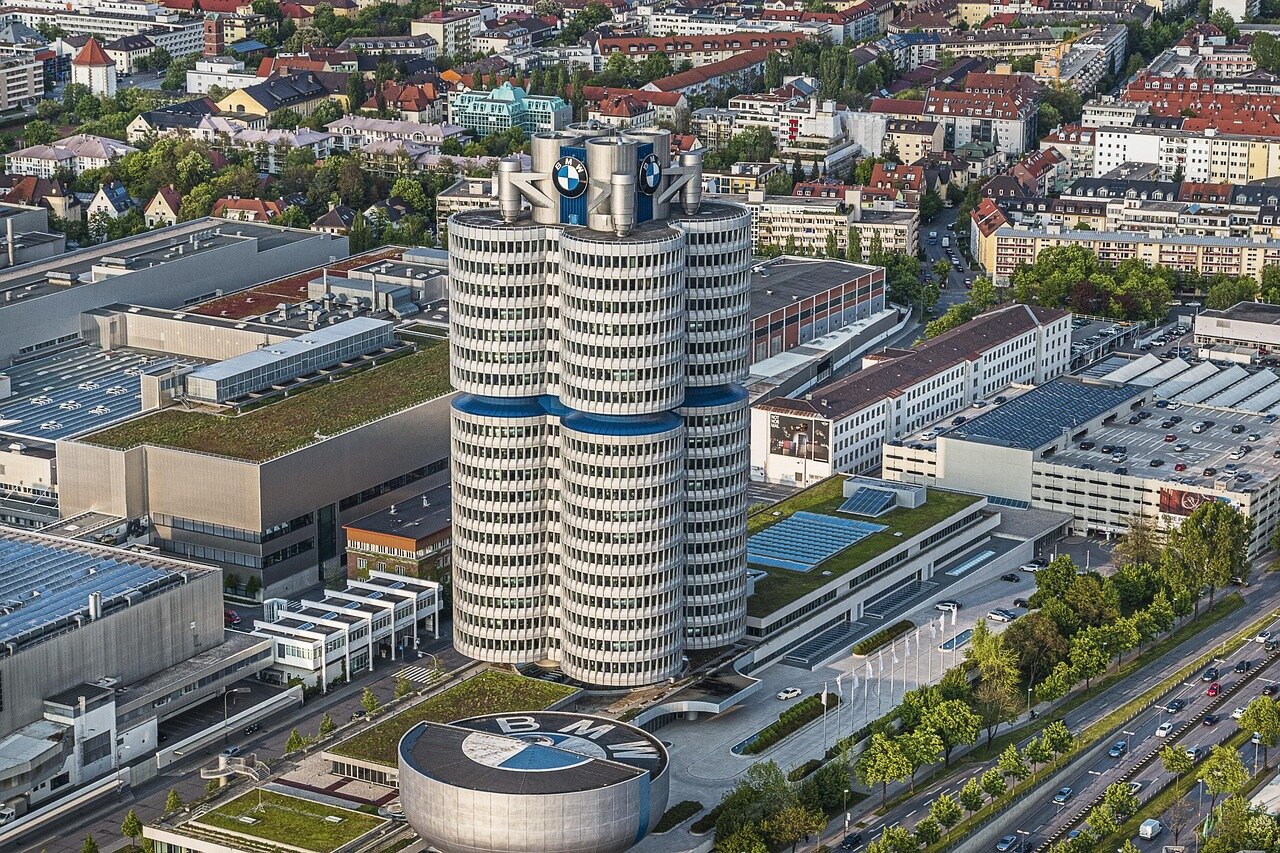
The evolution of robotics in the automotive industry
The automotive industry has undergone significant transformations since the early 20th century, with robotics playing a pivotal role in this evolution. The introduction of the assembly line by Henry Ford in 1913 marked a turning point, enabling mass production and setting the stage for automation. Over the decades, advancements in technology have led to the integration of robotic systems in manufacturing processes, enhancing efficiency, precision, and safety.
In the 1970s, the first industrial robots were introduced in car manufacturing, primarily for tasks such as welding and painting. These early robots were limited in functionality and required extensive programming. However, as technology progressed, so did the capabilities of these machines. By the 1990s, robots became more versatile, allowing for greater flexibility in production lines and the ability to handle complex tasks alongside human workers.
The rise of humanoid robots
In recent years, the focus has shifted towards humanoid robots, which are designed to mimic human actions and interactions. BMW, among other automotive giants, has recognized the potential of humanoid robots to revolutionize car manufacturing. These robots can work collaboratively with human employees, enhancing productivity and enabling a more adaptive manufacturing environment. The rise of artificial intelligence has further propelled this trend, allowing robots to learn and improve their performance over time, similar to how technology influences various fields.
The push for automation in the automotive sector is not only driven by technological advancements but also by economic pressures. As global competition intensifies, manufacturers are compelled to find innovative solutions to reduce costs and improve output. The COVID-19 pandemic accelerated this trend, highlighting the need for contactless operations and the resilience that automation can provide in times of crisis.

As BMW embraces humanoid robots as the “future” of car making, it marks a significant milestone in the ongoing journey of automation in the automotive industry. This shift represents not just a technological advancement but also a cultural change in how vehicles are produced, emphasizing collaboration between humans and machines to create a more efficient and sustainable manufacturing process.
Key stakeholders and challenges in adopting humanoid robots
The integration of humanoid robots into car manufacturing processes presents a complex landscape of stakeholders, each with distinct interests. The primary actors include automotive manufacturers like BMW, technology companies specializing in robotics, labor unions, government regulators, and consumers. Each group has a vested interest in how these robots will affect production efficiency, job security, regulatory compliance, and product quality.
Automakers such as BMW are keen on adopting humanoid robots to enhance productivity and reduce manufacturing costs. These robots can perform repetitive tasks with precision, potentially leading to faster production cycles and better-quality vehicles. However, this shift raises concerns among labor unions about job displacement and the need for workforce retraining. The balance between technological advancement and job security remains a critical point of contention.
Government regulators play a pivotal role in overseeing the implementation of humanoid robots in the automotive sector. Their interests lie in ensuring safety standards are met and that the transition does not lead to significant unemployment spikes. Additionally, they must consider the legal implications of integrating robots into workplaces, including liability issues in case of accidents involving robotic systems.

Moreover, consumers are increasingly interested in how these technological advancements will enhance the vehicles they purchase. The introduction of humanoid robots could lead to innovations in car design and functionality, appealing to tech-savvy buyers. However, there is also a rising concern about the ethical implications of automation and the potential loss of human touch in manufacturing.
- Potential job displacement versus increased efficiency in production.
- Regulatory challenges in ensuring safety and compliance with labor laws.
- Economic implications for the automotive industry and associated sectors.
- Consumer acceptance of robots in manufacturing and their impact on product quality.
- Ethical concerns surrounding automation and the future of work.
How humanoid robots could transform the car manufacturing landscape
The introduction of humanoid robots in car manufacturing is poised to affect various stakeholders, including automotive companies, labor forces, and consumers. As BMW leads the way in this technological shift, it is essential to understand who will be impacted and how.
In the short term, automotive manufacturers may see a significant increase in production efficiency and reduced operational costs. Humanoid robots can perform repetitive tasks with precision, potentially leading to faster assembly lines. This shift may also result in job displacement for certain roles, particularly in assembly and manual labor positions, raising concerns among workers and labor unions.

In the mid-term, the integration of humanoid robots could lead to a redefined workforce in the automotive industry. While some jobs may vanish, new opportunities will arise in robot maintenance, programming, and oversight roles. This transition may require a shift in skill sets, prompting educational institutions and training programs to adapt and prepare the workforce for these emerging roles.
Moreover, the impact of humanoid robots extends beyond the factory floor. Consumers may benefit from higher-quality vehicles produced at a faster rate, potentially leading to lower prices. However, there are risks associated with increased automation, such as potential cybersecurity threats and the ethical implications of relying on machines for critical manufacturing processes.
- Increased efficiency: Faster production cycles and reduced costs for manufacturers.
- Job displacement: Certain roles may become obsolete, affecting workers in traditional manufacturing jobs.
- New job creation: Demand for skilled workers in robot maintenance and programming is likely to rise.
- Consumer benefits: Higher quality and potentially lower-priced vehicles for consumers.
- Ethical and cybersecurity risks: Increased reliance on technology may pose new challenges for the industry.
A: Humanoid robots are machines designed to resemble and mimic human behavior and interactions. They are increasingly being integrated into various industries, including automotive manufacturing. A: Humanoid robots can enhance efficiency, precision, and flexibility in production lines, potentially reducing costs and improving product quality. A: Yes, humanoid robots are designed with safety features to work alongside human employees. They can help reduce workplace accidents by taking on hazardous tasks. A: Companies may encounter high initial costs, the need for specialized training, and potential resistance from workers concerned about job security. A: Companies like BMW, Tesla, and various robotics firms are at the forefront of developing humanoid robots for industrial applications.
Frequently asked questions about humanoid robots in car making
Future outlook on humanoid robots in the automotive sector
The integration of humanoid robots in car manufacturing represents a significant shift in the automotive industry, as highlighted by BMW’s recent advancements. These robots are not only enhancing efficiency but also redefining the roles of human workers within production lines. As the technology matures, the potential for increased customization and improved safety standards in vehicle production becomes more apparent.
Looking ahead, the collaboration between human workers and humanoid robots will likely evolve, fostering a more innovative and adaptive manufacturing environment. The implications of this technological evolution extend beyond production efficiency, influencing workforce dynamics, training needs, and ultimately, consumer experiences.
- Monitor advancements in humanoid robot capabilities and their impact on production timelines.
- Observe changes in workforce training programs as employees adapt to working alongside robots.
- Watch for shifts in consumer preferences as automation allows for greater customization in vehicle design.
- Consider the potential for enhanced safety measures in manufacturing processes due to robotic precision.
- Evaluate the environmental implications of increased automation in terms of energy efficiency and waste reduction.