
Recent advancements in biotechnology and hybridization techniques have allowed breeders to create unique and resilient orchid varieties. For instance, the introduction of new hybrid species has attracted collectors and hobbyists alike, leading to a surge in demand for rare and unusual orchids. Events such as the World Orchid Conference, held in Singapore in 2023, have further fueled this interest by showcasing innovative breeding methods and the latest trends in orchid cultivation.
However, the industry is not without challenges. The high value of rare orchids has led to increased poaching and illegal trade, threatening native species and biodiversity. Conservationists are advocating for stricter regulations and sustainable practices to protect both the environment and the livelihoods of legitimate breeders. The ongoing debate over the ethics of orchid breeding and conservation is becoming increasingly relevant as the market expands.
In addition, the COVID-19 pandemic has shifted consumer behavior, with more people turning to indoor gardening as a source of relaxation and fulfillment. This trend has resulted in a growing online market for orchids, with many breeders adapting their sales strategies to reach a broader audience. Social media platforms have become crucial for marketing and connecting with potential buyers, further transforming the landscape of orchid breeding.
The historical background of orchid cultivation
The fascination with orchids dates back centuries, with records indicating that these exotic plants were first cultivated in ancient China over 2,500 years ago. The Chinese revered orchids not only for their beauty but also for their symbolic meanings, associating them with refinement and luxury. This early appreciation laid the groundwork for the orchid’s status as a coveted item in various cultures around the world.
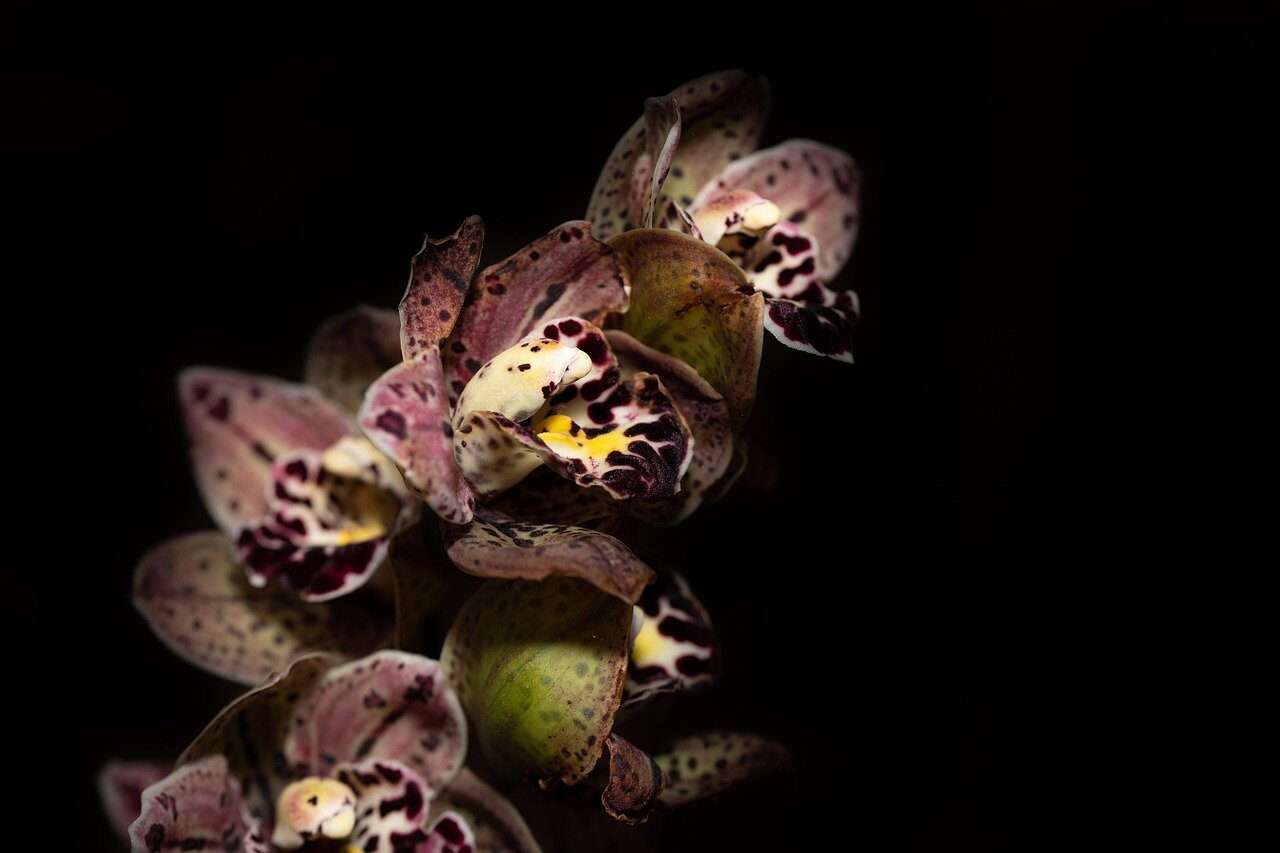
During the Victorian era in the 19th century, the orchid craze reached new heights, particularly in Europe and North America. The discovery of new orchid species in tropical regions sparked a wave of interest among collectors and botanists. This period saw the establishment of numerous orchid societies and the introduction of orchid shows, where breeders showcased their rare and exotic specimens, further fueling public fascination.
The commercialization of orchids began in earnest during this time, leading to the development of hybridization techniques that allowed for the creation of new varieties. This innovation not only increased the diversity of available orchids but also made them more accessible to the general public. The economic implications were significant, as orchid breeding became a lucrative business, with some varieties fetching astonishing prices at auctions.
The impact of globalization on orchid breeding
As globalization progressed in the late 20th century, the orchid market expanded dramatically. Breeders from around the world began to share techniques, knowledge, and genetic material, leading to an explosion of hybrid varieties. Countries like Thailand and the Philippines emerged as major players in the orchid industry, capitalizing on their favorable climates and rich biodiversity. This shift not only transformed local economies but also raised questions about the sustainability of orchid cultivation and the ethical implications of breeding practices.
Today, the world of orchid breeding continues to thrive, with advancements in technology and genetics paving the way for even more exquisite and unique varieties. However, the secretive nature of the industry, coupled with its economic potential, raises concerns about the environmental impact and the preservation of natural habitats, making it a complex and multifaceted issue that reflects broader themes in agricultural practices and global commerce.
Key stakeholders and major issues in orchid breeding
The world of orchid breeding is a complex ecosystem involving various stakeholders, each with their own interests and motivations. Key actors include commercial breeders, hobbyist growers, conservation organizations, and government regulatory bodies. Each group plays a significant role in shaping the practices and policies surrounding orchid cultivation and trade.
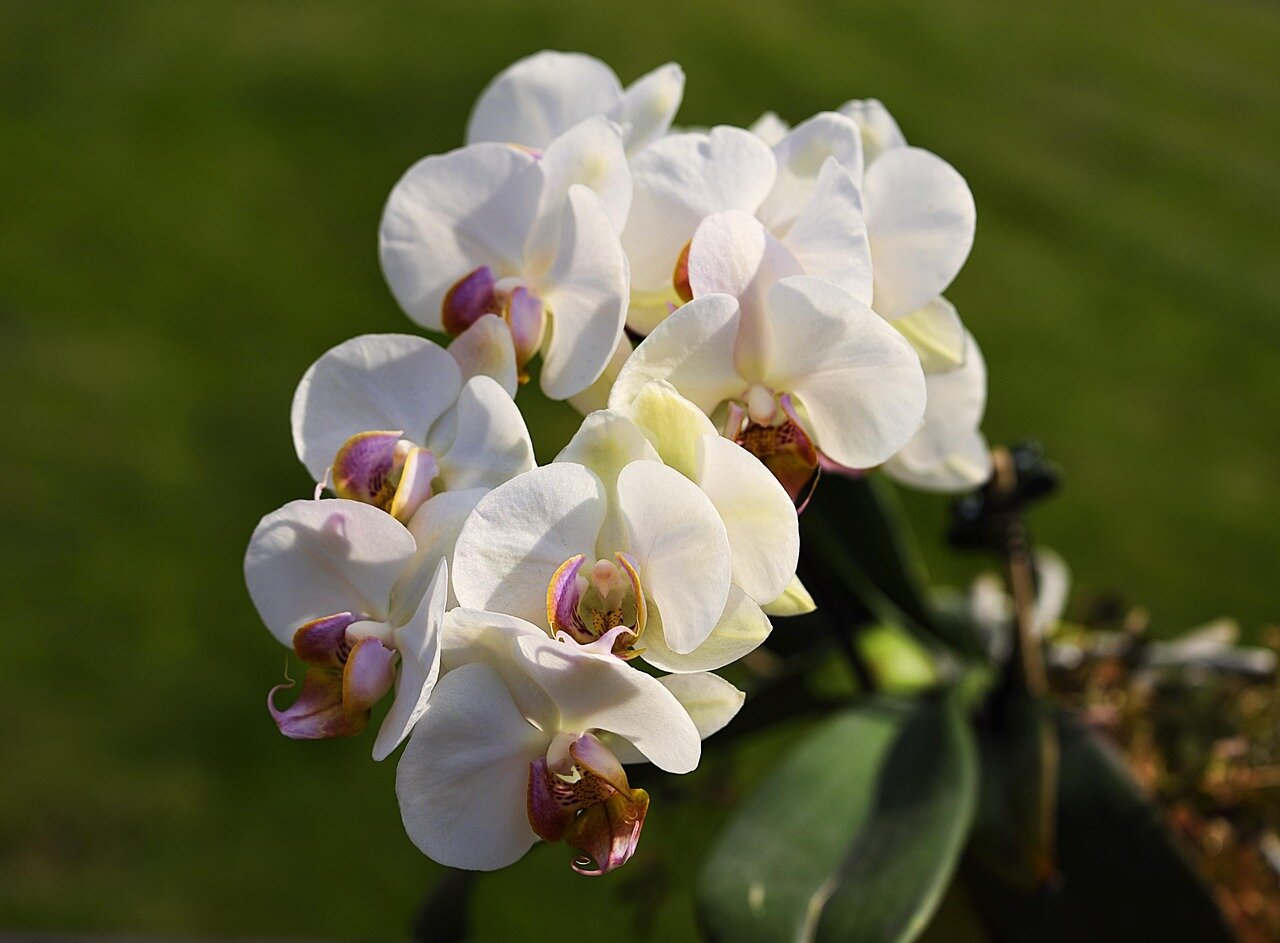
Commercial breeders are primarily driven by profit and market demand. They invest in developing new hybrid varieties that appeal to consumers, often focusing on unique colors, shapes, and fragrance. In contrast, hobbyist growers may prioritize the preservation of traditional species and the joy of cultivation rather than financial gain. This divergence in interests can lead to conflicts over which varieties should be promoted or protected.
Conservation organizations are concerned with the sustainability of orchid species in their natural habitats. Many orchids are threatened by habitat destruction and over-collection. These organizations advocate for legal protections and responsible breeding practices that prioritize biodiversity. However, their efforts may clash with commercial interests, particularly when regulations limit the availability of certain species for breeding.
Government bodies play a crucial role in regulating the orchid trade, often implementing laws aimed at protecting endangered species. However, these regulations can create trade-offs. For instance, while strict laws help conserve wild populations, they may also hinder the ability of breeders to access genetic diversity necessary for developing new hybrids. This tension highlights the need for balanced policies that support both conservation and commercial interests.
- Commercial Breeders: Focus on profit and market trends.
- Hobbyist Growers: Emphasize cultivation and species preservation.
- Conservation Organizations: Advocate for sustainability and legal protections.
- Government Regulations: Aim to protect endangered species while balancing commercial needs.
- Trade-offs: Striking a balance between conservation efforts and breeding innovation.
The impact of orchid breeding on markets and enthusiasts
The world of orchid breeding impacts a diverse array of groups, including horticulturists, collectors, and commercial growers. Regions known for their rich biodiversity, such as Southeast Asia and Central America, are particularly affected. Here, local economies often depend on the cultivation and exportation of these prized plants, which can lead to both economic growth and environmental concerns.
In the short term, the surge in demand for unique orchid varieties can boost local businesses and create jobs in the horticultural sector. This increase in interest often leads to higher prices for rare orchids, benefiting breeders and collectors alike. However, it can also result in unsustainable harvesting practices, threatening natural habitats and biodiversity.
In the mid-term, as orchid breeding becomes more commercialized, policies may shift to regulate breeding practices and protect endangered species. This could lead to stricter regulations for breeders and growers, impacting how they operate. Conversely, it could also encourage innovation in sustainable breeding techniques, creating opportunities for businesses that prioritize environmental responsibility.
- Economic growth: Increased sales and job creation in horticulture.
- Environmental risks: Potential harm to natural ecosystems from unsustainable practices.
- Policy changes: Stricter regulations may emerge to protect endangered species.
- Innovation opportunities: Development of sustainable breeding methods could arise.
As the orchid breeding industry evolves, enthusiasts and businesses alike must navigate the balance between profitability and ecological responsibility. The choices made today will shape the future landscape of this lucrative market, with lasting implications for both people and the planet.
A: Orchid breeding is lucrative due to the high demand for unique and rare varieties, which can fetch significant prices in the market. Additionally, the passion of collectors and enthusiasts drives continuous interest and investment. A: Breeders create new hybrids by cross-pollinating different orchid species, selecting parent plants with desirable traits. This process requires both skill and knowledge of genetics to achieve successful results. A: Yes, there are ethical concerns regarding the conservation of wild orchid species and the potential exploitation of natural habitats. Responsible breeders focus on sustainable practices to mitigate these issues. A: Technology plays a significant role in modern orchid breeding, with advancements in genetic research, tissue culture, and data analysis helping breeders to enhance their techniques and outcomes. A: To get started in orchid breeding, one should research different species, acquire quality plants, and learn about the breeding process. Joining orchid societies and attending workshops can also provide valuable insights and support.
Frequently asked questions about orchid breeding
Insights and future outlook on orchid breeding
The world of orchid breeding is not only a niche hobby but also a burgeoning industry that intertwines art, science, and commerce. As breeders continue to innovate and push the boundaries of hybridization, the potential for unique and rare varieties expands, attracting both collectors and investors. This intersection of passion and profit is likely to reshape how orchids are perceived and valued in both domestic and international markets.
Looking ahead, the demand for sustainable and ethically sourced orchids will likely grow, influenced by consumer preferences and environmental considerations. Breeders who adapt to these trends and leverage advancements in technology and genetics will be well-positioned to thrive in this competitive landscape.
- Watch for the emergence of new hybrid varieties that cater to evolving consumer tastes and preferences.
- Monitor the impact of sustainable practices in orchid cultivation, as eco-conscious consumers increasingly influence market trends.
- Pay attention to advancements in genetic research that may lead to breakthroughs in disease resistance and longevity of orchids.
- Consider the role of online marketplaces and social media in shaping the sales and visibility of rare orchid varieties.
- Stay informed about regulatory changes that may affect orchid breeding and trade, particularly regarding conservation efforts.