
This initiative comes in response to increasing concerns about the H5N1 avian influenza virus, which has shown the ability to infect humans under certain conditions. With outbreaks reported in various countries and the virus’s potential to mutate, health experts emphasize the importance of developing effective vaccines to mitigate risks associated with future outbreaks.
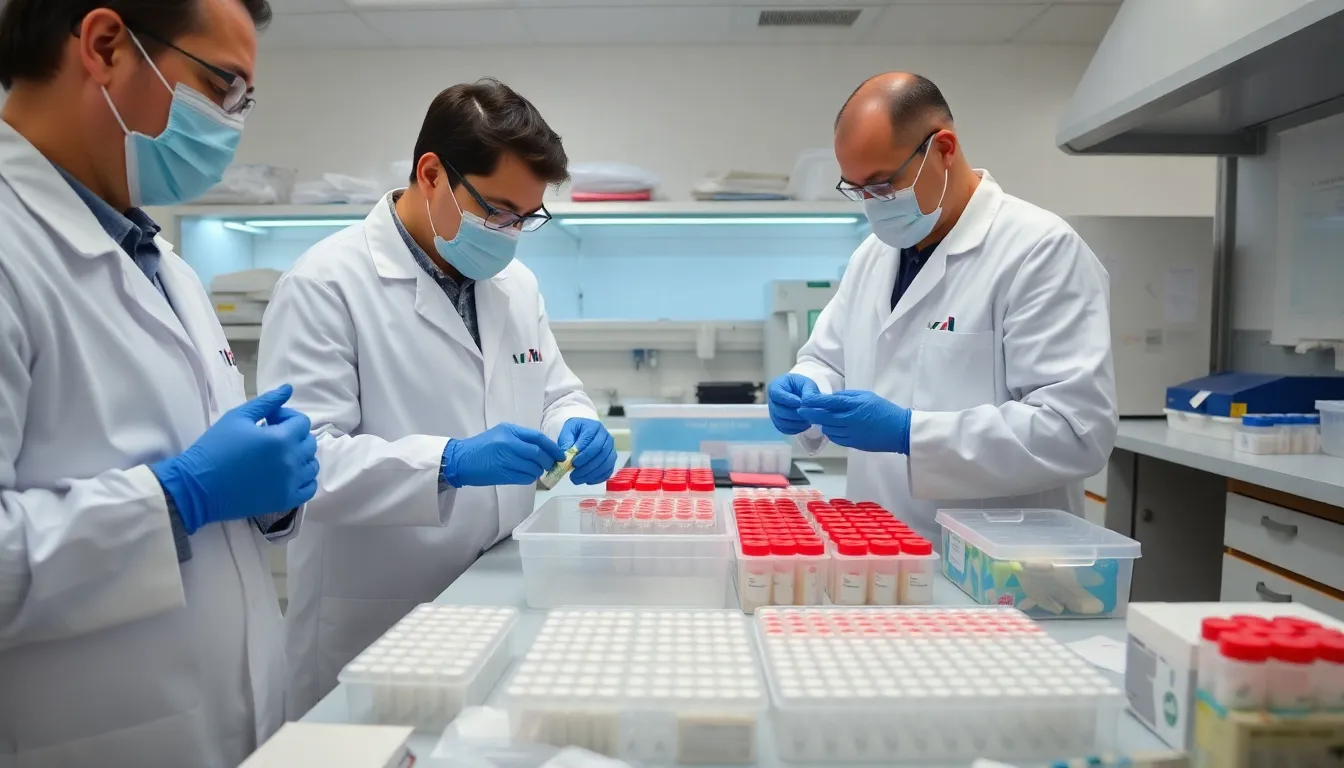
The trial will involve multiple phases, starting with a small group of volunteers to assess the vaccine’s safety and efficacy. Researchers aim to gather data that could lead to a broader rollout, should the vaccine prove successful in stimulating an immune response against the targeted strains.
Authorities, including the World Health Organization, are closely monitoring the trial’s progress, recognizing that timely and effective vaccination could be crucial in preventing a widespread health crisis. As the world continues to grapple with the aftermath of the COVID-19 pandemic, the need for proactive measures against emerging infectious diseases has never been more pressing.
Understanding the background of bird flu and its pandemic potential
The avian influenza virus, commonly known as bird flu, has been a significant concern for public health officials since its emergence in the late 20th century. The H5N1 strain, first identified in 1997, marked the beginning of heightened awareness regarding the potential for avian viruses to cross species barriers and infect humans. Since then, several outbreaks have been recorded, leading to numerous human infections and fatalities, which have underscored the virus’s pandemic potential.

Historically, the relationship between humans and birds has created a fertile ground for the emergence of zoonotic diseases. The close proximity of poultry farming to human populations, especially in regions with high-density farming practices, has facilitated the transmission of the virus. This has prompted governments and health organizations to invest in monitoring and research efforts to better understand and combat the threat posed by bird flu.
Key milestones in bird flu research and response
Over the years, various milestones have marked the global response to bird flu. In 2005, the World Health Organization (WHO) issued a warning about the potential for H5N1 to cause a pandemic, leading to increased funding for vaccine research and development. In 2009, the H1N1 influenza pandemic further highlighted the need for preparedness against emerging infectious diseases. As a result, collaborative efforts between governments, pharmaceutical companies, and research institutions have intensified, culminating in the current vaccine trial aimed at combating potential pandemic strains.
Economically, the impact of bird flu outbreaks has been significant, affecting poultry markets and trade. Countries have faced substantial losses due to culling measures and trade restrictions, which have prompted a more proactive approach to vaccine development. The recent vaccine trial represents a crucial step in not only safeguarding public health but also stabilizing the poultry industry and minimizing economic disruptions caused by future outbreaks.
Key stakeholders involved in the vaccine trial
The ongoing bird flu vaccine trial against a potential pandemic strain involves a diverse range of stakeholders, each with distinct interests and concerns. Key actors include governmental health organizations, pharmaceutical companies, research institutions, and public health advocates. Their collaboration is crucial for the successful development and distribution of the vaccine.
Governmental health organizations, such as the World Health Organization (WHO) and the Centers for Disease Control and Prevention (CDC), are primarily focused on public health and safety. Their interest lies in preventing a potential outbreak that could lead to widespread illness and death. They advocate for rigorous testing and approval processes to ensure the vaccine’s efficacy and safety before it is made available to the public.

Pharmaceutical companies play a significant role in the vaccine trial, as they are responsible for the research, development, and manufacturing of the vaccine. Their interests are often driven by profit motives, as successful vaccine development can lead to substantial financial returns. However, they also face scrutiny regarding pricing and accessibility, especially in low-income regions where the burden of disease may be highest.
Research institutions contribute scientific expertise and innovation to the vaccine trial. They are interested in advancing medical knowledge and ensuring that the vaccine is developed based on the latest scientific findings. Conflicts may arise between these institutions and pharmaceutical companies regarding intellectual property rights and the sharing of research data. Additionally, public health advocates emphasize the need for equitable access to the vaccine, highlighting potential trade-offs between profit and public health outcomes.
- Public Health Organizations: Focus on preventing outbreaks and ensuring vaccine safety.
- Pharmaceutical Companies: Driven by profit but under pressure for affordable pricing.
- Research Institutions: Aim to advance science while navigating intellectual property issues.
- Public Health Advocates: Stress the importance of equitable access to vaccines.
- Governments: Seek to balance public health needs with economic considerations.
Potential impacts on public health and the economy
The ongoing trial of a bird flu vaccine targeting a potential pandemic strain has significant implications for various groups and industries. Public health officials, healthcare providers, and vaccine manufacturers are at the forefront of this initiative, which aims to mitigate the risks associated with avian influenza outbreaks. Additionally, poultry farmers and the agricultural sector are directly affected, as the health of bird populations is crucial for their livelihoods.
In the short term, the commencement of this vaccine trial may lead to increased awareness and preventive measures among the general public. People may become more vigilant about hygiene and biosecurity practices, especially in regions where bird flu outbreaks have been reported. This heightened awareness can also influence consumer behavior, with potential declines in poultry consumption if fears of infection arise.
Mid-term impacts may include shifts in policy as governments and health organizations assess the trial’s outcomes. Successful vaccine development could lead to new regulations and programs aimed at controlling avian influenza, impacting the poultry industry and international trade. Moreover, advancements in vaccine technology may create opportunities for pharmaceutical companies to expand their product lines and improve vaccine accessibility.
- Public Health: Enhanced preventive measures and awareness among communities.
- Agriculture: Potential economic strain on poultry farmers due to market fluctuations.
- Healthcare: Increased demand for vaccines and related healthcare services.
- Policy Changes: New regulations and guidelines based on trial outcomes.
- Economic Opportunities: Growth in the pharmaceutical sector and innovation in vaccine technology.
While there are risks associated with the trial, such as public skepticism or potential side effects, the overall landscape presents opportunities for improved public health infrastructure and a more resilient agricultural sector. The outcome of this trial could set a precedent for future pandemic preparedness strategies, affecting not only the immediate stakeholders but also the broader global community.
A: The trial aims to evaluate the safety and effectiveness of a new vaccine designed to protect against a potential pandemic strain of bird flu. A: The trial is being conducted by a collaboration of health organizations and research institutions focused on infectious diseases. A: The duration of the trial will depend on various factors, including the phases of testing and regulatory approvals, but it is expected to take several months. A: If successful, the vaccine could provide critical protection against bird flu outbreaks, reducing the risk of a pandemic and saving lives. A: Availability will depend on the trial results and subsequent approvals from health authorities, but there is hope for widespread access if the vaccine proves effective.
Frequently asked questions about the bird flu vaccine trial
Looking ahead at the implications of the vaccine trial
The initiation of the bird flu vaccine trial marks a significant step in global health preparedness against potential pandemic strains. As researchers explore the efficacy and safety of this vaccine, the outcomes could reshape our approach to avian influenza and its implications for public health. This trial not only addresses immediate concerns regarding bird flu but also sets a precedent for how we might respond to future viral threats.
Monitoring the progress of this trial will be crucial as it may influence vaccine development strategies and global health policies. The collaboration between scientists, governments, and health organizations highlights the importance of proactive measures in mitigating pandemic risks. Stakeholders should remain vigilant as the results may inform vaccine distribution plans and public health responses in the event of an outbreak.
- Vaccine Efficacy: The trial results will provide critical data on how effective the vaccine is against the targeted strain.
- Public Health Preparedness: Successful outcomes could enhance global readiness for potential avian flu outbreaks.
- Policy Implications: Findings may influence regulatory frameworks and funding for future vaccine research.
- Collaboration Opportunities: The trial underscores the need for continued partnerships between governments and health organizations.
- Monitoring and Surveillance: Increased focus on surveillance of bird flu in avian populations may become a priority.