
The merger, which is still under review by regulatory bodies, has sparked discussions about the future of major studios in Hollywood. Critics argue that consolidating power among fewer companies could stifle innovation and limit opportunities for independent creators. Notably, the merger’s potential effects on streaming services and theatrical releases have also been highlighted as key concerns. For further insights on the implications of mergers in the industry, check out the article on AI’s role in enhancing storytelling.
Amidst this backdrop, the upcoming documentary ‘Lorne’ is set to explore the life and influence of Lorne Michaels, the creator of ‘Saturday Night Live.’ Scheduled for release on November 10, 2023, the film delves into the legacy of Michaels and his role in shaping modern comedy. As Hollywood grapples with these significant changes, the documentary serves as a reminder of the industry’s rich history and the importance of creative visionaries.
As the debate continues, it remains to be seen whether the collective voice of Hollywood will sway decision-makers. The outcome of this merger could have lasting effects on the landscape of the entertainment industry, shaping the way content is produced and consumed in the years to come.
Understanding the merger’s background and implications
The proposed merger between Paramount and Warner Bros. Discovery marks a significant moment in the evolving landscape of the entertainment industry. Over the past decade, major media companies have increasingly sought consolidation as a strategy to compete with streaming giants like Netflix and Disney+. This trend has led to a series of high-profile mergers and acquisitions, reshaping the dynamics of content creation and distribution.
Historically, the media landscape has been characterized by a few dominant players controlling a vast majority of content production and distribution. The Telecommunications Act of 1996 deregulated many aspects of the media industry, paving the way for increased consolidation. This legislation allowed companies to merge, leading to the formation of conglomerates that wield significant influence over the entertainment ecosystem. Such dynamics echo in how various industries adjust to market changes.
In recent years, the rise of streaming services has accelerated the push for mergers as companies look to pool resources, share content libraries, and expand their reach. The COVID-19 pandemic further intensified this trend, as traditional revenue streams from theaters dwindled, prompting studios to prioritize direct-to-consumer models. As a result, the stakes in the Paramount-Warner Bros. Discovery merger are not just financial; they reflect a broader struggle for survival in an increasingly competitive market.
Industry Response and Opposition
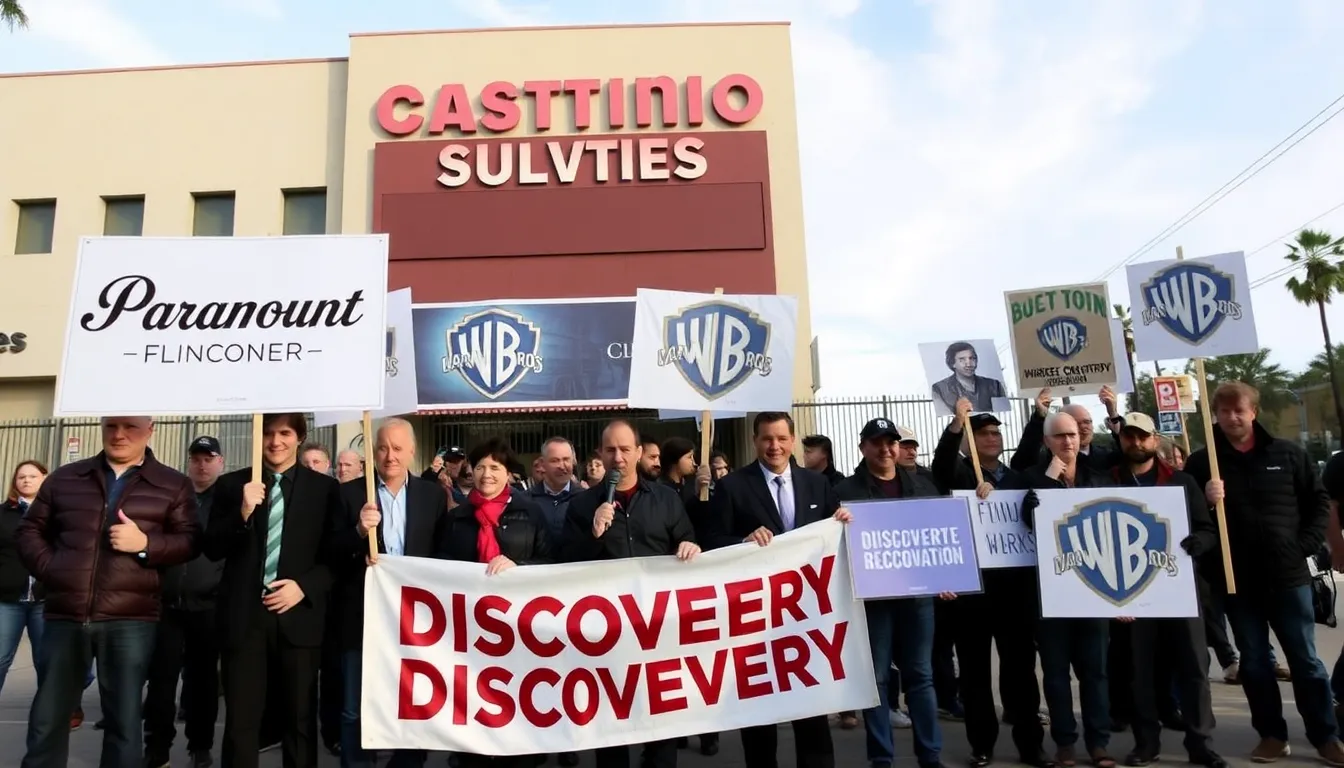
The Hollywood community has expressed significant opposition to the merger, citing concerns over job security, creative autonomy, and the potential for reduced competition. Industry figures argue that consolidating power among fewer entities could stifle innovation and limit opportunities for diverse voices in film and television. This grassroots opposition highlights the tension between corporate strategy and the values of the creative community, raising questions about the future of artistic expression in an era dominated by corporate interests, which parallels discussions on how AI companies are influencing various sectors.
Key stakeholders and issues at play in the merger debate
The proposed merger between Paramount and Warner Bros. Discovery has stirred significant opposition from various stakeholders in the entertainment industry. Key actors include the executives of both companies, labor unions, regulatory bodies, and creative professionals who are concerned about the implications of such a consolidation in Hollywood.
Executives at Paramount and Warner Bros. Discovery see the merger as a strategic move to enhance market competitiveness and streamline operations. However, this consolidation raises concerns among labor unions representing writers, actors, and crew members, who fear that the merger could lead to job losses and reduced bargaining power in negotiations over wages and working conditions.
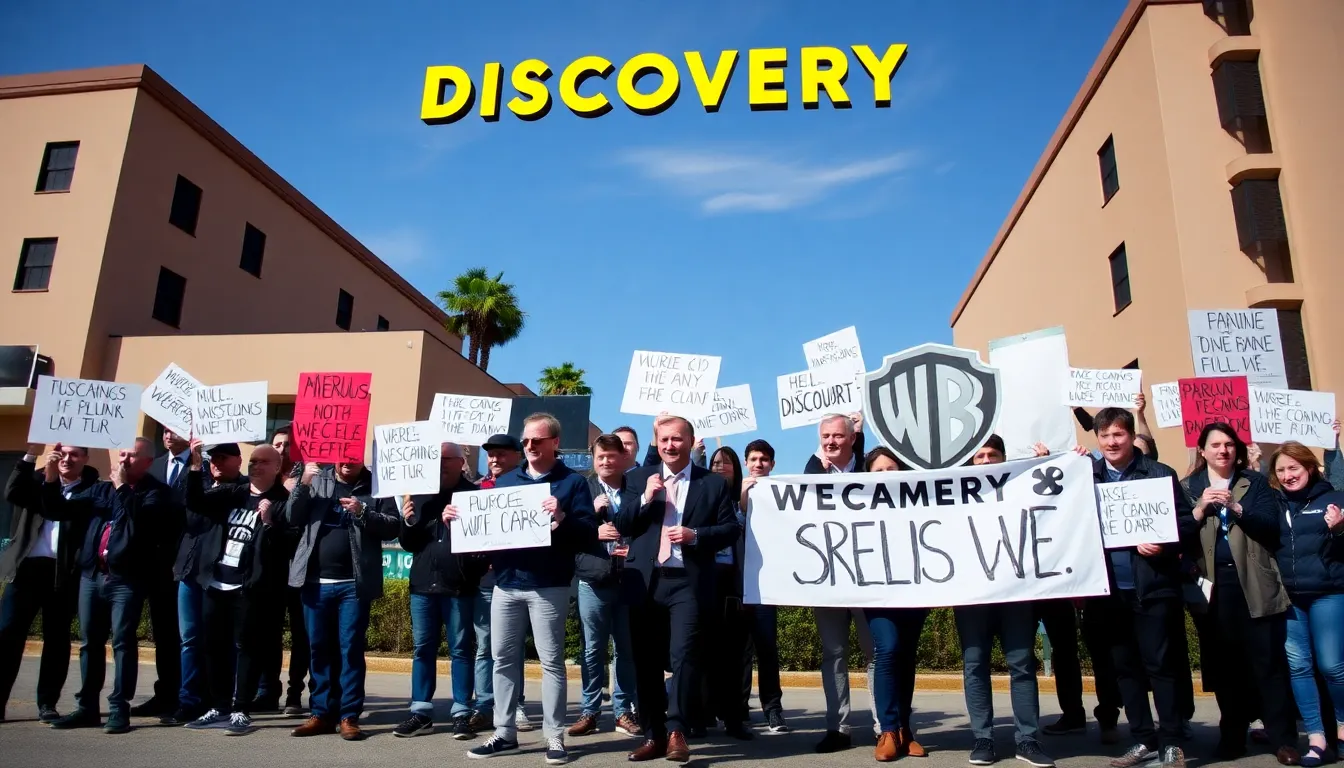
Regulatory bodies, including the Federal Trade Commission (FTC), are also critical stakeholders in this debate. They must assess the merger’s potential impact on market competition, consumer choice, and the overall health of the media landscape. This scrutiny is particularly relevant given the increasing concentration of media ownership in recent years, which has prompted calls for stricter antitrust enforcement.
- Market Competition: The merger could significantly alter the competitive landscape, potentially leading to reduced choices for consumers.
- Job Security: Concerns about layoffs and job security for employees in both companies are paramount among labor unions.
- Regulatory Approval: The merger must navigate complex regulatory hurdles, which could delay or block the process.
- Creative Independence: There are fears that the merger may stifle creative freedom and lead to homogenized content.
- Financial Implications: The economic viability of the merger hinges on projected cost savings and revenue growth, which remain uncertain.
As the debate unfolds, the interplay between these stakeholders will shape the future of the merger and the broader media landscape. The outcome could have lasting implications for the industry, influencing everything from content production to audience engagement.
Who will be affected by the merger and how
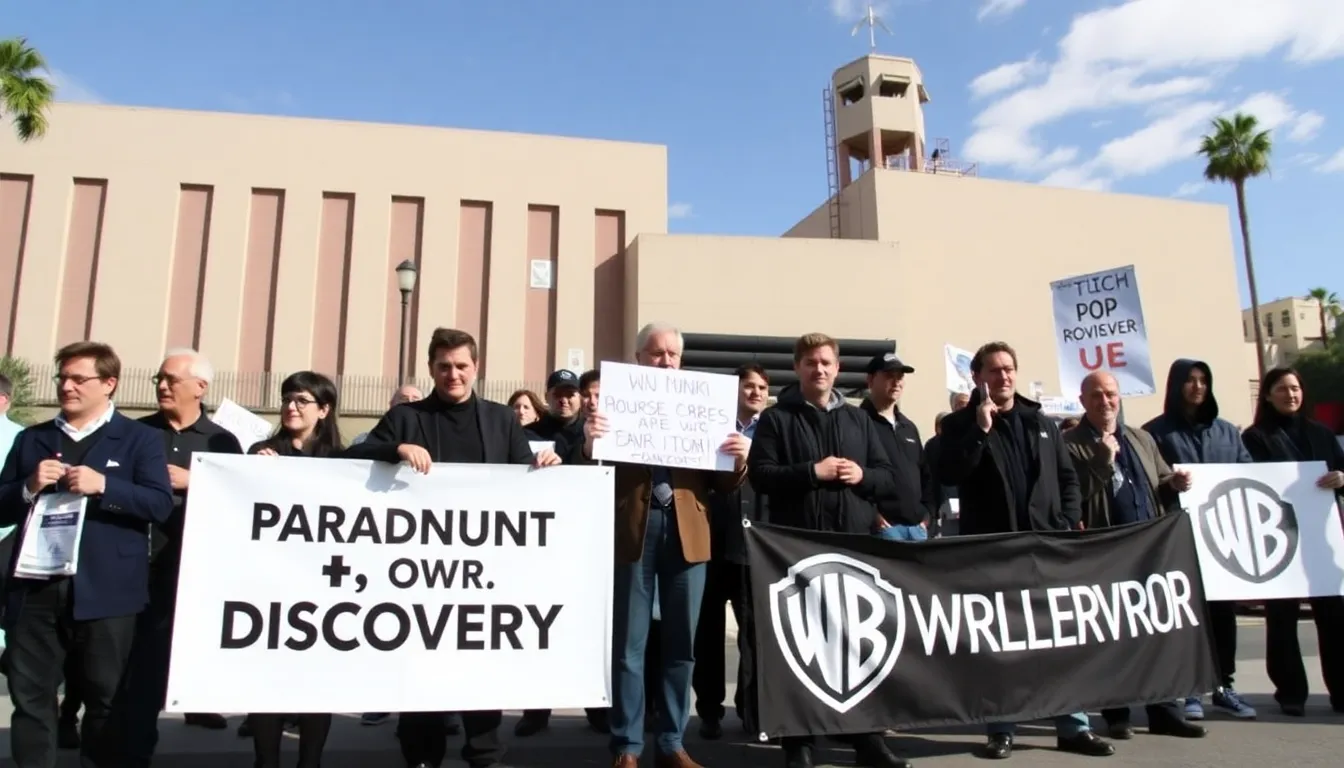
The proposed merger between Paramount and Warner Bros. Discovery is set to impact a variety of stakeholders across the entertainment industry. Key groups affected include film and television production companies, distribution networks, and creative professionals such as writers, directors, and actors. Additionally, audiences and consumers of media will experience changes in content availability and quality.
In the short term, the merger may lead to job uncertainties as overlapping roles are consolidated. This could result in layoffs or reassignments within both companies, affecting thousands of employees in Hollywood and beyond. The changes may also disrupt existing projects, delaying releases and altering production schedules, which could frustrate fans eagerly awaiting new content.
Mid-term impacts may include shifts in content strategy as the newly merged entity seeks to streamline its offerings. This could lead to a reduction in the diversity of programming available, as the focus may shift towards blockbuster franchises that promise higher returns. Conversely, there may be opportunities for innovative content creation as the merger allows for the pooling of resources and talent, potentially leading to unique collaborations.
- Job Market: Potential layoffs and job reassignments in Hollywood.
- Content Availability: Changes in the types and diversity of programming offered.
- Consumer Experience: Adjusted viewing options and possible subscription model changes.
- Creative Opportunities: New collaborations and projects stemming from combined resources.
Regions heavily reliant on the entertainment industry, particularly Los Angeles, may feel the economic ripple effects of the merger. Local businesses that cater to film and television production could see fluctuations in demand, impacting their operations. This situation presents both risks and opportunities, as the industry adapts to the new landscape.
A: The primary concern is that the merger could reduce competition in the entertainment industry, leading to less diversity in content and potential job losses. A: Many industry professionals are voicing their opposition through public statements, social media campaigns, and organized protests to highlight the potential negative impacts. A: Proponents argue that the merger could create a more robust entity capable of competing with streaming giants, potentially leading to better resources for content creation. A: ‘Lorne’ delves into the life and career of Lorne Michaels, exploring his influence on ‘Saturday Night Live’ and the comedy landscape. A: While public sentiment can influence regulatory decisions, the final outcome will depend on legal and financial assessments by the authorities.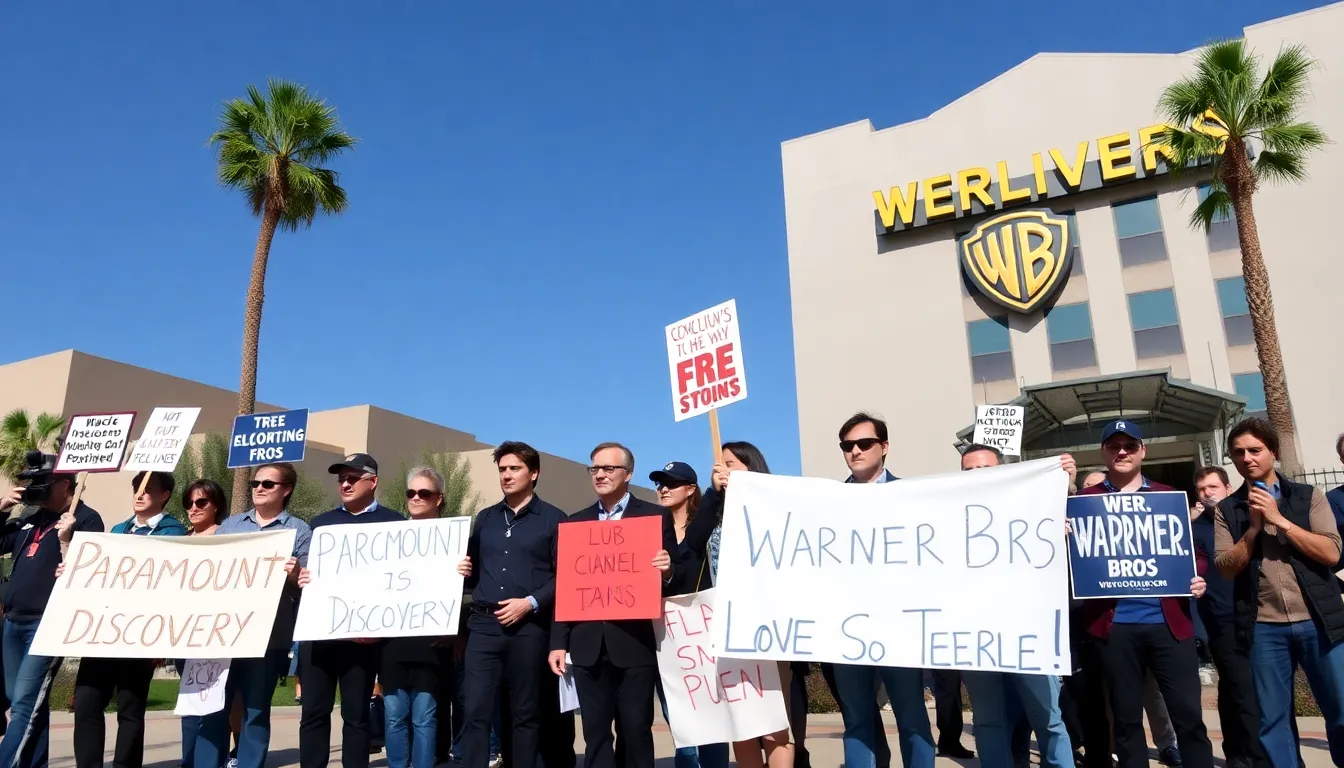
Frequently asked questions about the merger
Looking ahead: key takeaways and future outlook
The ongoing opposition from Hollywood to the proposed merger between Paramount and Warner Bros. Discovery highlights the industry’s deep concerns about consolidation and its potential impact on creativity and diversity in content. As the landscape continues to evolve, the reactions from key stakeholders will shape the future of media mergers and acquisitions.
Furthermore, the documentary ‘Lorne’ sheds light on the influential figure behind ‘SNL’, offering insights into how individual creativity can thrive amidst corporate structures. This juxtaposition raises questions about the balance between artistic integrity and commercial interests in an increasingly competitive environment.
- The outcome of the Paramount-Warner Bros. Discovery merger could set a precedent for future media consolidations, influencing regulatory scrutiny and industry standards.
- Hollywood’s opposition may lead to increased advocacy for policies that protect creative autonomy and diverse content production.
- Viewers should watch for shifts in programming and content strategy as companies adapt to the changing landscape and stakeholder pressures.
- The portrayal of Lorne Michaels in ‘Lorne’ may inspire a renewed focus on individual contributions within large media organizations, impacting how talent is nurtured and recognized.
- As mergers continue to reshape the industry, the balance between profitability and creative expression will remain a critical point of discussion among industry professionals and audiences alike.