
As of October 2023, the woman has been vocal about her experiences, highlighting the emotional and physical toll of her condition. She has participated in various local events aimed at raising awareness about chronic pain and its effects on mental health. Her advocacy efforts have resonated with many, sparking conversations about the importance of support systems for those in pain.
In recent weeks, she has collaborated with healthcare professionals and local organizations to develop resources for others facing similar challenges. These initiatives include workshops and support groups designed to empower individuals and provide them with coping strategies. The woman’s determination to turn her pain into purpose is inspiring many to take action and seek help.
This situation is significant as it sheds light on the broader issue of chronic pain and its often invisible nature. Many individuals suffer in silence, and the woman’s story serves as a reminder of the importance of empathy and understanding in society. By sharing her journey, she hopes to encourage others to speak out and seek the support they need.
The background of her condition and its impact on daily life
The condition affecting the woman at the center of this story is known as fibromyalgia, a chronic disorder characterized by widespread musculoskeletal pain, fatigue, and tenderness in localized areas. Historically, fibromyalgia has been misunderstood and often dismissed as a psychological issue rather than a legitimate medical condition. This stigma has roots in the late 20th century when chronic pain conditions were frequently categorized as psychosomatic, leading to inadequate treatment options and a lack of recognition.
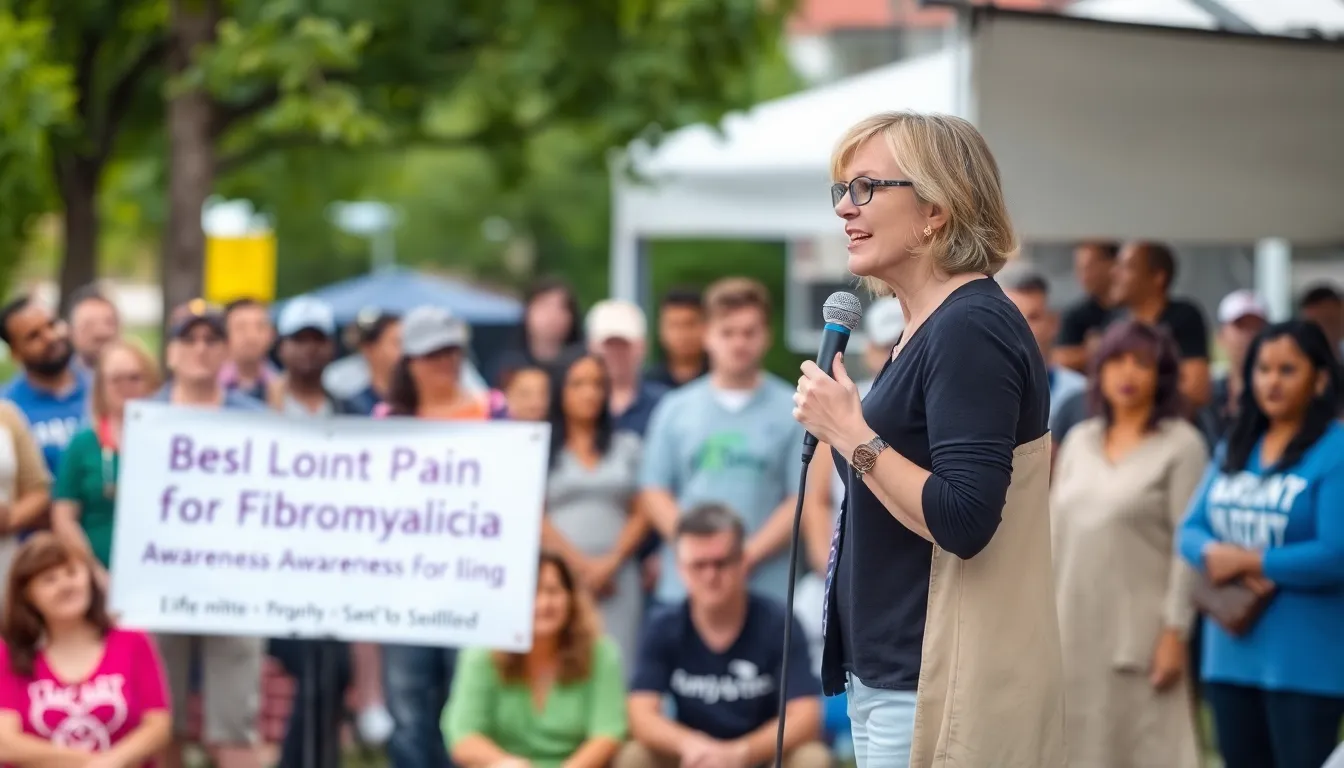
In the early 1990s, the American College of Rheumatology officially recognized fibromyalgia as a distinct clinical entity. This milestone was crucial in shifting the perception of the disease within the medical community and society at large. However, despite this acknowledgment, many patients continue to face skepticism regarding their symptoms, which can severely impact their daily lives, relationships, and mental health.
The economic implications of living with fibromyalgia are significant. Patients often experience a decrease in productivity and an increased need for medical care, which can lead to financial strain. In many cases, individuals with fibromyalgia are unable to maintain full-time employment, resulting in a reliance on disability benefits or support from family members. This economic burden not only affects the individuals but also places a strain on healthcare systems and social services.
The social stigma and its effects
The social stigma surrounding fibromyalgia can lead to feelings of isolation and frustration for those affected. Many individuals report being labeled as “lazy” or “exaggerating” their pain, which can exacerbate the emotional toll of the condition. Support groups and advocacy organizations have emerged to help combat this stigma and provide resources for those struggling with fibromyalgia, emphasizing the importance of community and understanding in the healing process.
Exploring the key challenges and stakeholders involved
The situation surrounding the woman with the ‘agonising’ condition highlights a complex interplay of various stakeholders, each with distinct interests and concerns. At the forefront are the patients suffering from similar conditions, advocacy groups, healthcare providers, and policymakers. Each group plays a crucial role in shaping the discourse and potential solutions related to chronic illness management.
Patients, particularly the woman in question, seek relief from their debilitating symptoms while also striving to contribute positively to society. Their primary interest lies in gaining access to effective treatments and support systems that can enhance their quality of life. Advocacy groups, on the other hand, aim to raise awareness about the challenges faced by those with chronic conditions, pushing for policy changes and funding for research.

Healthcare providers, including doctors and specialists, are integral to the discussion as they navigate the complexities of treatment options and patient care. Their interests often align with providing the best possible outcomes for patients, but they also face constraints such as limited resources and the need to adhere to regulatory guidelines. Policymakers must balance the demands of public health with budgetary considerations, leading to potential conflicts over funding and resource allocation.
- Patient Advocacy: The need for increased awareness and support for chronic conditions.
- Healthcare Accessibility: Ensuring equitable access to treatments and support services.
- Research Funding: The importance of financial support for ongoing studies into chronic illnesses.
- Policy Development: The role of government in creating frameworks that benefit patients.
- Healthcare Provider Challenges: Balancing patient care with institutional limitations.
Conflicts often arise when the interests of these stakeholders diverge. For instance, while patients advocate for immediate access to innovative treatments, healthcare providers may face regulatory hurdles that delay implementation. Additionally, the economic implications of funding research and treatment options can lead to trade-offs that affect patient care. Understanding these dynamics is essential for developing a comprehensive approach to address the challenges faced by individuals with chronic conditions.
The broader implications for the community and healthcare
The recent story of a woman suffering from an agonising condition who aims to ‘give back’ has resonated deeply within various communities and industries. This situation highlights the challenges faced by individuals with chronic health issues and the ripple effects on their families, healthcare providers, and support networks. As awareness grows, it becomes crucial to understand the broader implications for these groups.
In the short term, the healthcare sector may see an increase in demand for specialized services and support systems. Patients experiencing similar conditions may seek consultations, leading to a potential strain on resources. Healthcare providers, especially in regions where such conditions are prevalent, may need to adapt their practices to accommodate the influx of new patients.
Mid-term impacts could include shifts in policy as advocacy groups push for better resources and support for those affected. This could lead to increased funding for research into chronic conditions, ultimately benefiting not just the patients but also the healthcare industry as a whole. Additionally, businesses that provide wellness products or services may find new opportunities in catering to this demographic.

- Increased demand for specialized healthcare services.
- Potential policy changes advocating for chronic condition support.
- Opportunities for businesses in wellness and support industries.
However, there are risks associated with this situation as well. If healthcare systems become overwhelmed, the quality of care may decline, affecting patient outcomes. Furthermore, if businesses fail to meet the needs of this growing demographic, they could miss out on a significant market opportunity. Balancing these risks with the potential for positive change will be essential for stakeholders involved.
A: She suffers from a chronic pain condition that significantly affects her daily life and well-being. A: She aims to support others with similar conditions through awareness campaigns and community support initiatives. A: She has faced numerous challenges, including managing her pain and finding resources to help others. A: People can support her by participating in her initiatives, spreading awareness, and contributing to fundraising efforts. A: She wants to inspire others not to lose hope and to show that even in pain, one can make a positive impact.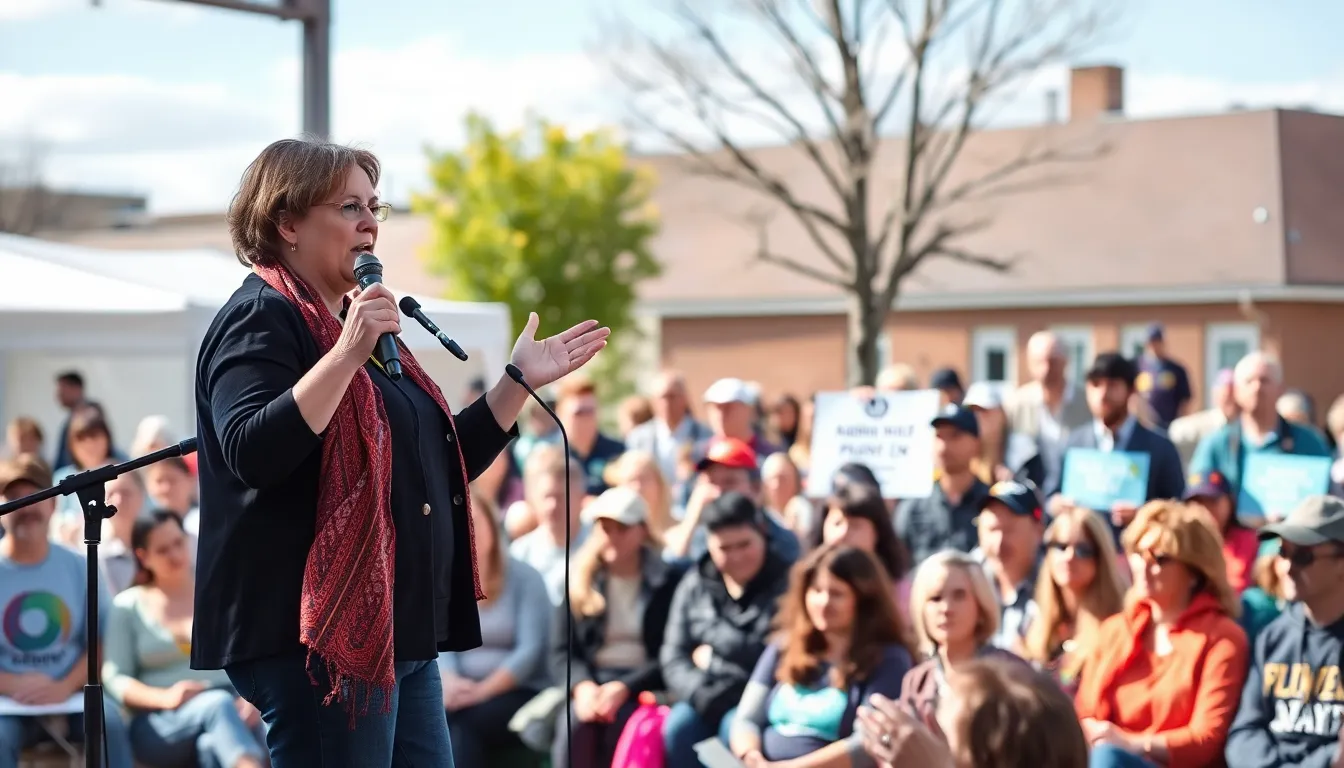
Frequently asked questions about her journey
Key takeaways and future outlook on her mission
The journey of the woman living with an ‘agonising’ condition serves as a profound reminder of resilience and the power of community support. Her commitment to giving back highlights the importance of empathy and understanding in addressing chronic health challenges. As she embarks on this mission, there are several implications for both individuals facing similar struggles and the broader society.
Looking ahead, her efforts could inspire others to engage in advocacy and support for those with chronic conditions. The potential for increased awareness and resources could lead to improved quality of life for many, fostering a more inclusive environment for individuals dealing with health adversities.
- Advocacy for chronic illness can lead to greater awareness and understanding in society.
- Community support networks play a crucial role in the well-being of those with chronic conditions.
- Personal stories can inspire others to take action and contribute to meaningful change.
- Increased visibility of health issues may result in better access to resources and treatment options.
- Empathy and compassion are essential in building a supportive environment for individuals facing health challenges.