
Her detention has drawn international condemnation, with many countries and human rights organizations calling for her release and the restoration of democracy in Myanmar. The United Nations has urged the military junta to cease its violent crackdown on dissent, which has resulted in thousands of deaths and widespread human rights abuses since the coup.
In August 2021, Aung San Suu Kyi was sentenced to four years in prison, a sentence that was later reduced to two years. Subsequent trials have added to her prison time, with her legal team asserting that the proceedings are unfair and lack transparency. Her continued imprisonment symbolizes the broader struggle for democracy in Myanmar, as highlighted in the article about thousands of trees creating habitat powerhouses and the challenges faced by activists and political leaders in the region.
As the situation evolves, the international community remains divided on how to respond effectively. While some nations have imposed sanctions on the military leaders, others maintain diplomatic relations, complicating efforts to achieve a unified stance against the military regime. The future of Aung San Suu Kyi and the democratic aspirations of the Myanmar people remain uncertain amid ongoing political turmoil.
Historical context of Myanmar’s political landscape
Myanmar, also known as Burma, has a complex and tumultuous political history that has significantly shaped its current landscape, including the events leading to Aung San Suu Kyi’s current detention. Following its independence from British colonial rule in 1948, the country struggled with internal conflicts and ethnic tensions, leading to a series of military coups.
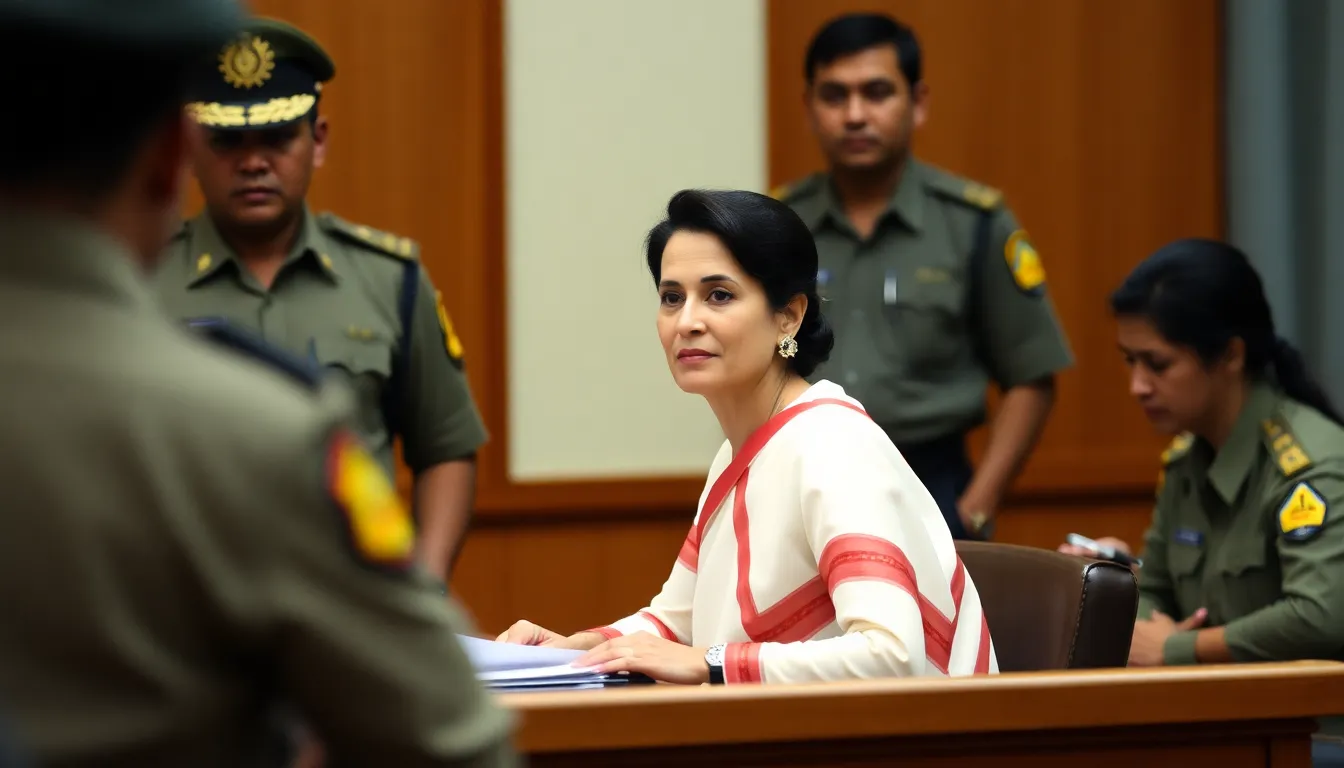
In the late 1980s, widespread pro-democracy protests emerged, culminating in the 1988 uprising. This movement was met with brutal repression, but it laid the groundwork for the emergence of Aung San Suu Kyi as a prominent political figure. As the daughter of independence hero Aung San, she became the face of the National League for Democracy (NLD), advocating for democratic reforms and human rights.
The 1990 general elections saw the NLD win a landslide victory, but the military junta refused to recognize the results, leading to Suu Kyi’s house arrest. Her detention became a symbol of the struggle for democracy in Myanmar, drawing international attention and condemnation. Over the years, various sanctions were imposed on the military regime, and Suu Kyi received numerous awards, including the Nobel Peace Prize in 1991.
Key milestones in Myanmar’s democratic journey
In 2010, a nominally civilian government came to power, leading to a series of reforms and a cautious opening of the political space. Aung San Suu Kyi was released from house arrest in 2010 and subsequently elected to parliament in 2012. Her leadership during this period was marked by a mix of optimism and challenges, particularly regarding the treatment of ethnic minorities and the Rohingya crisis.
Despite the initial progress, the military retained significant power, and tensions remained high. In February 2021, the military staged a coup, detaining Suu Kyi and other leaders, effectively reversing years of democratic gains. This event has plunged Myanmar back into political turmoil, with ongoing protests and violent crackdowns by the military, raising concerns about the future of democracy in the country.
Key stakeholders and issues surrounding her detention
Aung San Suu Kyi, a prominent figure in Myanmar’s pro-democracy movement, has been a focal point in the country’s political landscape. Her detention has drawn the attention of various stakeholders, each with distinct interests and perspectives. These stakeholders include the military junta, international governments, human rights organizations, and the citizens of Myanmar.
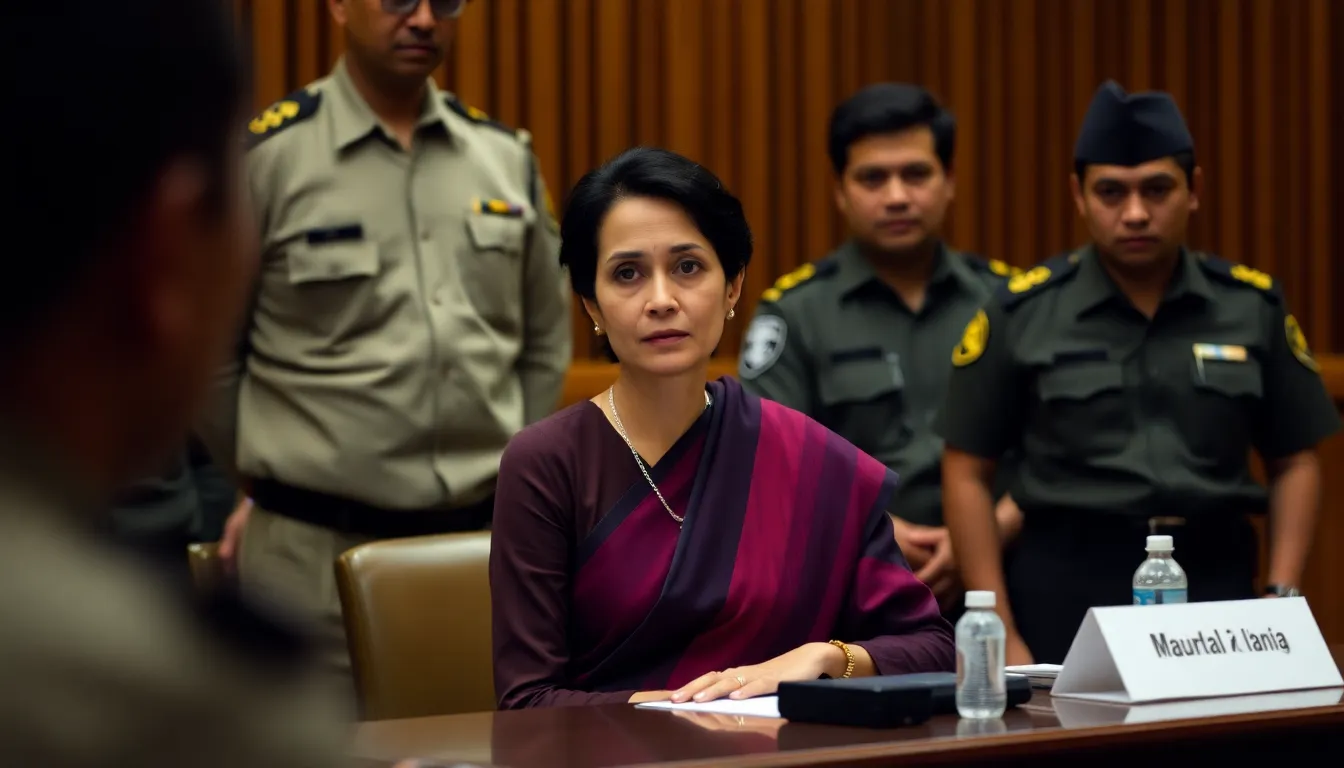
The military junta, which seized power in February 2021, seeks to maintain control over Myanmar and suppress any opposition. Their primary interest lies in consolidating power and quelling dissent, which they perceive as a threat to their authority. This has led to a significant crackdown on political opponents, including Suu Kyi, who is viewed as a symbol of resistance against military rule.
International governments are also key players in this situation. Many Western nations have condemned the coup and imposed sanctions on Myanmar’s military leaders. Their interests revolve around promoting human rights and restoring democratic governance in Myanmar, which ties into global discussions similar to those seen in the Narges Mohammadi Iranian Nobel Laureate case.
- Human Rights Organizations: These groups advocate for Suu Kyi’s release and the protection of civil liberties in Myanmar. They highlight the ongoing abuses and the need for accountability.
- Myanmar Citizens: The general population is deeply affected by the political turmoil, with many supporting Suu Kyi’s vision of democracy while also facing economic challenges exacerbated by the military’s actions.
- Regional Powers: Countries in Southeast Asia, such as Thailand and Indonesia, have interests in maintaining stability in Myanmar, often advocating for dialogue rather than confrontation.
The key issues surrounding Suu Kyi’s detention include legal and economic dimensions. Legally, her trial and the charges against her have been widely criticized as politically motivated, raising concerns about the rule of law in Myanmar. Economically, the sanctions imposed by various nations have further strained the already fragile economy, impacting the livelihoods of ordinary citizens and complicating the humanitarian situation in the country.
Impact of her detention on Myanmar and its citizens
The detention of Aung San Suu Kyi has far-reaching implications for various groups and industries across Myanmar. The political landscape has shifted dramatically, affecting not only the governance of the country but also the everyday lives of its citizens. The military’s grip on power has created an atmosphere of fear and uncertainty, impacting social cohesion and public trust.
In the short term, the immediate effects are evident in the daily lives of ordinary citizens. The economy has suffered due to international sanctions and a loss of foreign investment, leading to increased unemployment and a decline in living standards. Essential services, including healthcare and education, have also been disrupted as resources are diverted to maintain military control.
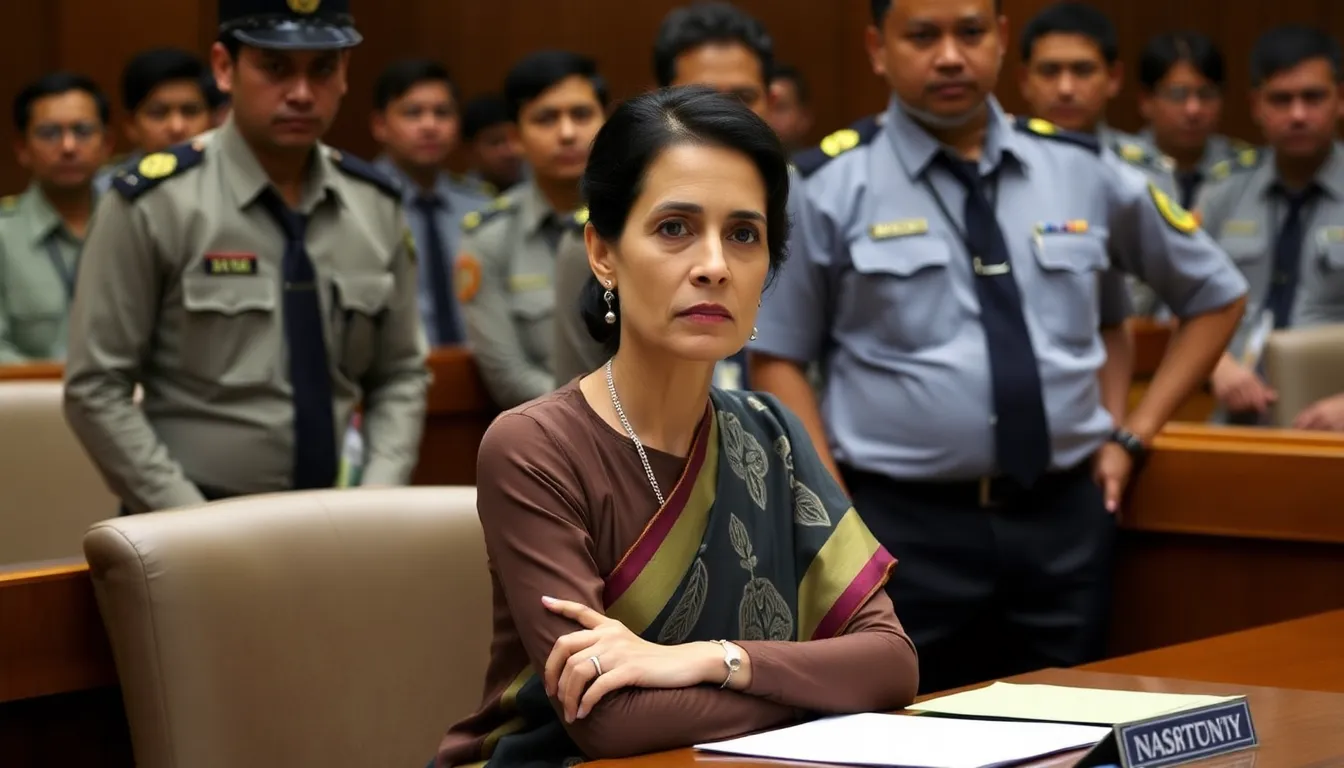
In the mid-term, the political instability may lead to further civil unrest, as various ethnic groups and pro-democracy activists continue to challenge the military regime. This unrest could exacerbate regional tensions, particularly in border areas where ethnic minorities have historically faced discrimination. The potential for conflict poses a risk to both local communities and international relations.
- Economic downturn: Increased unemployment and decreased foreign investment.
- Social unrest: Heightened tensions among ethnic groups and pro-democracy advocates.
- Policy changes: Potential shifts in governance and international relations.
Despite the challenges, there are opportunities for grassroots movements and civil society organizations to mobilize and advocate for change. The global community’s attention on Myanmar may lead to increased support for democracy initiatives and humanitarian aid, offering a glimmer of hope for a more stable and just future.
A: Aung San Suu Kyi was detained following a military coup in February 2021, which overthrew her democratically elected government. The military accused her and her party of electoral fraud, leading to her arrest. A: The international community has widely condemned her detention, with many countries imposing sanctions on Myanmar’s military leaders. Human rights organizations have called for her immediate release. A: Her detention has severely undermined Myanmar’s democratic progress, leading to increased military control and civil unrest. Many citizens continue to protest against the coup and demand her release. A: Aung San Suu Kyi is facing multiple charges in a military court, with trials that many observers consider politically motivated. Her legal battles continue amidst calls for fair treatment. A: Her continued detention poses significant challenges for Myanmar’s political stability and democratic aspirations. The future remains uncertain as tensions between the military and pro-democracy forces persist.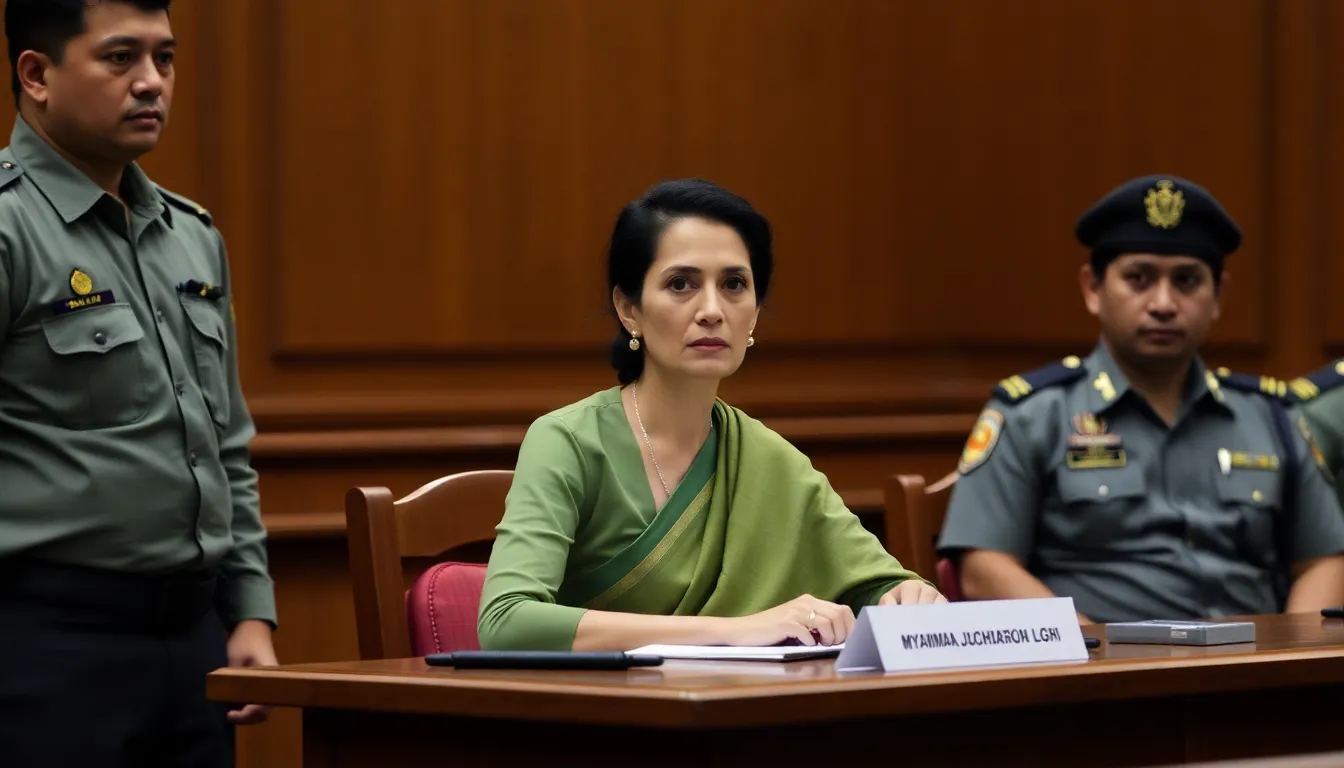
Frequently asked questions about Aung San Suu Kyi
Key insights and future outlook on her situation
Aung San Suu Kyi’s prolonged detention highlights the ongoing struggle for democracy in Myanmar, reflecting the complexities of political power and civil rights in the region. Her legacy as a symbol of resistance against authoritarianism remains potent, yet the current political landscape poses significant challenges for both her supporters and the international community. Observers must consider the implications of her continued absence from the political arena and the potential shifts in public sentiment regarding democracy and governance in Myanmar.
As the situation evolves, it is crucial to monitor the dynamics between the military junta, opposition groups, and the international response. The future of Myanmar’s democracy may hinge on the ability of these factions to navigate their differences and work towards a unified vision for the country.
- The international community’s response will play a critical role in shaping Myanmar’s political future, particularly regarding sanctions and diplomatic engagement.
- Public sentiment in Myanmar may shift as the younger generation, increasingly aware of global democratic ideals, seeks greater representation and rights.
- The potential for negotiations between the military and opposition forces could emerge, depending on internal and external pressures.
- Continued advocacy for human rights and democratic processes will be essential for sustaining momentum against authoritarian rule.
- Monitoring the impact of regional geopolitics on Myanmar’s situation will provide insights into possible alliances and conflicts that could influence the path to democracy.