
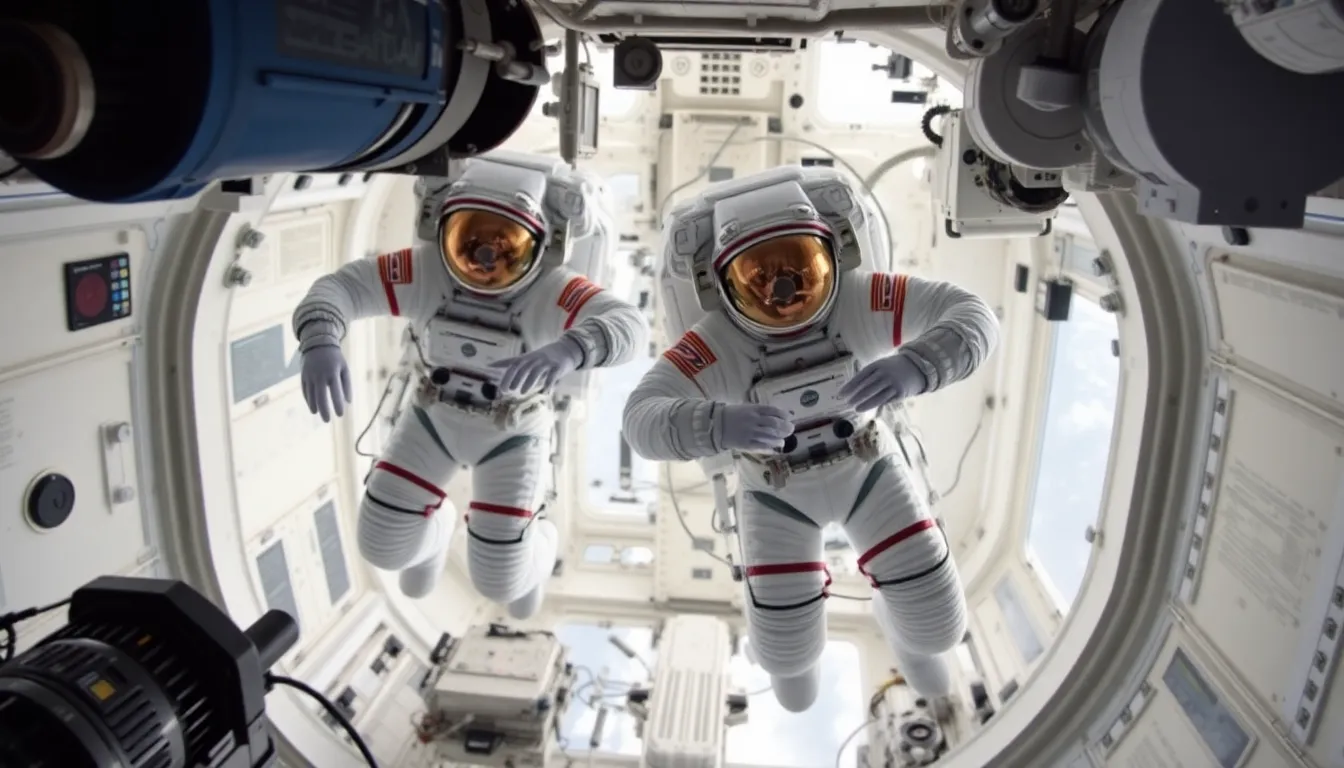
The astronauts conducted over 20 experiments focused on areas such as materials science, biology, and human health. Notably, they investigated the effects of microgravity on muscle atrophy, which could have implications for long-duration space travel and aging on Earth. This research aligns with ongoing advancements in space exploration, similar to the groundbreaking studies conducted during NASA’s Artemis missions.
In addition to scientific research, the crew performed critical maintenance on the ISS, ensuring that the station remains operational and safe for future missions. This included routine checks on life support systems and repairs to the solar panels that provide power to the station, a task that underscores the importance of international cooperation highlighted in other recent missions.
The mission also included educational outreach activities, where astronauts communicated with students on Earth, sharing their experiences and inspiring the next generation of scientists and engineers. This engagement underscores the importance of public interest and support for space exploration.
As space agencies prepare for future missions to the Moon and Mars, the data collected during this ten-day mission will be vital in informing strategies for long-term human habitation in space. The successful completion of these activities reinforces the significance of continued investment in space exploration and international collaboration.
Background on the space mission and its objectives
The recent ten-day space mission marks a significant milestone in the ongoing exploration of outer space, reflecting decades of advancements in aerospace technology and international cooperation. Since the dawn of the Space Age in the late 1950s, space missions have evolved from simple satellite launches to complex human expeditions that aim to expand our understanding of the universe and our place within it, much like what the Artemis II crew is currently aiming to achieve.
Historically, space missions have been driven by a combination of scientific curiosity and geopolitical competition. The Cold War era saw the United States and the Soviet Union racing to achieve significant milestones in space exploration, culminating in landmark events such as the Apollo moon landing in 1969. In the decades that followed, international partnerships, exemplified by the International Space Station (ISS), transformed space exploration into a collaborative effort involving multiple countries working toward common goals, such as scientific research and technological development.
Economically, the space sector has grown into a multi-billion dollar industry, with investments from both government and private entities. This growth has been fueled by advancements in technology that have reduced costs and increased access to space. The recent mission included experiments that could lead to breakthroughs in areas such as materials science, medicine, and environmental monitoring, highlighting the potential for economic benefits derived from space research.
Key Milestones in Space Exploration
Several key milestones have paved the way for current missions, including the launch of the first human into space, Yuri Gagarin, in 1961, and the establishment of the ISS in 1998, which serves as a platform for international scientific collaboration. These events have not only set the stage for future exploration but have also fostered public interest and support for space programs. The recent mission builds on this legacy, showcasing the ongoing commitment to pushing the boundaries of human knowledge and capability in space.
Key issues and stakeholders involved in the mission
The recent 10-day mission in space involved a diverse array of stakeholders, each with unique interests and concerns. The primary actors include government space agencies, private aerospace companies, and the astronauts themselves. Each stakeholder plays a crucial role in the mission’s success and the broader implications for space exploration.

Government space agencies, such as NASA and ESA, are focused on advancing scientific research and technology development. Their interests lie in the successful execution of missions that can provide valuable data on human health in space, as well as insights into potential future colonization efforts. Additionally, these agencies face budgetary constraints that necessitate careful planning and prioritization of missions.
Private aerospace companies, like SpaceX and Blue Origin, have a vested interest in demonstrating the viability of commercial space travel. Their involvement in the mission highlights a growing trend towards public-private partnerships in space exploration. These companies aim to capitalize on the burgeoning space tourism market while also contributing to scientific advancements. However, they must navigate regulatory landscapes and safety concerns that can impact their operations.
- Scientific Research: The mission’s experiments provide crucial data on the effects of microgravity on human physiology.
- Commercial Interests: Private companies seek to establish a foothold in the emerging space economy.
- Regulatory Challenges: Compliance with international space treaties and national regulations is essential for all stakeholders.
- Public Perception: The success or failure of such missions can influence public support for future space initiatives.
Another critical issue is the ethical implications of space exploration. As humanity ventures further into space, questions arise regarding the potential for contamination of other celestial bodies and the preservation of space environments. Stakeholders must grapple with these ethical dilemmas while balancing their scientific and commercial ambitions.
Impact of the mission on science and public interest
The recent 10-day mission in space has far-reaching effects on various groups, industries, and regions. Primarily, the scientific community is invigorated by the data collected, which could lead to advancements in technology and medicine. Educational institutions are also positively impacted as they can leverage the mission’s findings to inspire students and enhance STEM programs.
In the short term, public interest in space exploration is likely to surge, leading to increased viewership of space-related content, merchandise sales, and participation in educational programs. The mission may also boost tourism in regions associated with space agencies, such as Houston, Texas, and Cape Canaveral, Florida, as people seek to engage with space and science.
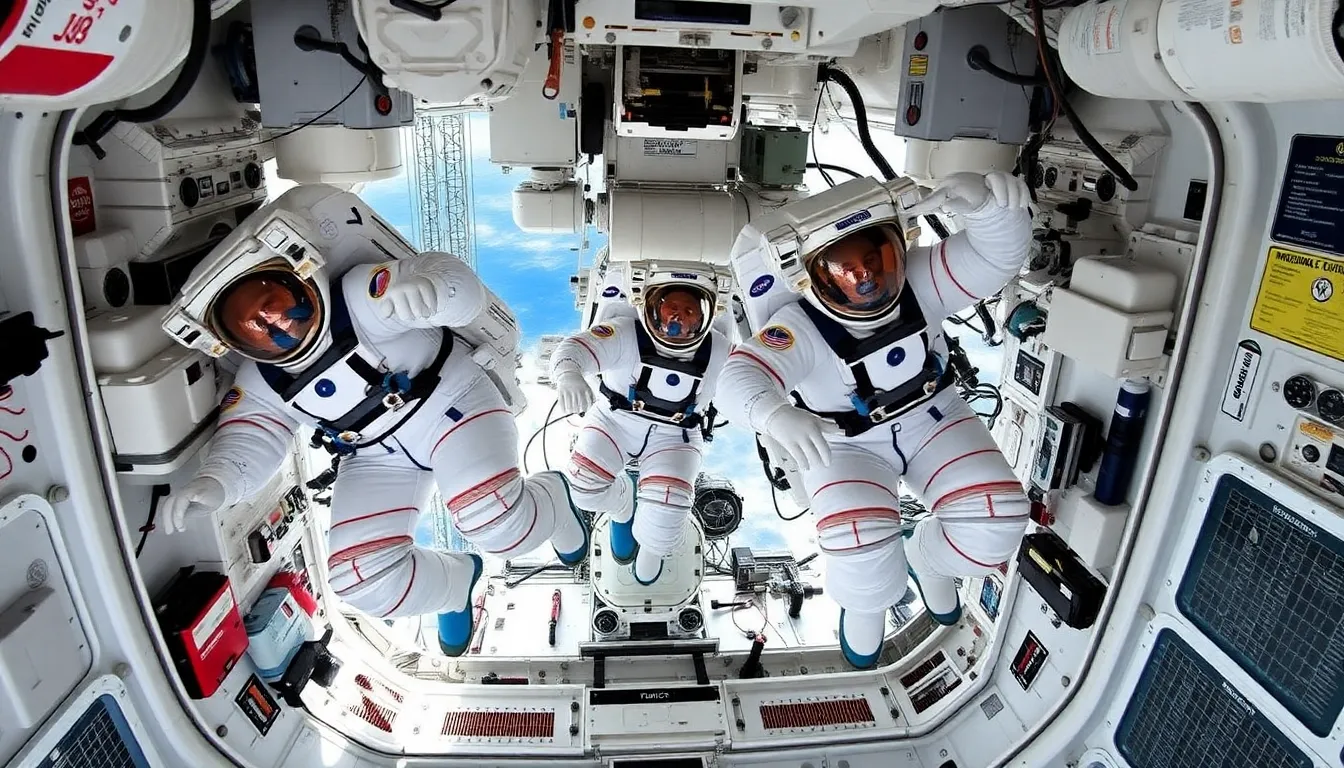
Mid-term impacts could include policy shifts as governments recognize the importance of funding for space exploration and research. Businesses in the aerospace sector may experience growth as contracts for future missions and technology development increase. Furthermore, the mission can encourage international collaboration, fostering partnerships that enhance global scientific research.
- Scientific Advancements: Potential breakthroughs in health, materials science, and environmental monitoring.
- Economic Growth: Increased investment in aerospace and related industries.
- Public Engagement: Heightened interest in space science among the general public.
- Policy Development: New initiatives and funding for space exploration and education.
However, there are risks associated with such missions, including the potential for public disillusionment if expectations are not met. Additionally, the high costs of space missions may lead to debates over budget allocations in other critical areas such as healthcare and education. Balancing these priorities will be essential as society moves forward in the wake of this mission.
A: The astronauts conducted various experiments focusing on biology, physics, and materials science to understand how microgravity affects different processes. A: Astronauts used a combination of radio communication and video conferencing to stay in contact with mission control throughout their mission. A: The astronauts encountered challenges such as adapting to microgravity, managing limited resources, and ensuring their physical and mental well-being. A: Yes, the astronauts participated in live Q&A sessions with students and the public to share their experiences and promote interest in space exploration. A: The findings from this mission will help inform future missions, particularly those aimed at longer durations in space, such as Mars exploration.
Frequently asked questions about the space mission
Key takeaways and future implications of the mission
The recent 10-day mission in space provided invaluable insights into the physical and psychological effects of prolonged space travel on astronauts. Observations from this mission not only enhance our understanding of human adaptability in microgravity but also pave the way for future long-duration space exploration. As we look ahead, the data collected will play a crucial role in preparing for missions to Mars and beyond.
Furthermore, the collaborative efforts among international space agencies highlight the importance of teamwork in overcoming challenges faced in space. This mission serves as a reminder of the potential advancements in technology and research that can emerge from such partnerships.
- Increased understanding of human physiology in space can inform future health protocols for astronauts.
- Data on psychological well-being will be crucial for planning long-term missions, ensuring mental health support is prioritized.
- Collaborative international efforts can lead to innovative solutions and shared resources for space exploration.
- Findings may accelerate the development of life-support systems necessary for deep-space missions.
- Public interest and investment in space exploration may increase, potentially leading to advancements in related technologies on Earth.