
Among the most significant innovations are the Macintosh, introduced in 1984, which popularized the graphical user interface, and the iPhone, launched in 2007, which revolutionized the smartphone market. These products not only transformed how people interact with technology but also set new standards for design and functionality. Apple’s ability to blend hardware and software has created a loyal customer base and a robust ecosystem that continues to influence competitors, including those in the music industry.
However, not all of Apple’s ventures have met with success. Products like the Apple Pippin, a multimedia player released in 1996, and the Apple Newton, an early attempt at a personal digital assistant, failed to gain traction in the marketplace. These missteps highlight the challenges the company faced in its pursuit of innovation and the risks associated with its ambitious vision, similar to the hurdles faced in reviving artistic careers.
Today, as Apple navigates a rapidly changing technological landscape, it remains a pivotal player with a market capitalization exceeding $2 trillion. The company’s focus on services, privacy, and sustainability reflects its commitment to adapting to consumer demands and global challenges. As it looks ahead, Apple continues to shape the future of technology while honoring its rich history.
The historical significance of Apple’s product launches
Since its founding in 1976, Apple Inc. has been at the forefront of technological innovation, shaping the landscape of consumer electronics and influencing various aspects of daily life. The company’s ethos of simplicity and design excellence has driven the development of products that not only meet consumer needs but also create entirely new markets. This transformation has been pivotal in defining the tech industry, with Apple’s product launches often serving as benchmarks for competitors and inspiring new trends.
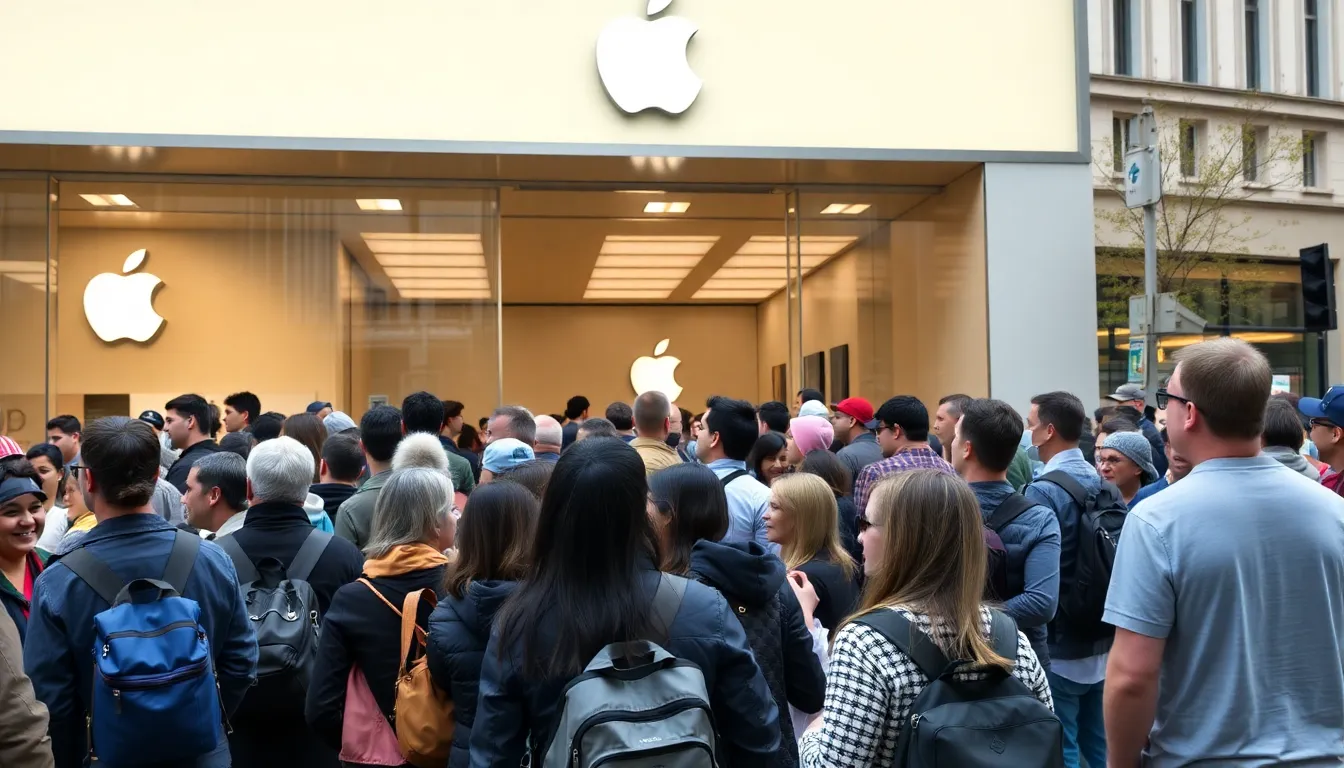
One of the most significant milestones in Apple’s history was the introduction of the Macintosh in 1984. This personal computer revolutionized the way users interacted with technology through its graphical user interface and mouse-driven navigation. It marked a shift away from the command-line interfaces that dominated the computing landscape at the time, making computers more accessible to the general public. The Macintosh set the stage for the personal computer boom of the late 20th century and solidified Apple’s role as a leader in innovation.
Fast forward to 2007, when Apple unveiled the iPhone, a device that would redefine communication and mobile computing. The iPhone combined a phone, an iPod, and an internet communicator into a single handheld device, paving the way for the smartphone era. Its introduction not only transformed how people communicate but also catalyzed the development of countless applications and services, fundamentally altering social interactions and commerce in the digital age, much like how cultural events create social connections.
Apple’s less impactful products
While Apple has had its share of groundbreaking innovations, not all of its products have resonated with consumers in the same way. For instance, the Apple Pippin, released in 1996, aimed to combine gaming and internet browsing but ultimately failed to capture market interest. Similarly, the Apple Newton, an early attempt at a personal digital assistant, was ahead of its time but suffered from technical limitations and high costs, leading to its discontinuation. These examples highlight that even a company renowned for its innovation can experience setbacks and missteps in product development.
In summary, Apple’s journey over the past 50 years illustrates a dynamic interplay between innovation and market reception. While many of its products have significantly impacted society, others have served as reminders of the challenges inherent in predicting consumer needs and technological trends.
Key products that revolutionized technology and those that didn’t
As Apple celebrates its 50th anniversary, the impact of its products on society is undeniable. The company has not only transformed the consumer electronics landscape but has also influenced various stakeholders, including consumers, developers, competitors, and regulatory bodies. Understanding these dynamics reveals the complexities behind Apple’s successes and failures.
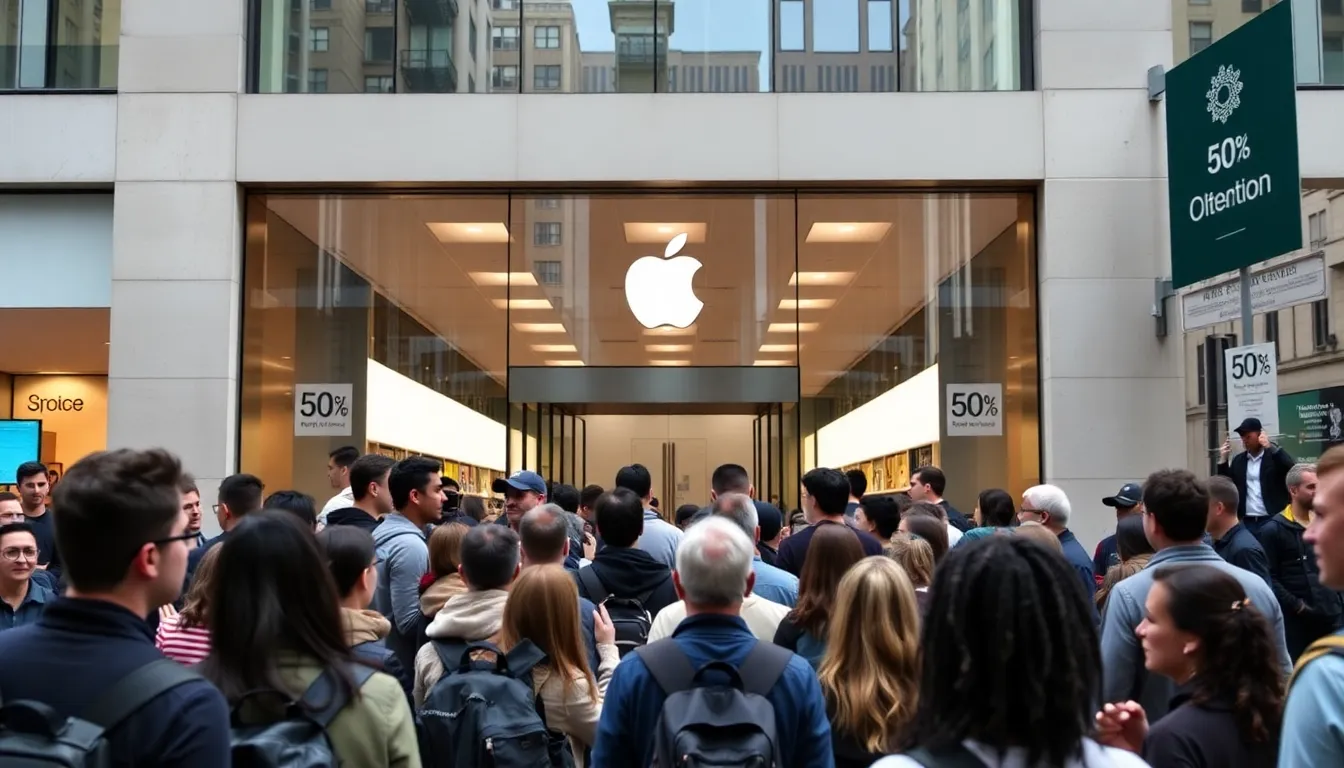
Among the standout products that changed the way we live are the iPhone, MacBook, and iPad. Each of these devices has redefined user experience and has become integral to modern life. The iPhone, for instance, revolutionized communication and mobile computing, while the MacBook has set standards in personal computing. The iPad created a new category of devices that bridged the gap between smartphones and laptops.
However, not all Apple products have had the same level of impact. Devices like the Apple Pippin, a multimedia console, and the Apple Newton, an early attempt at a personal digital assistant, failed to gain traction in the market. These products highlight the challenges Apple faces in aligning innovation with consumer demand.
- Consumer Interests: Users seek products that enhance productivity and connectivity, driving Apple’s focus on seamless integration and user experience.
- Developer Ecosystem: Developers are interested in the tools and platforms that Apple provides, which can either foster innovation or stifle it through restrictive policies.
- Regulatory Scrutiny: Governments and regulatory bodies are increasingly concerned about monopolistic practices and data privacy, which can lead to legal challenges for Apple.
- Market Competition: Competitors aim to capture market share by offering alternatives, which can pressure Apple to continuously innovate and adapt.
The interplay between these stakeholders creates a landscape filled with trade-offs. For example, while Apple’s closed ecosystem promotes security and user experience, it also raises concerns about competition and consumer choice. Legal issues surrounding antitrust regulations further complicate this dynamic, as Apple navigates its role in the tech industry.
How Apple’s innovations have shaped consumer behavior and the market
Apple’s influence extends far beyond its product line, affecting various groups and industries worldwide. Consumers, tech enthusiasts, and businesses alike have felt the ripple effects of Apple’s innovations. From the introduction of the iPhone to the MacBook, the company has redefined user expectations and market standards.
In the short term, the launch of groundbreaking products often leads to immediate shifts in consumer behavior. Users quickly adapt to new technologies, resulting in increased demand for compatible accessories and services. Industries such as telecommunications, software development, and retail experience heightened activity as they rush to cater to the growing ecosystem surrounding Apple products.
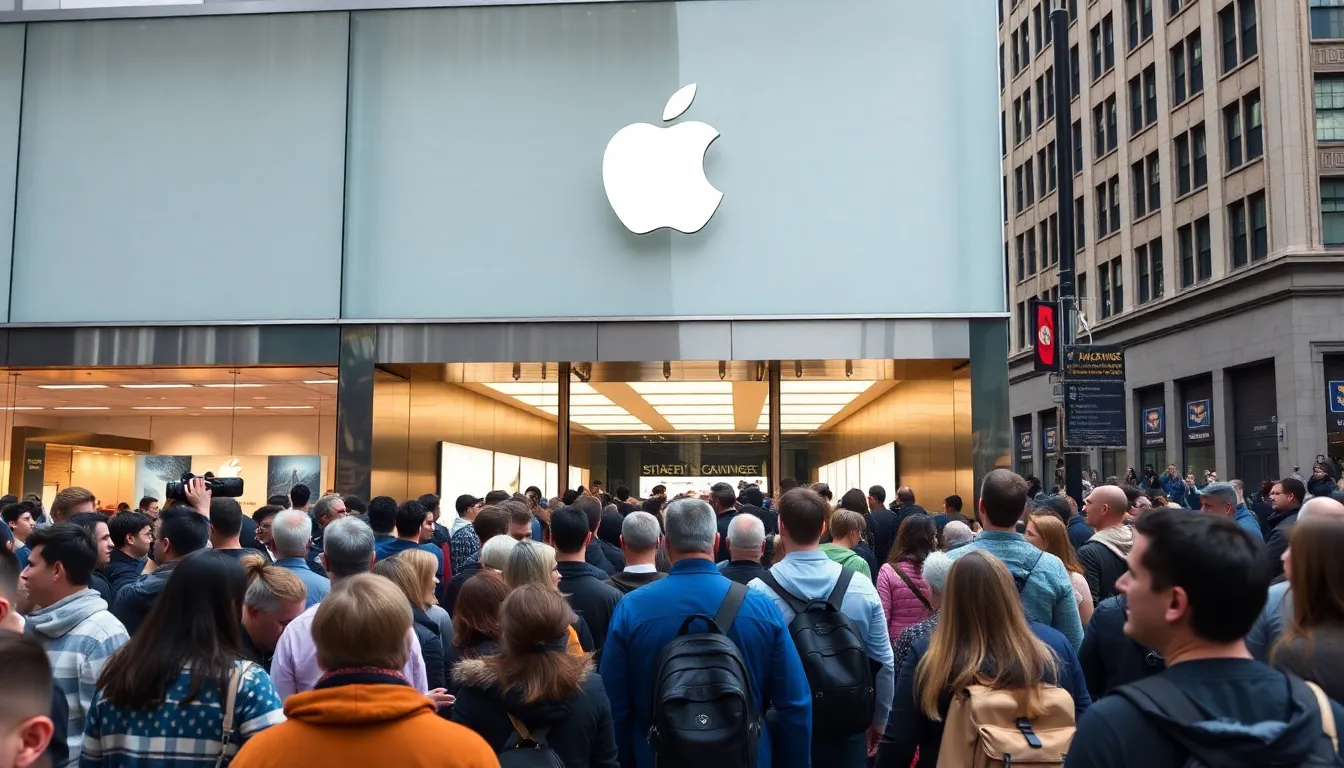
In the mid-term, these innovations can lead to significant changes in business strategies and policies. Companies may need to pivot their approaches to remain competitive, particularly in sectors like app development, where the App Store has created a lucrative marketplace. Additionally, regions with a strong presence of Apple stores or manufacturing facilities may see economic boosts, while others could face challenges if they cannot keep pace with technological advancements.
- Consumer Behavior: Increased reliance on mobile devices and apps for daily tasks.
- Business Impact: Shift in marketing strategies and product development across industries.
- Policy Changes: Potential regulatory scrutiny regarding privacy and market competition.
However, there are risks associated with this rapid evolution. Smaller companies may struggle to compete with Apple’s market dominance, leading to reduced diversity in the tech landscape. On the other hand, opportunities abound for businesses that can innovate alongside Apple, whether by creating complementary products or addressing gaps in the market. The ongoing evolution of Apple’s ecosystem continues to shape the future of technology and consumer engagement.
A: The iPhone, MacBook, and iPad are often cited as transformative products that reshaped communication, work, and entertainment. A: The Apple Pippin, Apple Newton, and HomePod are examples of products that struggled to gain traction in the market. A: Apple has consistently innovated and adapted to consumer needs, focusing on design, user experience, and ecosystem integration. A: Apple’s design philosophy emphasizes simplicity and elegance, which has influenced product design across the tech industry. A: Apple’s products often lead in market share and customer loyalty, but competitors like Samsung and Google also offer strong alternatives.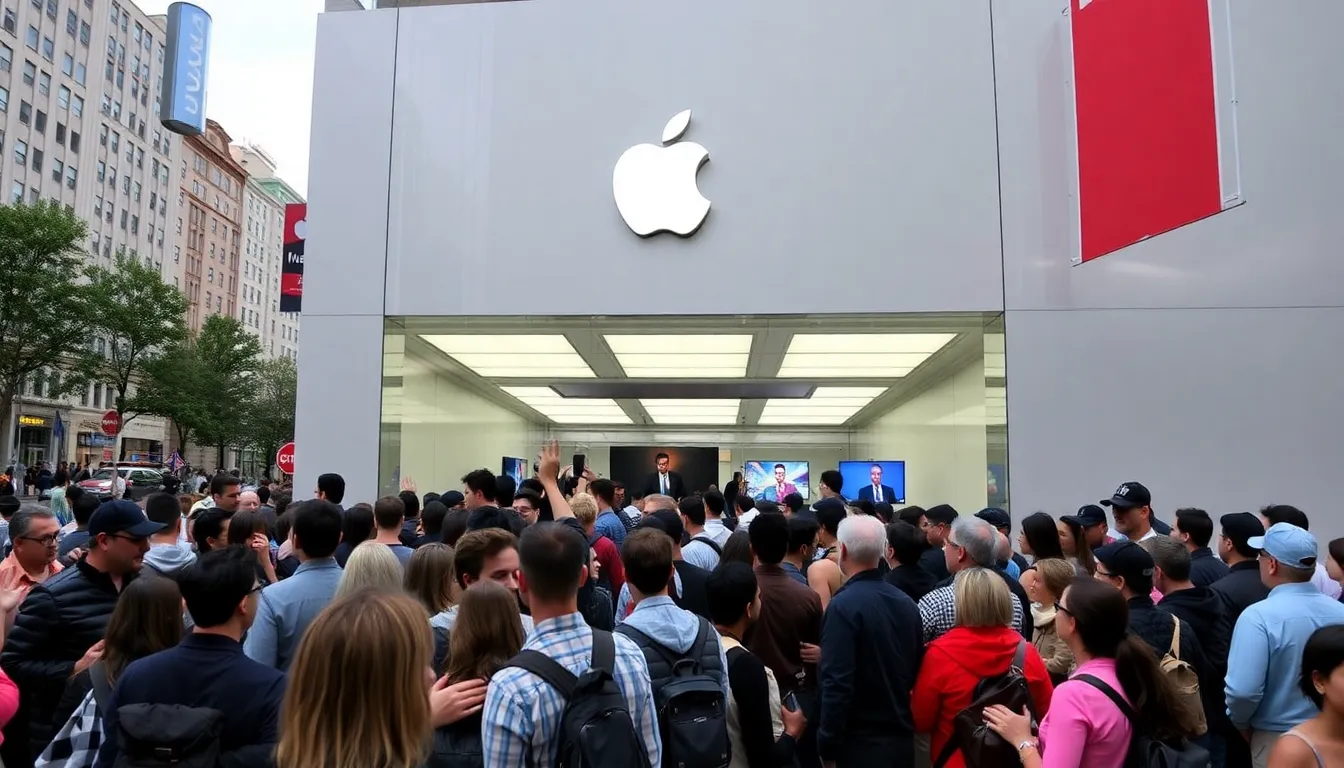
Frequently asked questions about Apple’s legacy
Key takeaways from Apple’s 50 years of innovation
Apple’s journey over the past five decades highlights the profound impact that technology can have on daily life, shaping not just consumer behavior but also the broader cultural landscape. While some products have revolutionized industries and personal interactions, others have fallen short of expectations, reminding us that not all innovations resonate equally with users. Understanding these dynamics offers valuable insights into future trends and consumer preferences.
As we reflect on Apple’s legacy, it becomes evident that successful innovation often hinges on anticipating user needs and creating seamless experiences. The lessons learned from both triumphs and missteps can inform the next generation of technology and guide companies in their pursuit of meaningful advancements.
- Focus on user experience: Future innovations should prioritize intuitive design and user-centric functionality to ensure widespread adoption.
- Embrace adaptability: Companies must remain flexible and responsive to changing consumer needs and technological advancements.
- Learn from failures: Analyzing unsuccessful products can provide critical insights that drive future success and innovation.
- Monitor cultural shifts: Understanding societal trends will be essential for predicting the next wave of successful products.
- Invest in sustainability: As consumers become more environmentally conscious, integrating sustainable practices will be key to maintaining relevance.