
In 2023, viewership numbers for major Apex Legends tournaments have seen a decline, with the ALGS Championship in July attracting significantly fewer viewers compared to previous years. The drop in audience engagement has raised alarms among teams and sponsors, who rely on high viewership for financial support and brand visibility. For more information on competitive gaming trends, visit here.
Additionally, roster changes and team disbandments have become increasingly common, further destabilizing the competitive environment. High-profile teams, such as TSM and Cloud9, have faced challenges in maintaining consistent rosters, leading to speculation about the game’s long-term viability as an esports title.
The lack of significant updates and content from the developers has also contributed to player dissatisfaction. As the community waits for new features and improvements, many are questioning whether the current state of the game can sustain a thriving competitive scene.
Understanding the background of Apex Legends esports
Apex Legends, developed by Respawn Entertainment and released in February 2019, quickly gained traction in the competitive gaming landscape. The battle royale game distinguished itself with its unique character abilities and fast-paced gameplay, attracting a diverse player base and a growing esports community. Initial tournaments, such as the Apex Legends Global Series (ALGS), showcased the game’s potential for competitive play, drawing in viewers and sponsorships alike.
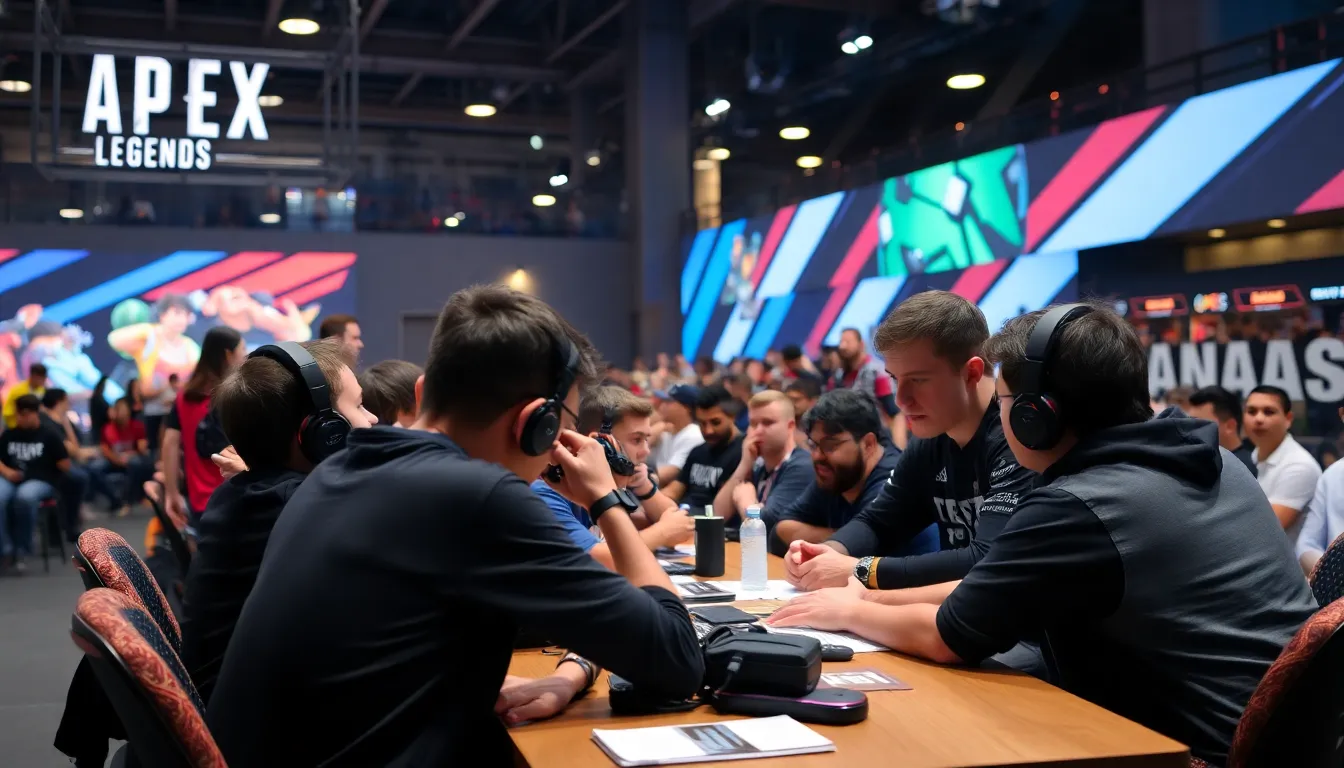
However, the esports scene has faced numerous challenges. One significant issue has been the inconsistent support from the developers regarding tournament organization and prize pools. While early competitions featured substantial rewards, subsequent events saw a decline in both funding and player engagement. This inconsistency has led to frustration among players, as seen in the recent statements from prominent figures like ImperialHal, who have voiced concerns over the direction of the competitive scene. To understand similar issues faced by other esports, check out this article.
Key Milestones in Apex Legends Esports
Several key milestones have shaped the current state of Apex Legends esports. The inaugural ALGS Championship in 2021 was a pivotal moment, highlighting the game’s competitive potential and attracting a global audience. However, following this success, the community experienced a downturn as major updates and seasonal changes often disrupted the competitive balance, leaving players feeling unsupported.
Additionally, the rise of other battle royale titles, such as Call of Duty: Warzone and Fortnite, has intensified competition for player attention and sponsorships. This has forced Apex Legends to compete not just for players, but for a share of the esports market, leading to further scrutiny over its sustainability as an esports title. The combination of these factors has contributed to the current discourse surrounding the viability of the Apex Legends esports scene.
Key issues affecting players and the competitive environment
The Apex Legends esports scene is currently facing a multitude of challenges that are impacting both players and the overall competitive environment. Key stakeholders include professional players, game developers, tournament organizers, and the community of fans. Each of these groups has distinct interests that can sometimes conflict, leading to a complex landscape for the game’s future.
One major issue is the financial viability of participating in Apex Legends esports. Many players, including prominent figures like ImperialHal, are expressing concerns about the sustainability of their careers in this scene. Prize pools for tournaments have fluctuated, and sponsorship opportunities may not be as robust as in other esports titles, creating uncertainty for players who rely on competitive gaming as their primary source of income. This situation mirrors challenges discussed in other recent reports, such as the impact of air pollution on health, which you can read about here.
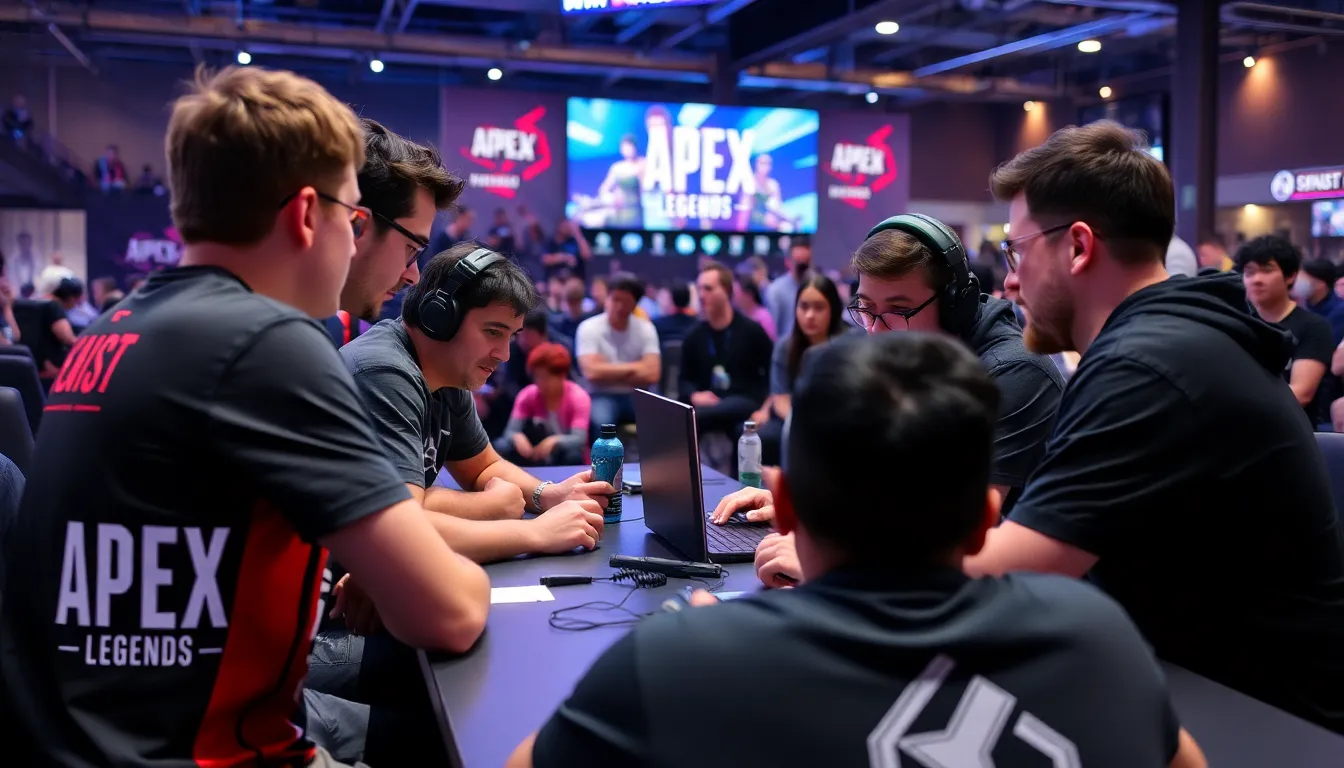
Additionally, there are questions surrounding the support from the game’s developers, Respawn Entertainment. The level of engagement in terms of updates, balancing, and tournament infrastructure can significantly influence player satisfaction and retention. If players feel neglected or undervalued, it could lead to a decrease in participation and interest in the competitive scene.
- Player Retention: The risk of top players leaving the scene due to financial instability or lack of support.
- Community Engagement: The need for developers to foster a vibrant community that encourages player involvement and feedback.
- Sponsorship Dynamics: The challenge of attracting sponsors that can provide adequate financial backing for tournaments and teams.
- Competitive Integrity: Ensuring fair play and maintaining the integrity of competitions amidst increasing scrutiny.
Moreover, the competitive landscape is often influenced by external factors, such as the emergence of new games or shifts in player preferences. As the esports ecosystem evolves, Apex Legends must adapt to retain its relevance in a crowded market. This includes addressing player concerns and ensuring that the game remains engaging for both participants and viewers alike.
Who is affected by the decline in Apex Legends esports
The decline of the Apex Legends esports scene has far-reaching implications for various stakeholders, including players, teams, sponsors, and the broader gaming community. Professional players, such as ImperialHal, who have invested time and resources into their careers, face uncertainty regarding their future in the competitive landscape. This uncertainty can lead to a loss of motivation and potential career shifts for these athletes.
Teams that rely on Apex Legends for their competitive roster may experience financial strain as viewership and sponsorship opportunities diminish. Lower engagement can lead to reduced revenue from merchandise sales, streaming, and event participation. As a result, some teams might be forced to downsize or even dissolve, impacting the livelihoods of coaches, analysts, and support staff.
Sponsors and advertisers who have invested in the Apex Legends esports scene may also be affected. A decline in the game’s popularity could lead to decreased visibility for their brands, prompting them to reconsider their marketing strategies. This could result in a shift of funds to other emerging esports titles, thereby affecting the financial ecosystem surrounding Apex Legends.
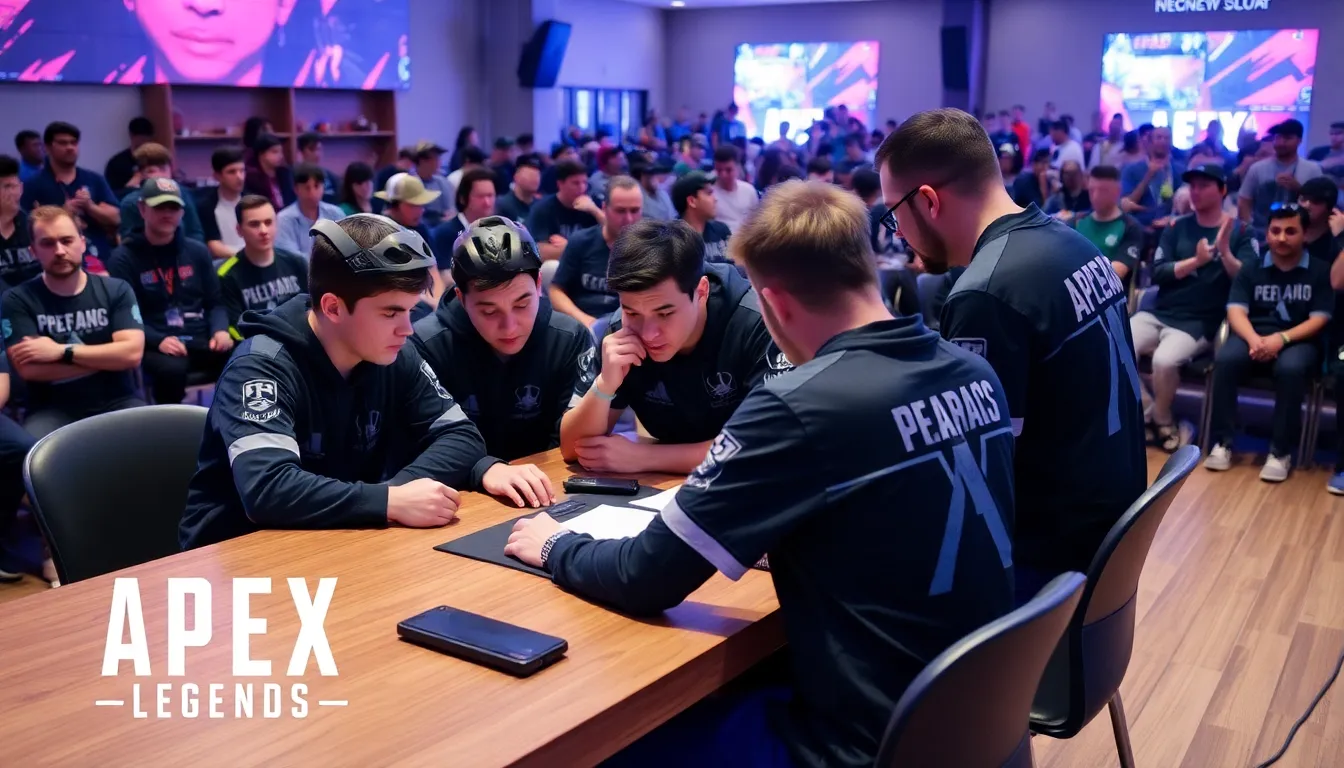
- Players: Facing career uncertainty and potential shifts to other games.
- Teams: Financial strain leading to downsizing or dissolution.
- Sponsors: Reassessing marketing strategies and potential loss of visibility.
- Community: A decrease in engagement and participation in events.
In the short term, the decline may lead to a decrease in tournament participation and viewership, impacting the daily lives of fans who engage with the content. In the mid-term, if the trend continues, it could lead to a broader shift in the esports landscape, with players and teams gravitating towards more stable and lucrative opportunities in other games. However, this situation also presents opportunities for developers and organizers to innovate and revitalize the scene, potentially attracting new players and fans.
A: ImperialHal is contemplating leaving due to the declining competitive scene and lack of support for players, which affects their motivation and career prospects. A: Factors include reduced viewership, lack of sponsorships, and competition from other esports titles that offer more opportunities for players. A: Professional players face uncertainty regarding their future, which may lead to decreased performance and potential exits from the game. A: Yes, there are ongoing discussions among developers and community leaders to enhance support and engagement for the esports scene. A: The future will largely depend on the community’s response and the developers’ commitment to revitalizing the competitive landscape.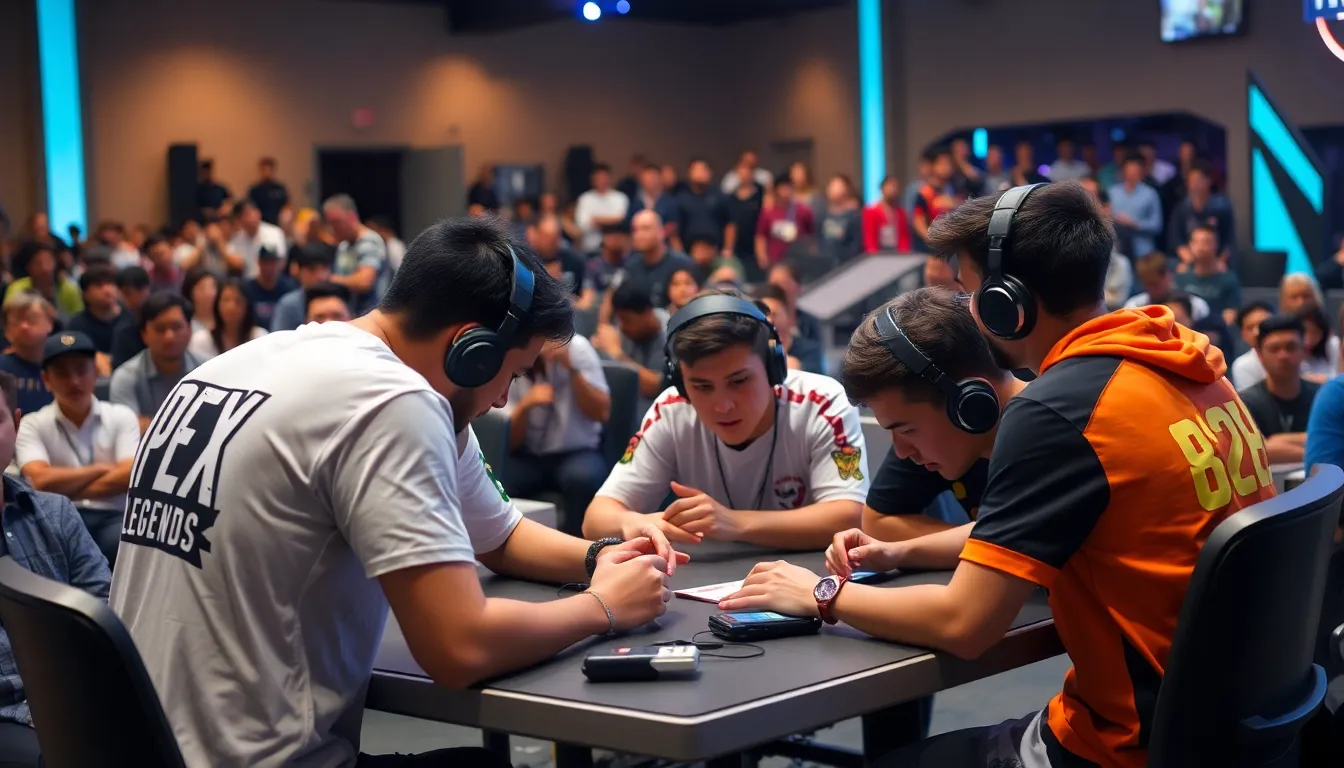
Frequently asked questions about Apex Legends esports
Insights on the future of Apex Legends esports
The recent discussions surrounding ImperialHal’s potential departure from the Apex Legends esports scene highlight deeper issues affecting the competitive landscape. As player sentiments shift and concerns about the game’s longevity grow, it becomes crucial to analyze the factors contributing to these changes. The esports community is at a crossroads, where the decisions made now will significantly impact the future of the game.
Monitoring the evolving dynamics within the Apex Legends competitive environment will be essential. Stakeholders, including developers, teams, and players, must address the underlying challenges to foster a thriving ecosystem. The direction taken in the coming months will determine whether the scene can rejuvenate or face further decline.
- Player Retention: The need for strategies to retain top talent is critical, as player morale directly influences the competitive scene.
- Community Engagement: Increasing interaction with the community can help developers understand player needs and adapt accordingly.
- Event Structure: Reevaluating tournament formats and prize pools may attract more teams and viewers, enhancing overall interest.
- Content Creation: Encouraging content creation around the game can keep the community engaged and attract new players.
- Game Updates: Regular and meaningful updates are necessary to maintain excitement and address player concerns effectively.