
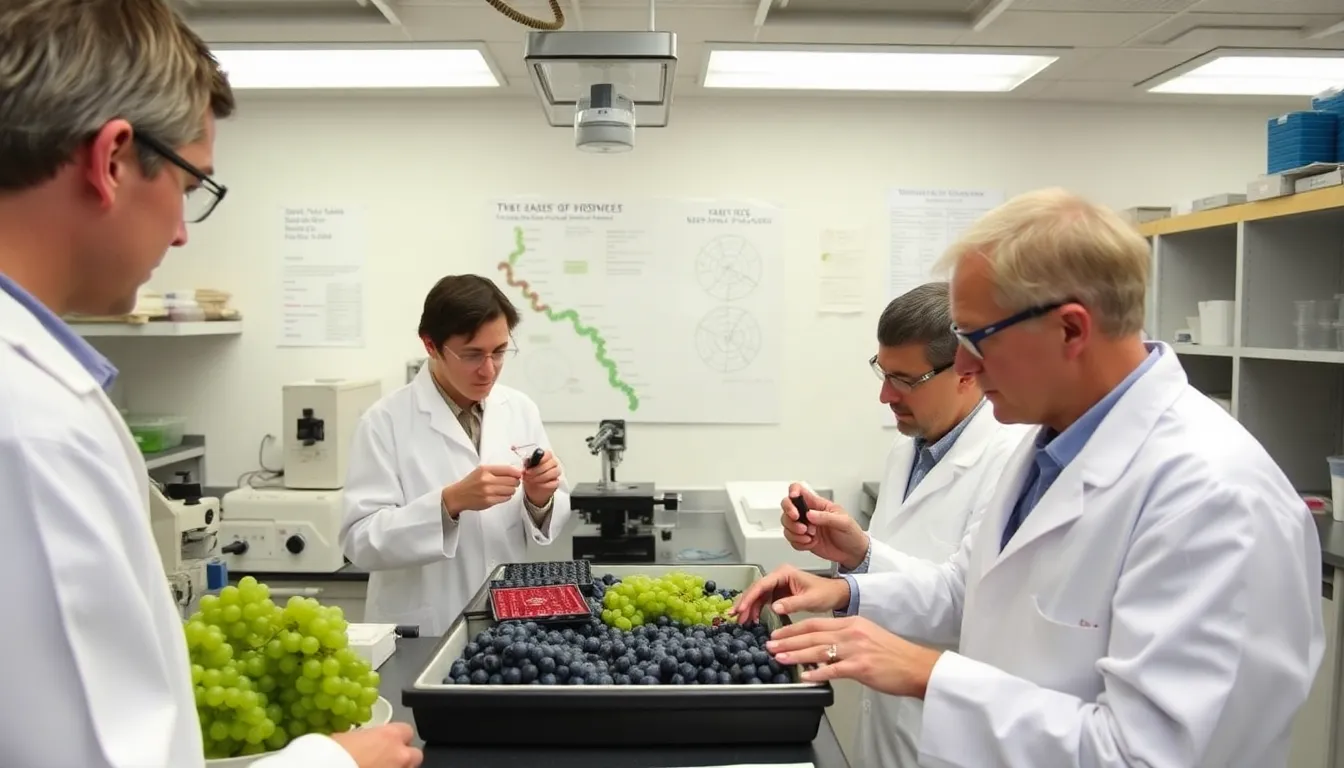
Scientists from various institutions, including the University of California, Davis, and the University of Bordeaux, have collaborated to analyze the DNA of ancient grape samples. Their findings, published in 2023, reveal that many contemporary wines are directly descended from these ancient cultivars, emphasizing the importance of preserving genetic diversity in viticulture.
The implications of this research are significant for the wine industry, especially in the face of climate change and evolving consumer preferences. By understanding the historical context of grape varieties, winemakers can make informed decisions about breeding and cultivation practices, ensuring the sustainability of wine production for future generations, similar to how different industries adapt to modern challenges.
Additionally, this exploration into ancient grapes offers a new perspective on terroirthe unique environmental factors that affect a crop’s characteristics. As winemakers strive to create distinct flavors and profiles, the knowledge gained from ancient varieties can inspire innovative techniques that honor traditional practices while adapting to modern challenges.
Understanding the historical roots of grape cultivation
The cultivation of grapes dates back thousands of years, with evidence suggesting that the practice began around 6000 BC in the regions that are now modern-day Georgia and Iran. These ancient vineyards were not merely sources of fruit; they represented the beginnings of a cultural and economic phenomenon that would shape civilizations. The transition from wild grape foraging to organized viticulture marked a significant milestone in agricultural history, fostering social structures and trade networks that would endure for millennia.
Throughout history, grapes have played a pivotal role in various societies, from the ancient Egyptians, who used wine in religious rituals, to the Greeks, who celebrated Dionysus, the god of wine. The Romans further advanced viticulture, developing extensive vineyard systems across their empire, which spread grape cultivation throughout Europe. This Roman influence laid the groundwork for the wine industries of many European countries, which would later dominate the global wine market.
The impact of political and economic factors
The rise and fall of empires significantly impacted grape cultivation and wine production. For instance, during the Middle Ages, the Catholic Church became a major player in viticulture, with monasteries preserving and refining wine-making techniques. This period saw the establishment of renowned wine regions, such as Bordeaux and Burgundy, which became synonymous with quality. However, the political upheavals of the time, including wars and territorial disputes, also disrupted grape cultivation, leading to fluctuations in wine production and trade.
In more recent history, the 19th century brought about significant advancements in viticulture, including the introduction of scientific methods to combat diseases like phylloxera, which devastated vineyards across Europe. This crisis led to the replanting of vineyards with hybrid and disease-resistant varieties, influencing the genetic makeup of modern grapes. Additionally, the global wine market has been shaped by economic factors, such as the rise of new wine-producing countries in the Americas and Australia, which have challenged the traditional dominance of European wines.
Today, the study of ancient grape varieties is not only a matter of historical interest but also of economic importance. As modern winemakers seek to differentiate their products and appeal to a growing market of wine enthusiasts, understanding the genetic heritage of grapes can inform breeding programs and enhance the quality of wines produced, akin to addressing social issues within the industry.
Key stakeholders in the study of ancient grape varieties
The exploration of ancient grape varieties and their implications for modern winemaking involves a diverse array of stakeholders. These include researchers, winemakers, agricultural organizations, government bodies, and consumers. Each group has distinct interests that shape the dialogue surrounding the historical significance and future potential of these ancient grapes.
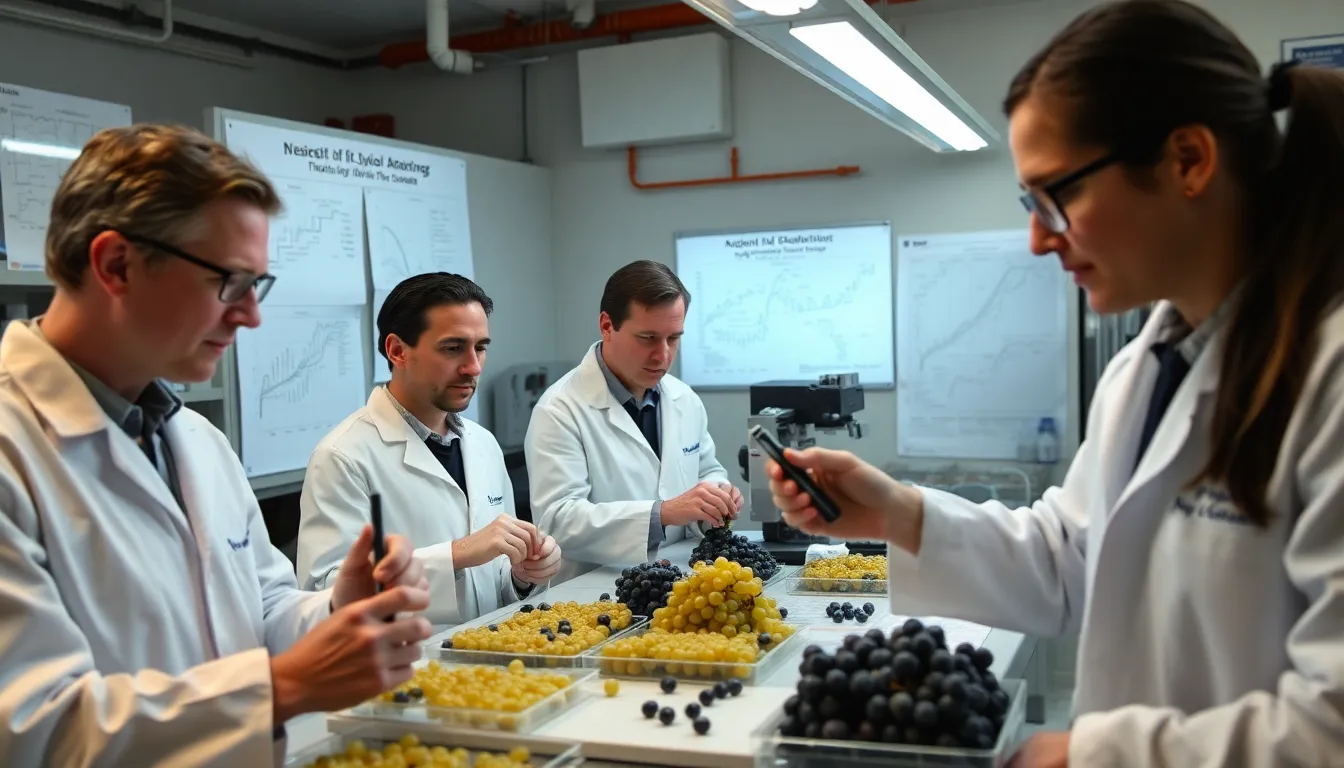
Researchers, particularly those in the fields of viticulture and genetics, are focused on understanding the genetic diversity and resilience of ancient grape varieties. Their work can lead to insights into how these grapes can adapt to changing climates and diseases, potentially influencing modern agricultural practices. The academic community often collaborates with wineries to conduct studies that highlight the benefits of these ancient varieties.
Winemakers are another critical stakeholder group, as they seek to differentiate their products in a competitive market. By incorporating ancient grape varieties into their offerings, they can appeal to consumers interested in authenticity and heritage. However, there are trade-offs involved, such as the potential challenges in cultivating these less common grapes, which may require different farming techniques and investments.
- Conflicts may arise between traditional winemakers and those advocating for modern techniques and grape varieties.
- Economic issues include the cost of research and development for ancient grape cultivation versus potential market benefits.
- Regulatory frameworks may need to adapt to accommodate the preservation of ancient grape varieties while ensuring quality standards in winemaking.
Government bodies play a significant role in supporting research initiatives and providing funding for projects that focus on ancient grapes. They may also create policies that encourage sustainable practices in viticulture, balancing agricultural interests with environmental concerns. The decisions made at this level can have far-reaching implications for both local economies and global wine markets.
Lastly, consumers are increasingly interested in the stories behind their wines, which creates a demand for products that highlight ancient grape varieties. This consumer interest can drive market trends, but it also raises questions about the authenticity and marketing of wines labeled as “ancient” or “heritage.” Understanding these dynamics is crucial for all stakeholders involved.
The influence of ancient grapes on today’s wine industry
The discovery of ancient grape varieties has significant implications for various groups, including winemakers, agricultural researchers, and wine enthusiasts. Regions known for their wine production, particularly in Europe and the Americas, stand to benefit from this newfound knowledge. By understanding the genetic makeup of these ancient grapes, producers can enhance their offerings and cater to evolving consumer preferences.
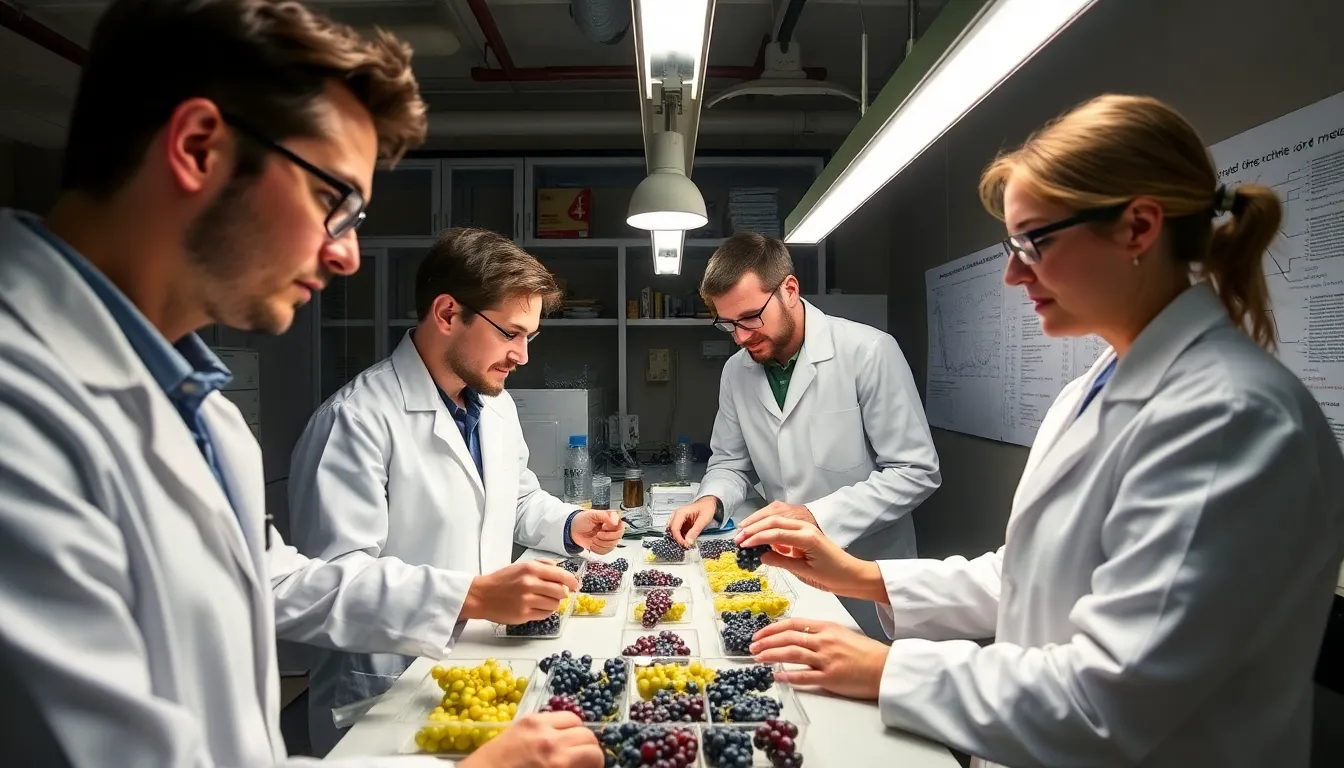
In the short term, the wine industry may see a surge in interest and investment as producers experiment with these ancient varieties. This could lead to a revival of traditional winemaking practices, fostering a deeper connection between consumers and the history of wine. However, there are risks involved, such as potential market saturation or consumer resistance to unfamiliar flavors.
In the mid-term, the impact could extend to policy changes, particularly in regions where wine production is a key economic driver. Governments may introduce incentives for sustainable practices and the cultivation of heritage grape varieties, promoting biodiversity and environmental conservation. This shift could also lead to new regulations aimed at preserving traditional viticulture.
- Opportunities: Enhanced product diversity and market differentiation.
- Risks: Consumer pushback against non-traditional wines.
- Policy Changes: Support for heritage grape cultivation and sustainable practices.
Ultimately, the influence of ancient grapes could reshape the landscape of the modern wine industry, creating both challenges and opportunities for various stakeholders. The interplay between tradition and innovation will be crucial as the industry adapts to these exciting developments.
A: Ancient grapes are varieties of grapes that have been cultivated for thousands of years. They hold historical significance and provide insights into the origins of modern grape varieties. A: Ancient grapes contribute to the genetic diversity of modern wines, influencing flavor profiles and resilience. They help winemakers understand historical practices and adapt to climate changes. A: Studying ancient grape varieties helps preserve biodiversity and can lead to the discovery of unique flavors and characteristics that may enhance modern winemaking. A: Yes, several ancient grape varieties, such as Zinfandel and Sangiovese, are still cultivated and play a significant role in contemporary wine production. A: Preservation efforts include cultivating ancient varieties in vineyards, seed banks, and research programs focused on genetic conservation.
Frequently asked questions about ancient grapes and wines
Key insights and future outlook on ancient grapes in winemaking
The exploration of ancient grape varieties has unveiled a rich tapestry of history that informs our understanding of modern winemaking. As researchers continue to analyze genetic markers and historical cultivation practices, the insights gained not only enhance our appreciation of wine but also provide a roadmap for future viticulture. The revival of these ancient grapes could lead to a renaissance in wine diversity, offering unique flavors and characteristics that are increasingly sought after by consumers.
Moreover, the integration of ancient grape varieties into contemporary winemaking practices opens up opportunities for sustainable agriculture and biodiversity. As climate change continues to impact traditional wine regions, these resilient varieties may offer a solution to adapting to new environmental challenges. The ongoing study of these grapes will be crucial in shaping the future of the wine industry.
- Revival of ancient grape varieties could lead to a new wave of unique wines that cater to evolving consumer tastes.
- Increased focus on sustainability in viticulture may encourage the adoption of these resilient and historically significant grapes.
- Collaboration between researchers and winemakers will be essential in harnessing the potential of ancient grapes for modern applications.
- Consumer education about the origins and benefits of ancient varieties can enhance appreciation and demand for diverse wine offerings.
- Monitoring climate adaptability of ancient grapes will be critical as the industry seeks to mitigate the impacts of climate change on traditional wine production.