
Overview of the LaGuardia crash incident
On October 24, 2023, a tragic accident occurred at LaGuardia Airport when a small plane crashed during takeoff, resulting in the deaths of both pilots onboard. Eyewitnesses described the scene as harrowing, with one stating that it appeared as if the aircraft was “cut in half” upon impact. The incident has raised significant concerns regarding aviation safety and operational protocols at one of the busiest airports in the United States, as seen in the Air Canada jet collision.
The National Transportation Safety Board (NTSB) has initiated an investigation into the circumstances surrounding the crash. Preliminary reports indicate that the aircraft, a twin-engine model, experienced a critical failure shortly after takeoff, prompting immediate scrutiny of its maintenance history and the pilots’ adherence to safety regulations. The investigation is expected to take several months as experts analyze flight data and witness accounts, adding to the body of knowledge concerning aviation safety measures.
In response to the incident, LaGuardia Airport officials have implemented heightened safety measures and are working closely with federal authorities to ensure that all protocols are followed. This crash marks a significant event in the ongoing discussions about aviation safety, particularly as it pertains to smaller aircraft operating in congested airspace.
The loss of the two pilots has resonated throughout the aviation community, prompting tributes and calls for improved safety standards. As the investigation unfolds, stakeholders are eager to understand the factors that contributed to this tragic event and to prevent similar occurrences in the future.
Background on aviation safety and previous incidents
Aviation safety has evolved significantly over the decades, shaped by a series of tragic incidents that have prompted regulatory changes and technological advancements. The crash at LaGuardia Airport, which resulted in the deaths of two pilots, is a stark reminder of the ongoing challenges in ensuring safe air travel. Historically, the aviation industry has faced scrutiny following accidents that have raised questions about pilot training, aircraft maintenance, and air traffic control protocols.
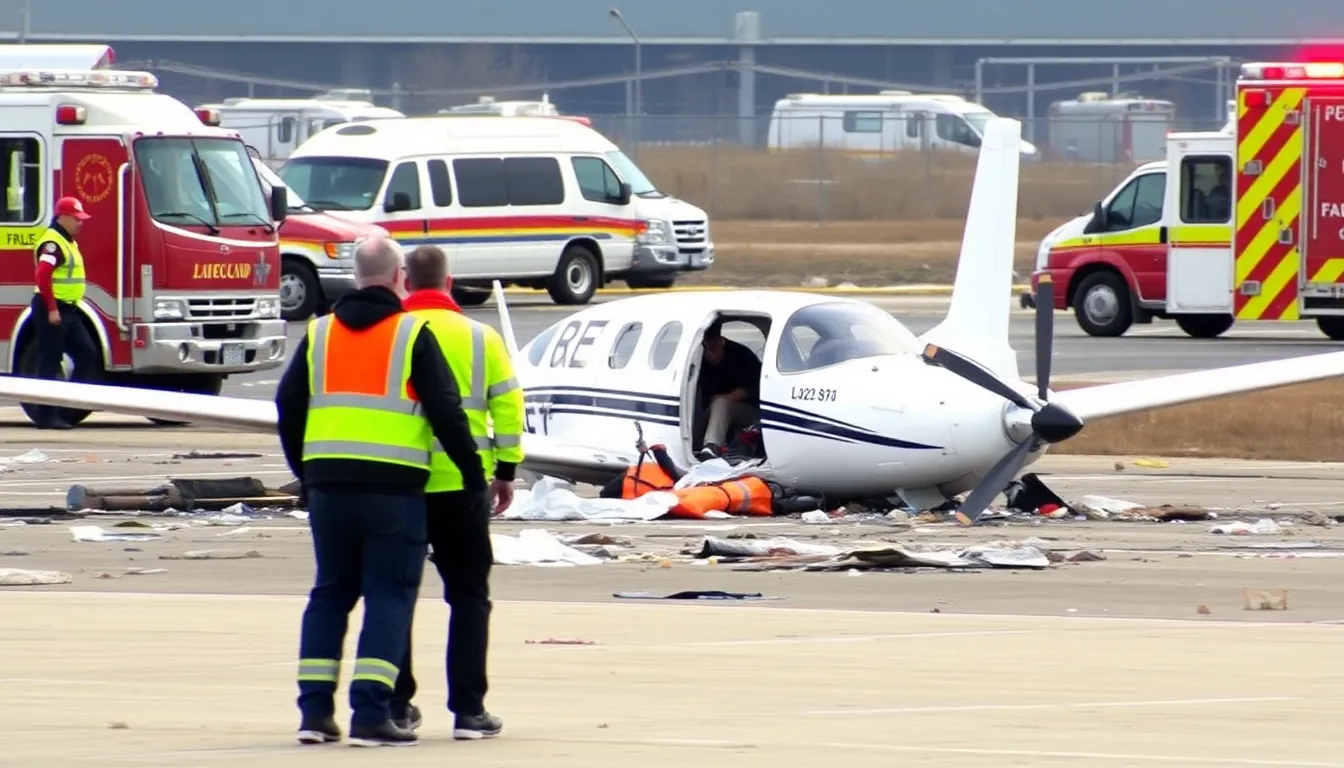
In the late 20th century, several high-profile accidents, such as the 1982 Air Florida Flight 90 crash and the 2001 American Airlines Flight 587 disaster, led to comprehensive investigations and reforms. These incidents highlighted the need for improved safety measures, including stricter regulations on pilot qualifications and enhanced oversight of airline operations. The Federal Aviation Administration (FAA) responded by implementing new safety standards, which aimed to reduce the risk of similar tragedies.
Key milestones in aviation safety
One of the most significant milestones in aviation safety was the introduction of Crew Resource Management (CRM) training in the 1970s. This training emphasizes communication and teamwork among flight crews, significantly reducing human error in aviation. Additionally, the implementation of the Aviation Safety Action Program (ASAP) in the 1990s encouraged airline employees to report safety concerns without fear of retribution, fostering a culture of safety within the industry.
Despite these advancements, the aviation sector continues to grapple with safety challenges. The recent crash at LaGuardia brings to light the complexities of modern air travel, where factors such as weather conditions, aircraft technology, and human factors intersect. Investigations into such incidents often reveal underlying issues that may have contributed to the accident, prompting further calls for reform and vigilance in maintaining safety standards.
As the investigation into the LaGuardia crash unfolds, it serves as a critical moment for the aviation community to reflect on past lessons and reinforce their commitment to preventing future tragedies. The incident not only affects the families of the lost pilots but also reverberates through the industry, reminding all stakeholders of the paramount importance of safety in aviation, similar to the challenges faced in political interventions.
Key stakeholders and issues related to the investigation
The tragic crash at LaGuardia Airport that claimed the lives of two pilots has drawn attention from various stakeholders, each with distinct interests and concerns. The primary actors involved in this incident include the Federal Aviation Administration (FAA), the National Transportation Safety Board (NTSB), airline companies, pilot unions, and the families of the victims. Each group plays a crucial role in the investigation and the subsequent discourse surrounding aviation safety.
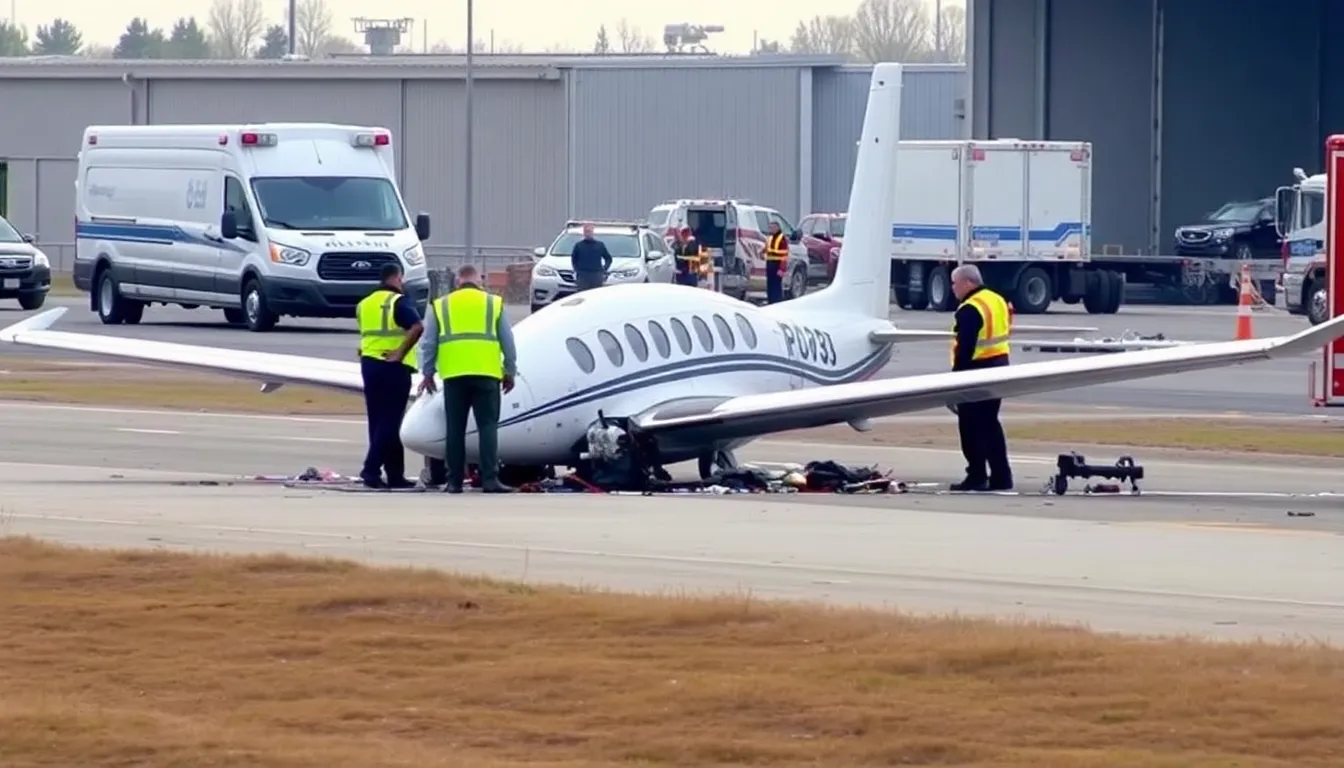
The FAA is tasked with regulating and overseeing aviation safety standards, making it a key player in the investigation. Their interest lies in determining whether existing safety protocols were followed and if any regulatory changes are necessary to prevent future incidents. The NTSB, on the other hand, is responsible for investigating the crash to uncover the causes and contributing factors. Their findings could lead to recommendations that impact industry practices and regulations.
Airline companies are also significant stakeholders, as the outcome of the investigation could affect their operational procedures and financial standing. They may face increased scrutiny and potential liability, which could lead to changes in insurance policies and operational costs. Additionally, pilot unions have a vested interest in the investigation, as it may influence working conditions, training protocols, and safety measures for their members.
- Regulatory Impact: Changes in FAA regulations based on the investigation could reshape industry standards.
- Financial Consequences: Airlines may face increased costs or liability claims, affecting their profitability.
- Safety Protocols: The investigation may lead to revised safety protocols, impacting pilot training and operational procedures.
- Public Perception: The crash raises concerns about aviation safety, influencing public trust in air travel.
- Family Advocacy: Families of the victims may push for greater accountability and changes in industry practices.
In summary, the investigation into the LaGuardia crash involves a complex interplay of interests among various stakeholders. Each group’s perspective highlights the multifaceted nature of aviation safety and the potential implications for the industry at large. As the investigation unfolds, the outcomes may have lasting effects on regulatory frameworks, operational practices, and public confidence in air travel.
Impact on the aviation industry and affected families
The recent crash at LaGuardia Airport, which resulted in the tragic loss of two pilots, has sent shockwaves through the aviation industry and deeply affected the families of those involved. The incident raises significant concerns regarding safety protocols and operational standards, prompting an immediate investigation that could lead to widespread implications for airlines, regulatory bodies, and aviation workers.
In the short term, airlines operating in and out of LaGuardia may experience disruptions as safety inspections and compliance reviews are intensified. Passengers could face delays and cancellations as airlines reassess their flight operations. Additionally, the emotional toll on the families of the deceased pilots will likely result in a push for better support systems within the industry.
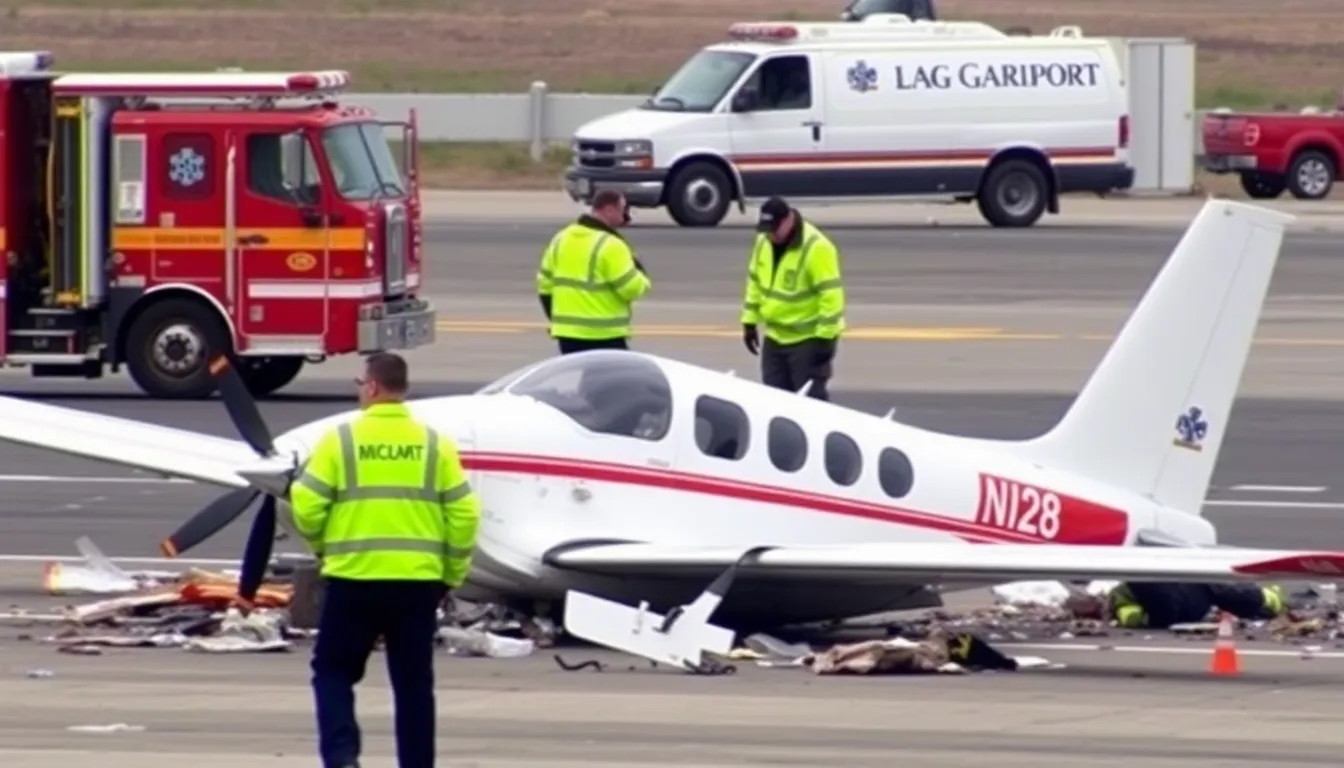
The mid-term impact could extend to policy changes at both the federal and state levels. Regulatory agencies may implement stricter safety regulations and training requirements for pilots, which could lead to increased operational costs for airlines. This could, in turn, affect ticket prices and overall air travel demand.
- Affected Groups: Families of the deceased, airline employees, regulatory bodies, and passengers.
- Short-term Risks: Flight disruptions, emotional distress among families, potential financial losses for airlines.
- Mid-term Opportunities: Enhanced safety protocols, investment in pilot training programs, and potential for technological advancements in aviation safety.
While the immediate aftermath of the crash poses risks, it also presents an opportunity for the aviation industry to prioritize safety and rebuild public trust. Airlines that proactively address safety concerns and enhance their operational standards may emerge stronger in the long run, potentially attracting more customers who value safety and reliability in their travel experiences.
A: The investigation is ongoing, and while preliminary reports are not yet available, factors such as weather conditions and mechanical failure are being examined. A: The aircraft involved in the crash had no passengers, as it was a training flight with only the two pilots on board. A: The National Transportation Safety Board (NTSB) will conduct a thorough investigation, including analyzing flight data and interviewing witnesses. A: While aviation is one of the safest modes of transportation, incidents do happen, and safety protocols are continually reviewed to prevent future occurrences. A: Various support services are being offered to the families, including counseling and assistance from aviation organizations.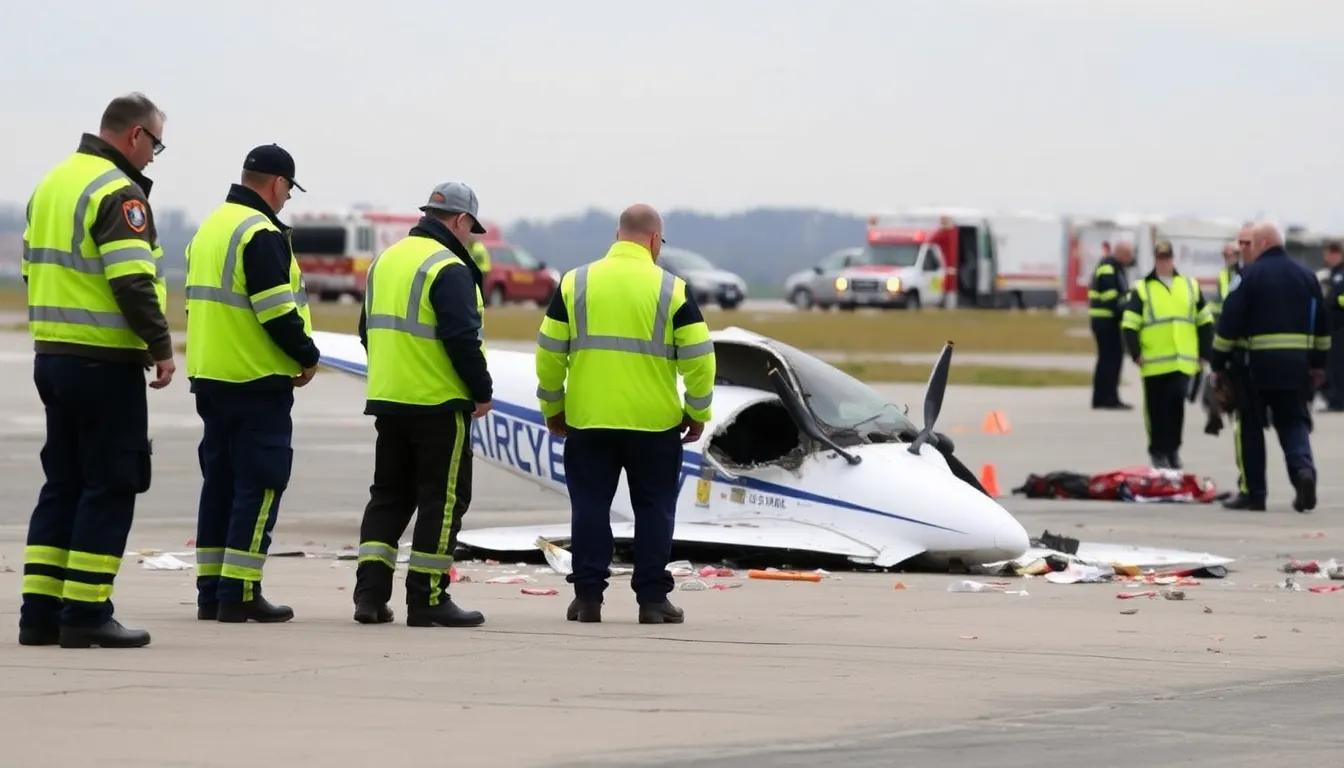
Frequently asked questions about the crash
Key takeaways and future outlook on aviation safety
The tragic incident at LaGuardia Airport, which resulted in the loss of two pilots, underscores the critical importance of ongoing scrutiny in aviation safety protocols. As investigations unfold, the aviation community is urged to reflect on the factors leading to such catastrophic events, emphasizing the need for enhanced safety measures and regulatory oversight.
Moving forward, stakeholders in the aviation industry must prioritize the implementation of advanced safety technologies and comprehensive training programs. The lessons learned from this incident could serve as a catalyst for reform, ensuring that similar tragedies are prevented in the future.
- Investigation Outcomes: Keep an eye on the findings from the investigation, as they may reveal systemic issues that require immediate attention.
- Regulatory Changes: Anticipate potential regulatory changes or recommendations that may arise in response to this incident, impacting pilot training and aircraft maintenance standards.
- Technological Advancements: Watch for new safety technologies being adopted by airlines aimed at preventing similar accidents in the future.
- Industry Collaboration: Observe how various stakeholders, including airlines, manufacturers, and regulatory bodies, collaborate to enhance safety protocols across the board.
- Public Awareness: Monitor the public’s response and awareness regarding aviation safety, which may influence future travel behaviors and expectations.