
Recent advancements in technology are playing a crucial role in facilitating aging in place. Smart home devices, telehealth services, and wearable health monitors are just a few examples of how technology is being integrated into daily life to assist the elderly. For instance, a report from the AARP in 2021 indicated that nearly 77% of older adults prefer to stay in their own homes as they age, underscoring the importance of these technological solutions. You can learn more about these preferences in our article on understanding the help that many older Americans need most.
In addition to consumer technology, healthcare providers are increasingly adopting remote monitoring systems that allow for real-time health assessments. This shift not only helps in managing chronic conditions but also reduces the need for frequent hospital visits. A study published in the Journal of Aging and Health in 2022 found that remote monitoring can improve health outcomes and enhance the quality of life for seniors living at home.
Moreover, the COVID-19 pandemic has accelerated the adoption of digital tools for seniors. Many older adults have become more comfortable using technology for communication and health management, breaking down previous barriers to technology use. As a result, organizations are now focusing on creating user-friendly platforms that cater specifically to the needs of older adults.
The Background of Aging in Place Initiatives
Aging in place refers to the ability of older adults to live independently in their own homes and communities, rather than moving to assisted living facilities or nursing homes. This concept has gained significant traction over the past few decades due to demographic shifts, technological advancements, and changing societal attitudes toward aging. Historically, the traditional model of elder care often involved institutionalization, which many older adults and their families have come to view as undesirable. For insights into current elder care trends and innovations, see our piece on exploring the trends in inside health.

The political landscape has also played a role in shaping aging in place initiatives. In the late 20th century, policymakers began to recognize the importance of supporting older adults in their desire to remain at home. Legislation such as the Older Americans Act of 1965 laid the groundwork for community-based services that promote independence. Over the years, various federal and state programs have emerged, providing funding for home modifications, transportation services, and in-home care, all aimed at facilitating aging in place.
Technological Innovations
Technological advancements have been pivotal in enabling older adults to age in place successfully. The rise of smart home technologies, such as voice-activated assistants, remote monitoring systems, and fall detection devices, has transformed how seniors interact with their living environments. These innovations not only enhance safety but also promote social connectivity, allowing older adults to maintain relationships with family and friends, even from a distance.
Economic factors further underscore the importance of aging in place. With the rising costs of long-term care facilities, many families find that supporting their loved ones at home is more financially viable. This shift has led to a growing market for products and services designed to assist older adults in their homes, driving competition and innovation in the sector. As the population ages, the need for effective aging in place solutions will only continue to grow, as detailed in our article on exploring the trends in inside health.
Social attitudes toward aging have also evolved, with a greater emphasis on dignity, autonomy, and quality of life for older adults. The desire to remain in familiar surroundings, coupled with the recognition of the benefits of community engagement, has fueled the push for policies and technologies that support aging in place. As society continues to adapt to the needs of an aging population, the concept of aging in place is likely to become an integral part of how we approach elder care in the future.
Key Stakeholders and Challenges in Aging Technology
The landscape of aging in place technology involves a diverse array of stakeholders, each with unique interests and objectives. Key actors include elderly individuals seeking to maintain their independence, technology companies developing innovative solutions, healthcare providers, and government agencies responsible for policy and funding. Understanding the dynamics among these groups is essential for addressing the challenges associated with aging at home.

For older adults, the primary interest lies in utilizing technology that enhances their quality of life while ensuring safety and accessibility. Many seniors prefer to remain in familiar environments rather than move to assisted living facilities. However, they often face challenges related to the usability of technology, which can be intimidating or difficult to navigate.
Technology companies play a crucial role in this ecosystem. Their interests center on developing user-friendly products that meet the needs of older adults while also being economically viable. This includes smart home devices, telehealth services, and wearable health monitors. However, these companies must navigate the complexities of data privacy and security, as personal health information is sensitive and requires stringent protection.
Healthcare providers and insurers are also significant stakeholders. They are interested in integrating technology solutions that can improve patient outcomes and reduce costs associated with hospitalizations and long-term care. This creates a potential conflict with technology companies that may prioritize innovation over compatibility with existing healthcare systems.
- Regulatory Challenges: There are ongoing debates regarding the regulation of health-related technologies, which can impact the speed of innovation and market entry.
- Economic Trade-offs: Balancing the costs of technology implementation with the potential savings in healthcare expenses is a critical consideration for insurers and providers.
- Privacy Concerns: Ensuring the protection of personal data while leveraging technology for health monitoring poses significant legal and ethical challenges.
- Accessibility Issues: The digital divide remains a barrier, as not all seniors have equal access to technology or the internet.
- Interoperability: The need for different technologies to work together seamlessly is essential for maximizing their effectiveness in supporting aging in place.
The Impact of Technology on Seniors and Their Families
The aging population is significantly affected by advancements in technology, particularly those aged 65 and older. This demographic often faces challenges related to mobility, health monitoring, and social isolation. As a result, industries focused on healthcare, home automation, and telecommunication are increasingly investing in solutions tailored to the needs of seniors. Families, caregivers, and service providers are also impacted, as they adapt to new technologies to enhance care and support.
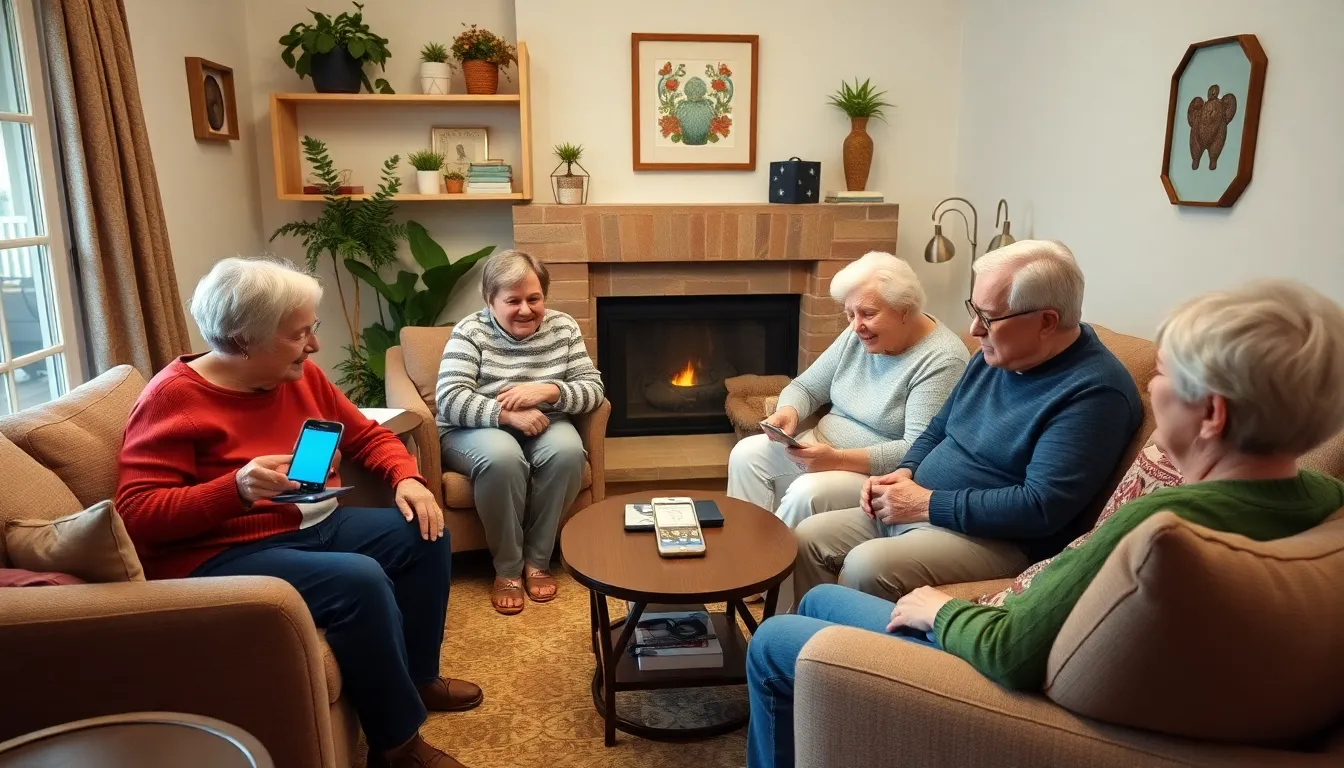
In the short term, technology like remote health monitoring devices and smart home systems can greatly improve the daily lives of seniors. These innovations allow for greater independence and safety, enabling seniors to manage their health conditions from home. Families can benefit from peace of mind, knowing that their loved ones are being monitored and can receive immediate assistance if needed.
Mid-term impacts include shifts in business models and policies as more companies recognize the potential of the aging market. Businesses may develop new products and services specifically for seniors, creating job opportunities in tech development, customer support, and healthcare. Additionally, policymakers may be prompted to create regulations that ensure these technologies are accessible and secure for older adults.
- Opportunities: Growth in the assistive technology market, increased demand for home health services, and innovations in telehealth.
- Risks: Potential for technology to exacerbate isolation if not used effectively, cybersecurity concerns regarding personal health data, and the digital divide affecting low-income seniors.
Ultimately, while the integration of technology into the lives of seniors presents numerous opportunities for enhanced living conditions, it also poses challenges that must be addressed to ensure that all seniors can benefit from these advancements. The balance between embracing innovation and safeguarding the well-being of older adults will shape the future landscape of aging in place.
A: Aging in place refers to the ability of seniors to live in their own homes safely and comfortably as they age. It emphasizes independence and the use of technology to assist with daily activities. A: Technology can assist seniors through smart home devices, health monitoring systems, and communication tools that promote safety and connectivity. These innovations help manage health and daily tasks. A: Examples include wearable health trackers, emergency response systems, smart home automation, and telehealth services. These tools can significantly enhance the quality of life for older adults. A: Yes, challenges include the digital divide, resistance to change, and the need for user-friendly interfaces. Education and support are crucial for successful adoption. A: Families can help by introducing suitable technologies, providing training, and ensuring that devices are set up correctly. Regular check-ins can also encourage seniors to use technology effectively.
Frequently Asked Questions About Aging in Place
Insights on the Future of Aging in Place with Technology
The integration of technology into the concept of aging in place is reshaping how individuals approach their later years. As advancements continue to emerge, they offer not only convenience but also the potential for enhanced safety, connectivity, and independence. The ability to leverage smart home devices, telehealth services, and wearable health monitors can significantly impact the quality of life for seniors, allowing them to remain in familiar environments while receiving the support they need.
Looking ahead, it will be essential to consider how these technologies can be made more accessible and user-friendly for older adults. Additionally, fostering community support and education around these innovations will play a crucial role in ensuring that seniors can fully benefit from the tools available to them. This evolving landscape presents opportunities for families, caregivers, and policymakers to collaborate in creating a more inclusive environment for aging individuals.
- Embrace Smart Home Solutions: Implementing smart devices can enhance safety and convenience, allowing seniors to manage their homes with ease.
- Utilize Telehealth Services: Regular virtual check-ins with healthcare providers can help monitor health conditions and reduce the need for in-person visits.
- Invest in Wearable Technology: Wearables can track vital signs and alert caregivers in case of emergencies, promoting proactive health management.
- Encourage Community Engagement: Building a supportive network can help seniors feel connected and reduce feelings of isolation.
- Focus on Education and Training: Providing resources and training for seniors to use technology effectively can enhance their confidence and independence.