
In recent months, discussions around accessibility and inclusivity have gained traction within the community. Players and developers alike are advocating for simpler mechanics and more approachable gameplay, similar to the style seen in titles like Avatar Legends. This shift reflects a growing desire for games that prioritize fun and social interaction over technical complexity.
Key industry figures, including prominent developers and content creators, have begun to voice their support for this movement. Notably, the announcement of a new Avatar Legends expansion in October 2023 has sparked interest, as it promises to deliver engaging gameplay that resonates with both casual and competitive players. This could serve as a model for revitalizing the FGC.
As the community grapples with these changes, the focus remains on fostering a welcoming environment for newcomers while retaining the passion of long-time fans. The potential for a renaissance in fighting games hinges on the ability to balance these competing interests, making the upcoming months critical for the future of the FGC.
Understanding the Background of the FGC’s Challenges
The fighting game community (FGC) has a rich history that dates back to the early arcade days of the 1990s, where titles like Street Fighter II and Mortal Kombat captivated players. As competitive gaming evolved, the FGC became a vibrant ecosystem characterized by grassroots tournaments, passionate players, and a unique culture that celebrated skill and community engagement.
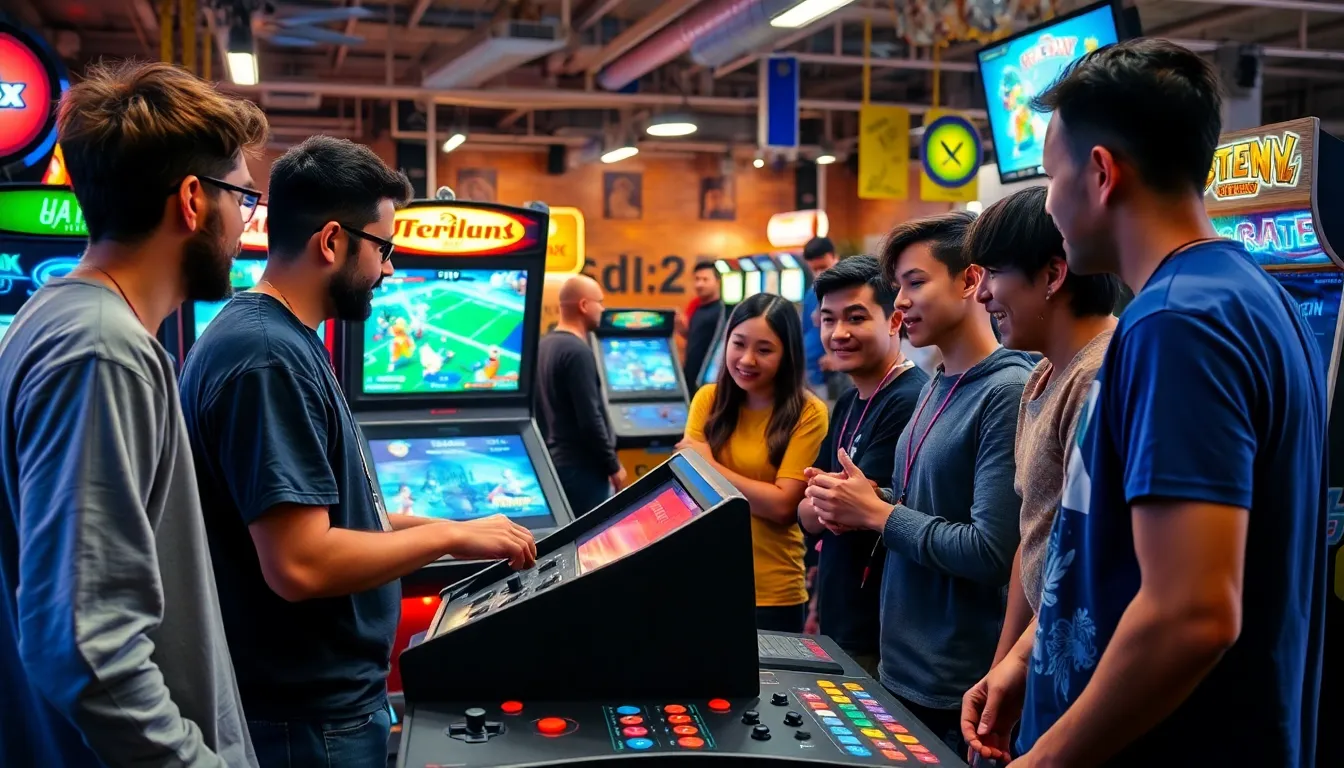
One of the primary issues is the increasing complexity of modern fighting games. As developers introduce intricate mechanics and systems, new players often feel overwhelmed and alienated. This has led to a decline in participation from casual gamers who once formed the backbone of the community. The FGC’s reliance on high-level competition has, in some cases, overshadowed the joy of simply playing games for fun, creating a divide between hardcore enthusiasts and newcomers.
The Economic Landscape of the FGC
The economic model of the FGC has also shifted dramatically over the years. With the rise of esports, large corporations have invested heavily in competitive gaming, often prioritizing profitability over community-driven initiatives. This commercialization can lead to a focus on high-stakes tournaments that cater to elite players, leaving little room for casual events that foster inclusivity. The struggle for financial support has created a challenging environment for smaller tournaments, which are essential for nurturing new talent and maintaining community spirit.
Additionally, the social dynamics within the FGC have come under scrutiny. Issues such as toxic behavior, harassment, and exclusion have been prevalent, prompting calls for a more welcoming environment. The community’s response to these challenges has been mixed, with some factions advocating for change while others resist it, creating further division. Addressing these social issues is crucial for the FGC to thrive and attract a broader audience.
In light of these challenges, there is a growing belief that a return to simpler, more accessible gaming experiences, akin to the charm of Avatar Legends, could revitalize the FGC. By focusing on fun and community engagement, the FGC may find a path forward that honors its roots while adapting to the needs of a new generation of players, similar to the predictions about the future of game trends discussed in recent analyses.
Key Issues and Stakeholders in the FGC Landscape
The fighting game community (FGC) is a vibrant ecosystem that includes players, developers, tournament organizers, and fans. Each of these stakeholders has distinct interests that shape the direction of the community. As discussions around accessibility and enjoyment in gaming evolve, the question arises: how can titles like Avatar Legends bring a sense of simplicity and fun back to competitive gaming?
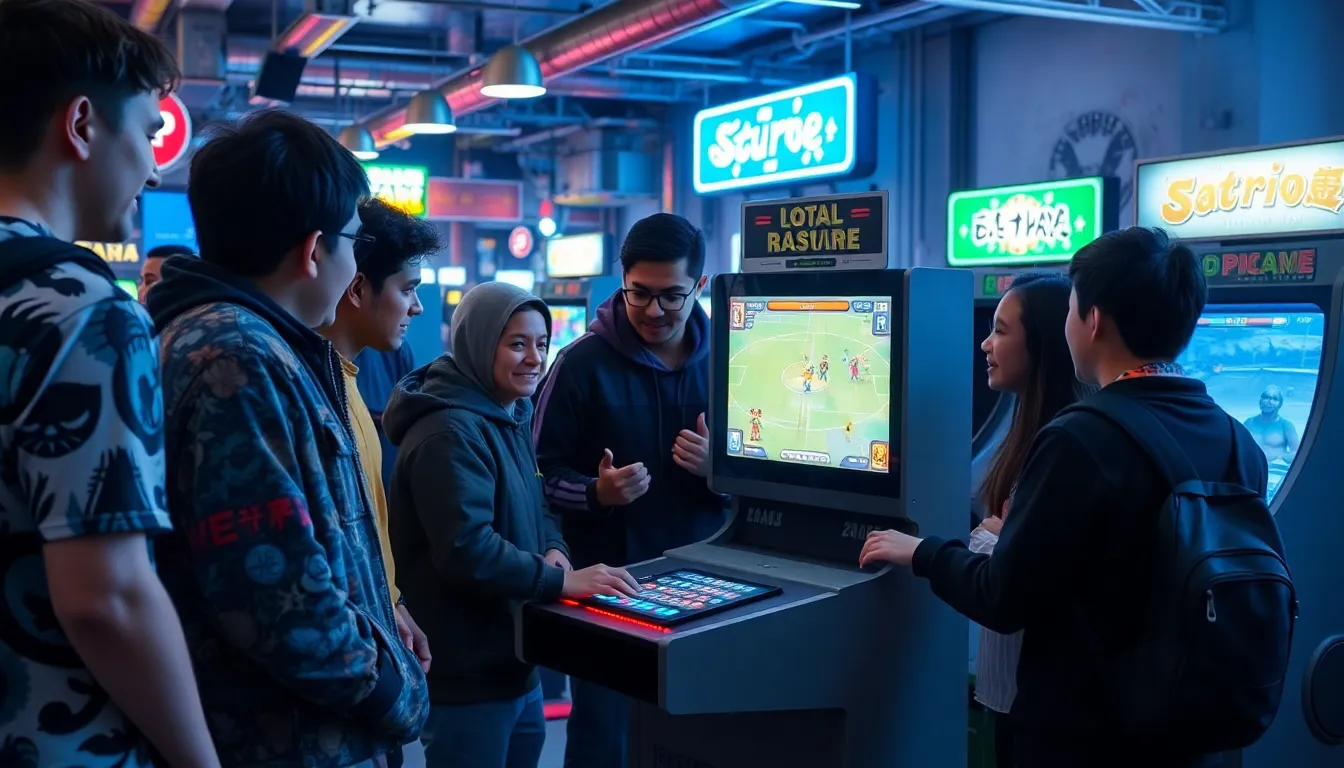
One of the primary stakeholders is the game developers, who are tasked with creating engaging and balanced gameplay experiences. Their interests often lie in maximizing player engagement and ensuring that their games are both competitive and accessible. However, they face the challenge of catering to a diverse audience, which can lead to conflicts over game mechanics and balance.
Tournament organizers also play a crucial role in the FGC. They are responsible for setting the stage for competitions and ensuring that events run smoothly. Their interests include attracting sponsorships, increasing attendance, and providing a platform for players to showcase their skills. However, they must navigate economic pressures and the need for innovative formats that keep audiences engaged.
- Player Engagement: The need for games that are easy to pick up yet difficult to master, similar to Avatar Legends.
- Economic Viability: Balancing the costs of organizing tournaments with the potential for profit.
- Community Inclusivity: Ensuring that new players feel welcome, which can be at odds with hardcore competitive elements.
- Legal Issues: Navigating copyright and intellectual property concerns in game usage and streaming.
- Developer Support: The need for ongoing support from developers to maintain game balance and community interest.
Amid these dynamics, the FGC faces key legal and economic issues that could impact its future. For instance, copyright disputes over game content and streaming rights can create friction between developers and content creators. Additionally, the economic sustainability of tournaments is often threatened by fluctuating sponsorship deals and the rising costs of hosting events.
Ultimately, the FGC’s future may hinge on the ability of stakeholders to collaborate and adapt to the changing landscape of gaming. By embracing simpler, more enjoyable gameplay experiences, akin to those offered by Avatar Legends, the community may find a path forward that satisfies both competitive integrity and player enjoyment.
Who is Affected by the FGC’s Decline?
The decline of the fighting game community (FGC) is impacting a diverse range of groups and industries, from gamers and developers to event organizers and sponsors. As the competitive scene dwindles, the ripple effects are felt across various demographics, particularly among younger players and dedicated fans who have invested time and resources into the community.
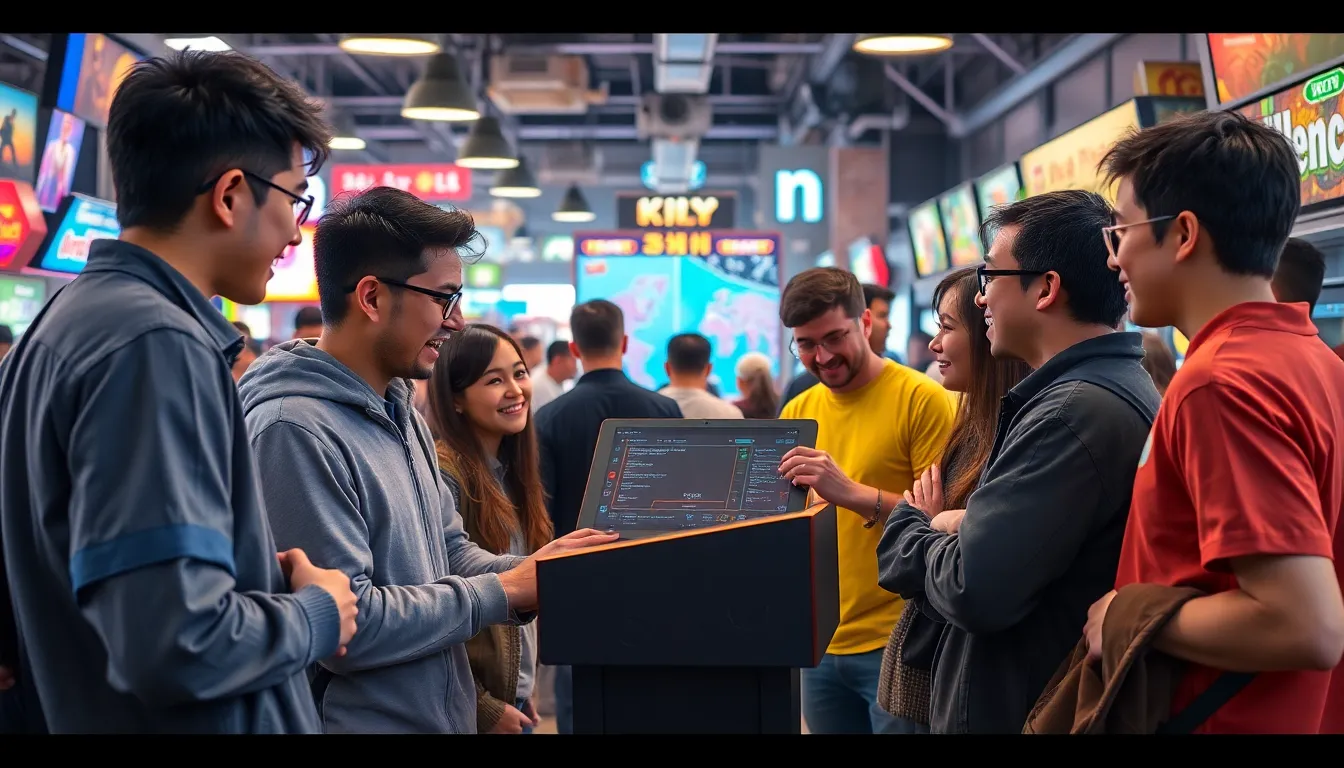
In the short term, the dwindling interest in the FGC may lead to reduced participation in tournaments and events, which can directly affect local gaming venues and esports organizations. This decline can result in financial losses for businesses reliant on the FGC, including merchandise sellers and streaming platforms that host competitive gaming content.
In the mid-term, the impact could extend to policy changes within the gaming industry. Developers might shift their focus away from fighting games, prioritizing genres with higher engagement levels. This could lead to fewer new releases and updates for existing titles, further alienating the community and diminishing the overall gaming culture associated with fighting games.
- Risks: Financial instability for event organizers and local gaming venues.
- Risks: Decreased investment from sponsors and advertisers.
- Opportunities: A resurgence of interest through innovative game design, like Avatar Legends.
- Opportunities: Potential for new partnerships and collaborations focused on community-building.
Ultimately, the shifting landscape of the FGC presents both challenges and opportunities. By embracing new ideas and fostering a sense of community, there is potential for revitalization that could benefit all stakeholders involved.
A: Avatar Legends emphasizes fun and accessibility, which can inspire game developers to create more engaging experiences for players in the FGC. A: The FGC is struggling with declining player engagement, lack of new players, and the need for a more welcoming environment. A: Key stakeholders include game developers, tournament organizers, players, and the community at large, all of whom play a role in shaping the future of the FGC. A: Simplicity can make games more approachable for new players, fostering a larger community and encouraging more participation. A: Nostalgia can draw players back to the FGC, as many have fond memories of classic games that emphasized fun and competition.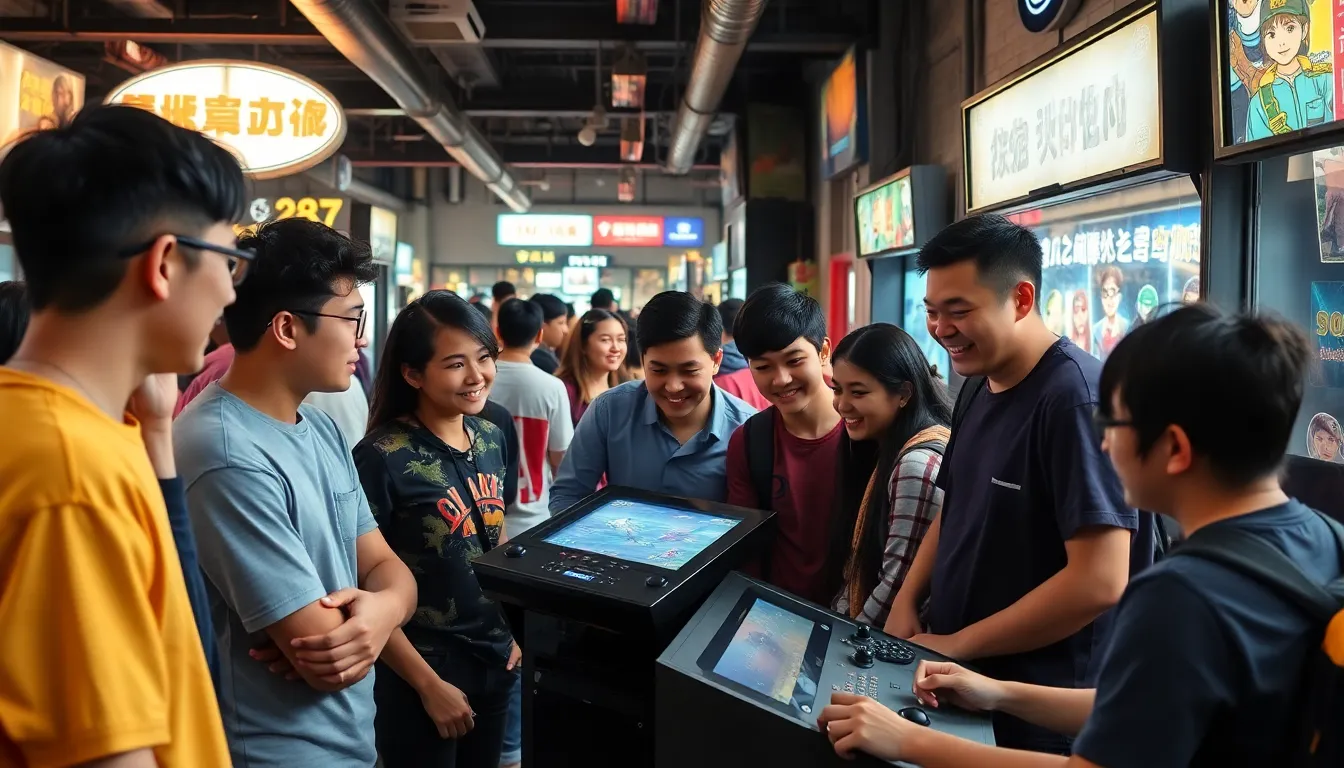
Frequently Asked Questions About the FGC and Avatar Legends
Looking Ahead: Key Takeaways and Future Directions
The future of the Fighting Game Community (FGC) hinges on its ability to adapt and embrace simplicity and fun, much like the engaging dynamics found in Avatar Legends. As the landscape of competitive gaming evolves, it is essential for developers and players alike to prioritize accessibility and enjoyment to attract a broader audience. This shift could reinvigorate interest and participation in the FGC, fostering a more inclusive environment.
Moreover, the integration of narrative elements and character-driven gameplay can enhance player engagement, providing a richer experience that resonates with a diverse demographic. As the community looks to the future, focusing on these aspects will be crucial in ensuring the longevity and vitality of the FGC.
- Emphasize Accessibility: Simplifying game mechanics can lower barriers for new players, making the FGC more welcoming.
- Incorporate Storytelling: Games that weave in compelling narratives can create deeper connections between players and characters.
- Encourage Community Engagement: Fostering a sense of community through events and social interactions can enhance player loyalty.
- Focus on Fun: Prioritizing enjoyable gameplay experiences over competitive rigidity can attract casual players.
- Innovate with Cross-Genre Elements: Blending elements from other genres can introduce fresh gameplay dynamics that appeal to a wider audience.