
In recent years, platforms like ThredUp and Poshmark have gained traction, allowing consumers to buy and sell pre-owned apparel easily. These online marketplaces have become essential players in the retail landscape, catering to a growing demographic that prioritizes affordability and sustainability.
Artificial intelligence is playing a pivotal role in this transformation, enhancing the shopping experience by helping users discover deals tailored to their preferences. AI-driven algorithms analyze consumer behavior and inventory, allowing shoppers to find high-quality secondhand items quickly and efficiently.
As the trend continues to evolve, major retailers are also adapting, with brands like Patagonia and H&M launching their own secondhand initiatives. This shift not only reflects changing consumer values but also highlights the importance of circular fashion in reducing waste and promoting sustainability.
Understanding the growth of the secondhand market
The secondhand clothing market has experienced a remarkable transformation over the past decade, evolving from a niche sector to a mainstream retail force. Historically, secondhand shopping was often associated with thrift stores and garage sales, appealing primarily to budget-conscious consumers. However, a combination of rising environmental awareness, economic factors, and changing consumer preferences has propelled the market into the spotlight, with sales projected to reach $289 billion in the coming years.
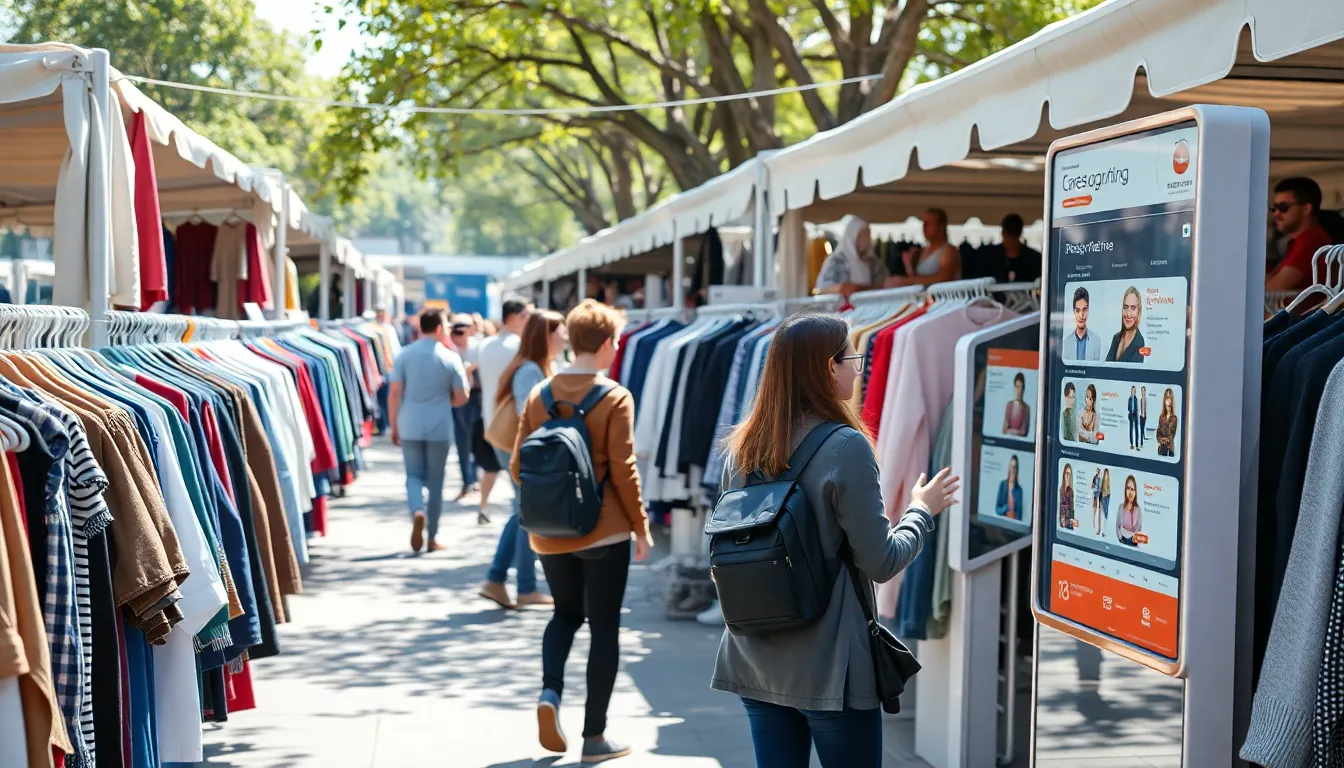
One of the key milestones in this evolution was the rise of online resale platforms, such as ThredUp and Poshmark, which emerged in the early 2010s. These platforms leveraged technology to create user-friendly interfaces that allowed individuals to buy and sell secondhand clothes with ease. The convenience of online shopping, coupled with the growing trend of sustainability, has encouraged consumers to seek out pre-owned items as a viable alternative to fast fashion.
The impact of AI on shopping
Artificial intelligence has played a pivotal role in enhancing the secondhand shopping experience. By utilizing algorithms to analyze consumer behavior and preferences, AI-driven platforms can now recommend personalized deals and streamline the search process for shoppers. This technological advancement not only makes it easier for consumers to find desirable items at competitive prices but also fosters a sense of community among buyers and sellers, further driving market growth.
Moreover, the economic landscape has shifted significantly, with many consumers facing financial pressures due to rising living costs. As a result, secondhand shopping has become an attractive option for those looking to save money while still enjoying fashionable clothing. This economic shift, combined with the social movement towards sustainability, has solidified the secondhand market’s position as a key player in the retail industry.
As we look to the future, the combination of technological innovation and changing consumer values suggests that the secondhand clothing market will continue to thrive. The forecasted growth to $289 billion is not merely a reflection of economic trends but also an indication of a broader cultural shift towards responsible consumption and a circular economy.
Key players and challenges in the secondhand clothing industry
The secondhand clothing market is rapidly evolving, with various stakeholders playing critical roles in shaping its future. Key players include consumers, retailers, technology companies, and environmental organizations. Each of these groups has distinct interests that drive their involvement in the industry.
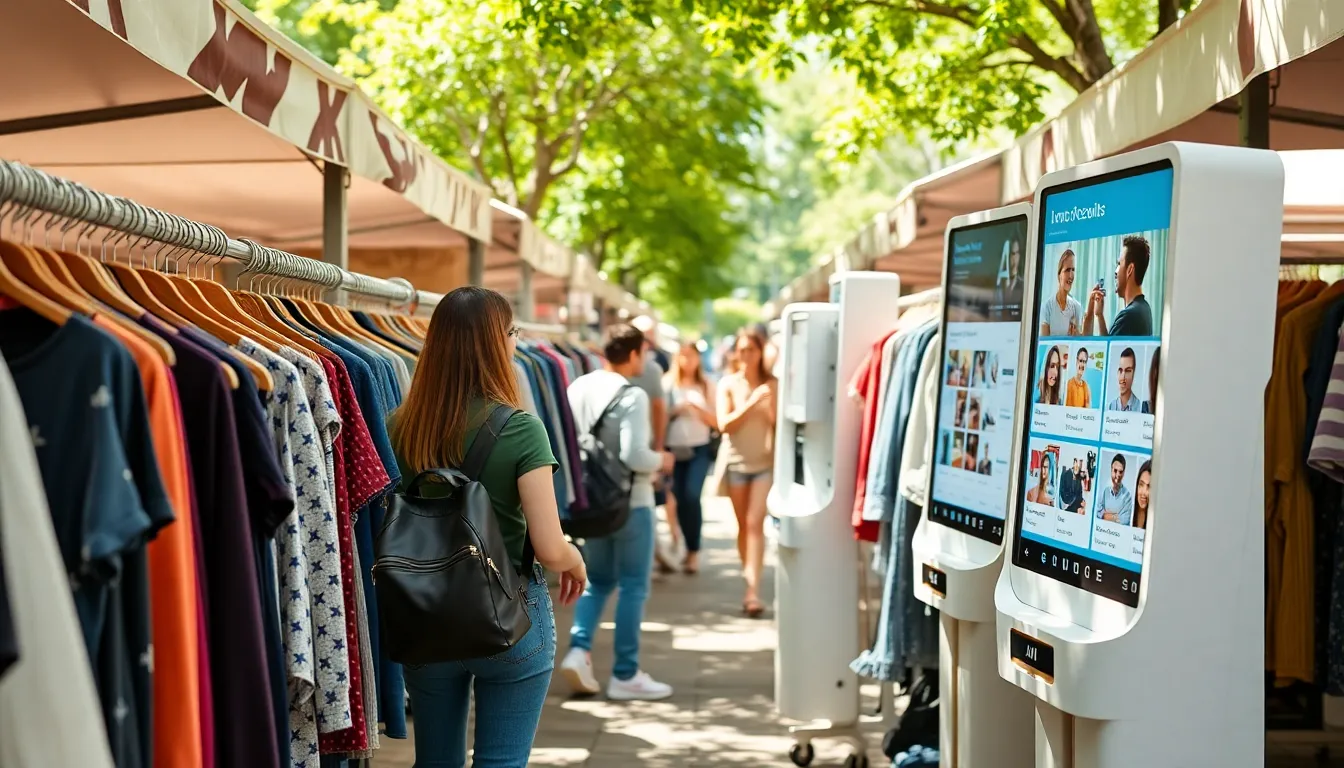
Consumers are increasingly motivated by sustainability and affordability, seeking to reduce their environmental footprint while saving money. Retailers, including both traditional thrift shops and online platforms, aim to capitalize on the growing demand for secondhand goods. Technology companies, particularly those leveraging artificial intelligence, are focused on enhancing the shopping experience by helping users find the best deals and streamline the purchasing process.
However, conflicts arise as these interests sometimes clash. For instance, while retailers may want to maximize profits, consumers often prioritize value and sustainability. Additionally, the rise of AI in the secondhand market raises concerns over data privacy and the potential for algorithmic bias, which could affect how deals are presented to shoppers.
- Economic issues: The growing secondhand market could disrupt traditional retail, leading to job losses in conventional clothing stores.
- Legal challenges: Regulations surrounding online sales, data protection, and consumer rights must be navigated carefully by platforms.
- Environmental impact: While secondhand shopping is generally seen as eco-friendly, the carbon footprint of shipping items globally can negate some benefits.
- Consumer behavior: Shifts in consumer preferences towards secondhand goods may challenge perceptions of quality and desirability in fashion.
As the secondhand clothing market grows, stakeholders must engage in dialogue to address these challenges. Balancing economic interests with ethical considerations will be crucial in ensuring a sustainable and equitable future for the industry.
How this trend affects consumers and retailers
The forecasted growth of secondhand clothes sales to $289 billion is set to impact a diverse range of groups and industries. Consumers, particularly environmentally conscious shoppers and budget-conscious individuals, will benefit from the increased availability of affordable fashion options. Retailers, especially those in the fast fashion sector, may face challenges as consumers shift their purchasing habits towards sustainable alternatives.
In the short term, the rise of AI-driven platforms that help shoppers find deals on secondhand clothing will streamline the buying process, making it more accessible for a broader audience. This technological advancement may lead to an increase in online sales and a decline in traditional retail foot traffic, prompting retailers to adapt their business models. Additionally, thrift stores and online resale platforms are likely to experience a surge in demand, resulting in job creation within those sectors.
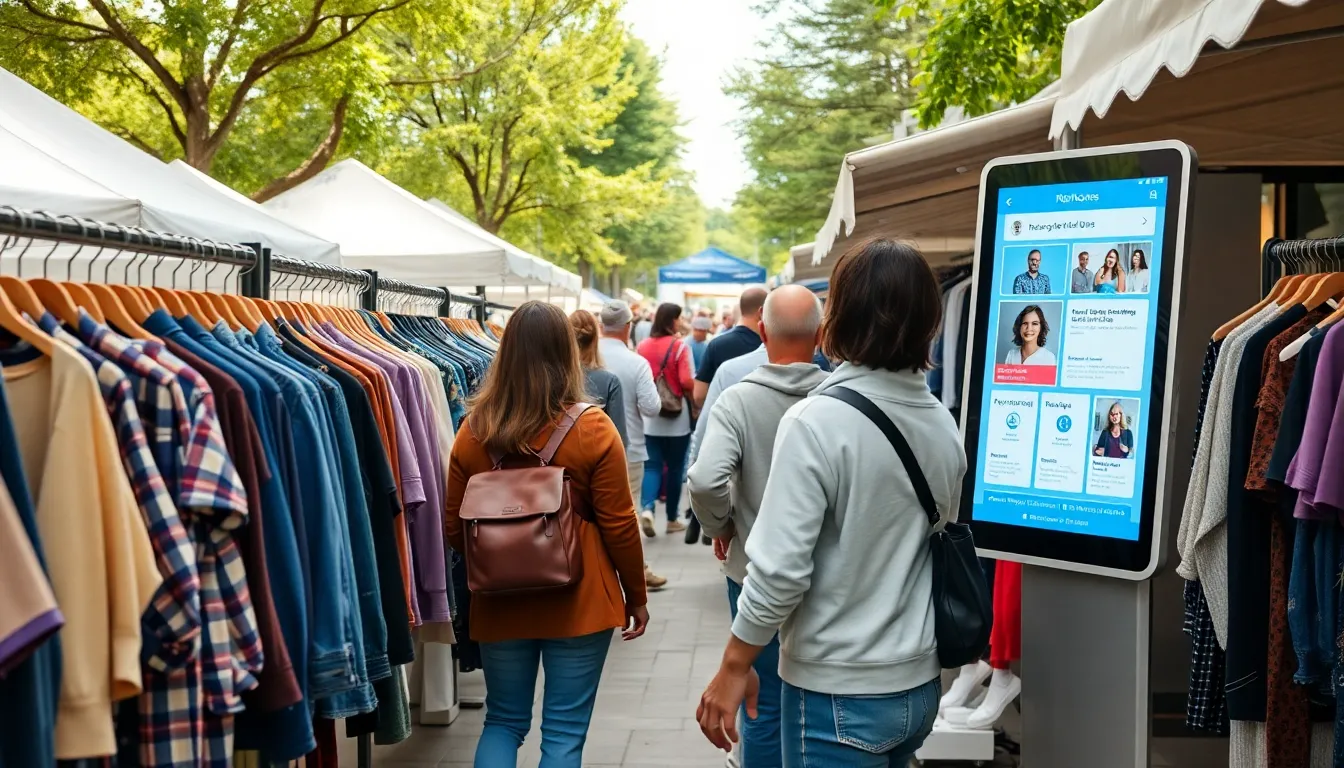
Mid-term impacts may include a shift in consumer behavior, with more individuals prioritizing sustainability and ethical consumption. This could lead to changes in policy as governments and regulatory bodies may introduce incentives for sustainable practices within the fashion industry. The potential for increased collaboration between tech companies and fashion retailers could also emerge, creating new business opportunities and partnerships.
- Opportunities: Growth in sustainable fashion market, increased job creation in resale sectors.
- Risks: Traditional retailers may struggle to compete, potential oversaturation of the secondhand market.
- Consumer Impact: Greater access to affordable clothing, increased awareness of sustainable practices.
Regions with a strong retail presence, such as North America and Europe, are likely to see the most significant shifts, but emerging markets may also capitalize on this trend as secondhand shopping becomes more mainstream. Overall, the intersection of AI technology and secondhand clothing sales presents both challenges and opportunities that will shape the future of retail and consumer behavior.
A: Several factors contribute to this growth, including increased environmental awareness, economic benefits for consumers, and the rise of online platforms that facilitate buying and selling secondhand items. A: AI technologies help shoppers by providing personalized recommendations, price comparisons, and improved search functionalities, making it easier to find desirable items at competitive prices. A: Buying secondhand clothes can save money, reduce waste, and offer unique fashion choices that are not available in mainstream retail. A: While generally safe, risks include potential quality issues, lack of return policies, and the need for careful inspection to avoid purchasing damaged items. A: The market is expected to continue growing, with more consumers embracing sustainability and technology playing a larger role in facilitating transactions and enhancing user experience.
Frequently asked questions about secondhand clothing sales
Future outlook for the secondhand clothing market
The secondhand clothing market is poised for significant growth, projected to reach $289 billion as technology, particularly artificial intelligence, revolutionizes the shopping experience. This surge reflects a broader shift in consumer behavior towards sustainability and value, as shoppers increasingly seek affordable and eco-friendly options. The integration of AI tools is set to enhance the shopping experience, making it easier for consumers to discover deals and curate their wardrobes from a vast array of secondhand offerings.
As the market evolves, several trends are likely to shape its trajectory. Retailers and platforms that leverage AI effectively will not only attract more customers but also foster a more personalized shopping experience. This dynamic landscape presents opportunities for both established brands and new entrants to innovate and capture market share in the burgeoning secondhand sector.
- Monitor the impact of AI on consumer engagement and purchasing patterns in the secondhand market.
- Watch for collaborations between traditional retailers and online resale platforms to expand their reach.
- Consider the implications of sustainability trends driving demand for secondhand clothing.
- Evaluate how pricing strategies evolve as competition increases in the resale market.
- Stay informed about regulatory changes that may affect the resale landscape and consumer rights.