
The Cuban government has acknowledged the crisis, attributing the power shortages to a combination of aging infrastructure, fuel shortages, and the impact of U.S. sanctions. As of October 2023, maternity hospitals are experiencing difficulties in maintaining essential services, leading to heightened anxiety among pregnant women and their families. This situation is reminiscent of the challenges faced by newly qualified paramedics who are also navigating a crisis in their field.
Healthcare workers report that the outages complicate medical procedures and the storage of vital medications, putting both mothers and newborns at risk. Many expectant mothers are now forced to seek alternative solutions, including home births, which can be dangerous without professional medical assistance, similar to how recent global crises have forced individuals to seek alternative resources in times of need.
Community organizations and local activists are stepping in to provide support, offering resources and information to help mothers navigate this difficult period. Despite these efforts, the ongoing crisis underscores the broader challenges facing Cuba’s healthcare system and the urgent need for solutions to ensure the safety of mothers and their children.
Understanding the background of Cuba’s ongoing crisis
Cuba has been grappling with a multifaceted crisis that has roots in its historical, political, and economic landscape. The country’s struggles can be traced back to the 1959 revolution, which led to the establishment of a socialist state under Fidel Castro. While the revolution aimed to eradicate poverty and inequality, it also resulted in the suppression of dissent and a centralized economy that became increasingly dependent on state control.
Over the decades, Cuba faced numerous challenges, particularly after the collapse of the Soviet Union in the early 1990s. The loss of Soviet support plunged the country into what is known as the “Special Period,” characterized by severe shortages of food, fuel, and other essential goods. This period marked a turning point, as many Cubans began to seek alternatives to the state-controlled economy, leading to the emergence of informal markets and a gradual shift in public sentiment towards economic reform.
In recent years, the situation has worsened due to a combination of factors, including the tightening of U.S. sanctions, the impact of the COVID-19 pandemic, and ongoing mismanagement by the government. The sanctions, reinstated and intensified under the Trump administration, have crippled Cuba’s ability to import essential goods and have exacerbated the existing economic crisis. As a result, the country has experienced rampant inflation, food scarcity, and a healthcare system struggling to cope with the demands of its population.
The plight of mothers-to-be
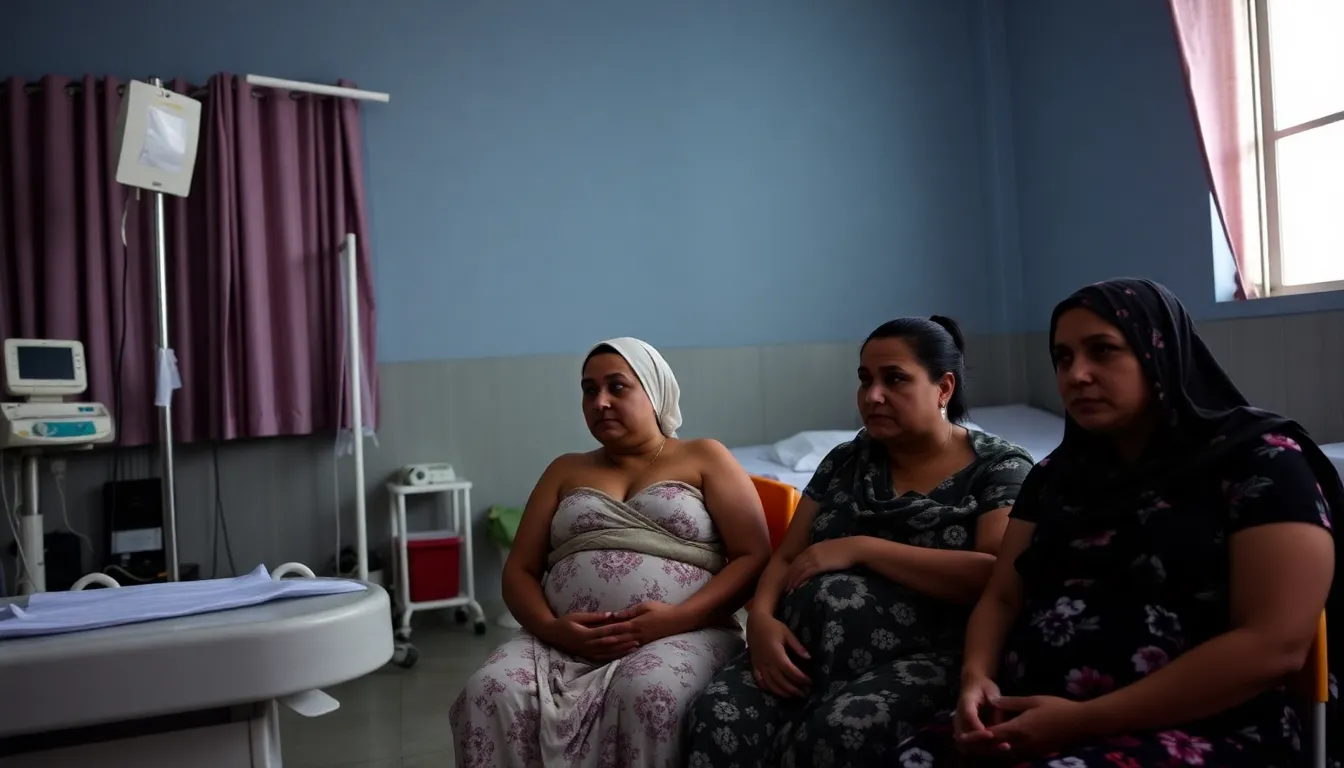
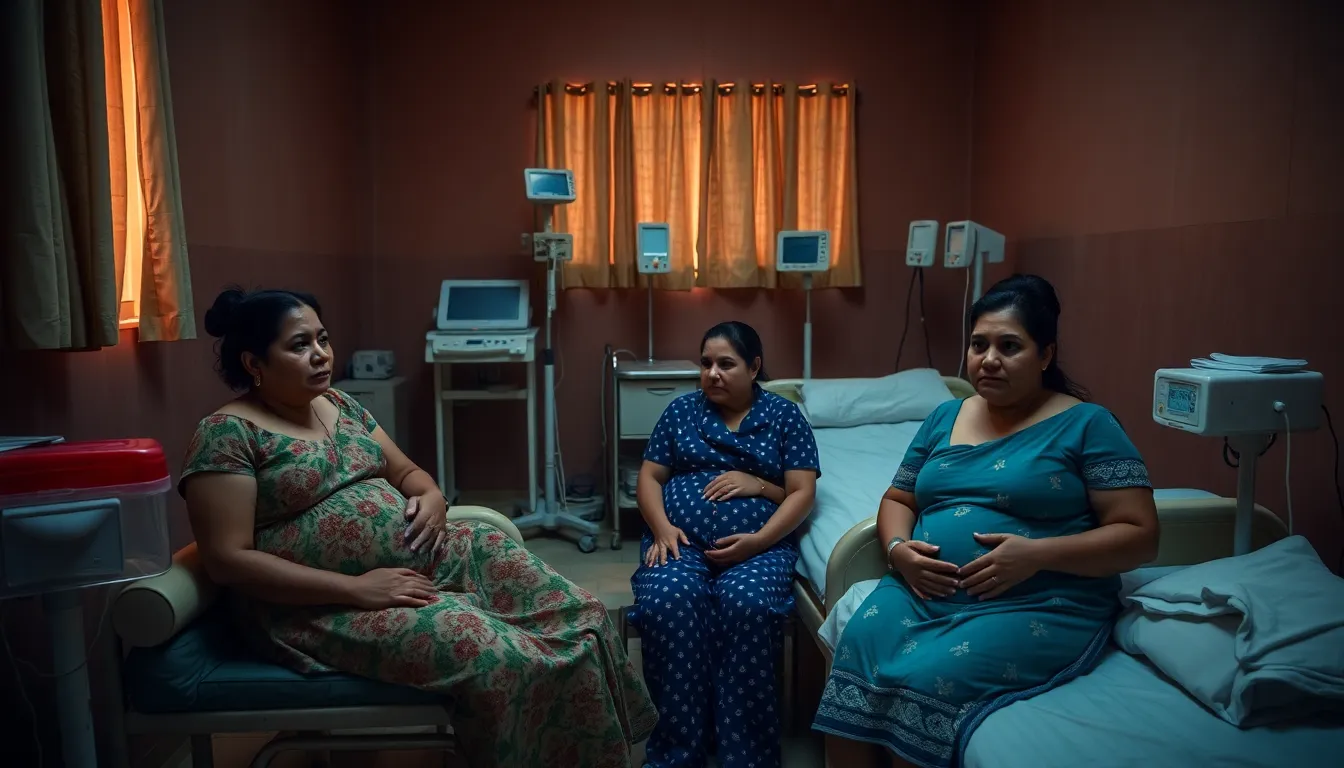
Amidst this crisis, pregnant women in Cuba face particularly dire circumstances. The lack of medical supplies, including prenatal vitamins and necessary equipment for safe childbirth, has become a pressing concern. Hospitals are often under-resourced, and expectant mothers find themselves navigating a healthcare system that is overwhelmed and ill-equipped to provide adequate care. The combination of economic hardship and healthcare deficiencies creates a precarious environment for mothers-to-be, who must contend with both the physical and emotional toll of bringing new life into a country plunged into darkness.
Key issues affecting maternal healthcare in Cuba
Cuba’s healthcare system, once lauded for its accessibility and quality, now faces significant challenges that impact maternal health. The ongoing economic crisis, exacerbated by the COVID-19 pandemic and U.S. sanctions, has led to shortages of essential medical supplies and medications. This situation poses a direct threat to the health and safety of mothers-to-be as they prepare for childbirth.
Key actors in this scenario include the Cuban government, healthcare providers, and international organizations. The Cuban government is tasked with maintaining healthcare services despite dwindling resources, while healthcare providers are on the front lines, often working with inadequate supplies. International organizations, such as the World Health Organization (WHO), have expressed concern over the deteriorating conditions and are seeking to provide support, but face challenges in navigating the political landscape.
Several conflicts and trade-offs arise in this context. For instance, the government must balance the allocation of limited resources between maternal healthcare and other pressing health needs, such as treating chronic diseases. Additionally, the prioritization of healthcare may conflict with economic reforms aimed at stimulating growth, which could further strain the healthcare system.
- Resource shortages: Limited access to medical supplies and prenatal care directly affects maternal health outcomes.
- Economic constraints: The ongoing economic crisis restricts the government’s ability to invest in healthcare infrastructure.
- International support: While organizations like the WHO aim to assist, political barriers complicate aid delivery.
- Healthcare workforce challenges: Many healthcare professionals are leaving the country for better opportunities, impacting the quality of care.
- Public health messaging: Effective communication about maternal health risks is crucial but often hampered by misinformation.
As Cuba’s mothers-to-be navigate this complex landscape, the interplay of these stakeholders and issues highlights the critical need for both immediate and long-term solutions to ensure safe childbirth and maternal health in the country.
The impact of the crisis on mothers and newborns
The ongoing crisis in Cuba, marked by severe energy shortages and widespread blackouts, has far-reaching implications for mothers-to-be and their newborns. This situation affects not only the healthcare sector but also families and communities across the country. The most vulnerable groups include pregnant women, newborns, and healthcare workers, who are all facing unprecedented challenges in a deteriorating environment.
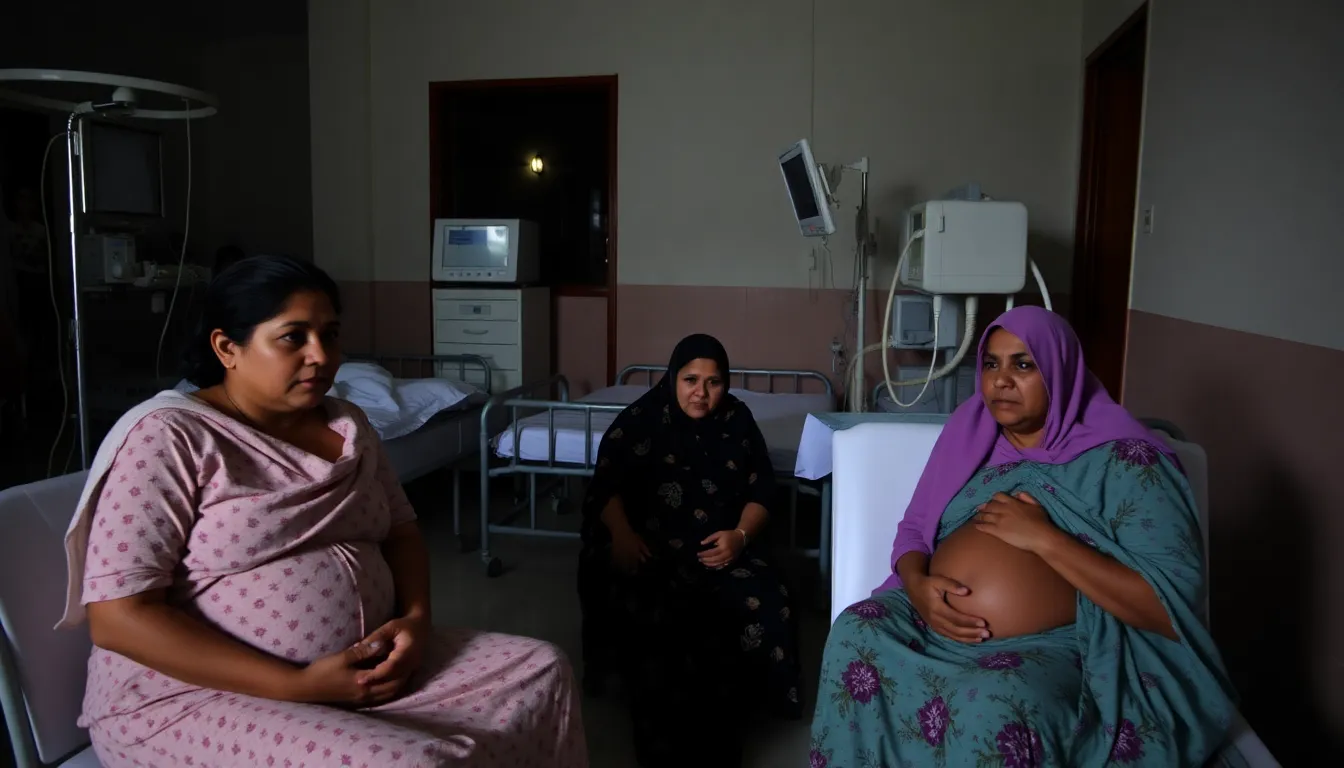
In the short term, expectant mothers are experiencing heightened anxiety and stress due to the lack of reliable access to medical facilities. Hospitals and clinics are struggling to maintain essential services, leading to concerns about prenatal care and safe delivery. The absence of electricity complicates everything from maintaining sterile environments to ensuring that critical medical equipment functions properly during childbirth.
Mid-term impacts could see a rise in maternal and infant health issues as the quality of care declines. The risk of complications during pregnancy and childbirth increases, potentially leading to higher morbidity rates. Additionally, families may face economic strains as they seek alternative healthcare options or rely on informal networks, which may not always provide the necessary support.
- Increased maternal and infant health risks.
- Economic strain on families due to healthcare access challenges.
- Potential for a rise in informal healthcare practices.
- Long-term implications for public health policy and resource allocation.
Despite these challenges, there may be opportunities for community solidarity and grassroots initiatives. Local organizations and support networks may emerge to provide assistance to mothers, helping to fill gaps left by the formal healthcare system. Additionally, the crisis may prompt policymakers to address longstanding issues within the healthcare infrastructure, leading to potential reforms aimed at improving maternal and child health services in the future.
A: Pregnant women in Cuba face significant challenges due to power outages, limited access to medical supplies, and inadequate healthcare services, which can jeopardize their health and that of their babies. A: Hospitals are struggling to maintain essential services during power outages, often relying on generators, which may not be sufficient to support all medical needs. A: Various local organizations and international NGOs are working to provide support, including prenatal care and educational resources, but access can be inconsistent. A: The Cuban government has announced plans to enhance healthcare services, but implementation has been slow due to resource constraints and ongoing economic challenges. A: The ongoing crisis is likely to contribute to rising infant mortality rates as healthcare access diminishes and conditions for safe childbirth deteriorate.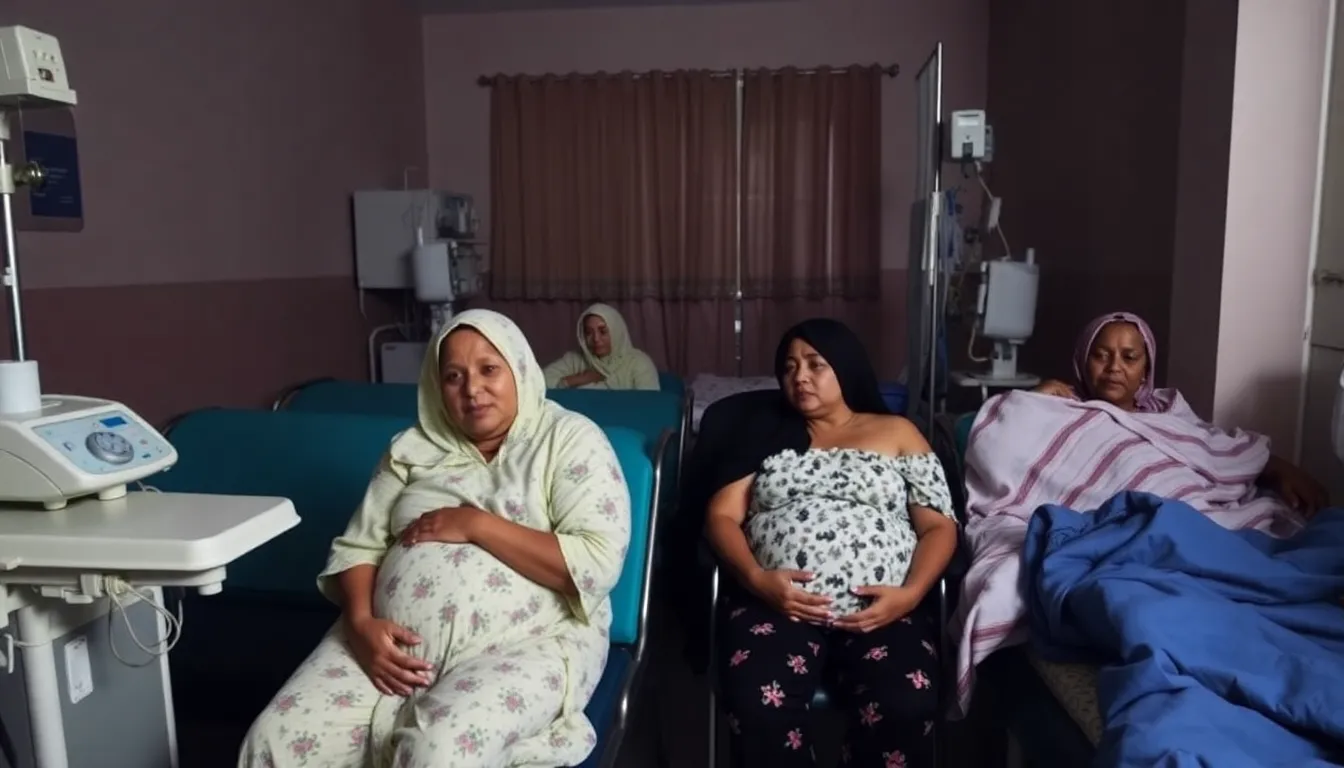
Frequently asked questions about childbirth in Cuba
Outlook on maternal health in Cuba amidst the crisis
The current situation in Cuba, marked by economic turmoil and energy shortages, profoundly impacts maternal health and childbirth experiences. As mothers-to-be navigate these challenges, the resilience and adaptability of healthcare providers and families become increasingly crucial. The interplay between resource scarcity and maternal care highlights the urgent need for innovative solutions to ensure the safety and well-being of mothers and newborns.
Looking ahead, it is essential to monitor the evolving landscape of maternal health services in Cuba. The ability of healthcare systems to respond effectively to crises, coupled with community support networks, will play a significant role in shaping outcomes for mothers and their children. Addressing these challenges requires a collective effort from both local and international stakeholders.
- Increased focus on telemedicine: As traditional healthcare facilities face operational challenges, the adoption of telemedicine could provide vital support for prenatal care and consultations.
- Community-based support systems: Strengthening local networks of support can help mothers access resources and information, enhancing their overall care during pregnancy and childbirth.
- International aid and partnerships: Collaborations with international organizations may be necessary to provide essential supplies and training for healthcare workers in Cuba.
- Monitoring maternal health outcomes: Continuous assessment of maternal health indicators will be crucial in understanding the long-term effects of the current crisis on mothers and infants.