
The decision comes as Arm seeks to capitalize on the growing demand for custom silicon solutions in various sectors, including artificial intelligence and mobile computing. By producing its own chips, the company aims to enhance its competitive edge and better meet the needs of its customers. This strategic pivot aligns with broader industry trends, as discussed in an article on the rise of betting on everything.
Industry analysts view this shift as a strategic response to the evolving landscape of the semiconductor market, where innovation and speed are crucial. Arm’s entry into chip production could potentially reshape its role in the technology ecosystem, impacting partnerships and collaborations with existing clients.
This announcement follows Arm’s recent initial public offering (IPO) in September 2023, which raised significant capital and positioned the company for expansion. As it embarks on this new chapter, stakeholders will be closely watching how Arm navigates the challenges of chip manufacturing while maintaining its core licensing business.
Understanding the historical context of Arm Holdings’ business model
Arm Holdings, established in 1990, has long been a key player in the semiconductor industry, primarily known for designing microprocessor architectures that power a vast array of devices, from smartphones to embedded systems. Historically, the company adopted a licensing model that allowed other manufacturers to produce chips based on its designs. This approach positioned Arm as a leader in the mobile computing sector, as its energy-efficient architectures became the backbone of many popular devices.
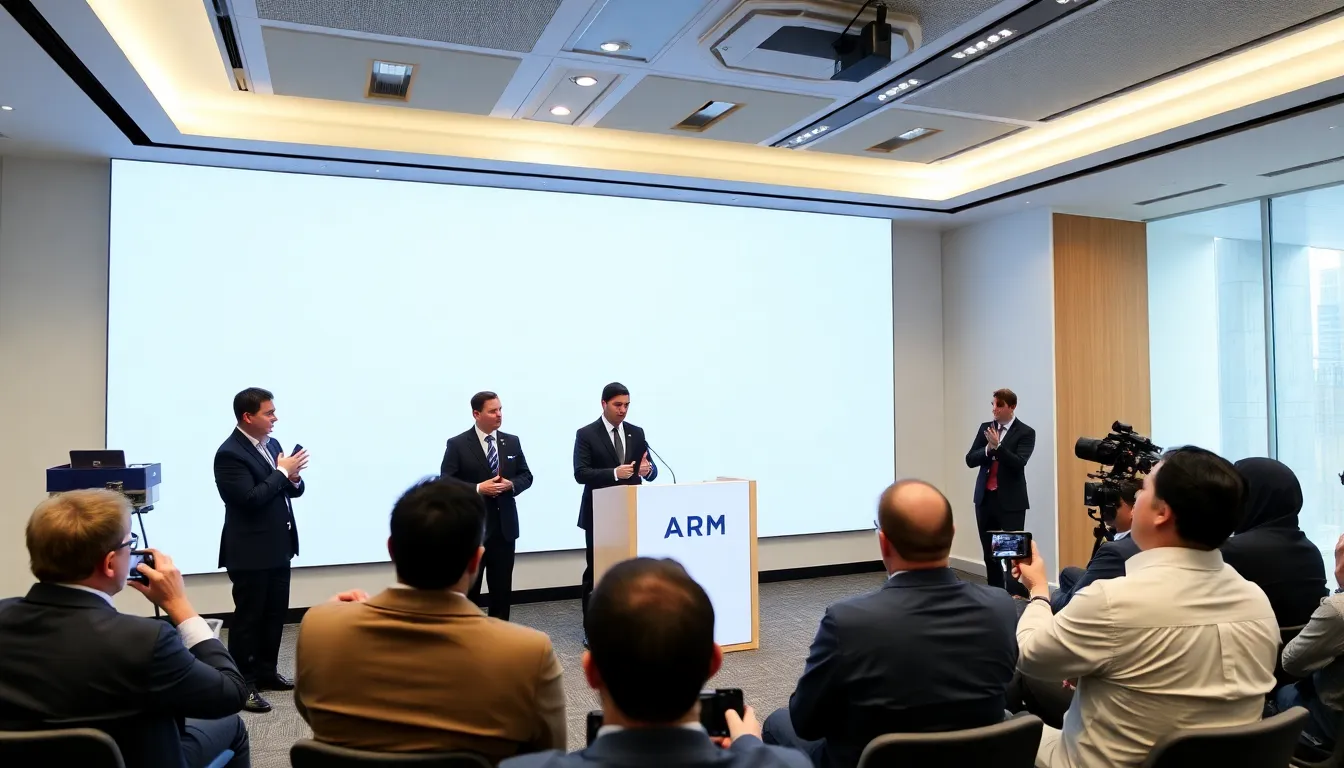
In the early 2000s, as mobile technology surged, Arm’s licensing strategy flourished, leading to partnerships with major tech companies like Apple, Samsung, and Qualcomm. This collaboration allowed Arm to focus on innovation in chip design while leaving the manufacturing process to its partners. However, this model also meant that Arm had limited control over the production and market dynamics of the chips that bore its designs, which could lead to challenges in maintaining competitive advantage in a rapidly evolving industry.
The Shift Towards Direct Chip Sales
Recent geopolitical tensions, supply chain disruptions, and the increasing demand for custom chips have prompted Arm to reconsider its long-standing business model. The global semiconductor shortage highlighted vulnerabilities in the supply chain, pushing companies to seek more direct control over their chip production. As a response, Arm’s decision to sell its own chips marks a significant pivot, reflecting a broader trend in the industry where companies are increasingly moving towards vertical integration to enhance resilience and adaptability, similar to how British Esports is evolving in its sector.
Moreover, the rise of artificial intelligence and machine learning applications has created a new landscape for chip design, necessitating specialized solutions that traditional licensing may not adequately address. By entering the market as a chip seller, Arm aims to leverage its expertise in architecture while directly meeting the demands of contemporary technology trends, setting a new course for its future in an increasingly competitive environment.
Key stakeholders and implications of Arm’s new strategy
Arm Holdings’ decision to sell its own computer chips marks a significant shift in its business model, impacting various stakeholders in the technology ecosystem. Key actors include Arm itself, semiconductor manufacturers, technology companies that rely on Arm’s designs, and regulatory bodies. Each of these stakeholders has distinct interests that shape the landscape of this new strategy.
Arm Holdings aims to capture a larger share of the semiconductor market by directly selling chips, which could enhance its revenue streams and reduce reliance on licensing fees. This shift may attract investors looking for growth potential in a competitive industry. However, it also poses risks of conflict with existing partners who license Arm’s technology and may feel threatened by the company’s move into direct competition.

For semiconductor manufacturers and technology companies, the implications are profound. Companies like Qualcomm and Apple, which have historically relied on Arm’s designs, may need to reassess their supply chains and partnerships. The potential for increased competition could lead to a reevaluation of pricing strategies and innovation efforts within the sector.
- Increased competition: Arm’s entry into the chip market could drive down prices and spur innovation among competitors.
- Supply chain disruptions: Existing partners may face challenges as Arm begins producing its own chips, potentially leading to a fragmented market.
- Regulatory scrutiny: Governments may examine the implications of Arm’s new strategy, especially in terms of market monopolization and fair competition.
- Investment opportunities: The shift could attract new investments into Arm Holdings, bolstering its financial position.
- Technological advancements: Direct involvement in chip production may accelerate Arm’s innovation cycle, benefiting the tech industry at large.
Moreover, legal and economic issues will play a critical role in shaping the outcomes of Arm’s new strategy. Antitrust regulations may come into play as the company navigates its dual role as a designer and manufacturer. The balance between fostering innovation and maintaining fair competition will be a key concern for regulators and stakeholders alike, similar to the challenges faced by organizations highlighted in the story of a woman seeking to give back.
Potential impacts on the semiconductor market and competitors
The decision by Arm Holdings to sell its own computer chips marks a significant shift in the semiconductor landscape, affecting various stakeholders across multiple industries. Key groups impacted include technology companies, semiconductor manufacturers, and consumers. Regions with strong tech sectors, such as Silicon Valley in the United States, as well as emerging markets in Asia, will feel the effects of this strategic pivot.
In the short term, businesses relying on Arm’s architecture may need to reevaluate their supply chains and partnerships. Companies such as Apple, Qualcomm, and Nvidia, which have historically depended on Arm’s designs, could face both challenges and opportunities as they adapt to Arm’s new role as a competitor. This could lead to increased competition in the market, potentially driving innovation but also raising costs for businesses that must now navigate a more complex landscape.
Mid-term impacts may include shifts in policy as governments and regulatory bodies respond to the changing dynamics within the semiconductor industry. Countries that prioritize technological independence may accelerate investments in local chip manufacturing, influencing global supply chains. Additionally, the competitive pressure may encourage companies to invest more heavily in research and development to keep pace with Arm’s offerings.
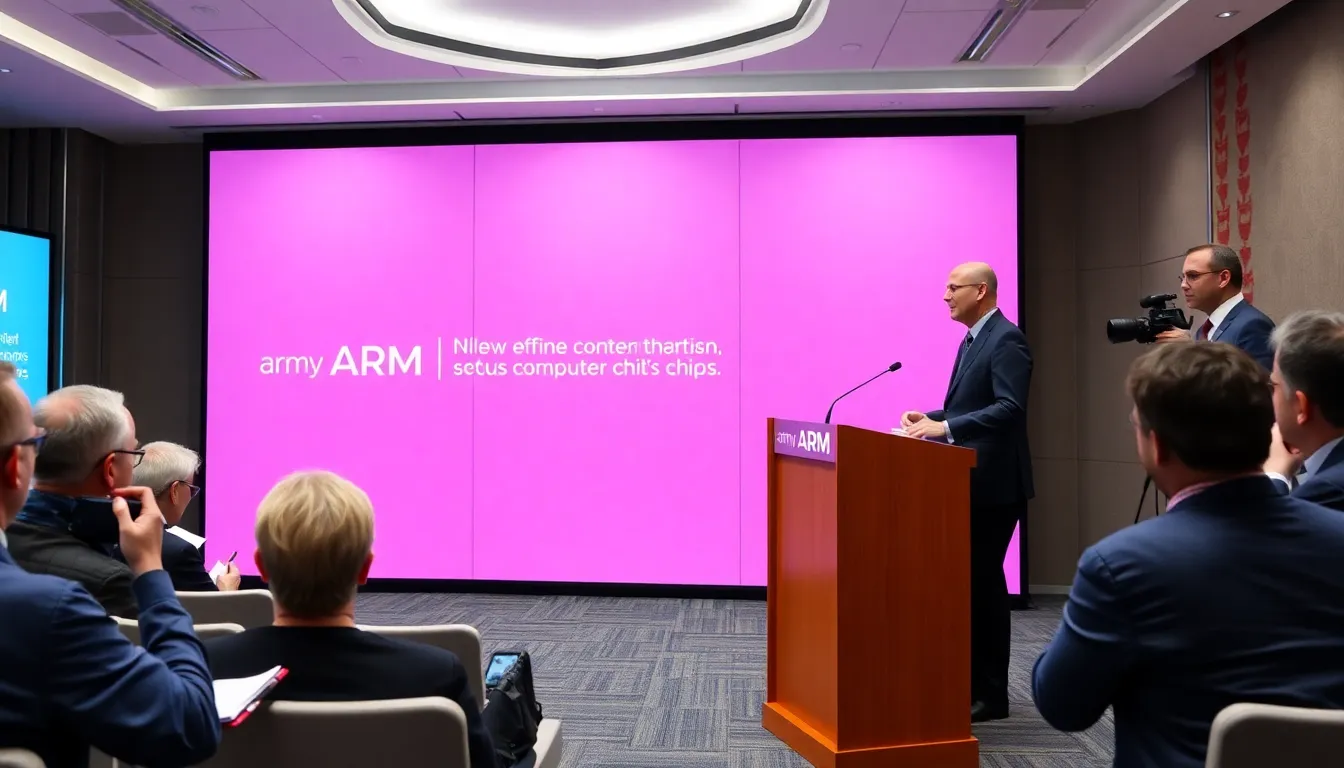
- Risks: Increased competition may lead to price wars, affecting profit margins.
- Opportunities: New market entrants may emerge, fostering innovation and diverse product offerings.
- Risks: Supply chain disruptions could arise as companies adjust to new partnerships.
- Opportunities: Enhanced collaboration between tech firms could lead to breakthroughs in chip technology.
Consumers may also experience changes as these market dynamics unfold. While competition can lead to better products and lower prices, it could also result in temporary shortages or delays as companies adapt to the new landscape. Overall, the shift by Arm Holdings is poised to reshape the semiconductor market, presenting both risks and opportunities for various stakeholders involved.
A: Arm Holdings is shifting its business model to sell its own chips in response to increasing demand for customized semiconductor solutions and to enhance its competitive edge in the market. A: Existing partners may need to adapt to the new landscape as Arm begins to compete directly with them, potentially leading to changes in collaborations and partnerships. A: Consumers may see more innovative and tailored products as Arm’s chips are designed to meet specific needs, potentially improving performance and efficiency in devices. A: Arm has not specified an exact timeline, but the company is expected to begin this transition in the near future as part of its strategic plan. A: Arm may encounter challenges such as establishing manufacturing capabilities, competing with established chip makers, and navigating market dynamics.
Frequently Asked Questions about Arm’s new direction
Insights on the future of Arm Holdings and the chip industry
Arm Holdings’ decision to sell its own computer chips marks a significant shift in its business model, moving away from its traditional licensing approach. This strategic pivot could reshape the competitive landscape of the semiconductor industry, as Arm aims to leverage its design expertise to capture a larger share of the market. With increasing demand for customized chips across various sectors, including mobile and IoT, Arm’s foray into manufacturing could enhance its position as a key player in the evolving tech ecosystem.
Investors and industry watchers should closely monitor how this change impacts Arm’s relationships with existing partners and competitors. The potential for increased revenue streams from direct chip sales may also influence the company’s innovation trajectory and market responsiveness.
- Market Dynamics: Arm’s entry into chip sales could disrupt current supply chains and alter competitive dynamics, particularly among established semiconductor manufacturers.
- Partnership Evolution: Existing partnerships may need to be reevaluated as Arm balances its new role as both a designer and manufacturer.
- Innovation Acceleration: The push for proprietary chips may lead to faster innovation cycles and more tailored solutions for emerging technologies.
- Investor Sentiment: Stakeholder reactions will be critical, as the market assesses the long-term viability of Arm’s new strategy.