
Key events have unfolded since the beginning of 2023, with Iran reportedly increasing its cyber operations against regional rivals, including Israel and Saudi Arabia. These operations have included hacking attempts, disinformation campaigns, and the use of fake accounts to manipulate narratives surrounding conflicts. For instance, in April 2023, Iranian-linked groups were accused of spreading false information about military movements in the Gulf region, which heightened tensions and led to increased military readiness among neighboring states. This marks a significant chapter in the ongoing conflict in Iran.
Moreover, Iran’s state media has been actively promoting narratives that portray the country as a victim of foreign aggression while simultaneously framing its military actions as defensive. This strategy not only seeks to bolster national unity but also aims to garner sympathy from other nations that may share similar grievances against Western powers. The Iranian leadership has recognized the power of information as a tool for both domestic control and international influence, highlighting the complexities similar to those seen in discrimination issues in various global contexts.
The significance of these developments cannot be overstated, as the battle for information supremacy can have far-reaching implications for regional stability. By effectively utilizing information warfare, Iran aims to counterbalance the military advantages held by its adversaries, particularly in a landscape where traditional warfare is increasingly supplemented by cyber and psychological operations. As the situation evolves, the international community will need to closely monitor these dynamics and their potential impact on broader geopolitical relations.
The Historical Context of Asymmetrical Warfare in Iran
Asymmetrical warfare has been a defining characteristic of Iran’s military strategy, particularly since the Islamic Revolution in 1979. The revolution not only transformed Iran’s political landscape but also set the stage for a prolonged struggle against perceived external threats, primarily from Western powers and regional adversaries. This context has fostered a reliance on unconventional tactics, including guerrilla warfare and psychological operations, to counteract the military superiority of opponents.
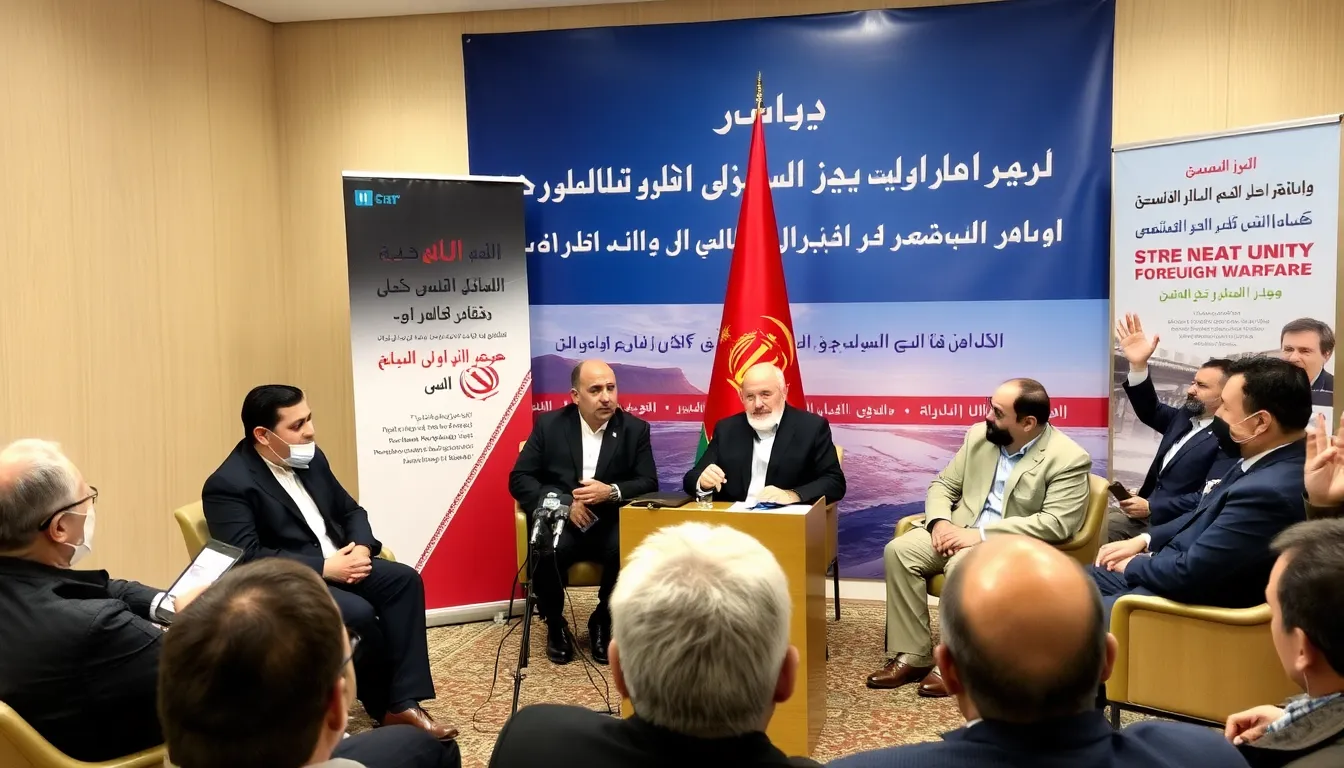
Historically, Iran’s geopolitical position has made it a focal point of conflict in the Middle East. The Iran-Iraq War (1980-1988) exemplified the challenges of conventional warfare, as Iran faced a numerically superior Iraqi army supported by Western nations. This experience taught Iranian military leaders the importance of asymmetric tactics, leading to the development of proxy groups and networks throughout the region, which continue to play a critical role in Iran’s strategy today.
The Role of Information Warfare
In recent years, Iran has increasingly recognized the significance of information warfare as a component of its asymmetrical strategy. The rise of digital communication and social media has provided new avenues for Iran to disseminate its narratives and counteract disinformation from adversaries. This shift has been particularly evident in the context of conflicts in Syria and Yemen, where Iranian-backed groups have utilized social media to bolster their image and influence public perception.
Additionally, Iran’s historical experiences with Western sanctions and isolation have fueled a sense of resilience and adaptability within its leadership. The ability to control the narrative both domestically and internationally has become paramount, as Iran seeks to maintain legitimacy and support among its populace while countering external pressures. This dual focus on military and information warfare underscores the complexity of Iran’s approach to modern conflicts, much like the efforts seen in international aid issues.
In summary, the intertwining of historical conflicts, political ideology, and the evolution of information warfare has shaped Iran’s current military strategy. As the landscape of warfare continues to evolve, understanding these historical underpinnings is crucial for grasping the motivations behind Iran’s actions in an increasingly asymmetrical world.
Key Stakeholders and Their Interests in Iran’s Information Strategy
In the context of Iran’s asymmetrical warfare, several key stakeholders play significant roles, each with distinct interests that shape the information landscape. The primary actors include the Iranian government, regional adversaries such as Israel and Saudi Arabia, non-state actors like Hezbollah, and international entities including the United States and European Union.
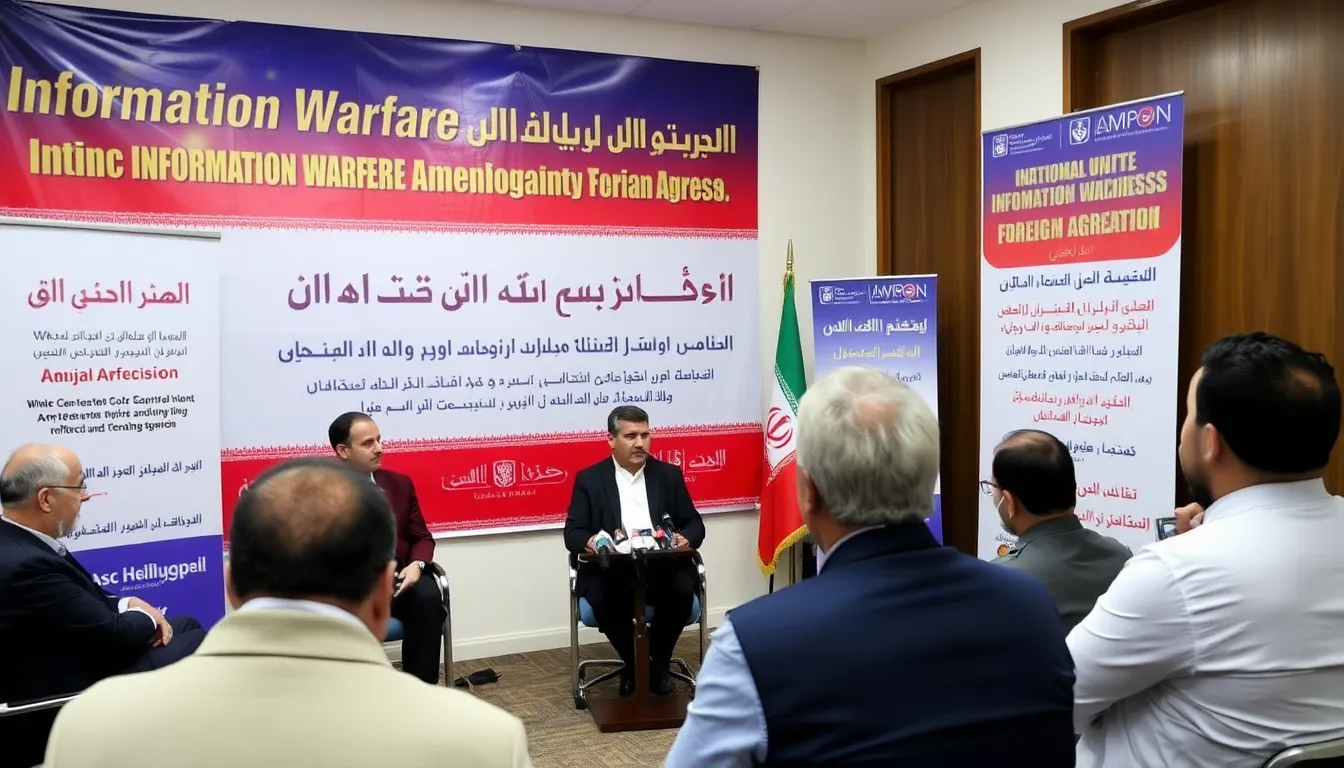
The Iranian government, led by the Islamic Revolutionary Guard Corps (IRGC), seeks to bolster its influence across the Middle East through a robust information campaign. This includes promoting narratives that support its regional allies and undermine adversaries. By controlling the flow of information, Iran aims to legitimize its actions and counteract negative portrayals in global media.
On the opposing side, countries like Israel and Saudi Arabia are invested in countering Iran’s narrative. They aim to expose Iran’s activities and diminish its credibility on the world stage. This dynamic creates a conflict where both sides engage in information warfare, leveraging social media, traditional media, and cyber operations to sway public opinion and political discourse.
- Information Manipulation: Iran utilizes state-sponsored media and cyber capabilities to shape narratives.
- Regional Alliances: Non-state actors like Hezbollah amplify Iran’s messaging, creating a united front against perceived threats.
- International Scrutiny: The U.S. and EU monitor Iran’s information tactics, often imposing sanctions that affect its operations.
- Legal and Ethical Concerns: The use of misinformation raises questions about the legality and ethics of state-sponsored propaganda.
Economic factors also play a crucial role, as Iran’s information strategy is often intertwined with its broader geopolitical objectives. The country’s economy, heavily impacted by sanctions, drives its need to project strength and resilience through information warfare. This creates a trade-off between domestic stability and international isolation, influencing how Iran engages with its stakeholders.
The Broader Impact of Iran’s Information Warfare on Global Security
The ongoing information warfare strategies employed by Iran are having a significant impact on various groups, industries, and regions around the world. Key affected parties include governments, technology companies, and media organizations, particularly in the Middle East and beyond. As Iran leverages its capabilities to manipulate narratives and influence public opinion, the repercussions are felt across multiple sectors.
In the short term, businesses operating in regions susceptible to Iranian influence may face increased volatility. Companies in the technology and cybersecurity sectors, for instance, are experiencing heightened demand for solutions that can counteract misinformation and cyber threats. Additionally, media organizations are grappling with the challenge of verifying information in an era where disinformation campaigns can rapidly spread.
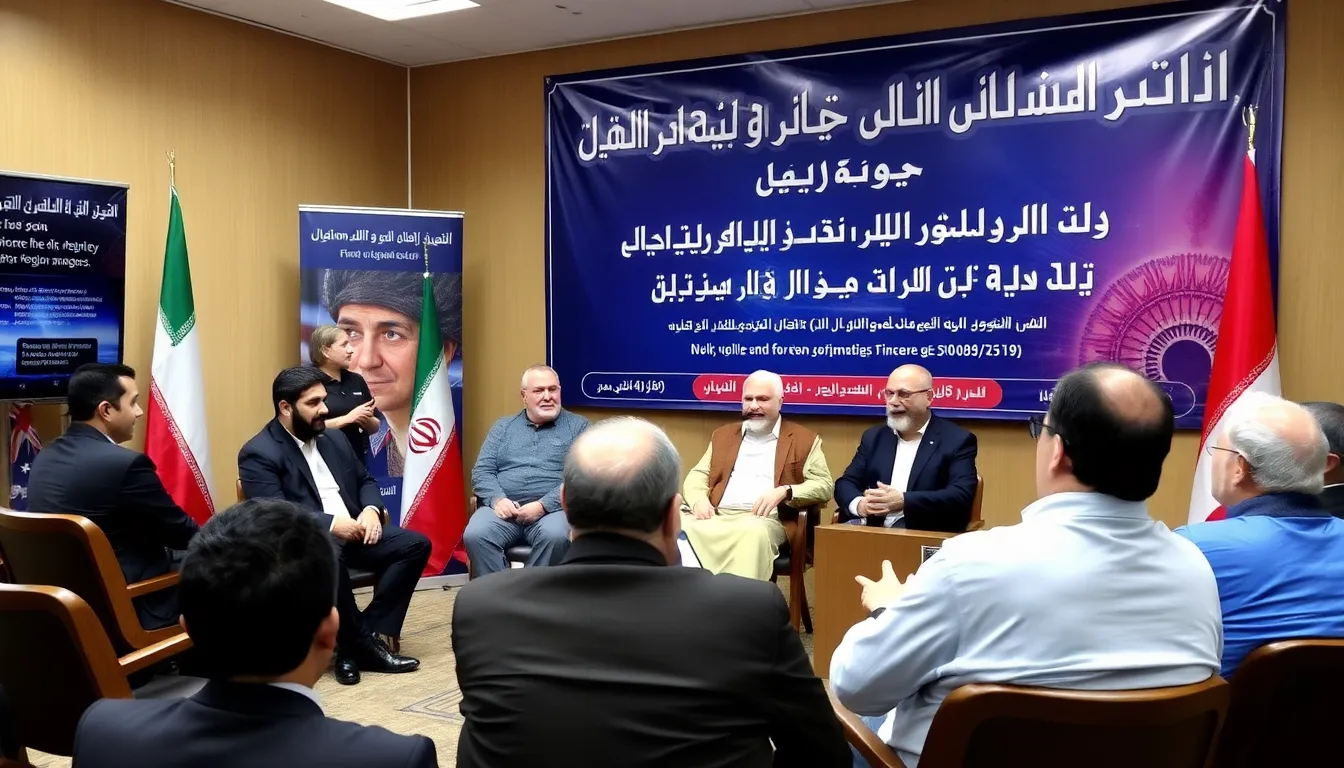
Mid-term effects may include shifts in policy as governments reassess their strategies to combat information warfare. This could lead to increased regulations around digital platforms and social media companies, aimed at curbing the spread of false information. Furthermore, nations may bolster their intelligence capabilities to counteract external influences, potentially resulting in a more polarized geopolitical landscape.
- Increased cybersecurity measures: Heightened awareness and investment in cybersecurity solutions.
- Policy changes: Governments may implement new regulations to combat misinformation.
- Business risks: Companies may face operational challenges due to misinformation.
- Opportunities for tech firms: Growth in demand for tools that address disinformation.
While the risks are significant, there are also opportunities for innovation and collaboration among nations and industries. The necessity to address the challenges posed by information warfare can lead to advancements in technology and foster partnerships aimed at enhancing global security. Ultimately, the impact of Iran’s information warfare extends far beyond its borders, influencing the dynamics of international relations and the fabric of daily life for many around the world.
A: Information warfare refers to the use of information and communication technologies to gain a competitive advantage. It includes tactics such as propaganda, misinformation, and cyber operations. A: Iran employs information warfare by disseminating propaganda, manipulating media narratives, and conducting cyber attacks to influence public perception and destabilize adversaries. A: The implications include increased tensions in the region, challenges to international security, and the potential for misinformation to escalate conflicts. A: Key actors include Iranian state media, government officials, and various non-state actors who contribute to shaping narratives and influencing public opinion. A: Countering information warfare requires robust media literacy, strategic communication, and coordinated efforts among nations to combat misinformation and promote accurate narratives.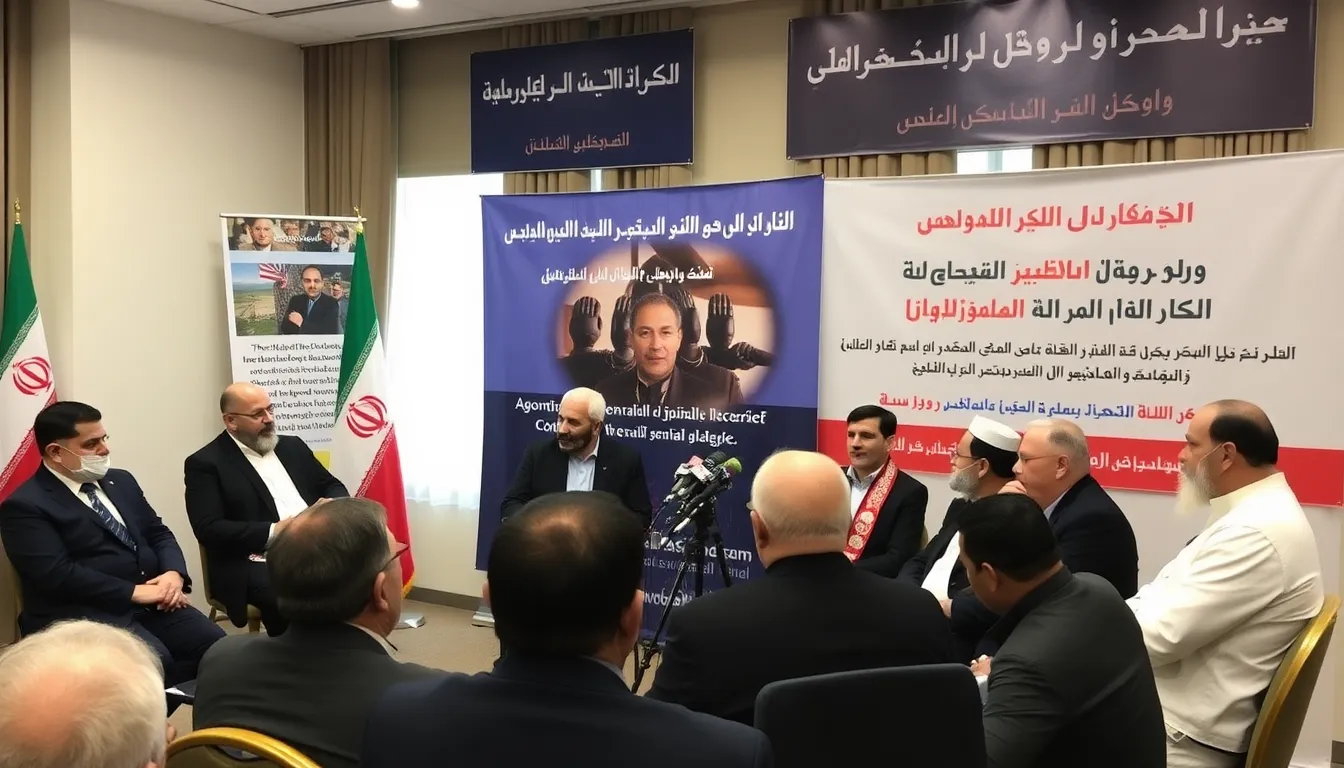
Frequently Asked Questions About Iran’s Information Warfare
Insights and Future Outlook on Iran’s Information Warfare Tactics
As Iran continues to engage in asymmetrical warfare, its focus on information warfare becomes increasingly significant. This strategy not only aims to influence public perception and undermine adversaries but also seeks to bolster domestic support and legitimacy. By leveraging social media, disinformation campaigns, and psychological operations, Iran is positioning itself to exploit vulnerabilities in both regional and global narratives.
Monitoring these developments is crucial, as the implications of Iran’s information warfare extend beyond its immediate conflicts. The evolving landscape of digital communication and the increasing sophistication of cyber capabilities mean that the effectiveness of such tactics may escalate, reshaping geopolitical dynamics in the Middle East and beyond.
- Watch for increased Iranian investment in cyber capabilities to enhance its information warfare strategy.
- Observe how Iran’s tactics may inspire similar strategies among other state and non-state actors in the region.
- Pay attention to the response of adversaries, particularly how they adapt their own information campaigns in counteraction.
- Consider the role of social media platforms in amplifying or mitigating the impact of Iranian disinformation efforts.
- Monitor the domestic implications of Iran’s information warfare on public opinion and political stability within the country.