
The planned discussions come at a critical time, as the situation in Iran has prompted the United States and its allies to reassess their strategies in the region. The potential for military action has raised concerns among global leaders, making the upcoming meeting between Trump and Xi an essential platform for dialogue and cooperation. For more on the implications of the Iran conflict, see our article on investor reactions.
Trump’s announcement follows a series of high-stakes negotiations that have characterized U.S.-China relations in recent years. The meeting is anticipated to provide an opportunity for both leaders to navigate their countries’ complex relationship and address mutual concerns regarding security and economic stability, especially in light of global market fluctuations.
As the Iran conflict continues to unfold, the timing of this meeting may influence international responses and alliances. Observers are keenly watching how the discussions will shape the future of U.S.-China relations and impact broader geopolitical dynamics.
Background on the Iran conflict and its implications for US-China relations
The ongoing conflict in Iran has deep historical roots, stemming from decades of geopolitical tensions, economic sanctions, and military interventions. The 1979 Iranian Revolution marked a significant turning point, leading to the establishment of an Islamic Republic and the severing of diplomatic ties with the United States. This shift not only altered Iran’s internal political landscape but also its foreign relations, positioning it in opposition to Western interests in the Middle East.
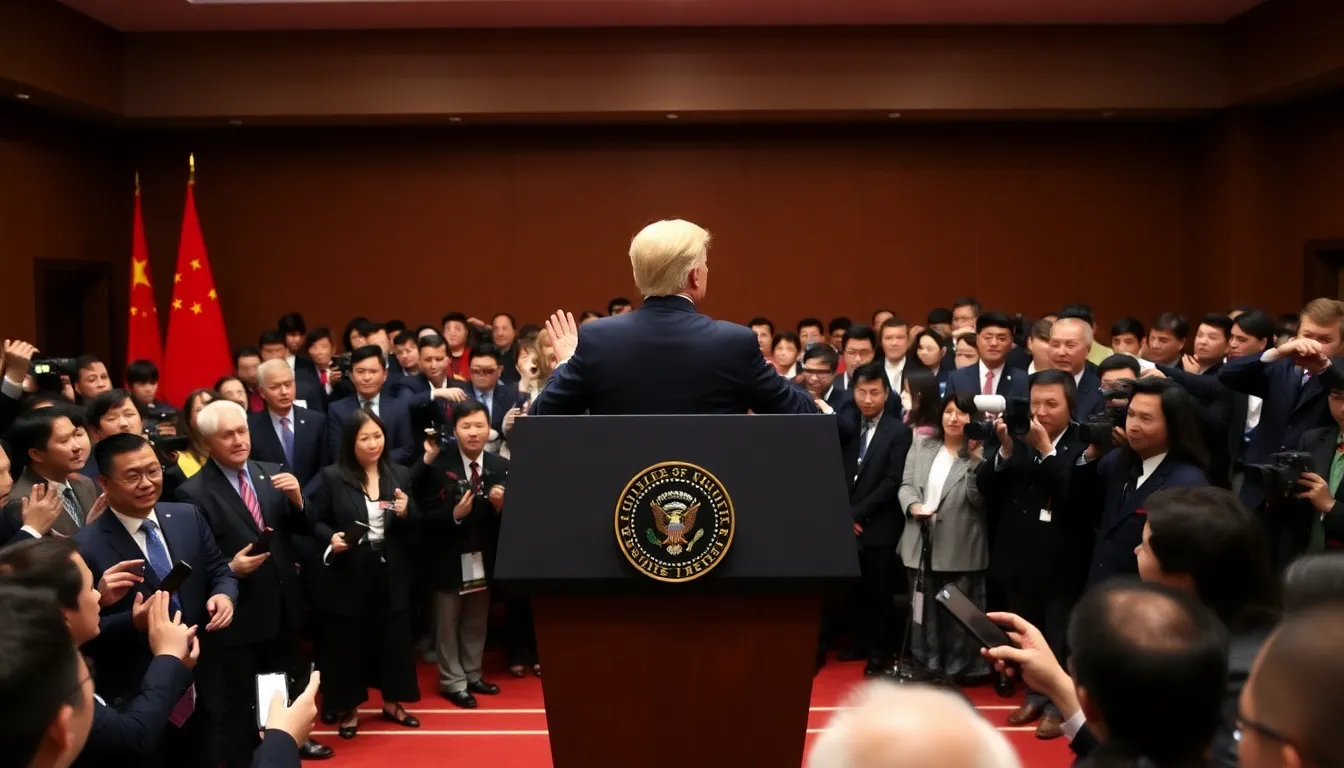
In recent years, the situation has escalated, particularly following the U.S. withdrawal from the Joint Comprehensive Plan of Action (JCPOA) in 2018. This decision reinstated severe economic sanctions on Iran, leading to increased hostility and military posturing in the region. The Iranian response has included aggressive actions, such as attacks on shipping in the Persian Gulf and support for proxy groups across the Middle East, further complicating the geopolitical landscape.
As tensions rise, the implications for U.S.-China relations become increasingly pronounced. China has historically maintained a close relationship with Iran, viewing it as a key partner in its Belt and Road Initiative. The U.S., on the other hand, has sought to isolate Iran diplomatically and economically. This divergence in approach has created a complex dynamic, where China’s support for Iran may challenge U.S. interests in the region and heighten the risk of confrontation.
Key Milestones in U.S.-Iran Relations
Several key milestones have shaped U.S.-Iran relations over the years. The hostage crisis in 1979, the Iran-Iraq War in the 1980s, and the subsequent imposition of sanctions have all contributed to a fraught relationship. More recently, the assassination of Iranian General Qassem Soleimani in 2020 by a U.S. drone strike further escalated tensions, prompting Iran to retaliate and raising concerns about a potential military conflict.
In this context, President Trump’s confirmation of a meeting with Chinese President Xi Jinping in May reflects the intricate balancing act that the U.S. must perform. As the Iran conflict continues to unfold, the need for strategic dialogue with China becomes increasingly critical, particularly as both nations navigate their competing interests in the Middle East, an issue outlined in various recent studies on geopolitical dynamics.
Key stakeholders and issues surrounding the upcoming meeting
The upcoming meeting between former President Donald Trump and Chinese President Xi Jinping is poised to be a significant event, particularly in the context of ongoing geopolitical tensions. Key stakeholders in this scenario include the United States, China, and Iran, each with distinct interests that influence their positions and actions.
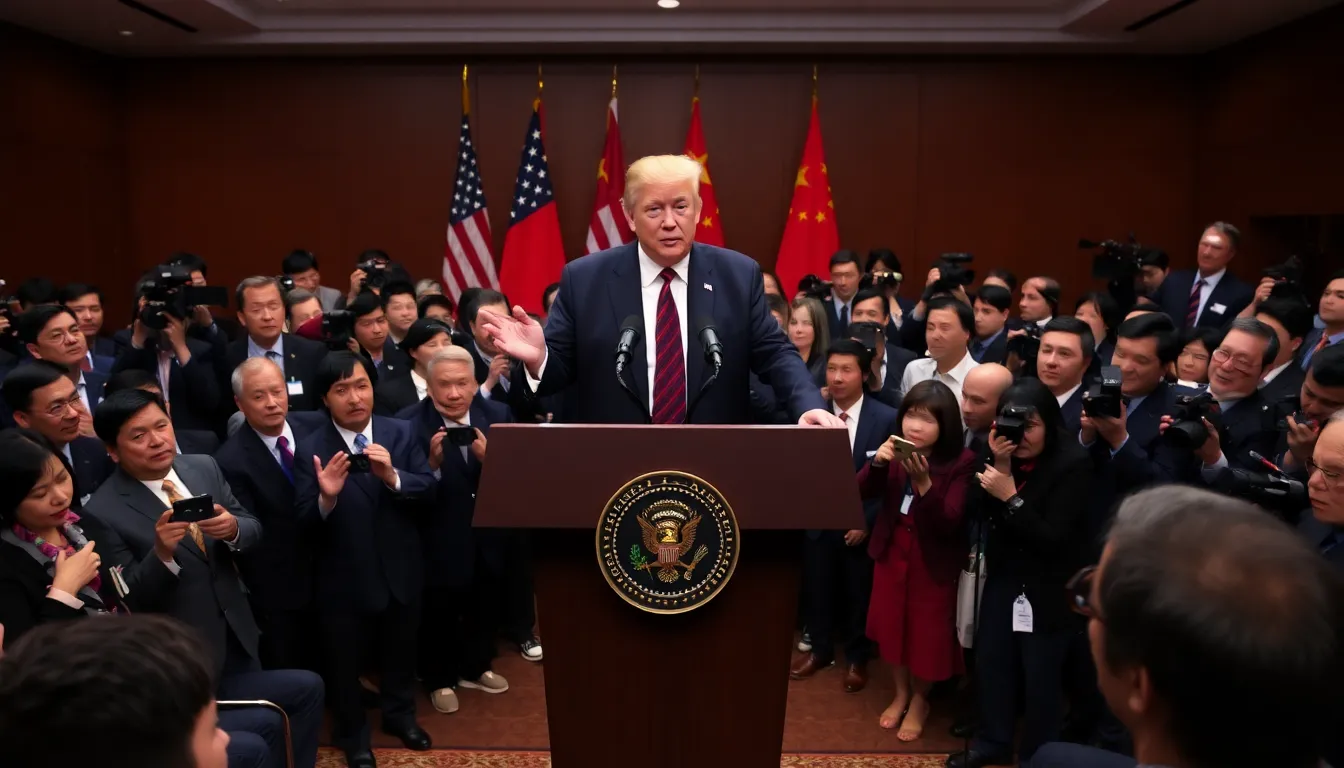
For the United States, the primary interest lies in stabilizing its relationship with China while addressing pressing issues related to trade and security. Trump’s administration has often emphasized the need for a balanced trade relationship, which has been a point of contention in U.S.-China relations. Additionally, the U.S. aims to counter China’s growing influence in the Asia-Pacific region.
China, on the other hand, seeks to maintain its economic growth and assert its global leadership role. The meeting with Trump is an opportunity for Xi to reinforce China’s position on international trade and security matters, particularly in light of the U.S.’s recent sanctions and tariffs. Moreover, with the backdrop of the Iran conflict, China is interested in ensuring that its economic ties with Iran remain intact, as it is a significant partner in energy and trade.
Meanwhile, Iran’s involvement in this dynamic cannot be overlooked. The ongoing conflict in Iran has forced various diplomatic engagements to be postponed, including the anticipated meeting between Trump and Xi. Iran’s interests revolve around maintaining its sovereignty and countering U.S. influence in the region. The country is also concerned about the implications of U.S.-China relations on its own economic stability, especially given its reliance on Chinese investment and trade.
- Potential trade agreements between the U.S. and China that could reshape global markets.
- Impacts of U.S. sanctions on Iran and how they affect China-Iran relations.
- Geopolitical shifts in the Asia-Pacific region as a result of U.S.-China negotiations.
- Domestic political implications for Trump as he navigates foreign policy amidst the Iran conflict.
- Long-term strategies for both China and the U.S. in managing their respective interests in the Middle East.
Potential impacts on global markets and diplomatic relations
The recent confirmation of a May meeting between former President Donald Trump and Chinese President Xi Jinping, amidst the backdrop of escalating tensions in Iran, is poised to affect various groups and industries globally. Investors, businesses, and policymakers are closely monitoring these developments, as they could reshape trade dynamics and geopolitical alliances.
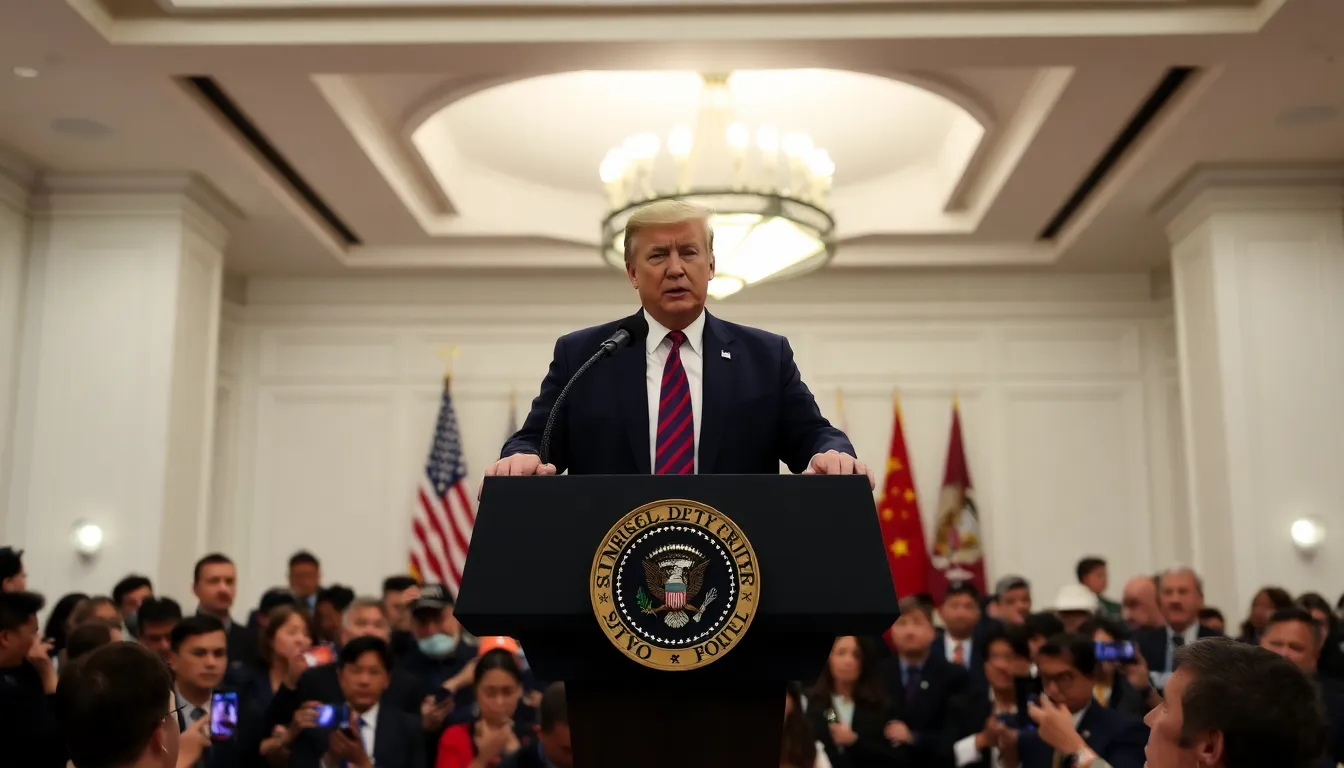
In the short term, industries heavily reliant on international trade, such as technology, manufacturing, and energy, may experience volatility. The uncertainty surrounding U.S.-China relations could lead to fluctuations in stock prices and supply chain disruptions. Additionally, regions with significant economic ties to either the U.S. or China, such as Southeast Asia and Europe, may face ripple effects, impacting local economies and employment rates.
Mid-term implications could include shifts in foreign policy and trade agreements. If the meeting yields positive diplomatic outcomes, it could open doors for new trade deals and collaborations, benefiting sectors like agriculture and renewable energy. Conversely, a failure to reach consensus may exacerbate tensions, leading to further tariffs and sanctions that could hinder economic growth.
- Short-term risks: Market volatility, supply chain disruptions, and job losses in affected industries.
- Mid-term opportunities: Potential for new trade agreements, increased foreign investment, and strengthened diplomatic ties.
Moreover, the geopolitical landscape could shift, influencing global alliances and security policies. Countries in the Middle East may recalibrate their strategies in response to the evolving U.S.-China dynamic, which could have lasting effects on regional stability and international relations.
A: The meeting is crucial as it represents a potential thaw in US-China relations, which have been strained in recent years due to trade disputes and geopolitical tensions. A: The ongoing war in Iran has shifted diplomatic priorities, prompting the postponement of other engagements and highlighting the need for cooperation between the US and China on global security issues. A: While specific outcomes are uncertain, the meeting is expected to address trade, security, and climate change, aiming to establish a framework for future cooperation. A: Yes, any agreements or tensions arising from the meeting could significantly influence global markets, particularly in sectors like technology and energy. A: The meeting is scheduled for May, with the exact location yet to be announced, but it is anticipated to be a high-profile event.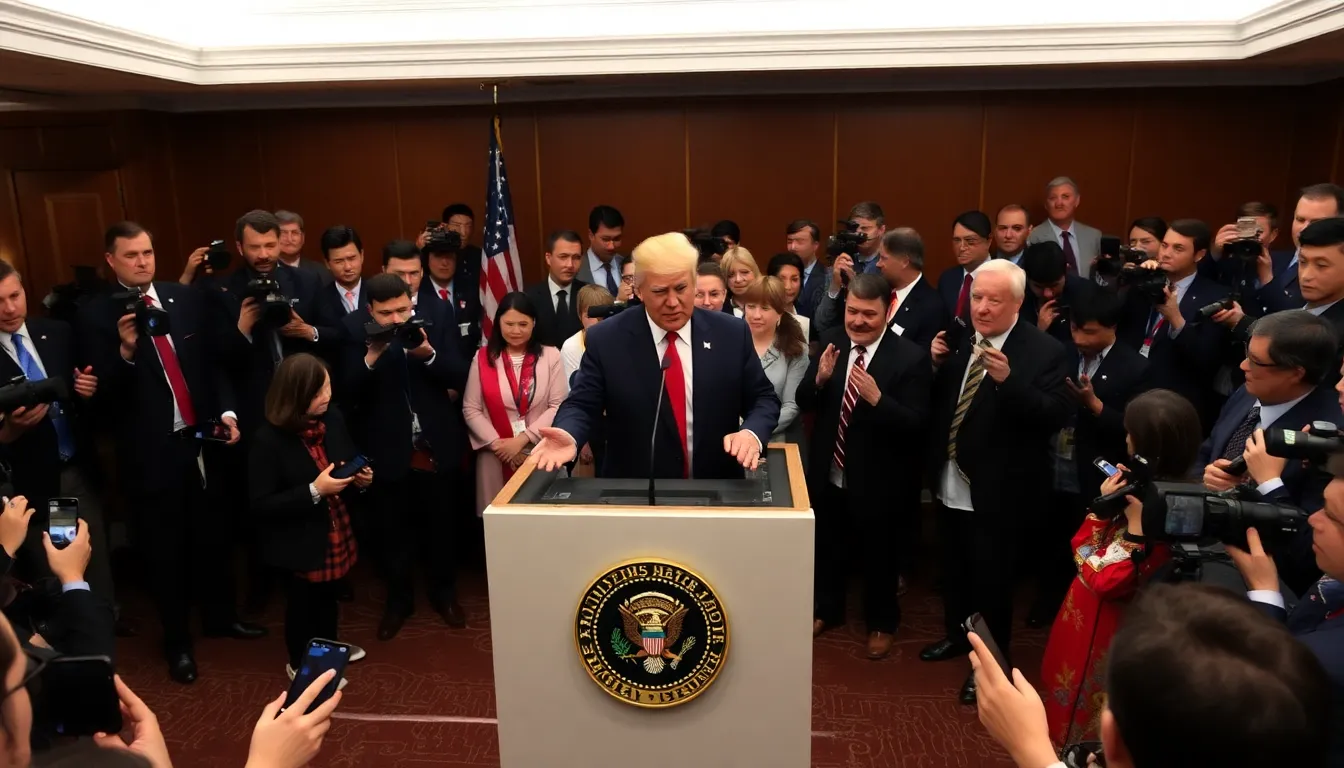
Frequently asked questions about the meeting and its significance
Outlook on US-China relations following the meeting
The confirmation of a May meeting between Trump and Xi Jinping presents a pivotal moment for US-China relations, especially in light of escalating tensions in the Middle East. As both leaders navigate complex geopolitical landscapes, the outcomes of their discussions could significantly influence trade policies, military postures, and diplomatic strategies. The postponement of the Iran conflict may provide a unique opportunity for both nations to refocus on bilateral issues that have long been contentious.
<p Analysts will be closely monitoring how this meeting shapes the trajectory of US-China relations, particularly in terms of cooperation on global challenges such as climate change and economic stability. The implications of this dialogue could reverberate beyond the immediate concerns, affecting alliances and international trade networks in the coming months.
- Watch for changes in trade policies: Any agreements made in May could lead to shifts in tariffs or trade practices that affect global markets.
- Impact on military dynamics: The discussions may address military cooperation or tensions in the Asia-Pacific region, influencing defense strategies.
- Climate change collaboration: A renewed focus on joint efforts to combat climate change could emerge as a key agenda item.
- Regional alliances: The outcomes may influence how other countries align themselves with either the US or China in the context of broader geopolitical strategies.
- Public sentiment and domestic politics: The reactions from both nations’ populations and political landscapes could shape future diplomatic engagements.