
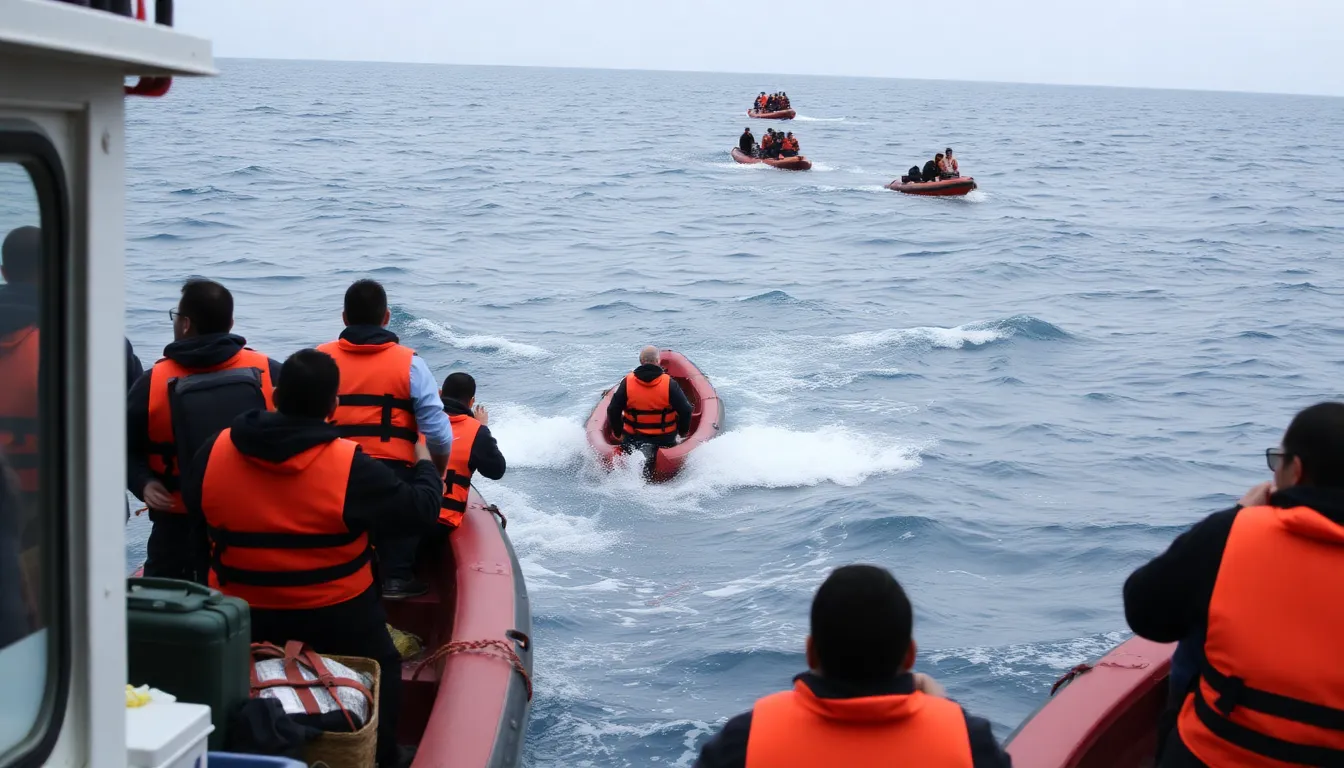
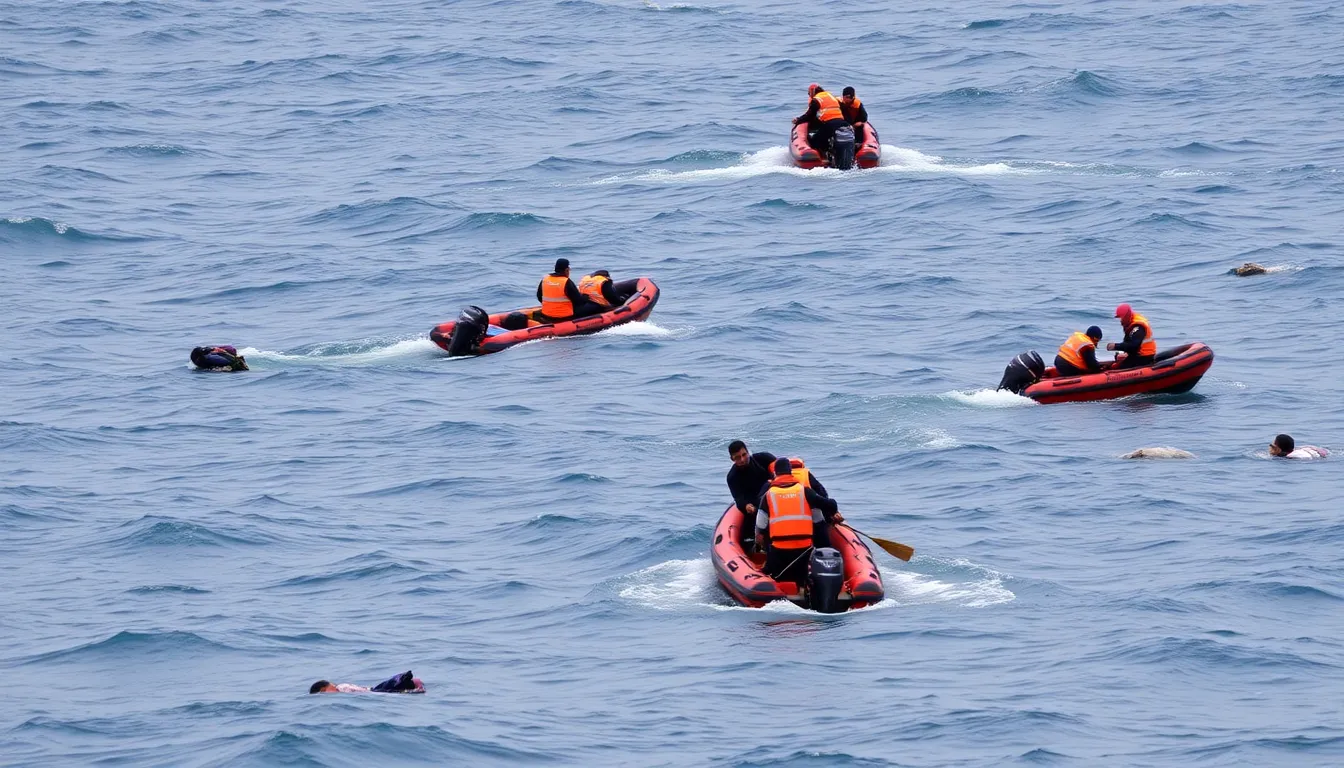
According to reports, the migrants were aboard a small, overcrowded vessel that encountered difficulties in the open waters. Search and rescue operations were launched, but the prolonged exposure to harsh conditions proved fatal for many. The Greek Coast Guard has been criticized for its response time and the adequacy of its search efforts.
This incident is part of a broader pattern of migrant deaths in the Mediterranean Sea, where thousands have perished in recent years while attempting to cross to Europe. As governments grapple with immigration policies, the plight of migrants continues to draw international attention and calls for action. The loss of life underscores the urgent need for comprehensive solutions to address the root causes of migration.
Humanitarian organizations have condemned the conditions that lead to such tragedies, emphasizing the need for safer passage and increased support for those in need. The emotional toll on the families of the deceased and the survivors is profound, raising questions about the responsibilities of nations in protecting vulnerable populations.
Understanding the background of migration issues in the Mediterranean
The Mediterranean Sea has long been a critical route for migrants seeking safety and better opportunities in Europe. Over the past decade, the region has witnessed a significant increase in the number of individuals attempting perilous journeys to escape conflict, persecution, and economic hardship in their home countries. This trend has been exacerbated by ongoing crises in regions such as Syria, Afghanistan, and sub-Saharan Africa, where violence and instability have forced millions to flee.
Political responses to this migration crisis have varied widely among European nations. Some countries have implemented stringent border controls and policies aimed at deterring migrants, while others have taken a more humanitarian approach, offering asylum and support. This divergence has led to tensions within the European Union, as nations grapple with how to balance national security concerns with their obligations to protect vulnerable populations.
The Role of Smuggling Networks
In addition to political factors, the rise of smuggling networks has played a significant role in the ongoing migration crisis. These networks often exploit desperate individuals, charging exorbitant fees for dangerous and overcrowded sea voyages. Tragically, many migrants have lost their lives in attempts to cross the Mediterranean, highlighting the urgent need for comprehensive solutions that address both the root causes of migration and the dangers associated with smuggling.
Historically, the Mediterranean has been a site of both migration and tragedy. Events such as the 2015 refugee crisis, when over a million migrants arrived in Europe, marked a turning point in public awareness and policy response. Since then, numerous shipwrecks have occurred, with humanitarian organizations calling for increased rescue efforts and safer passage routes. The recent tragedy off the Greek coast, where twenty-two migrants lost their lives, serves as a grim reminder of the ongoing challenges faced by those seeking refuge in Europe.
Key stakeholders and issues surrounding migrant safety
The tragic incident of twenty-two migrants dying off the Greek coast highlights a complex web of stakeholders involved in migrant safety and humanitarian efforts. Key actors include the migrants themselves, various non-governmental organizations (NGOs), national governments, and international bodies like the European Union (EU). Each of these stakeholders has distinct interests and perspectives that shape the ongoing discourse around migration.
Migrants, often fleeing conflict, persecution, or economic hardship, seek safety and better opportunities in Europe. Their primary interest is to reach their destination safely and to find a stable environment where they can rebuild their lives. However, the perilous journey often leads to tragic outcomes, as seen in this recent event.
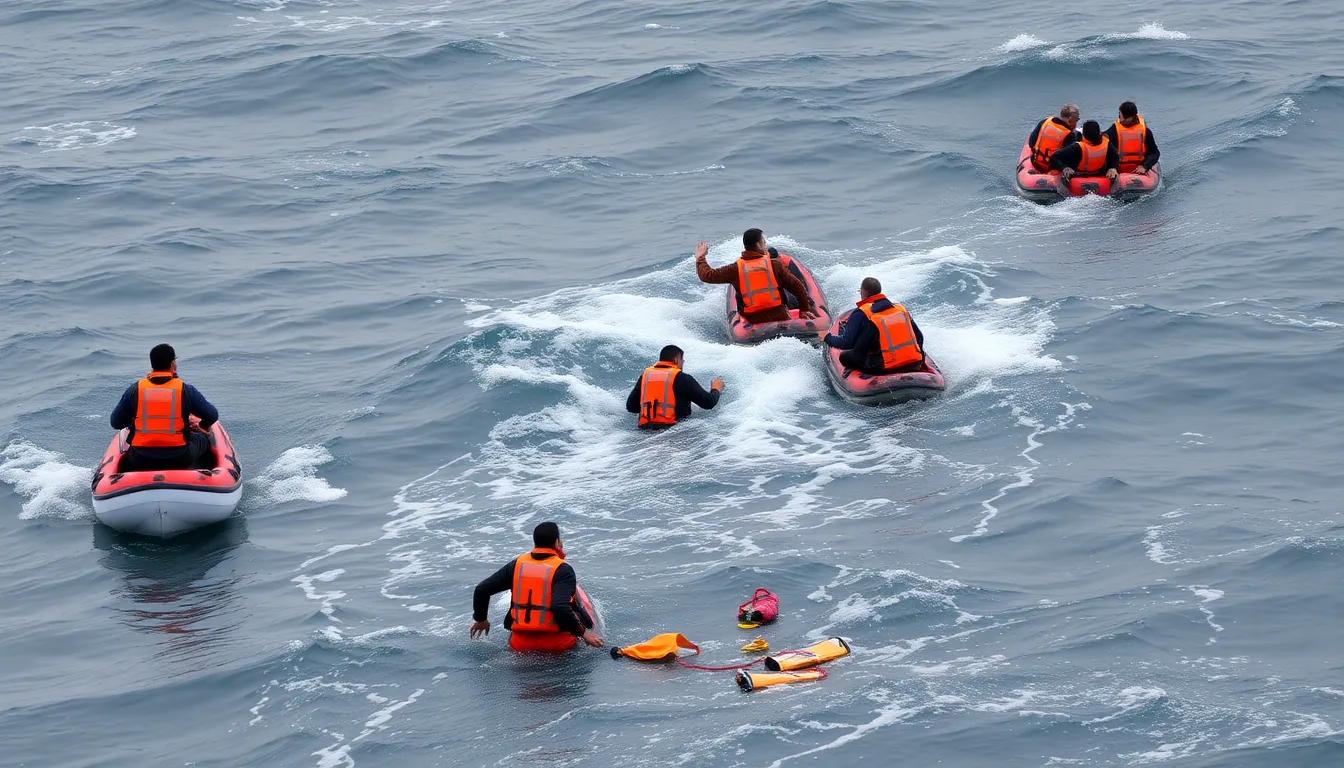
NGOs play a critical role in providing humanitarian assistance and advocating for migrant rights. Organizations such as Médecins Sans Frontières and the International Rescue Committee focus on saving lives at sea and ensuring that migrants receive adequate medical care and support. However, their efforts can sometimes conflict with governmental policies aimed at controlling migration, leading to tensions between humanitarian objectives and national security interests.
National governments, particularly those in the Mediterranean region, face the challenge of balancing humanitarian obligations with domestic political pressures to limit immigration. Greece, Italy, and other frontline states often bear the brunt of migrant arrivals, leading to strained resources and public dissent. The EU’s policies on migration and border control further complicate this landscape, as member states navigate their responsibilities under international law while responding to growing anti-immigrant sentiment, which has become a pressing topic among the public.
- Humanitarian Crisis: The increasing number of migrants attempting dangerous sea crossings raises urgent humanitarian concerns.
- Legal Obligations: International and EU laws dictate that states must ensure the safety and rights of migrants, creating a legal framework that governments must navigate.
- Political Tensions: The interplay between national interests and EU policies often leads to conflicts among member states regarding migration management.
- NGO Challenges: NGOs face operational challenges, including funding and legal restrictions, which can hinder their ability to respond effectively.
- Public Perception: The portrayal of migrants in media and public discourse influences policy decisions and the societal response to migration issues.
Impact on the migrant community and European policies
The tragic loss of twenty-two migrants off the Greek coast highlights the ongoing crisis faced by displaced individuals seeking safety and a better life in Europe. This incident primarily affects migrant communities, particularly those fleeing conflict, persecution, and poverty in their home countries. The emotional toll on families and communities left behind is profound, as they grapple with the loss of loved ones who embarked on perilous journeys in search of hope.
In addition to the immediate impact on migrants, this tragedy has far-reaching implications for European policies regarding immigration and asylum. Countries within the European Union are likely to face increased pressure to address the root causes of migration and to reform their asylum processes. This situation may lead to a reevaluation of border control measures and the humanitarian responsibilities of member states.
In the short term, local businesses in coastal regions may experience a surge in demand for humanitarian services, as NGOs and volunteers mobilize to provide assistance to migrants and their families. However, increased media attention on migrant deaths may also lead to a decline in tourism, as potential visitors may perceive these areas as unsafe or unstable.
- Increased scrutiny on immigration policies: Governments may be compelled to implement reforms to improve safety and support for migrants.
- Short-term humanitarian response: Local organizations and businesses may see a rise in engagement and funding for aid initiatives.
- Potential for policy shifts: A renewed focus on addressing the root causes of migration may lead to long-term changes in foreign aid and international relations.
In the mid-term, the impact on public opinion regarding migration could shift significantly. As awareness of the dangers faced by migrants grows, there may be a rise in advocacy for more humane treatment and policies. This could create opportunities for social enterprises and businesses that focus on ethical practices and support for migrant integration into local economies.
A: The migrants died after being stranded at sea for six days, likely due to lack of food, water, and medical assistance. A: Thousands of migrants continue to risk their lives in the Mediterranean, often facing dangerous conditions during their journeys. A: Various NGOs and international organizations are advocating for safer migration routes and better rescue operations in the Mediterranean. A: Individuals can support organizations that provide aid to migrants and raise awareness about the ongoing crisis. A: Countries are facing scrutiny regarding their immigration policies and responsibilities towards migrants in distress.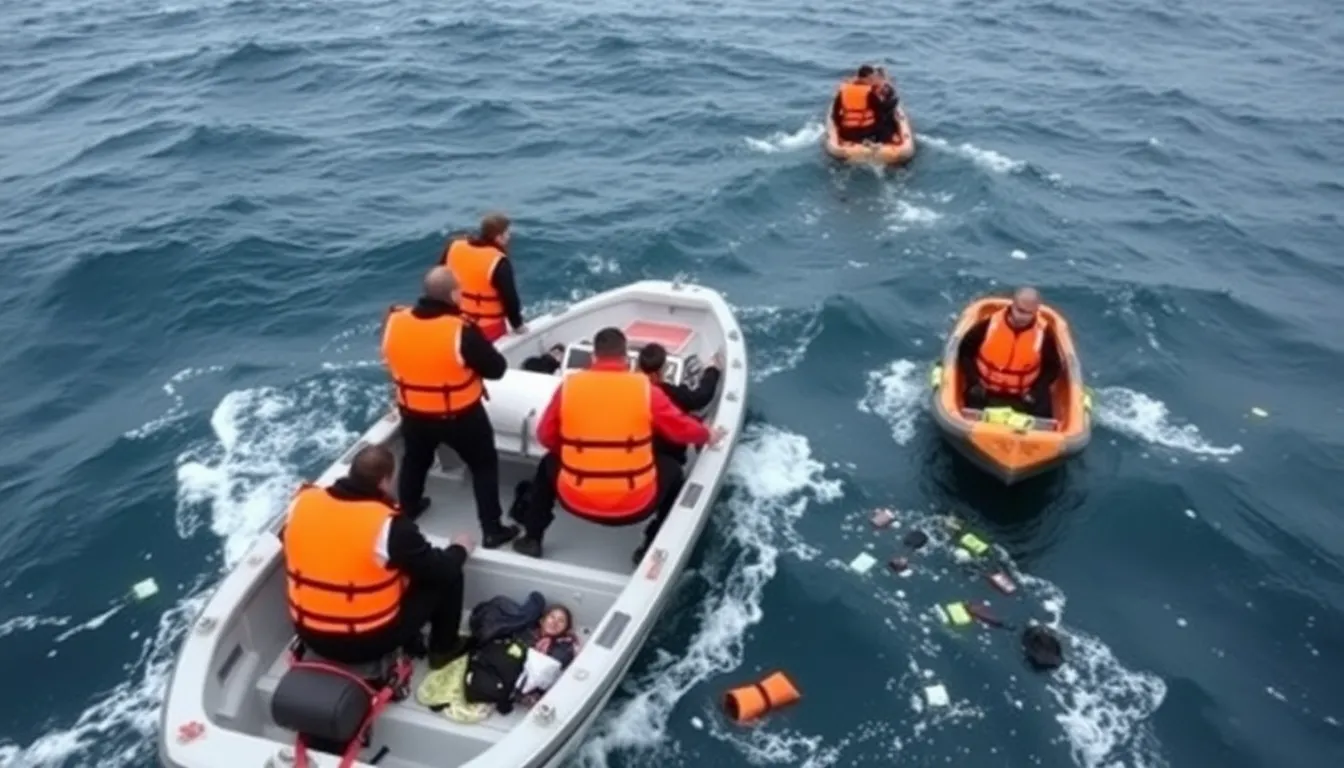
Frequently asked questions about the migrant crisis
Key takeaways and future outlook on migration
The tragic loss of twenty-two migrants off the Greek coast highlights the ongoing humanitarian crisis in the Mediterranean Sea. As the search for safer routes continues, the incident underscores the urgent need for comprehensive policy responses that prioritize the safety and dignity of migrants. The increasing frequency of such tragedies calls for a reevaluation of current migration strategies and international cooperation.
In the face of these challenges, it is imperative for governments and organizations to address the root causes of migration, enhance rescue operations, and ensure that legal pathways for migration are accessible. The future of migration in this region will depend on collaborative efforts to create sustainable solutions that respect human rights and protect vulnerable populations.
- Increased scrutiny on migration policies: Expect a renewed focus on the effectiveness and humanitarian implications of current migration policies in Europe.
- Calls for international cooperation: The need for collaborative efforts among nations to enhance search and rescue operations will become more pressing.
- Potential for policy reform: This incident may catalyze discussions around reforming migration laws to better protect migrants’ rights.
- Public awareness and advocacy: Advocacy groups may ramp up efforts to raise awareness about the dangers faced by migrants, influencing public opinion and policy.
- Long-term solutions needed: Addressing the root causes of migration, such as conflict and economic instability, will be crucial for preventing future tragedies.