
The new Prime Minister, who is known for his artistic background, promises to bring a fresh perspective to governance. His rise to power comes amid ongoing challenges in Nepal, including economic instability, political fragmentation, and social unrest, which have plagued the nation for years.
This appointment has sparked both enthusiasm and skepticism among the public and political analysts. Supporters argue that his unconventional background may resonate with younger voters and help bridge the gap between the government and the populace, while critics question his experience in handling complex political issues.
As the new administration begins its work, the focus will be on addressing pressing concerns such as poverty alleviation, infrastructure development, and strengthening democratic institutions. The international community is also watching closely, as Nepal navigates its relationships with neighboring countries and global partners.
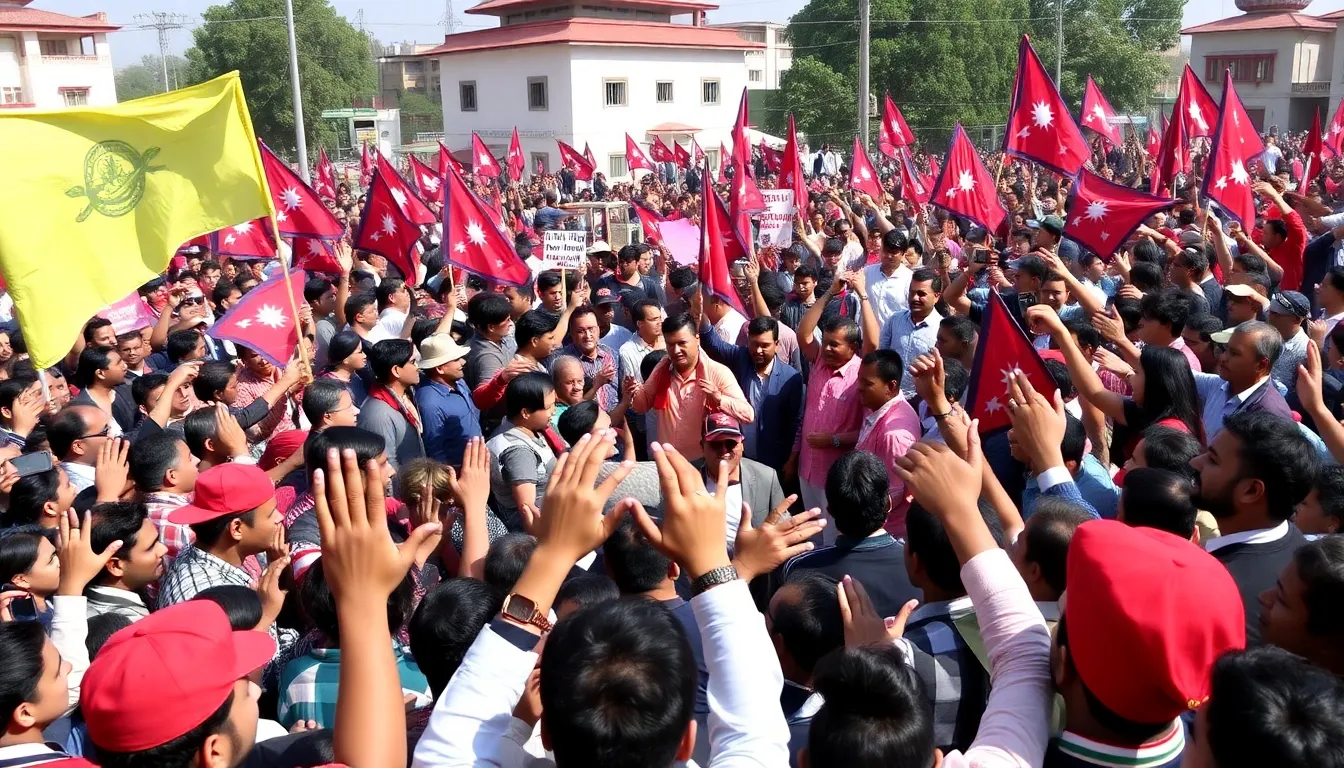
Understanding the rise of a former rapper in Nepali politics
Nepal’s political landscape has undergone significant transformations in recent years, marked by a shift towards more unconventional leadership. The swearing-in of a former rapper as the new Prime Minister signifies a departure from traditional political norms and reflects the changing aspirations of the Nepali populace. This development is rooted in a complex interplay of social, economic, and political factors that have shaped the nation since its transition to a federal democratic republic in 2008. For more context on the political changes in the region, you may want to read about India’s challenges in the current geopolitical landscape.
The end of the monarchy and the subsequent establishment of a democratic framework paved the way for new political actors to emerge. The youth, who make up a substantial portion of the population, have increasingly sought representation that resonates with their experiences and aspirations. This has created an opening for individuals from diverse backgrounds, including artists and entertainers, to step into political roles. The former rapper’s ascent is emblematic of this broader trend, as young voters gravitate towards leaders who express their frustrations and ambitions through relatable narratives.
Economically, Nepal has faced numerous challenges, including high unemployment rates and widespread poverty. These issues have fueled discontent with established political parties, which are often seen as disconnected from the everyday realities of citizens. The new Prime Minister’s background in music and culture may provide a fresh perspective on addressing these economic concerns, as he is likely to prioritize policies that resonate with the youth and promote creative industries. It’s important to consider how global trends, such as those covered in women’s health issues, can have indirect effects on the country’s economic landscape as well.
The role of social media in political engagement
Social media has played a pivotal role in shaping the political engagement of the younger generation in Nepal. Platforms like Facebook and Twitter have allowed for the rapid dissemination of ideas and mobilization of support for non-traditional candidates. The former rapper’s ability to connect with the youth through music and social media has undoubtedly contributed to his popularity, illustrating how digital platforms can facilitate a new form of political discourse that challenges established norms.
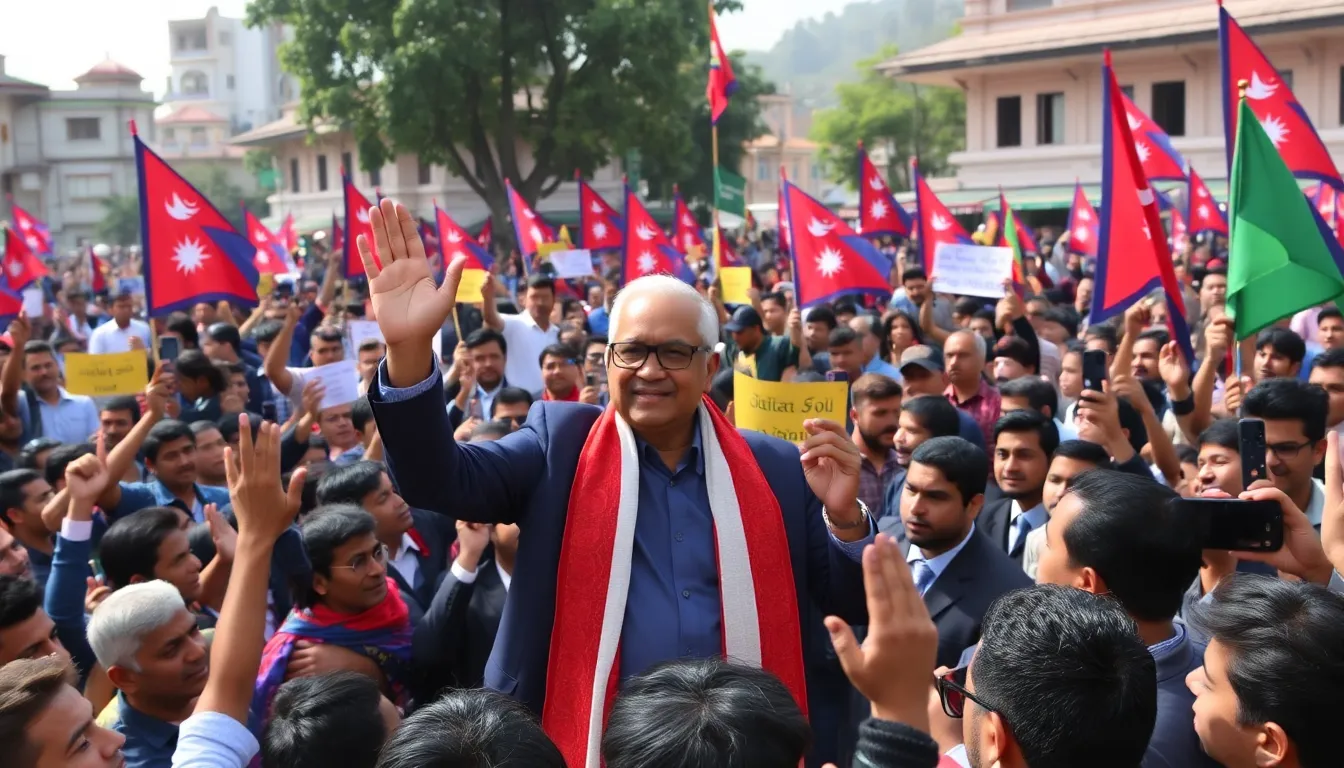
Key stakeholders and implications of this political shift
The swearing in of the former rapper as Nepal’s new prime minister marks a significant turning point in the country’s political landscape. This transition brings various stakeholders into focus, each with their distinct interests and potential conflicts. Understanding these dynamics is crucial for analyzing the future direction of Nepal’s governance.
One of the primary stakeholders is the newly appointed prime minister himself, who aims to leverage his popularity and unconventional background to connect with the youth and marginalized communities. His rise to power reflects a broader desire for change among the electorate, particularly among those disillusioned with traditional political elites. However, his lack of political experience raises questions about his ability to navigate complex governance challenges.
Another key actor is the existing political establishment, including established parties and their leaders, who may feel threatened by the emergence of a non-traditional figure. These parties have vested interests in maintaining their influence and may oppose the new government’s initiatives, leading to potential conflicts in policy-making and legislative processes. The response from these groups will be critical in shaping the new administration’s effectiveness.
- Public Sentiment: The new prime minister’s appeal to young voters could lead to increased political engagement among this demographic, altering the traditional voting patterns in future elections.
- Economic Policies: The government’s stance on economic reforms, particularly in sectors like tourism and agriculture, will be pivotal in addressing the pressing economic challenges facing the nation.
- International Relations: The prime minister’s approach to foreign policy, especially regarding relations with neighboring countries like India and China, could have significant implications for Nepal’s geopolitical standing.
- Social Issues: The administration’s commitment to addressing social inequalities and minority rights will be closely scrutinized, as these issues are central to many voters’ concerns.
Lastly, international organizations and foreign governments will also play a role in this political transition. Their interests often align with stability and economic development in Nepal, which could influence their support or criticism of the new government. The prime minister’s ability to engage with these external stakeholders will be essential in securing aid and fostering international partnerships.
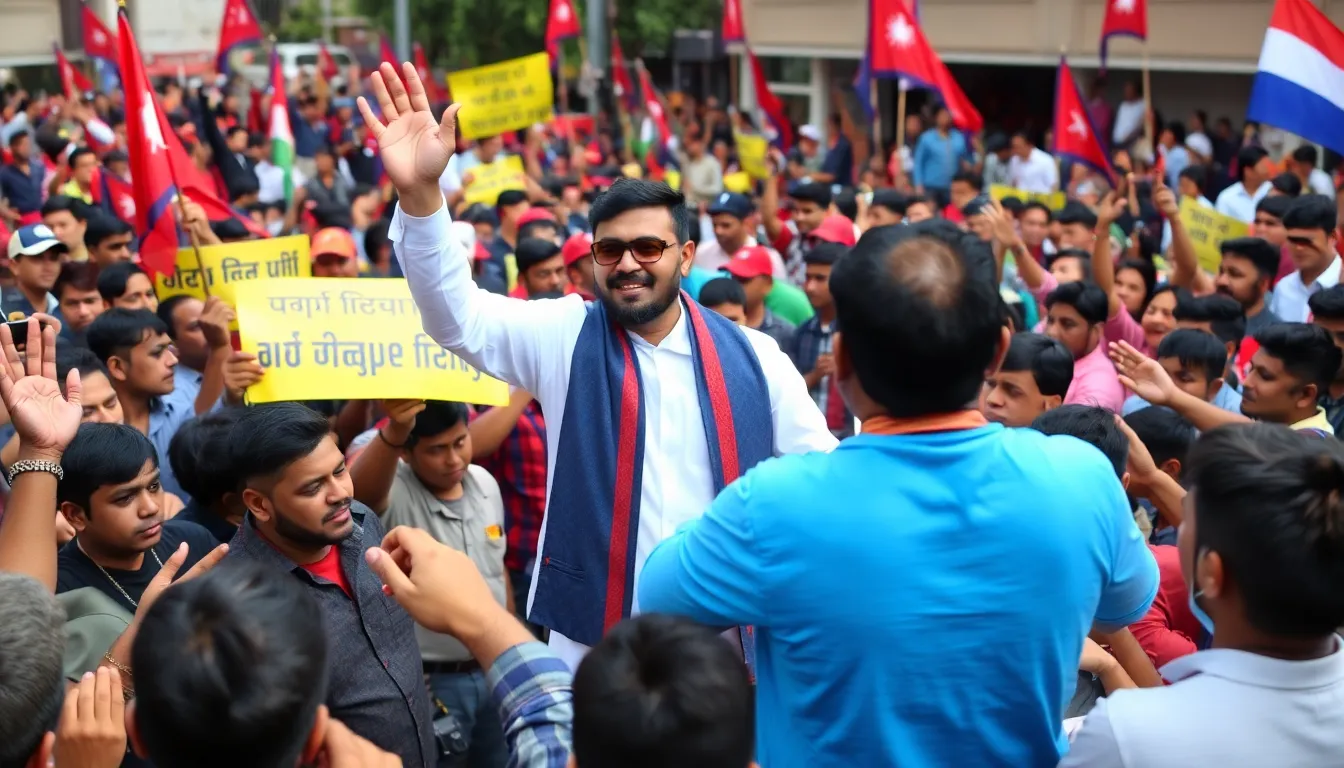
Potential effects on governance and public sentiment
The swearing-in of an ex-rapper as Nepal’s new prime minister marks a significant shift in the political landscape, potentially affecting various groups across the nation. Young voters, who may feel more connected to a leader with a background in music and culture, could become increasingly engaged in the political process. This demographic shift may lead to a revitalization of interest in governance, especially among the youth who have often felt marginalized in traditional political discourse. Such trends are echoed in other areas of society, including the recent return of figures like Savannah Guthrie, as discussed in media circles.
Industries such as entertainment and media may experience a surge in activity as the new prime minister’s background could inspire new trends in cultural expressions and public discourse. The creative sector might find new opportunities for collaboration with the government, potentially leading to initiatives that promote arts and culture. This could also attract tourism, as international attention turns toward Nepal’s unique political narrative.
In the short term, daily life for citizens may see changes in policy focus, particularly in areas such as youth employment, education, and social justice. The new leadership may prioritize initiatives that resonate with younger populations, addressing issues like unemployment and access to education. However, there is a risk of backlash from traditional political factions that may resist these changes, leading to potential unrest or political instability.
- Increased youth engagement: Young voters may feel more represented and motivated to participate in politics.
- Revitalization of the creative sector: Opportunities for collaboration between the government and artists may arise.
- Policy shifts: Focus on youth employment and education could change the daily lives of citizens.
- Potential unrest: Resistance from traditional factions could lead to instability.
In the mid-term, the impact on public sentiment could lead to a more dynamic political environment, where policies are shaped by a broader range of voices. If the new prime minister successfully addresses the concerns of the youth and creative sectors, it could foster a sense of optimism and collective purpose. However, the government will need to navigate the complexities of balancing innovative policies with the expectations of established political stakeholders to maintain stability and progress.
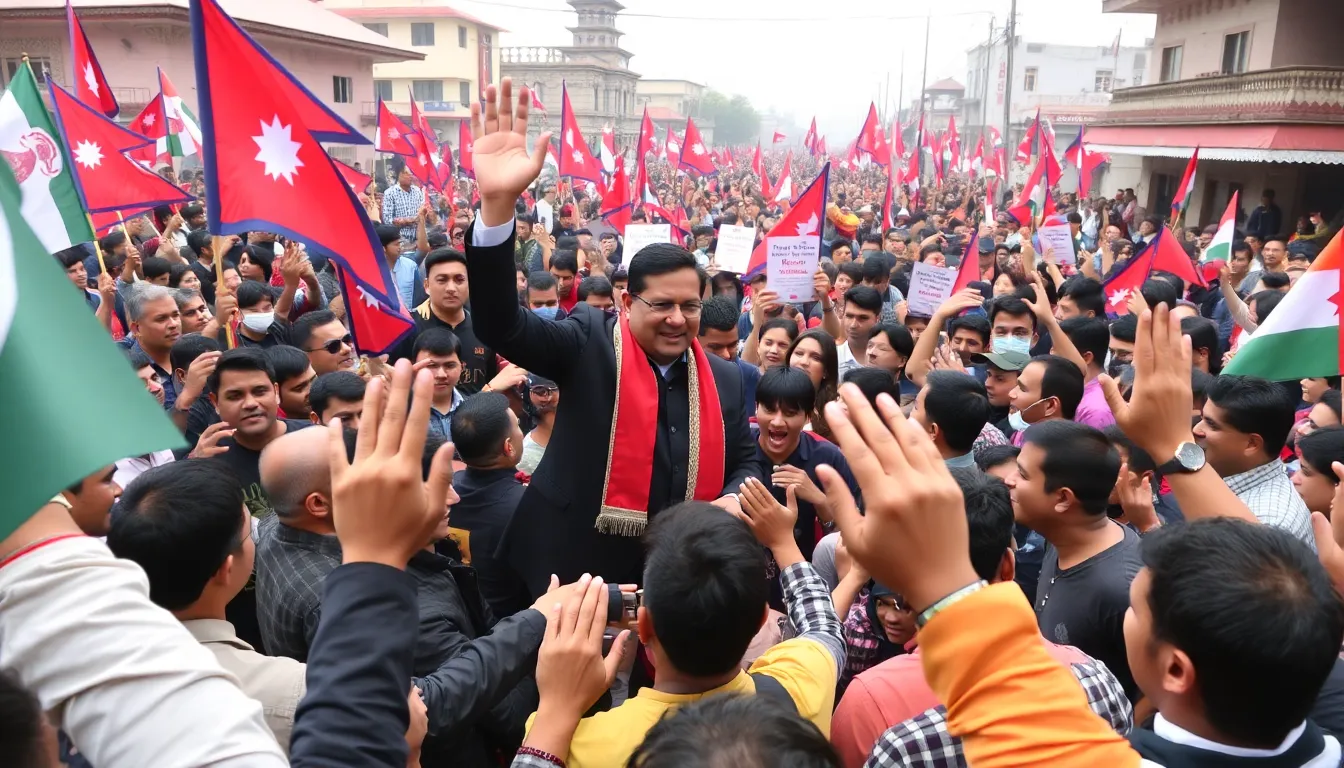
Frequently asked questions about the new prime minister
A: The new prime minister is a former rapper who has transitioned into politics, bringing a unique perspective to leadership.
A: The new prime minister will likely face challenges related to governance, economic recovery, and addressing public expectations.
A: Public reactions have been mixed, with some expressing excitement over the change while others are skeptical about his political experience.
A: This appointment could signify a shift towards more diverse representation in politics, potentially attracting younger voters.
What this new leadership means for Nepal’s future
The appointment of a former rapper as Nepal’s new prime minister signifies a shift in the political landscape, reflecting the evolving aspirations of the youth and a desire for change. This leadership change could bring fresh perspectives to longstanding issues such as governance, economic development, and social justice, potentially revitalizing public engagement in the political process.
As the new prime minister navigates the complexities of governance, it will be crucial to observe how his background influences policy-making and whether he can bridge the gap between traditional political structures and the demands of a younger electorate. The implications of this leadership transition extend beyond immediate political dynamics, potentially reshaping Nepal’s socio-economic trajectory.
- Watch for initiatives aimed at engaging the youth in governance and policymaking.
- Monitor potential shifts in economic policy that prioritize innovation and entrepreneurship.
- Consider the impact on Nepal’s international relations, particularly with neighboring countries.
- Keep an eye on social reforms that address issues of inequality and representation.
- Evaluate the effectiveness of communication strategies employed by the new government to connect with citizens.