
Key organizations, including Riot Games, have initiated investigations into these allegations, emphasizing their commitment to creating a safe and equitable space for all participants. In March 2023, a prominent player publicly shared their experiences of discrimination, prompting discussions about the need for systemic change within the league. This revelation has sparked a broader conversation about the responsibilities of esports organizations in addressing these issues.
Furthermore, a survey conducted among players in the EMEA region revealed that over 40% have witnessed or experienced discriminatory behavior in the esports community. This statistic underscores the urgent need for effective policies and training programs aimed at combating discrimination. The ongoing dialogue among players, fans, and officials reflects a growing awareness of the challenges faced by marginalized groups in the competitive gaming landscape.
The implications of these issues extend beyond the immediate experiences of individuals; they affect the overall perception of the League of Legends esports scene. As the community grapples with these challenges, the need for transparency and accountability from teams and governing bodies has become increasingly apparent. Stakeholders are now calling for a unified approach to ensure that discrimination is actively addressed and that the league can foster a more inclusive environment moving forward.
Understanding the background of discrimination in esports
The world of esports has grown exponentially over the past two decades, with games like League of Legends becoming cultural phenomena. However, as the industry has expanded, so too have the issues of discrimination and inequality. The competitive environment, particularly in the EMEA (Europe, the Middle East, and Africa) region, has been marred by instances of racism, sexism, and homophobia, reflecting broader societal issues that persist in many cultures.
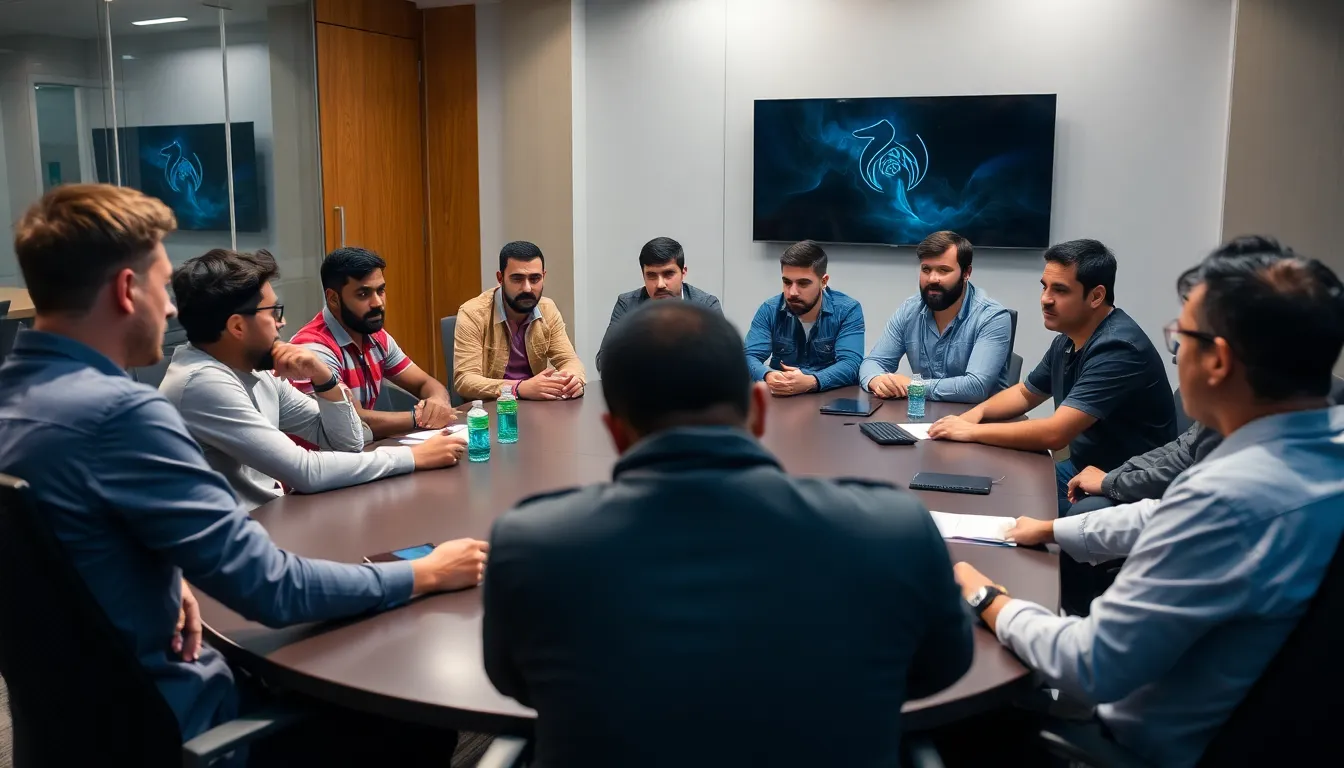
Historically, esports has been dominated by a predominantly male demographic, which has created an environment where toxic behavior can flourish. This male-centric culture has often marginalized female players and those from diverse backgrounds, leading to a lack of representation in both player rosters and leadership positions. The competitive nature of these games can exacerbate these issues, as players often face pressure to perform, which can lead to aggressive and discriminatory behavior.
Key milestones in the fight against discrimination
In recent years, various organizations and advocacy groups have begun to address these discrimination issues head-on. For instance, the establishment of the Riot Games Diversity and Inclusion Initiative marked a significant step towards creating a more inclusive environment within League of Legends esports. This initiative aims to promote representation and provide support for underrepresented groups in the gaming community.
Moreover, high-profile cases of discrimination have sparked widespread outrage and calls for change. Incidents involving professional players and commentators have led to public scrutiny and discussions about the need for stricter codes of conduct and accountability measures within esports organizations. These milestones highlight a growing awareness of the need to combat discrimination and foster a more inclusive atmosphere in competitive gaming.
Despite these efforts, the road to equality remains fraught with challenges. The persistence of discriminatory attitudes and behaviors within the community suggests that while progress has been made, significant work still lies ahead. As the esports industry continues to evolve, it is crucial for stakeholders to remain vigilant and proactive in addressing these issues to ensure a fair and equitable environment for all players.
Key stakeholders and issues surrounding discrimination
In the ongoing discourse around discrimination in League of Legends esports within the EMEA region, several key stakeholders emerge, each with their own interests and implications. These stakeholders include players, teams, game developers, regulatory bodies, and the broader gaming community. Understanding their roles is crucial in addressing the systemic issues of discrimination that continue to affect the esports landscape.

Players are often at the forefront of these discussions, as they are directly impacted by discriminatory practices both in-game and within the professional environment. Their interests typically revolve around fair treatment, equal opportunities, and a safe competitive space. Many players advocate for stronger policies against harassment and discrimination, pushing for accountability from both their peers and the organizations that govern the leagues.
Game developers, such as Riot Games, hold significant responsibility in shaping the culture of their esports ecosystem. Their interests lie in maintaining a positive brand image while ensuring a competitive environment that attracts players and fans alike. However, the challenge they face is balancing freedom of expression with the need to enforce strict anti-discrimination policies. This often leads to conflicts regarding the enforcement of rules and the consequences for those who violate them.
- Regulatory bodies play a crucial role in establishing and enforcing the rules that govern esports competitions. Their involvement can lead to significant changes in how discrimination is addressed.
- Esports organizations must navigate the complexities of team dynamics, player relations, and public perception while striving to create inclusive environments.
- The gaming community itself can influence change through advocacy, raising awareness, and holding stakeholders accountable for discriminatory practices.
Furthermore, legal and economic issues also come into play. Discrimination can lead to potential lawsuits, which not only affect the financial stability of organizations but also their reputation. As the esports industry continues to grow, the economic stakes are high, prompting many organizations to reassess their policies and practices regarding diversity and inclusion. The trade-offs between profitability and ethical responsibility are increasingly scrutinized by fans and players alike.
The impact of discrimination on players and the esports market
Discrimination issues within the League of Legends esports scene in the EMEA region affect a diverse range of stakeholders, including players, teams, sponsors, and fans. Players from marginalized backgrounds, particularly women and racial minorities, often face significant barriers to entry and advancement in the competitive landscape. This not only impacts their individual careers but also the overall diversity and inclusivity of the esports community.
The short-term impacts of these discrimination issues manifest in several ways. Players may experience decreased morale and motivation, leading to poorer performance and higher turnover rates within teams. Additionally, organizations that fail to address these issues may face backlash from fans and sponsors, resulting in potential financial losses and reputational damage. The esports market, which thrives on engagement and community support, risks alienating a significant portion of its audience.
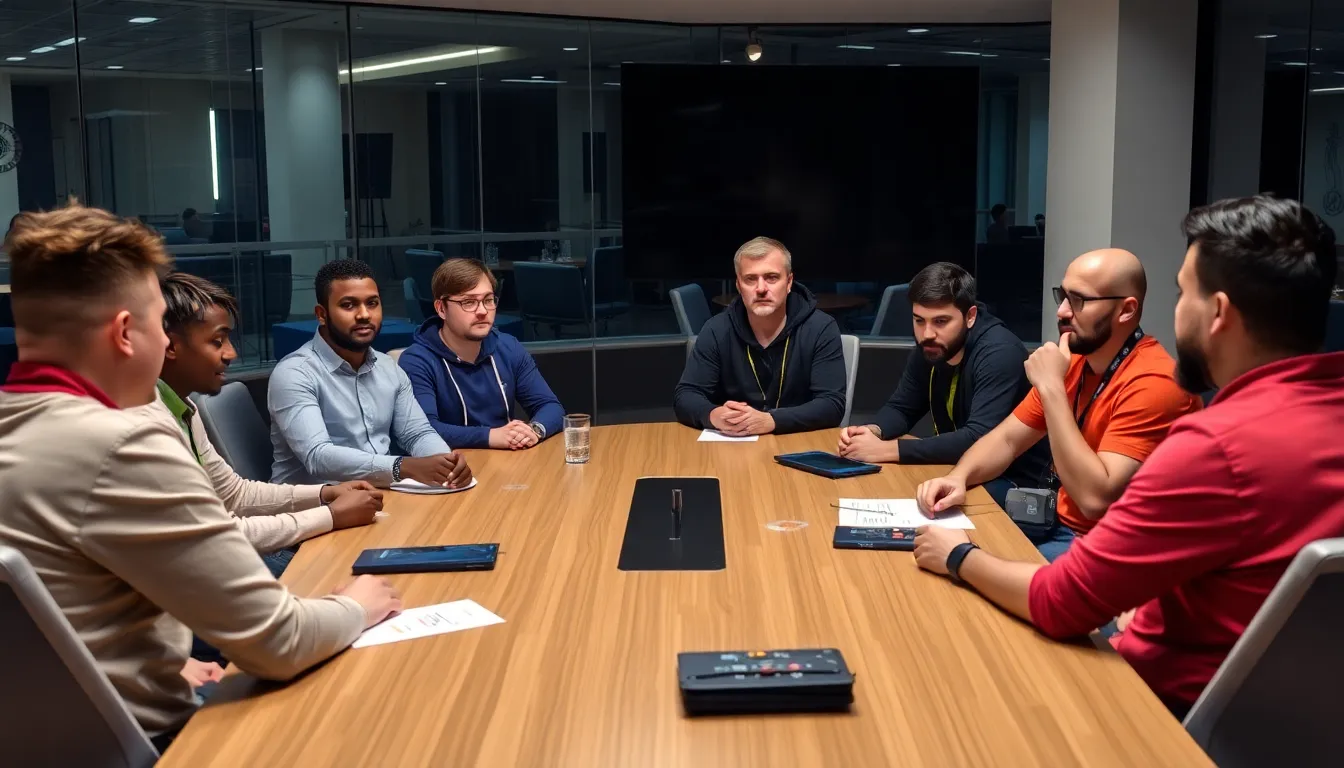
In the mid-term, ongoing discrimination could lead to a stagnation of talent development within the industry. As marginalized players continue to leave the scene or remain underrepresented, the talent pool shrinks, limiting innovation and competition. This could also prompt sponsors to reconsider their investments, as they increasingly seek to align with brands that promote diversity and inclusion. However, there is an opportunity for organizations to implement robust diversity initiatives, which could enhance their brand image and attract a broader audience.
- Decreased player morale leading to high turnover rates.
- Financial repercussions for teams and sponsors due to public backlash.
- Stagnation of talent development, limiting future competitiveness.
- Potential for organizations to enhance brand image through diversity initiatives.
Ultimately, while the challenges posed by discrimination in the League of Legends esports scene are significant, they also present opportunities for transformative change within the industry. By prioritizing inclusivity, the esports community can foster a more vibrant and diverse environment that benefits all stakeholders involved.
A: Discrimination in League of Legends esports can manifest as racism, sexism, and homophobia, affecting players’ experiences and opportunities. These issues often arise in both competitive environments and community interactions. A: Many esports organizations are implementing diversity and inclusion initiatives, conducting training sessions, and establishing reporting systems to combat discrimination. However, the effectiveness of these measures varies across different teams and regions. A: Players should report incidents to their team management or relevant esports authorities. Many organizations have policies in place to address such issues and provide support to affected individuals. A: Yes, various movements and campaigns are advocating for inclusivity in esports, raising awareness about discrimination, and promoting a safer environment for all players.
Frequently asked questions about discrimination in esports
Insights and future outlook on discrimination in esports
The ongoing issues of discrimination within the League of Legends esports scene in EMEA highlight a crucial need for systemic change. Despite various initiatives aimed at fostering inclusivity, incidents of bias and exclusion persist, indicating that the current measures are insufficient. Addressing these challenges will require a concerted effort from all stakeholders, including game developers, team organizations, and the community at large.
Looking forward, it is essential to monitor the effectiveness of new policies and programs designed to combat discrimination. The esports ecosystem must embrace a culture of accountability and support, ensuring that all players feel valued and respected. As the industry evolves, the commitment to diversity and inclusion will not only enhance player experiences but also enrich the competitive landscape.
- Continued advocacy for transparent reporting mechanisms to address discrimination incidents effectively.
- Increased collaboration between esports organizations and diversity-focused groups to implement best practices.
- Monitoring the impact of educational programs aimed at promoting inclusivity within teams and communities.
- Encouraging player-led initiatives that foster a supportive environment for underrepresented groups.
- Evaluating the role of sponsors in promoting diversity and holding them accountable for their commitments.