
The UN’s report emphasizes that El Niño, which typically brings warmer ocean temperatures, can lead to extreme weather conditions such as droughts, floods, and heatwaves. For a deeper understanding of this climate phenomenon, you can read about Understanding El Niño and La Niña and Their Weather Impact. These phenomena not only threaten food security but also pose significant risks to water supplies and public health, particularly in vulnerable regions already grappling with the effects of climate change.
Key actors, including the World Meteorological Organization (WMO) and various climate scientists, have noted that the current El Niño is expected to be one of the strongest in recent years. This situation raises alarms about the potential for increased natural disasters, which could displace millions and strain resources in affected countries.
The urgency of the UN’s message is amplified by the ongoing climate negotiations leading up to the 2023 United Nations Climate Change Conference (COP28) scheduled for December. As nations gather to discuss strategies for mitigation and adaptation, the looming threat of El Niño serves as a critical reminder of the immediate challenges that require coordinated global action.
Understanding the El Niño phenomenon and its implications
The El Niño phenomenon is a climate pattern characterized by the warming of ocean surface temperatures in the central and eastern Pacific Ocean. It typically occurs every two to seven years and has profound impacts on global weather patterns, including increased rainfall in some regions and droughts in others. Understanding the historical context of El Niño is crucial as it has been linked to significant weather events and climate anomalies worldwide.
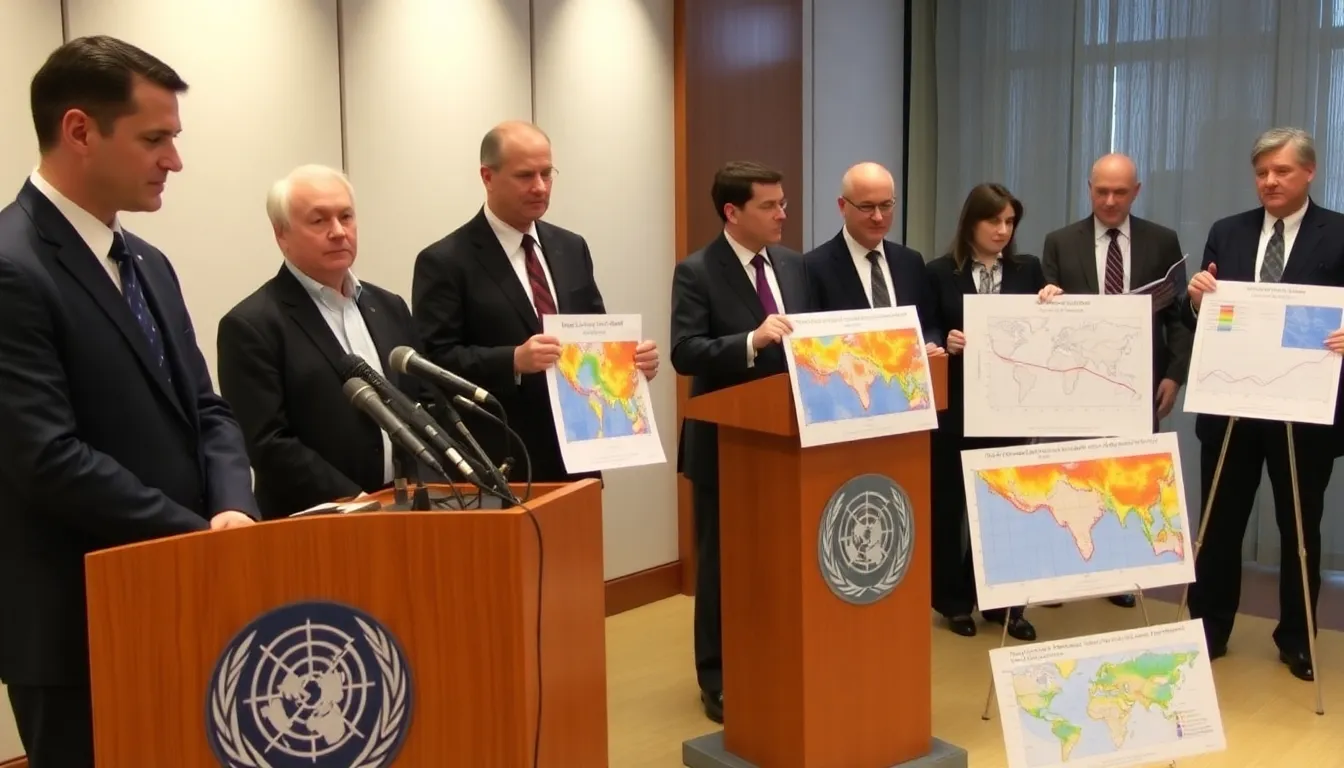
Historically, the first documented El Niño events date back to the late 19th century, with scientists beginning to recognize its global impact in the 20th century. The 1982-1983 El Niño event was particularly severe, causing widespread flooding in South America and devastating droughts in Australia and Indonesia. This event marked a turning point in climate science, leading to increased research and monitoring of El Niño and its effects on weather systems.
Politically, the implications of El Niño have spurred international cooperation and discussions on climate change. Countries that rely heavily on agriculture for their economies, such as those in Sub-Saharan Africa and parts of South America, have had to adapt their policies to mitigate the impacts of El Niño, leading to a greater emphasis on climate resilience. This aligns with the global actions discussed at the upcoming events like the 2023 United Nations Climate Change Conference (COP28).
The Economic Impact of El Niño
The economic repercussions of El Niño are significant, affecting agriculture, fisheries, and water resources. For instance, the 1997-1998 El Niño event is estimated to have caused over $30 billion in damages globally, affecting crops, livestock, and infrastructure. As climate change intensifies, the frequency and severity of such events are expected to increase, prompting calls for enhanced preparedness and investment in adaptive measures.
As the United Nations issues new climate warnings in light of an impending El Niño, it underscores the urgency for global action. The intertwining of climate phenomena with socio-economic factors highlights the need for comprehensive strategies that address both immediate and long-term challenges posed by climate variability, including those presented by organizations like the World Meteorological Organization (WMO).
Key stakeholders and their roles in addressing climate change
The looming El Niño phenomenon has heightened the urgency for climate action, prompting various stakeholders to engage in discussions and strategies aimed at mitigating its impacts. The primary actors involved include international organizations, national governments, environmental NGOs, and the private sector. Each of these entities has distinct interests and responsibilities that shape their approach to climate change.
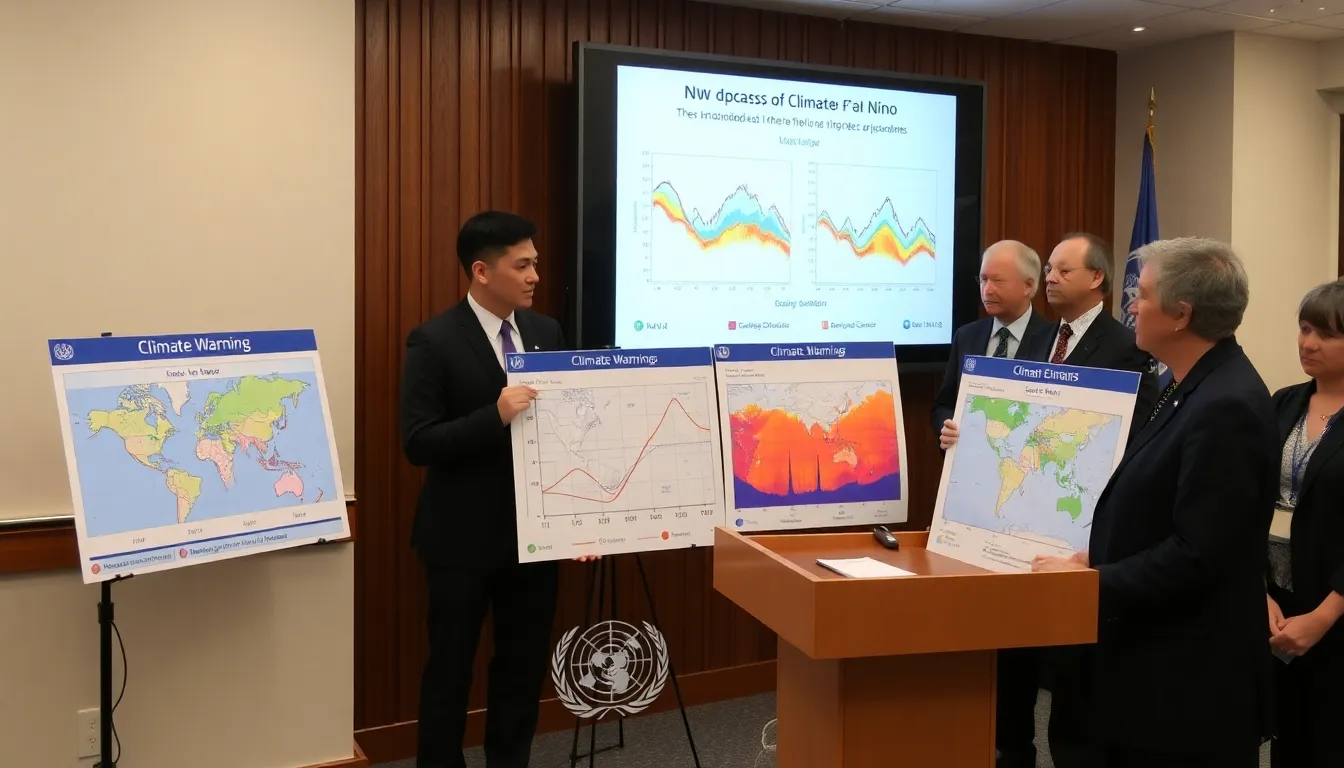
At the forefront are international organizations such as the United Nations Framework Convention on Climate Change (UNFCCC) and the World Meteorological Organization (WMO). Their role is to facilitate global cooperation and provide scientific assessments regarding climate patterns, including the implications of El Niño. These organizations aim to promote adherence to climate agreements and advocate for policies that support sustainable development.
National governments are crucial stakeholders, as they are responsible for implementing climate policies and regulations within their jurisdictions. Different countries have varying interests, often influenced by their economic dependencies and vulnerability to climate impacts. For instance, developing nations may prioritize immediate adaptation strategies, while developed countries might focus on mitigation efforts to reduce greenhouse gas emissions.
Environmental NGOs play a critical role in raising awareness and mobilizing public support for climate action. They often act as watchdogs, holding governments and corporations accountable for their environmental policies. Their advocacy can lead to significant pressure on policymakers to adopt more ambitious climate targets. However, conflicts can arise when their goals clash with economic interests, particularly in industries reliant on fossil fuels.
- International Cooperation: The need for collaboration among countries to address shared climate challenges.
- Economic Trade-offs: Balancing economic growth with environmental sustainability, particularly in energy sectors.
- Legal Frameworks: The role of international treaties and national laws in regulating emissions and climate resilience.
- Public Awareness: The impact of grassroots movements on influencing climate policy and corporate behavior.
- Technological Innovation: The importance of investing in green technologies to combat climate change effectively.
Potential impacts on communities and economies worldwide
The impending El Niño phenomenon, coupled with the latest climate warning from the UN, poses significant threats to various groups and industries across the globe. Vulnerable populations in developing nations, particularly in regions like Southeast Asia, Africa, and Central America, are at heightened risk due to their limited adaptive capacity. These communities often rely heavily on agriculture and natural resources, making them particularly susceptible to climate variability.
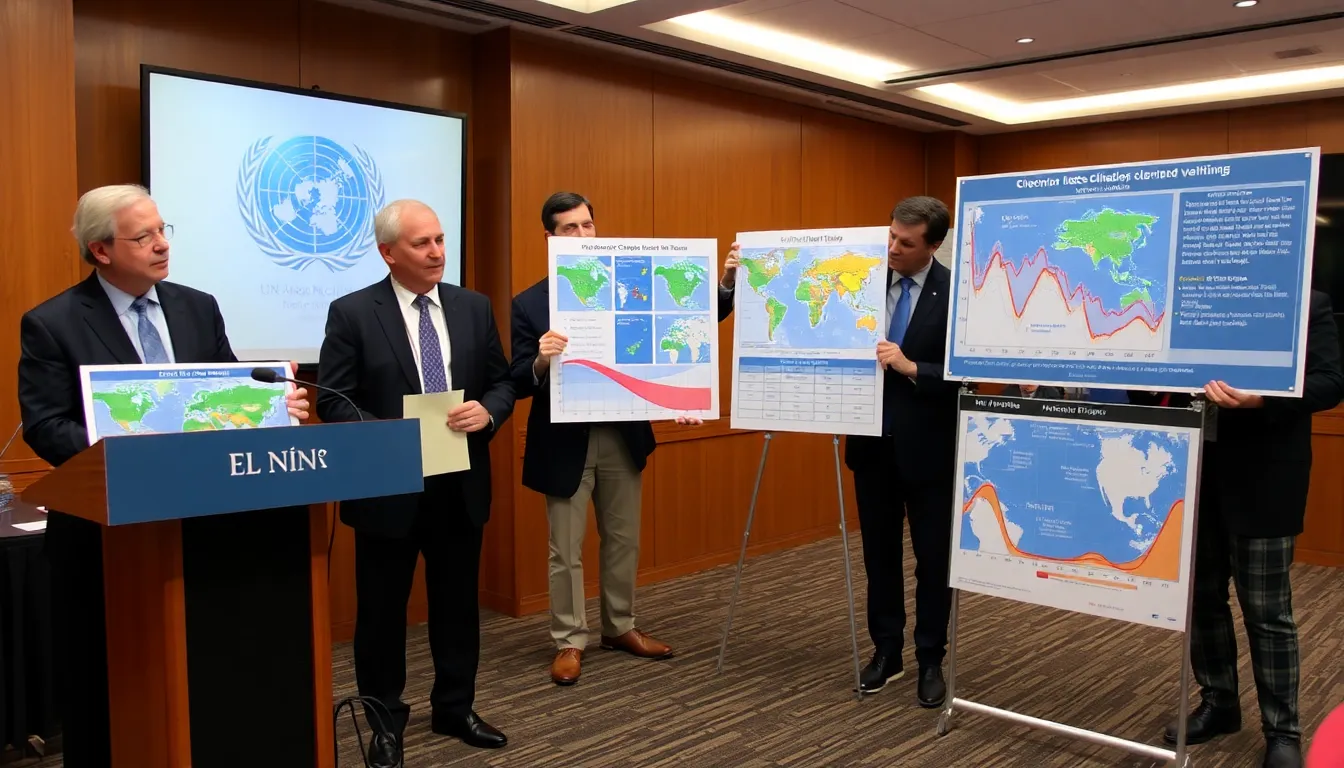
Industries such as agriculture, fisheries, and tourism are poised to experience both short-term disruptions and mid-term challenges. For instance, farmers may face altered rainfall patterns, leading to crop failures or reduced yields. Similarly, fisheries could see shifts in fish populations due to changing ocean temperatures, impacting livelihoods and food security. The tourism sector may also suffer, as extreme weather events deter visitors and damage infrastructure.
- Short-term risks: Increased food prices due to crop failures, disruptions in supply chains, and heightened health risks from climate-related diseases.
- Mid-term risks: Long-term economic instability in affected regions, potential displacement of communities, and increased migration pressures.
- Potential opportunities: Innovations in sustainable agriculture, increased investment in renewable energy, and enhanced climate resilience initiatives.
Governments and policymakers will need to adapt their strategies to address these challenges effectively. This may involve implementing policies that support sustainable practices, investing in infrastructure to mitigate climate impacts, and fostering international cooperation to manage resource-sharing and disaster response. The urgency of the situation presents an opportunity for businesses to innovate and develop solutions that align with climate resilience goals.
In summary, the looming El Niño event, exacerbated by the UN’s climate warning, underscores the critical need for proactive measures across various sectors. While the risks are substantial, there is also a pathway for growth and adaptation that can benefit both communities and economies in the long run.
A: El Niño is a climate pattern characterized by the warming of ocean surface temperatures in the central and eastern Pacific. It significantly impacts global weather patterns, leading to extreme weather events. A: The UN’s warning emphasizes the urgent need for countries to strengthen their climate commitments and take immediate action to mitigate the impacts of climate change. A: Key stakeholders include governments, international organizations, NGOs, and the private sector, all of whom play crucial roles in addressing climate change. A: El Niño can lead to disruptions in agriculture, increased food prices, and economic instability in vulnerable regions, affecting livelihoods and food security. A: Individuals can reduce their carbon footprint by adopting sustainable practices, supporting climate-friendly policies, and raising awareness about climate issues.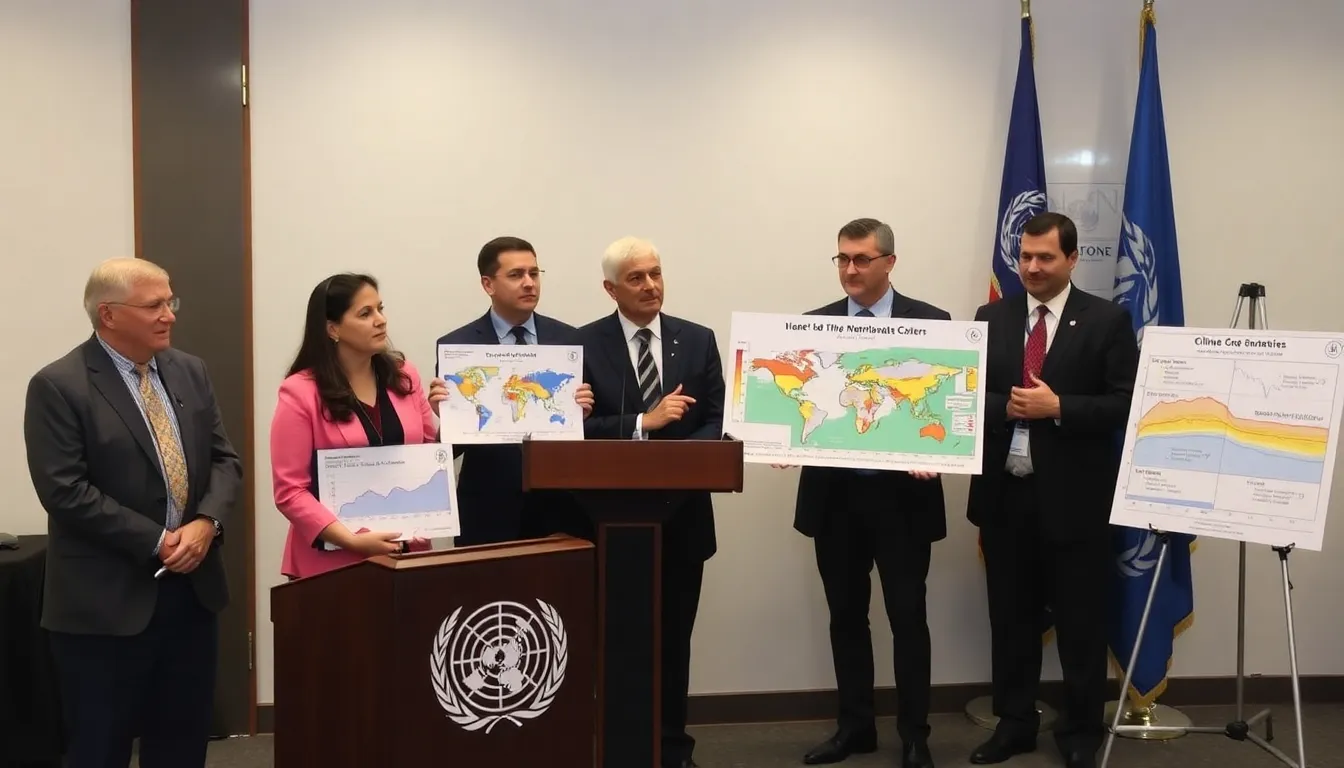
Frequently asked questions about the climate warning and El Niño
Looking ahead: key takeaways and future outlook
The recent climate warning issued by the UN underscores the urgency of addressing the impending impacts of El Niño. As global temperatures rise and weather patterns become increasingly volatile, the interplay between climate change and natural phenomena like El Niño will likely exacerbate existing environmental challenges. Policymakers, businesses, and communities must remain vigilant and proactive in their response strategies.
Monitoring the developments surrounding El Niño will be crucial in understanding its potential ramifications on agriculture, water resources, and disaster preparedness. Stakeholders should prioritize adaptive measures to mitigate these impacts and enhance resilience against the backdrop of a changing climate.
- Stay informed about the evolving El Niño patterns and their predicted effects on global weather systems.
- Invest in sustainable agricultural practices to combat potential crop failures due to extreme weather conditions.
- Enhance water management strategies to cope with anticipated fluctuations in rainfall and drought periods.
- Strengthen disaster preparedness plans to ensure communities are equipped to handle climate-induced emergencies.
- Encourage collaboration between governments, NGOs, and the private sector to foster innovative solutions for climate resilience.