
The investigation highlighted that many of these videos used the likeness of real individuals, leading to potential harm and exploitation. TikTok, responding to the growing criticism, began removing the offending content shortly after the report aired. This action underscores the platform’s responsibility to protect its users from harmful and non-consensual representations.
Moreover, the issue raises broader questions about the role of social media companies in regulating AI-generated content. As technology continues to advance, the potential for misuse increases, prompting calls for stricter guidelines and policies. Advocates argue that platforms must take a more proactive stance in safeguarding against the exploitation of marginalized communities.
As of now, the situation remains fluid, with ongoing discussions about the implications of AI in the digital landscape. The removal of these videos is a significant step, but it also highlights the need for continued vigilance and accountability in the tech industry. The conversation around consent, representation, and the power of AI is likely to evolve as more incidents come to light.
Understanding the background of AI content moderation on social media
The rise of artificial intelligence (AI) in content moderation has transformed the landscape of social media platforms, including TikTok. As these platforms grapple with an overwhelming volume of user-generated content, AI tools have been deployed to identify and remove inappropriate material. However, the implementation of these technologies is often fraught with challenges, particularly when it comes to issues of bias and representation. The recent removal of AI-generated videos featuring sexualized depictions of Black women from TikTok, following a BBC investigation, underscores the complexities surrounding AI moderation and its socio-political implications.
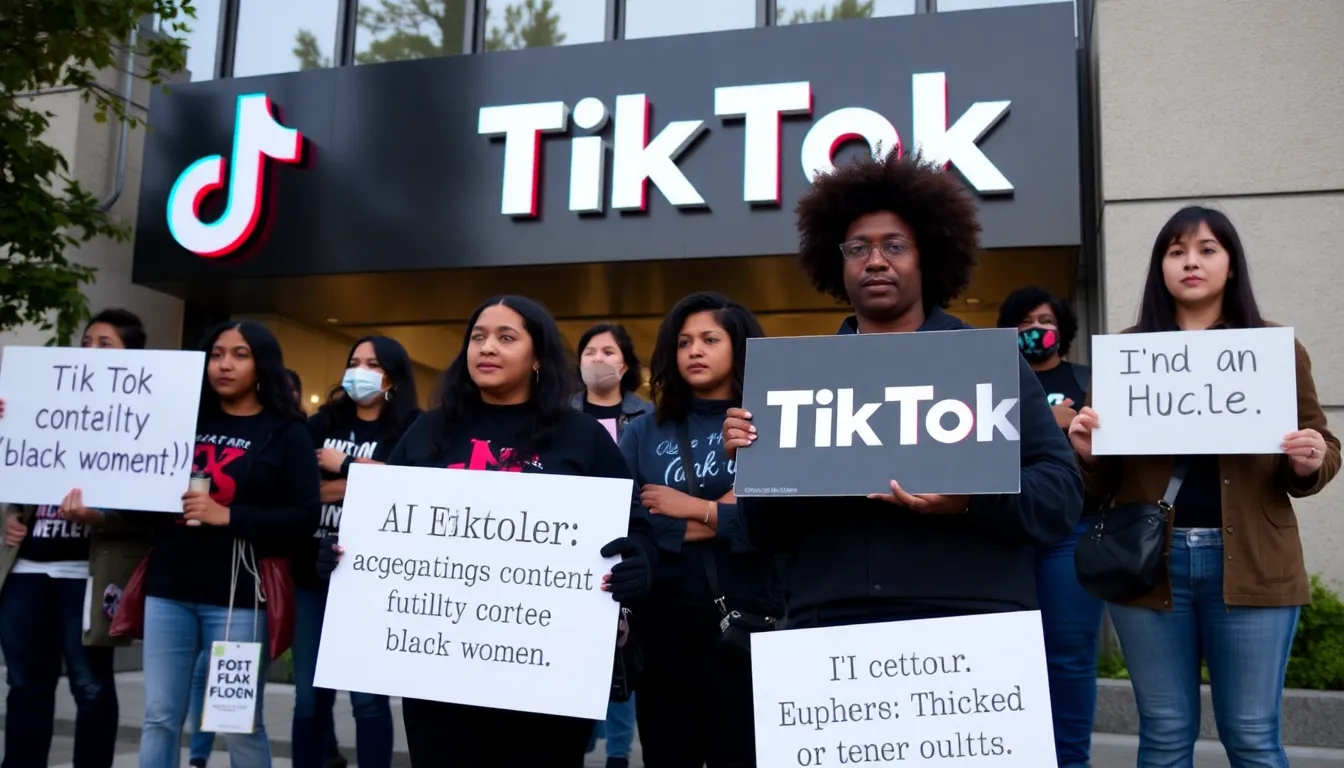
Historically, the portrayal of Black women in media has been influenced by harmful stereotypes, which have persisted across various forms of entertainment. These stereotypes often depict Black women in hyper-sexualized roles, contributing to the objectification and marginalization of their identities. As social media platforms have become more central to cultural discourse, the perpetuation of such imagery through AI-generated content raises significant ethical questions about representation and accountability.
The economic motivations behind social media platforms further complicate the issue. Companies like TikTok rely heavily on user engagement to drive advertising revenue, which can lead to a prioritization of sensational content over responsible moderation. This profit-driven model often results in a lack of adequate safeguards against the dissemination of harmful stereotypes, particularly those affecting marginalized communities. The recent BBC investigation highlights the urgent need for these platforms to reassess their content moderation practices to ensure they do not inadvertently perpetuate systemic biases.
The Role of Public Outcry and Advocacy
Public outcry and advocacy play a crucial role in shaping the policies of social media companies. Activists and organizations focused on racial justice have increasingly called attention to the harmful effects of AI-generated content that perpetuates stereotypes. The removal of the videos in question reflects a growing awareness among platforms of their social responsibilities, as well as the power of collective action in demanding accountability. This incident serves as a reminder of the ongoing struggle for equitable representation in digital spaces and the necessity for continuous dialogue about the impact of technology on societal norms.
Examining the stakeholders and key issues involved in this controversy
This incident involves multiple stakeholders, each with distinct interests and concerns. The primary actors include TikTok, the BBC, content creators, advocacy groups, and the broader community of users. TikTok, a platform that thrives on user-generated content, has a vested interest in maintaining a safe and inclusive environment to protect its brand image and comply with regulatory standards. The BBC, as a media organization, aims to investigate and highlight issues of social justice and representation, particularly concerning marginalized groups.
Content creators, especially those who are black women, are directly impacted by the portrayal and representation of their images and narratives on platforms like TikTok. Their interests include the right to control their own images and the desire for fair treatment in the digital space. Advocacy groups focused on racial equality and women’s rights also play a crucial role, pushing for accountability and ethical standards in digital media.
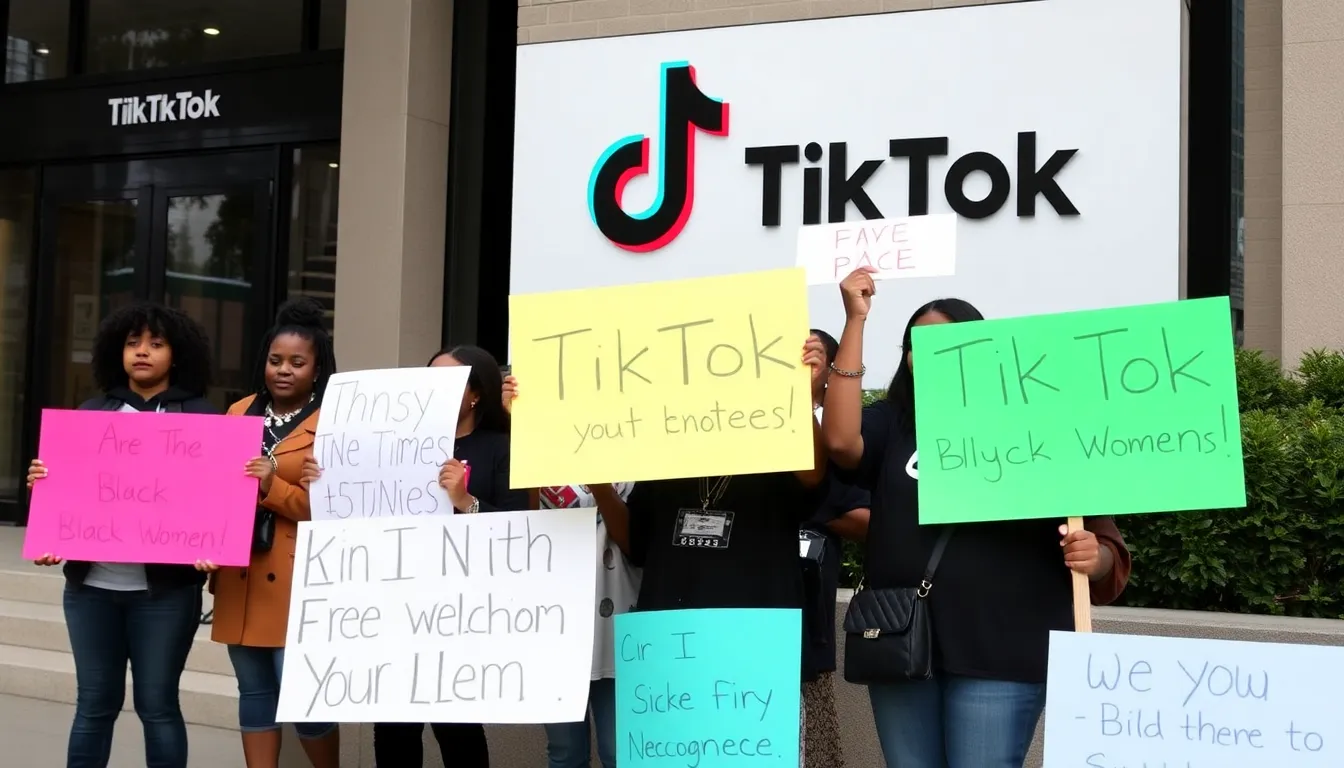
Key issues arise from the intersection of these stakeholders’ interests, leading to potential conflicts. For example, the removal of AI-generated videos raises questions about censorship and the balance between freedom of expression and the need to combat harmful stereotypes. There is also an ongoing debate about the responsibility of platforms like TikTok to monitor and regulate content that may perpetuate racial or gender-based exploitation.
- Content Moderation: The challenge of effectively moderating content that can be harmful or exploitative.
- Legal Implications: Potential legal ramifications for TikTok regarding copyright and misuse of individuals’ images.
- Economic Factors: The impact on TikTok’s advertising revenue if users feel unsafe or unwelcome on the platform.
- Public Perception: How the public’s view of TikTok may change in light of these controversies.
- Advocacy and Activism: The role of advocacy groups in shaping policy and pushing for reforms on digital platforms.
These complexities illustrate the broader societal implications of digital content creation and consumption, particularly regarding how marginalized communities are represented and treated in online spaces. As stakeholders navigate these challenges, the balance between innovation, ethics, and social responsibility remains a critical focus for all involved.
The impact of these removals on affected communities and social media practices
The removal of AI-generated videos sexualizing black women from TikTok has significant implications for various groups, particularly within marginalized communities. Black women, who are often disproportionately targeted by such content, may experience a sense of relief from the removal, but also frustration over the systemic issues that allow such content to proliferate in the first place. Additionally, the growing awareness highlighted in the BBC investigation underscores the urgent need for accountability.
In the short term, content creators and influencers within the black community may find themselves navigating a more cautious landscape on social media platforms. The immediate impact includes a potential decline in engagement and visibility for creators who previously relied on similar content to gain traction. This could lead to shifts in how creators approach their content strategies, focusing more on authenticity and less on sensationalism.
Mid-term effects may include changes in platform policies and enforcement mechanisms. Social media companies may feel pressured to implement stricter guidelines and monitoring systems to prevent the re-emergence of harmful content. This could result in a more robust framework for content moderation, which might benefit users across various demographics, fostering a safer online environment.
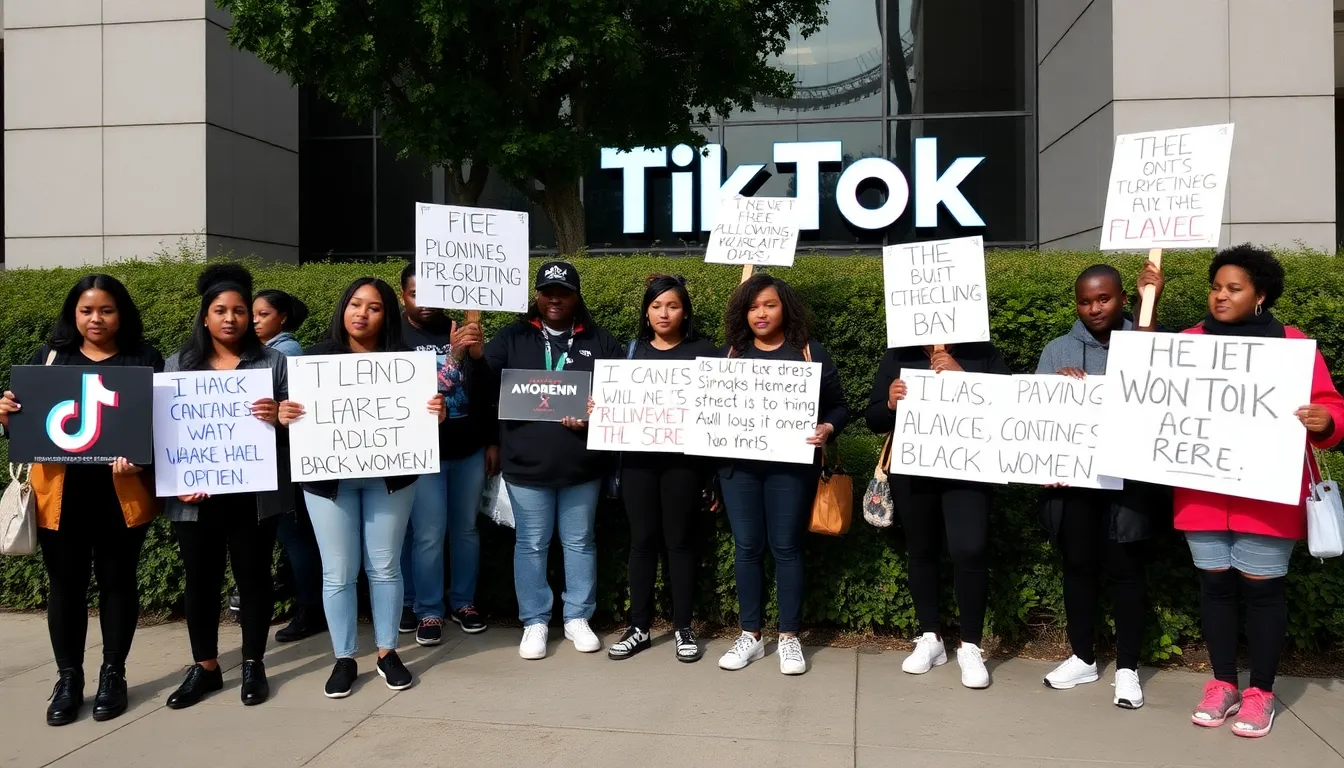
- Risks: The potential for censorship and over-policing of content that could stifle creative expression.
- Opportunities: Increased awareness and advocacy for diversity and representation in digital spaces.
- Impact on Businesses: Brands may need to reassess their partnerships with influencers and adjust their marketing strategies to align with evolving social media norms.
Regions with higher concentrations of black communities may see a shift in the local digital culture, as conversations around representation and the ethics of AI-generated content gain traction. This could lead to grassroots movements advocating for better representation and accountability from tech companies.
A: The videos were removed following a BBC investigation that highlighted their sexualized portrayal of black women, raising issues of racial representation and exploitation. A: This incident underscores the challenges social media platforms face in moderating AI-generated content and ensuring it aligns with community standards. A: The removal of these videos highlights ongoing concerns about the sexualization and misrepresentation of black women in digital spaces. A: TikTok has stated that it is reviewing its content moderation policies to better address issues related to AI-generated content and racial sensitivity. A: Yes, this incident may lead to increased scrutiny and calls for stricter regulations regarding AI-generated content on social media platforms.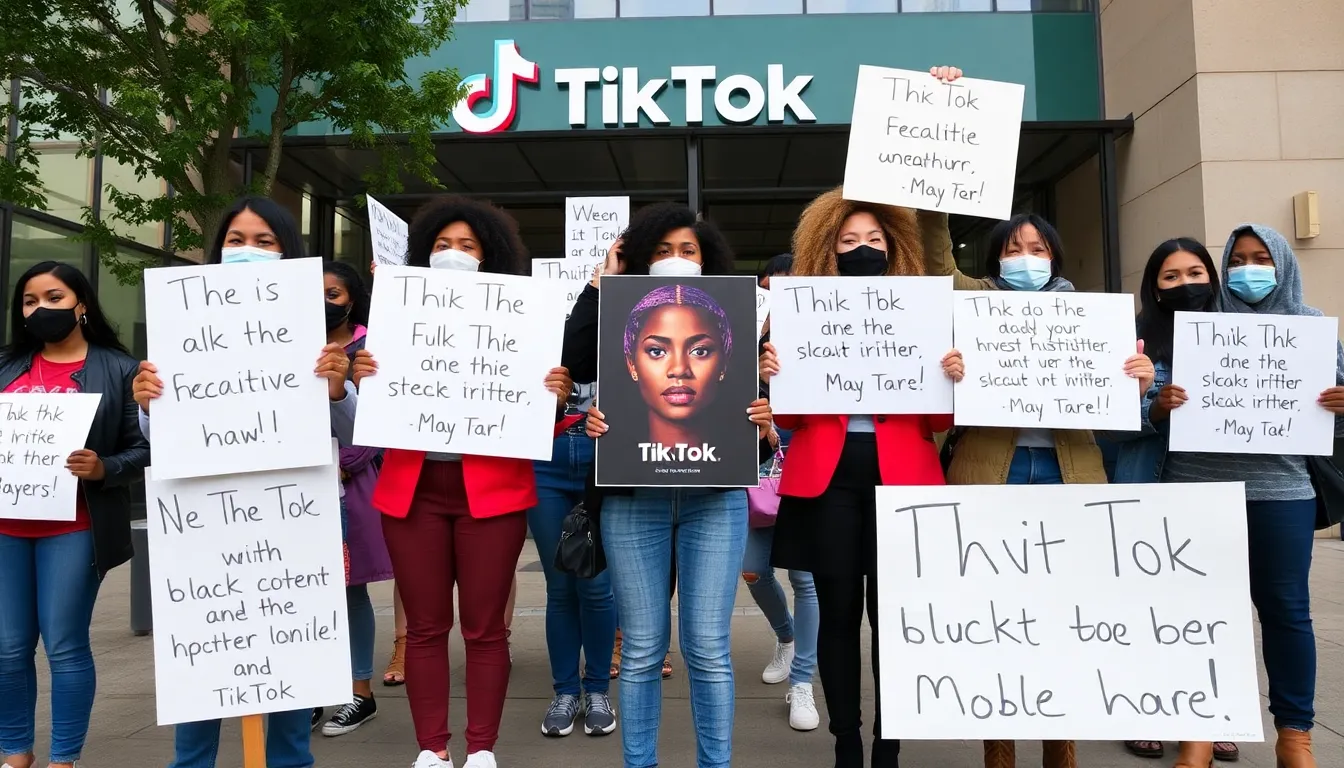
Frequently asked questions about the TikTok video removals
Key takeaways and future implications for social media platforms
The removal of AI-generated videos depicting sexualized black women from TikTok following a BBC investigation highlights the ongoing challenges that social media platforms face in moderating content. This incident underscores the need for more robust algorithms and policies that can effectively identify and eliminate harmful representations, particularly those that exploit marginalized communities. As platforms grapple with the balance between user-generated content and ethical responsibility, the implications for content moderation practices are significant.
Looking ahead, it is crucial for social media companies to enhance their transparency and accountability measures. The response to this situation may set a precedent for how similar cases are handled in the future, influencing user trust and platform integrity.
- Increased scrutiny on AI-generated content and its potential for harm may lead to stricter regulations across platforms.
- Social media companies may invest in advanced AI technologies to improve content moderation and reduce bias.
- The incident may prompt discussions about the ethical implications of AI in media, particularly concerning representation and consent.
- Users may demand greater transparency regarding how platforms handle complaints and the processes for removing harmful content.
- Collaborations between social media companies and advocacy groups could become more common to address issues of representation and exploitation.