
The timing of the video coincides with heightened tensions in the region, as Israel continues its military operations in Gaza. As the conflict escalates, the emotional stakes for families of hostages have become increasingly significant, leading to intense scrutiny of any claims regarding their safety. This context amplifies the importance of verifying such media, especially when AI technology makes it easier to create convincing forgeries. For more on related geopolitical tensions, see our article on US stock markets during the ongoing US-Israel conflict with Iran.
Experts in digital media and security have raised concerns about the implications of deepfake technology, which can generate realistic videos that may mislead viewers. As misinformation spreads rapidly online, the challenge of discerning fact from fabrication has never been more critical. The situation underscores the need for robust verification processes to maintain trust in communications from government officials.
Netanyahu’s post has ignited a broader conversation about the role of technology in conflict and the ethical responsibilities of leaders in conveying information. As the public grapples with the intersection of reality and digital manipulation, the stakes are high for both the hostages’ families and the integrity of information disseminated during such crises.
The role of A.I. in shaping perceptions of reality
In recent years, the advent of artificial intelligence (A.I.) technologies has dramatically transformed how information is created, disseminated, and perceived. From deepfake videos that can convincingly alter reality to algorithms that curate news feeds, A.I. has introduced new complexities in discerning truth from fabrication. This evolving landscape of media manipulation has significant implications for political communication and public trust, especially in sensitive situations such as hostage crises and international conflicts.

The recent posting of a ‘proof of life’ video by Israeli Prime Minister Benjamin Netanyahu underscores the intersection of technology and politics. As tensions rise in the region, the authenticity of such videos is increasingly questioned, particularly in an age where A.I. can generate hyper-realistic content that blurs the lines between fact and fiction. The historical context of media manipulation in political discourse adds another layer of complexity, as governments and organizations have long used imagery and video to shape narratives.
Historical context of media manipulation
The use of media to influence public perception is not a new phenomenon. Throughout history, governments have employed propaganda, from World War II posters to televised speeches, to sway public opinion. However, the rise of digital technology and social media has accelerated the pace and scale of misinformation. The ability to create and share content instantaneously has made it easier for false narratives to spread, often faster than the truth can be established. This is particularly evident in contemporary issues where misinformation plays a crucial role.
Key milestones in this journey include the 2016 U.S. presidential election, where A.I.-driven bots and fake news stories played a pivotal role in shaping voter perceptions. This event marked a turning point in how society views information credibility, leading to increased skepticism about media sources. As A.I. technologies continue to evolve, the challenge of distinguishing authentic content from manipulated media becomes ever more pressing, especially in high-stakes scenarios like hostage negotiations or international crises.
As Netanyahu’s video emerges amidst these concerns, it serves as a reminder of the delicate balance between communication, trust, and technology. The implications of A.I. on public perception are profound, as they not only affect political landscapes but also influence societal norms around truth and authenticity. In a world where seeing is no longer believing, the quest for genuine communication has never been more critical.
Implications for trust and misinformation in media
The recent release of a ‘proof of life’ video by Israeli Prime Minister Benjamin Netanyahu amid rising concerns about the authenticity of media content highlights significant tensions between political narratives and public perception. As artificial intelligence technologies evolve, the ability to create hyper-realistic deepfakes raises questions about the veracity of video evidence and its implications for trust in media. For a deeper analysis of how these technologies are shaping conflicts, refer to our piece on the escalating battle for the Strait of Hormuz.
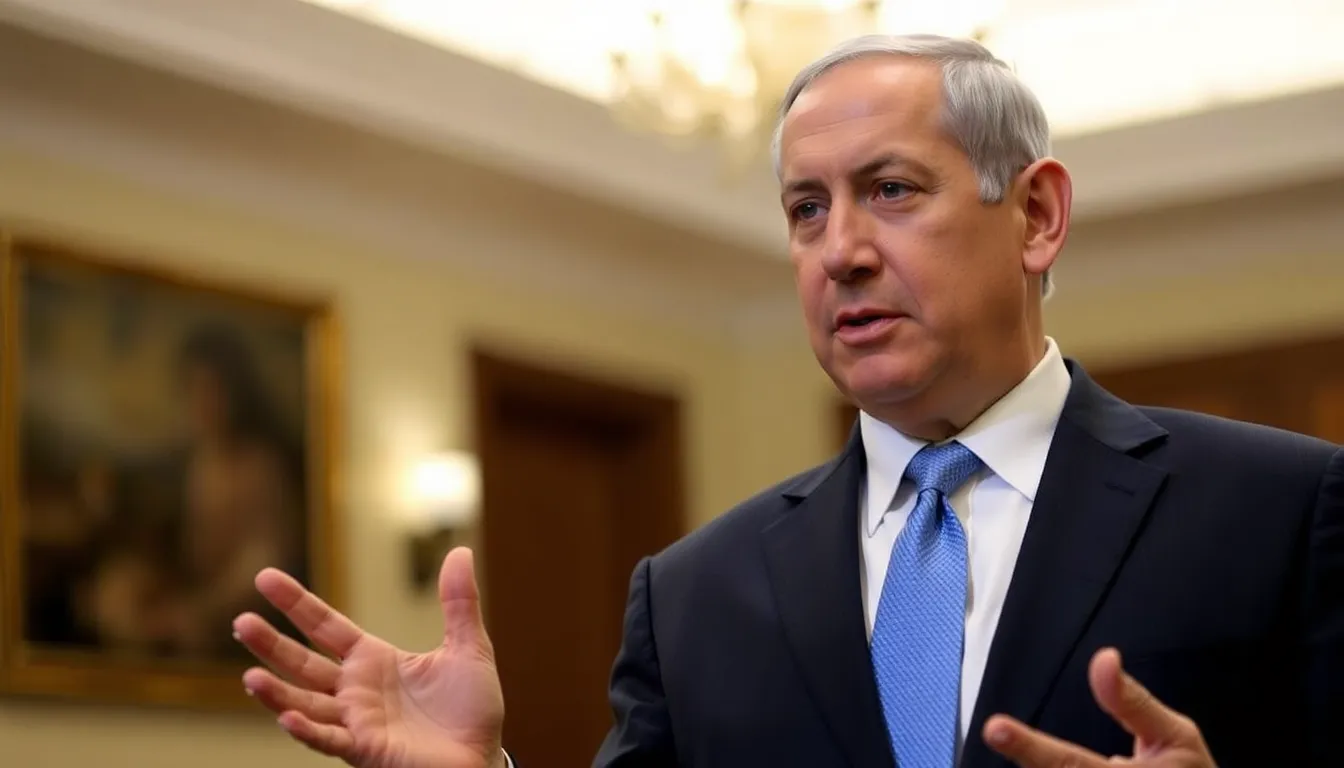
Key actors in this situation include Netanyahu, who seeks to reassure the public and maintain credibility amid ongoing conflicts, and various media organizations that must navigate the complexities of reporting in an era where misinformation can easily spread. The government of Israel, as well as international observers, are also stakeholders, as they grapple with the implications of digital media on national security and public opinion.
Conflicts arise when the interests of these stakeholders diverge. For instance, while Netanyahu’s government may prioritize the dissemination of content that supports its narrative, media organizations are tasked with upholding journalistic integrity and providing unbiased information. This creates a trade-off between political expediency and the ethical responsibility of the press.
- Trust erosion: The proliferation of AI-generated content can lead to skepticism about legitimate media, undermining public trust.
- Legal ramifications: The potential for deepfakes to misrepresent individuals could lead to new legal frameworks addressing digital content authenticity.
- Economic impact: Misinformation can affect markets and public sentiment, prompting businesses and governments to reassess their communication strategies.
- International relations: The manipulation of media can influence diplomatic ties, especially if misinformation escalates tensions between nations.
As these dynamics unfold, the role of technology in shaping perceptions of reality becomes increasingly critical. Stakeholders must navigate the challenges posed by AI and misinformation while striving to maintain credibility and trust with their audiences.
How this affects public perception and political discourse
The recent posting of a ‘proof of life’ video by Israeli Prime Minister Netanyahu highlights the complex interplay between technology and public perception. This situation affects various groups, including the general public, political analysts, and media organizations. The advent of AI-generated content has led to a growing skepticism about the authenticity of visual media, complicating the way people interpret political messages.
In the short term, the immediate impact on daily life may manifest in increased distrust among the public regarding video evidence in political discourse. As people question the authenticity of such content, it can lead to a polarized environment where misinformation thrives. This skepticism can hinder effective communication from leaders and create challenges for journalists striving to report factual information.
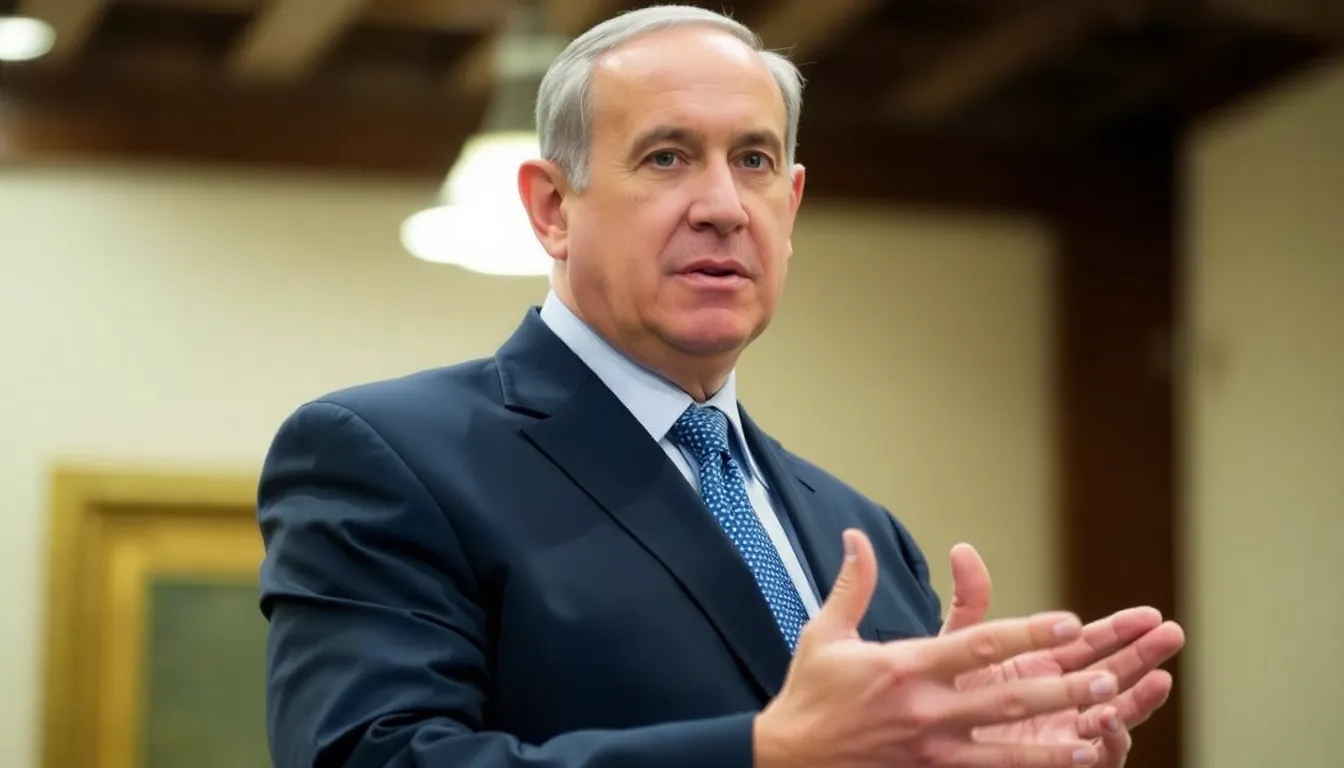
In the mid-term, businesses in the media and technology sectors may need to adapt to this new landscape. For example, media organizations might invest in advanced verification technologies to authenticate video content, while tech companies could develop tools to help users discern real from AI-generated media. This shift presents opportunities for innovation but also risks increasing costs and complexity in content creation and distribution.
- Public Trust: Erosion of trust in media and political figures.
- Business Adaptation: Increased demand for verification technologies.
- Policy Changes: Potential regulations around AI-generated content.
- Media Landscape: Shift in how news is produced and consumed.
Moreover, the geopolitical implications cannot be overlooked. As nations grapple with the authenticity of information, the potential for misinformation campaigns rises, which could affect international relations and policy-making. Countries may need to reassess their strategies for communication and public diplomacy in an era where the line between reality and fabrication is increasingly blurred.
A: The video claims to provide proof of life for individuals in a specific situation, aiming to reassure the public amidst rising tensions. A: A.I. technology can create deepfakes and manipulate video content, leading to increased skepticism about the authenticity of visual media. A: The video highlights the intersection of technology and politics, raising concerns about misinformation and trust in leadership. A: Misinformation can lead to public distrust, social division, and challenges in governance, making it crucial to address. A: The public can improve discernment by verifying sources, seeking expert opinions, and being aware of the capabilities of A.I. technology.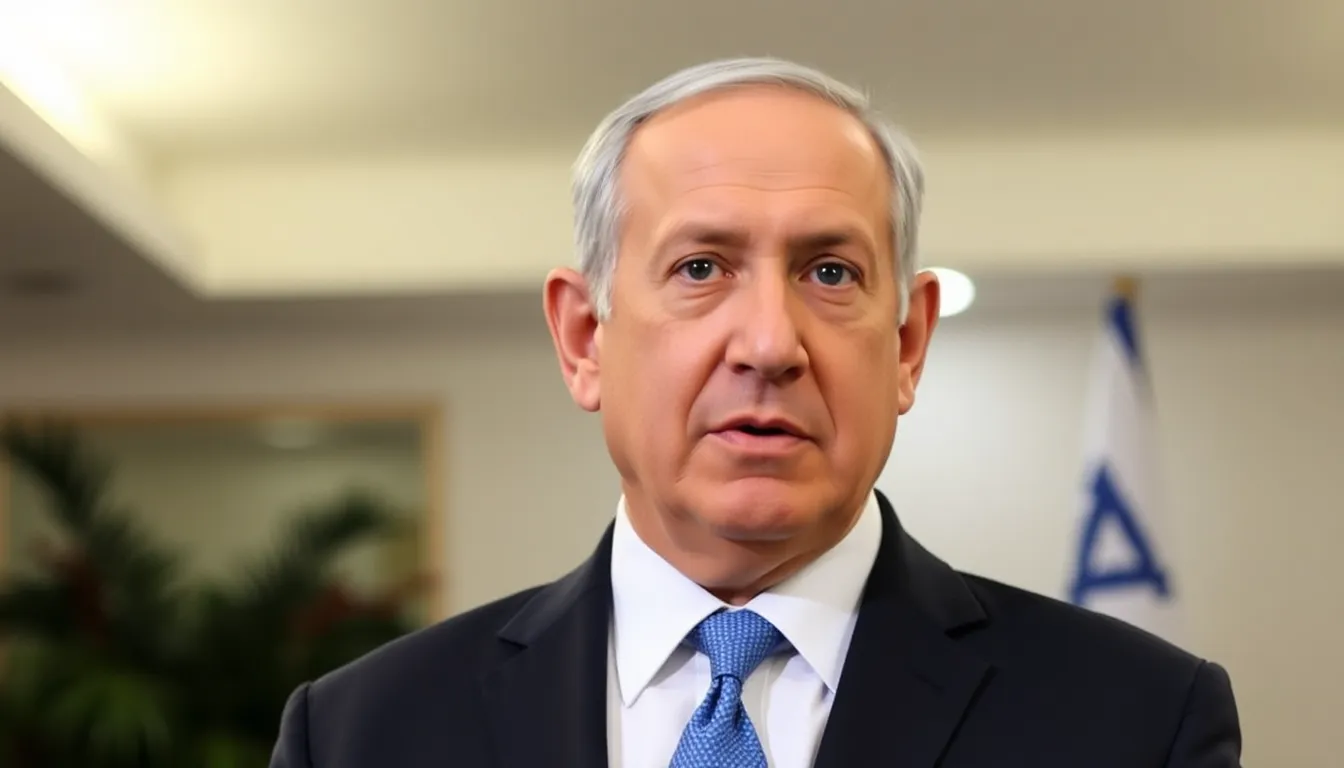
Frequently asked questions about the video and A.I.
Key takeaways and future implications of A.I. in media
The emergence of advanced A.I. technologies has profound implications for the way we perceive and interact with media. As demonstrated by Netanyahu’s recent ‘proof of life’ video, the line between authenticity and manipulation is becoming increasingly blurred. This raises critical questions about trust, verification, and the role of technology in shaping public discourse.
Moving forward, the ability to discern real from fabricated content will be essential for individuals, journalists, and policymakers alike. The implications of A.I. in media extend beyond mere misinformation; they touch on the very fabric of democratic engagement and public trust in institutions.
- Increased skepticism: Audiences may develop a heightened sense of skepticism toward video and audio content, necessitating new verification tools.
- Media literacy initiatives: There will be a pressing need for educational programs focused on media literacy to help individuals navigate A.I.-generated content.
- Policy frameworks: Governments and organizations may need to establish regulatory frameworks to address the challenges posed by deepfakes and A.I. in media.
- Technological advancements: The development of sophisticated detection tools will be crucial in combating misinformation and restoring public confidence.