
Recent events, including military actions and diplomatic tensions in the Middle East, have led to increased volatility in the markets. On October 16, 2023, the S&P 500 index closed down by 2.3%, reflecting investor apprehension over potential disruptions in oil supply and broader geopolitical ramifications.
Analysts are warning that continued instability could lead to further declines in stock prices, impacting retirement accounts and investment portfolios across the nation. For more on how geopolitical events can influence financial sectors, see our article on Missiles and Drones Intensify Conflict in the Middle East.
As the situation develops, market analysts emphasize the importance of keeping an eye on geopolitical events, as they can significantly affect investor sentiment. With the US-Israel conflict showing no signs of abating, the potential for further market fluctuations remains high, leaving many investors on edge.
Understanding the backdrop of the US-Israel conflict with Iran
The ongoing tensions between the United States, Israel, and Iran have deep historical roots that date back to the mid-20th century. The 1979 Iranian Revolution marked a significant turning point, as the overthrow of the US-backed Shah led to the establishment of the Islamic Republic of Iran. This shift in power not only severed diplomatic ties between Iran and the US but also positioned Iran as a regional adversary to US allies, particularly Israel.

The 2015 Joint Comprehensive Plan of Action (JCPOA), aimed at curbing Iran’s nuclear program, was a brief moment of diplomatic engagement; however, the reemergence of tensions can be further explored in our piece on A Look at the Escalating Battle for the Strait of Hormuz.
Recent Escalations and Economic Implications
The recent flare-up of violence, particularly following Israel’s military actions in Gaza and Iran’s support for groups opposing Israel, has led to a precarious situation. The US stock markets have reacted negatively, reflecting investor concerns about the potential for a broader conflict in the Middle East. The intertwining of geopolitical instability and economic performance has historically influenced market behavior, leading to increased volatility during times of heightened tensions.
As the US stock markets dip for the fourth consecutive week, analysts point to the direct correlation between geopolitical events and market performance. Investors are wary of the potential for military escalation, which could disrupt oil supplies and further impact global markets. The situation remains fluid, with the possibility of diplomatic efforts to de-escalate tensions being overshadowed by the realities of ongoing conflict.
Key stakeholders and issues at play in the market
The recent dip in US stock markets, marking the fourth consecutive week of decline, is influenced by a complex interplay of stakeholders, including governments, financial institutions, and geopolitical entities. Each of these actors has distinct interests that shape their responses to the ongoing US-Israel conflict concerning Iran.
Governments, particularly the US and Israel, are focused on national security and foreign policy objectives. The US aims to maintain stability in the Middle East while supporting its ally Israel, which is concerned about Iran’s nuclear ambitions and regional influence. This geopolitical tension creates uncertainty in the markets, as investors react to potential escalations or resolutions.
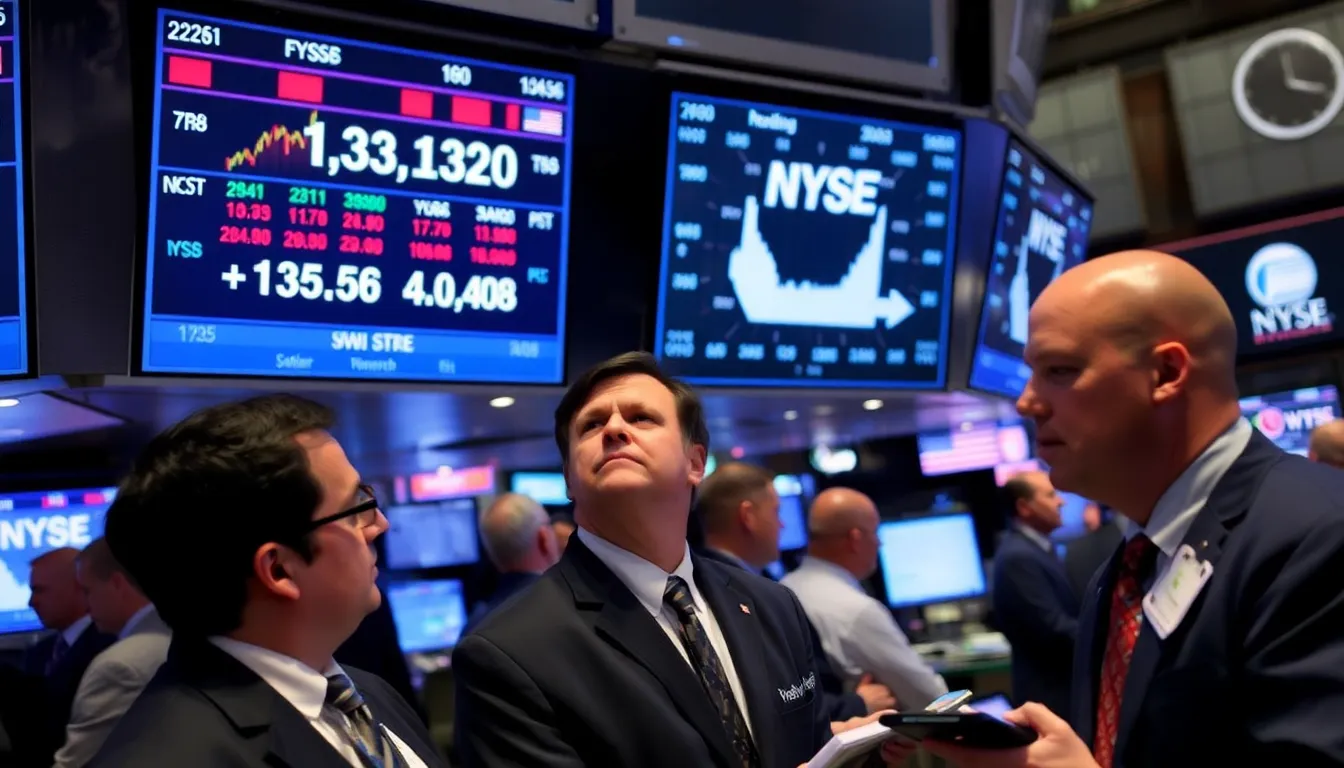
Financial institutions and investors are also key stakeholders, driven by the need to protect their assets and maximize returns. The ongoing conflict can lead to volatility in oil prices and disrupt supply chains, impacting sectors such as energy and technology. As a result, many investors are reevaluating their portfolios, leading to a cautious approach that further contributes to market declines.
Additionally, the general public and consumers are indirectly affected by these developments. Economic conditions, influenced by market performance, can affect employment rates and consumer spending. As stock prices fall, consumer confidence may wane, creating a feedback loop that exacerbates economic challenges.
- Geopolitical Tensions: Ongoing conflicts can lead to increased market volatility as investors react to news from the region.
- Energy Prices: Fluctuations in oil prices due to conflict can impact various sectors, influencing overall market performance.
- Investor Sentiment: Market reactions to geopolitical events can lead to shifts in investor confidence, affecting stock prices.
- Government Policies: Decisions made by the US and allied governments regarding military and economic actions can have significant repercussions on market stability.
- Global Economic Impact: The interconnectedness of global markets means that instability in one region can have widespread effects on economies worldwide.
Market impacts and effects on investors
This situation has created a ripple effect across various sectors, impacting not only investors but also consumers and businesses. For insights into how economic challenges are affecting industries, check out our coverage on Steelworks facing £1.3m daily operational costs.
In the short term, investors may experience increased volatility in their portfolios as market sentiment shifts in response to news about the conflict. Sectors like energy are particularly vulnerable, as rising tensions can lead to fluctuations in oil prices, affecting both consumers and businesses reliant on energy resources. Additionally, companies with significant international exposure may see their stock prices decline due to fears of broader conflict and supply chain disruptions.

Mid-term impacts could manifest in changes to government policy and defense spending. Increased military engagement may lead to higher budgets for defense contractors, potentially benefiting companies in that sector. Conversely, businesses in tourism and international trade could suffer as consumer confidence wanes and travel restrictions are implemented. The uncertainty surrounding the conflict may also prompt policymakers to reconsider trade agreements and foreign investments, influencing market dynamics.
- Energy Sector: Likely to face price volatility due to geopolitical tensions.
- Defense Industry: Potential for increased government contracts and spending.
- Consumer Confidence: May decline, affecting retail and service sectors.
- International Trade: Risks of disruptions and changing trade policies.
While the risks are significant, there are also potential opportunities for investors. Companies that specialize in cybersecurity and defense technology may see increased demand as nations prioritize security measures. Furthermore, businesses that pivot to adapt to changing consumer behaviors or enter emerging markets may find new growth avenues. Overall, while the current situation poses challenges, it also opens doors for strategic investments in resilient sectors.
A: US stock markets are declining due to heightened tensions from the US-Israel war on Iran, which has created uncertainty among investors. A: While it’s difficult to predict, analysts suggest that the market may continue to experience volatility as long as geopolitical tensions remain high. A: Sectors such as energy and defense are particularly affected, as investors react to the implications of the conflict on global supply chains. A: While concerns about a recession are valid, experts advise maintaining a diversified portfolio to mitigate risks during turbulent times. A: Investors are encouraged to stay informed and consider long-term strategies rather than making impulsive decisions based on short-term market fluctuations.
Frequently asked questions about the market situation
Looking ahead: key takeaways and market outlook
The ongoing conflict in the Middle East, particularly the US-Israel tensions regarding Iran, continues to exert pressure on the US stock markets, leading to a fourth consecutive week of declines. Investors are grappling with the implications of geopolitical instability, which has historically resulted in increased market volatility and uncertainty. As the situation evolves, market participants will need to closely monitor developments that could impact both domestic and global economic conditions.
In this context, several key factors will play a crucial role in shaping market sentiment moving forward. The interplay between geopolitical events and economic indicators will be essential for investors seeking to navigate this turbulent landscape. Understanding these dynamics will be vital for making informed investment decisions in the weeks ahead.
- Watch for shifts in US foreign policy and military engagement, as these could significantly influence market stability.
- Keep an eye on economic data releases, particularly those related to inflation and employment, which may affect investor confidence.
- Monitor energy prices, as fluctuations could impact sectors sensitive to oil and gas markets.
- Be aware of corporate earnings reports, which may reflect the broader economic impact of geopolitical tensions.
- Consider diversifying portfolios to mitigate risks associated with market volatility stemming from international conflicts.