
This escalation is seen as part of Iran’s broader strategy to assert its influence in the region amid ongoing tensions with Western nations, as discussed in our article on Iran’s Hormuz Stranglehold.
The situation has been further complicated by the involvement of other regional actors, such as Saudi Arabia and the United Arab Emirates, who have expressed concerns over Iran’s military maneuvers. In response, these countries have bolstered their own naval capabilities and have participated in joint military exercises with the U.S. to ensure freedom of navigation in the strait. The increasing militarization of the area poses risks not only to shipping but also to regional stability.
International diplomatic efforts to de-escalate tensions have so far yielded limited results. The U.S. has called for a coalition to safeguard maritime security, while Iran continues to reject foreign military presence in the region. As incidents at sea become more frequent, the potential for miscalculations or confrontations grows, raising alarms about the implications for global energy markets and international relations.
Historical Context of the Strait of Hormuz Conflicts
The strategic importance of this strait has drawn the attention of various nations and has been the catalyst for numerous conflicts, as highlighted in our analysis of the geopolitical dynamics in the region.
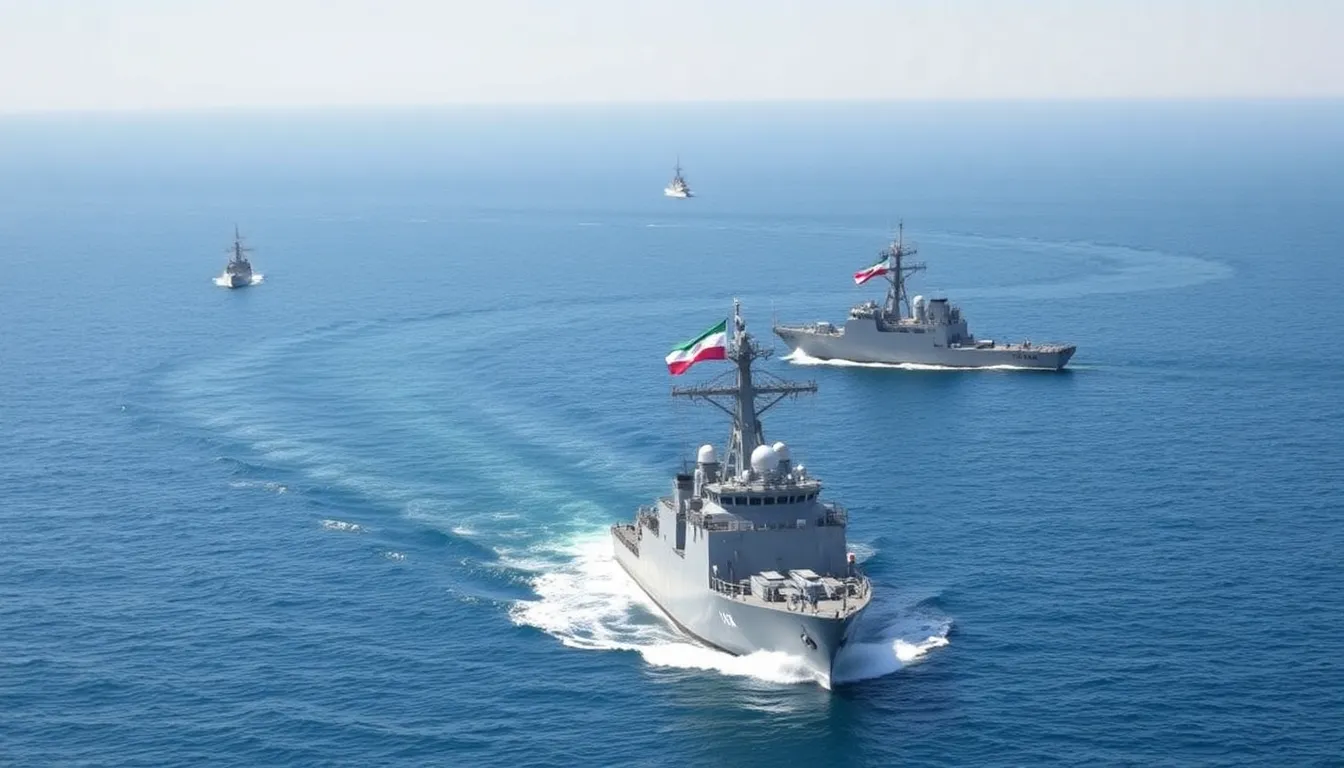
The historical roots of the tensions in the Strait of Hormuz can be traced back to the 1979 Iranian Revolution, which transformed Iran from a Western-aligned monarchy into an Islamic Republic. This shift in power not only altered the political landscape of the region but also heightened fears among neighboring countries and Western powers about Iran’s intentions. The subsequent Iran-Iraq War (1980-1988) further exacerbated tensions, as both countries sought control over the strait to secure their oil exports and disrupt those of their adversaries.
In the years following the war, incidents such as the 1987-1988 Tanker War, where Iranian forces targeted oil tankers in an effort to disrupt Iraq’s oil exports, highlighted the volatility of the region. The United States responded by increasing its military presence in the Gulf, leading to a series of confrontations that underscored the strategic significance of the Strait of Hormuz in global energy security.
Recent Developments and Escalation
In the 21st century, tensions have escalated further with the rise of new geopolitical dynamics, including the U.S. withdrawal from the Iran nuclear deal in 2018 and the re-imposition of sanctions on Iran. These actions have led to increased military posturing by both Iran and the United States, including incidents involving naval vessels and drone strikes. The strait has become a flashpoint for broader regional conflicts, drawing in other nations and alliances, and raising concerns about the potential for a wider military confrontation.
As countries vie for influence in the region, the Strait of Hormuz remains a critical battleground, where historical grievances, economic interests, and national security concerns intersect. Understanding this complex backdrop is essential for grasping the current dynamics and the potential consequences of further escalation in this vital maritime corridor.
Key Stakeholders and Their Interests in the Region
The Strait of Hormuz is a critical maritime chokepoint that is vital for global oil transportation, making it a focal point for various stakeholders with differing interests. The primary actors in this region include the Iranian government, the United States, Gulf Cooperation Council (GCC) countries, and international shipping companies.
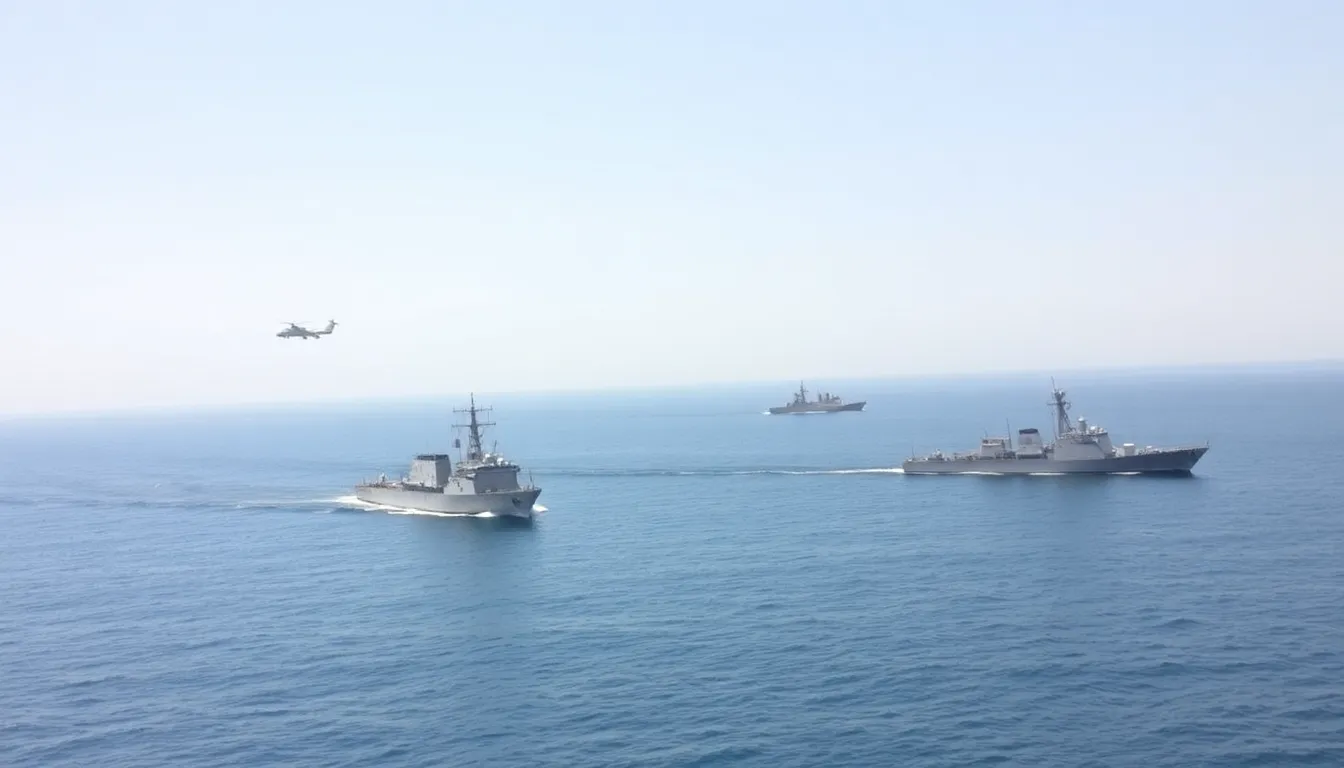
Iran views the Strait of Hormuz as a strategic asset, asserting its control over this passage to project power and influence in the region. The Iranian government has threatened to close the strait in response to sanctions or military actions against it, which underscores its commitment to protecting its economic interests and sovereignty.
Additionally, the U.S. advocates for a rules-based international order that supports navigation rights, which is crucial as highlighted in the discussions about military actions in the area.
The Gulf Cooperation Council countries, particularly Saudi Arabia and the United Arab Emirates, have a vested interest in keeping the strait open for their oil exports. These nations are also concerned about Iran’s military capabilities and its influence in regional affairs, leading them to seek closer ties with the U.S. and other global powers.
- Potential military confrontations between Iran and the U.S. or allied forces.
- Economic repercussions on global oil prices due to disruptions in shipping.
- Legal implications surrounding freedom of navigation and international maritime law.
- The role of international organizations in mediating tensions and ensuring security.
- Impact of regional alliances and rivalries on the stability of the Strait of Hormuz.
Impacts on Global Oil Markets and Regional Stability
The ongoing tensions in the Strait of Hormuz have far-reaching implications for various groups, industries, and regions. This vital waterway is a crucial artery for global oil transportation, with approximately 20% of the world’s oil passing through it. As such, any disruption in this area can lead to significant price fluctuations and supply chain challenges, affecting consumers and businesses worldwide.
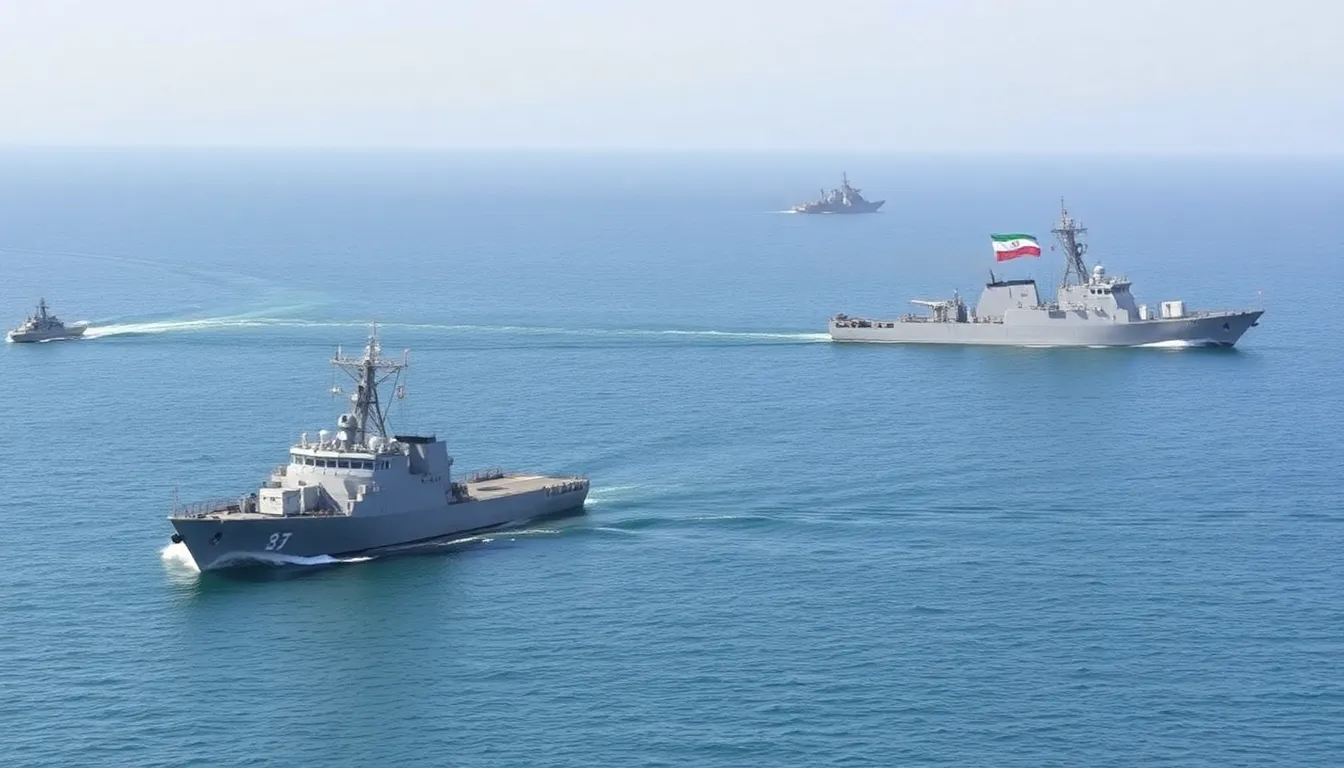
In the short term, oil prices are likely to experience volatility as traders react to news and developments in the region. This could lead to increased costs for transportation and goods, impacting everyday consumers as they face higher prices at the pump and for products reliant on oil. Industries such as aviation, shipping, and manufacturing may see rising operational costs, which could translate into reduced profit margins or increased prices for consumers.
In the mid-term, the geopolitical landscape may shift as countries reassess their energy strategies and alliances. Nations heavily reliant on oil imports from the Gulf region may seek to diversify their energy sources, investing in renewable energy or alternative supply routes. This could create opportunities for companies involved in renewable technologies and infrastructure development.
- Increased oil prices: Consumers and businesses face higher fuel costs.
- Supply chain disruptions: Industries may struggle with increased operational costs.
- Geopolitical realignment: Countries may diversify energy sources, creating new markets.
- Investment in renewables: Potential growth for companies in alternative energy sectors.
Moreover, regional stability is at stake, as tensions could escalate into broader conflicts, affecting neighboring countries and their economies. Nations in the Middle East may face increased security challenges, leading to higher military spending and potential humanitarian crises. Conversely, increased military presence could lead to opportunities for defense contractors and security firms.
A: The Strait of Hormuz is a crucial maritime chokepoint through which a significant portion of the world’s oil supply is transported, making it a focal point for geopolitical tensions. A: Key players include Iran, the United States, and several Gulf Cooperation Council (GCC) countries, each with differing interests and strategies regarding the strait. A: Escalating tensions in the Strait of Hormuz can lead to fears of supply disruptions, which often result in increased oil prices on the global market. A: Various nations have increased naval presence and conducted joint military exercises to deter potential threats and ensure the safe passage of vessels. A: A military confrontation could lead to significant loss of life, disruption of oil supplies, and broader regional instability, impacting global economies.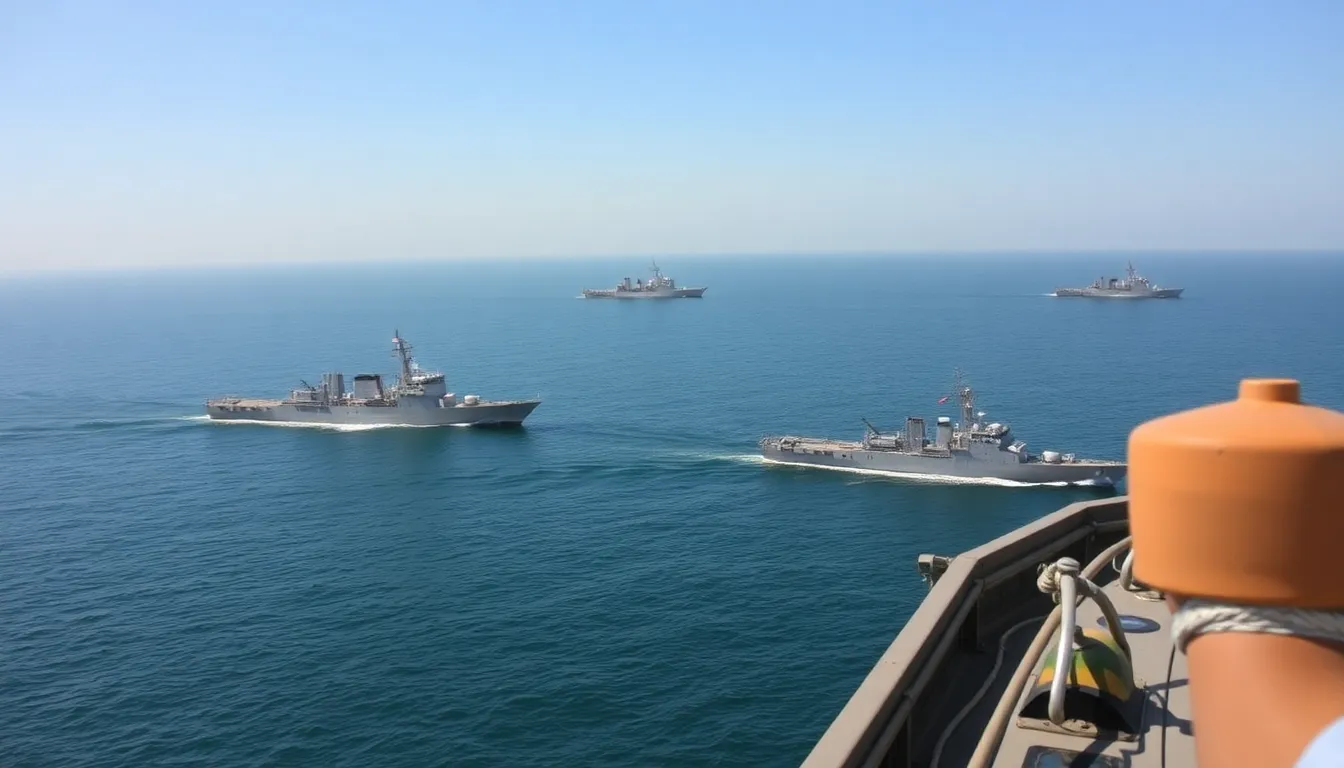
Frequently Asked Questions about the Strait of Hormuz
Future Outlook and Key Takeaways on the Strait of Hormuz Situation
The ongoing tensions in the Strait of Hormuz present a complex landscape for regional and global stakeholders. As the world’s most vital maritime chokepoint for oil transit, any escalation in conflict could have far-reaching implications for energy markets and international trade. The interplay of military posturing, diplomatic negotiations, and economic sanctions will likely shape the future of this strategic waterway.
Monitoring the evolving situation is essential, as shifts in alliances and military deployments could alter the balance of power in the region. Stakeholders must remain vigilant to the potential for both conflict and cooperation, as the outcomes will significantly impact global energy security and geopolitical stability.
- Watch for changes in military presence from both regional and global powers, as increased deployments could signal an imminent escalation.
- Keep an eye on diplomatic efforts aimed at de-escalation, particularly any negotiations involving Iran, the United States, and Gulf nations.
- Monitor fluctuations in oil prices, as any disruptions in the Strait of Hormuz could lead to significant market volatility.
- Observe the response of shipping companies and insurers to the evolving security situation, as their actions will reflect the perceived risks of navigating the strait.
- Consider the impact of potential sanctions or economic measures, which could further complicate the geopolitical landscape in the region.