
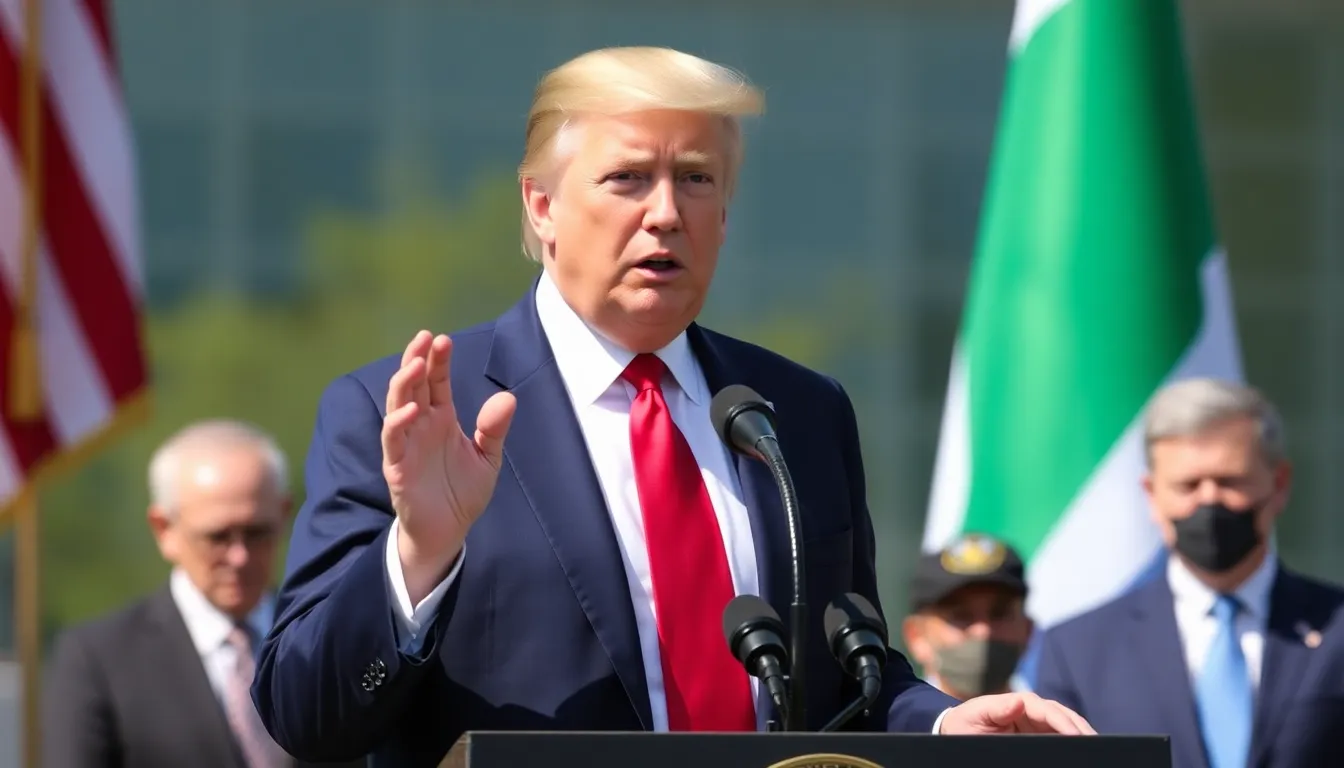
In response to these developments, former President Donald Trump has made public statements aimed at reassuring the American populace regarding national security. During a recent press conference, Trump emphasized the importance of a strong military presence in the region and reiterated his administration’s commitment to protecting American interests abroad. His comments come at a time when financial markets are reacting to the uncertainty surrounding the conflict, as seen in the context of Trump Faces Challenges From Iran Conflict Amid Tax Cut Achievements.
The economic implications of the Iran conflict are also significant, as fluctuations in oil prices have been observed in the wake of recent attacks. Analysts note that any prolonged instability could lead to higher fuel costs, affecting consumers and businesses alike. The volatility in the markets underscores the interconnectedness of geopolitical events and economic health, prompting calls for diplomatic solutions such as those discussed in Exploring the Importance of Information Access.
Internationally, several countries have expressed concern over the escalating tensions, urging both Iran and the U.S. to pursue dialogue. The European Union, in particular, has been vocal about the need for de-escalation and has offered to mediate discussions. The outcome of these diplomatic efforts could have far-reaching consequences for global peace and security.
Background and Context of the Iran War
The current conflict involving Iran can be traced back to decades of political tensions, military confrontations, and shifting alliances in the Middle East. The Islamic Revolution in 1979 marked a significant turning point, leading to the overthrow of the Shah, who was supported by the United States. This event not only reshaped Iran’s political landscape but also sowed the seeds of animosity between Iran and the West, particularly the U.S.
In the years following the revolution, Iran’s support for militant groups and its nuclear ambitions have been sources of contention. The U.S. and its allies have imposed various sanctions aimed at curbing Iran’s influence and nuclear program. The Joint Comprehensive Plan of Action (JCPOA), signed in 2015, was a significant milestone, as it aimed to limit Iran’s nuclear capabilities in exchange for the lifting of sanctions. However, the U.S. withdrawal from the agreement in 2018 under President Trump reignited tensions and led to a series of escalating confrontations.
The economic impact of these tensions has been profound, with fluctuations in oil prices and market instability affecting not only the Iranian economy but also global markets. As attacks and retaliatory strikes have intensified, investors have reacted with caution, leading to increased volatility in stock markets worldwide. The situation has created an environment of uncertainty, prompting calls for reassurance from political leaders.
Key Events Leading to Current Tensions
Several key events have contributed to the current state of affairs. The assassination of Iranian General Qassem Soleimani by a U.S. drone strike in January 2020 marked a significant escalation, prompting Iran to retaliate with missile strikes on U.S. bases in Iraq. This incident underscored the fragile nature of U.S.-Iran relations and highlighted the potential for further military conflict. Additionally, ongoing proxy wars in the region, particularly in Syria and Yemen, have further complicated the geopolitical landscape, drawing in various international actors and exacerbating local conflicts.
Analysis of Stakeholders and Major Issues at Play
The ongoing tensions surrounding the Iran War have drawn in a variety of stakeholders, each with their own interests and objectives. Key actors include the Iranian government, the United States administration under former President Donald Trump, international allies, and global markets that are reacting to the volatility in the region. Each of these stakeholders is navigating a complex landscape shaped by historical grievances, economic interests, and geopolitical strategies.
The Iranian government, led by President Ebrahim Raisi, seeks to maintain its sovereignty and regional influence while countering what it perceives as aggressive U.S. policies. Iran’s interests include ensuring the survival of its regime, protecting its nuclear program, and maintaining its support for proxy groups in the region. These objectives can often lead to conflict with U.S. interests, particularly concerning security and stability in the Middle East, as discussed in India’s cheap weight-loss drugs could reshape global obesity fight.
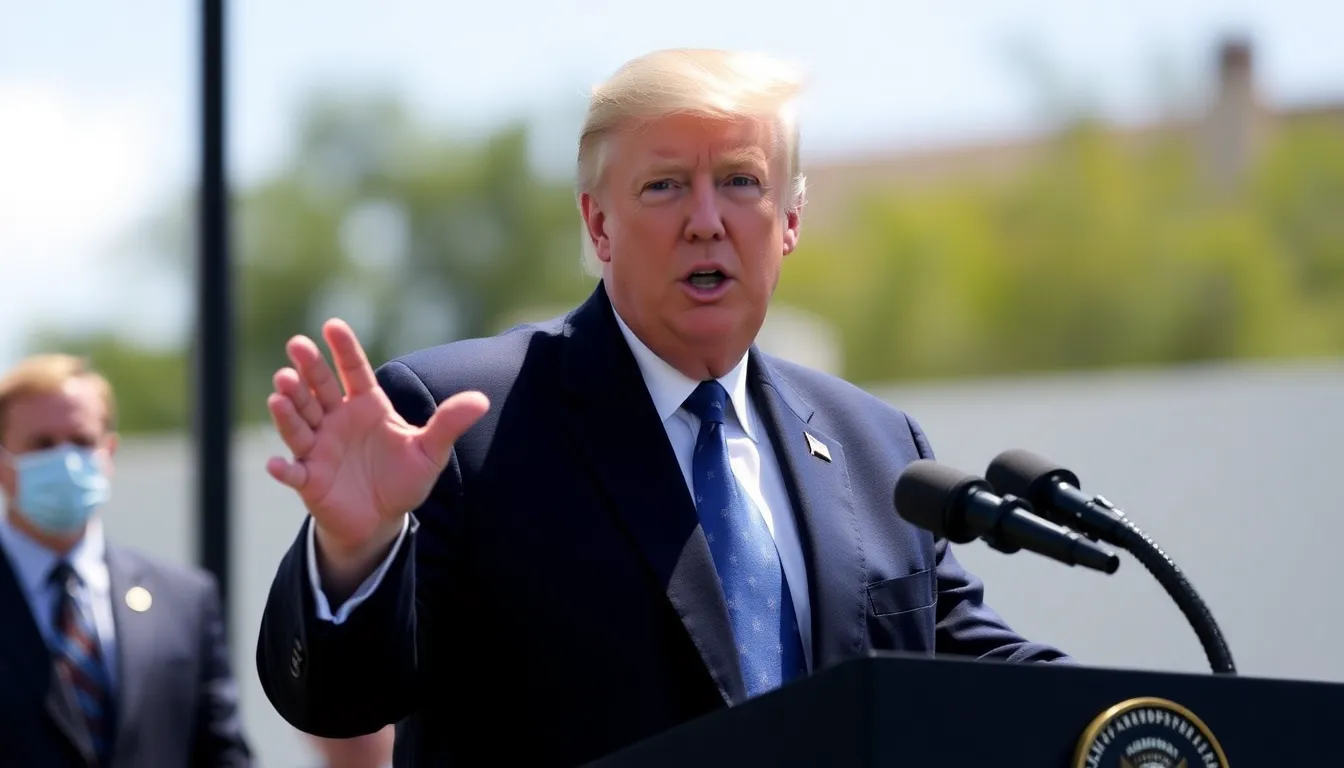
On the other hand, the Trump administration is focused on reassuring American citizens and investors amidst rising tensions. Trump’s interests lie in demonstrating strong leadership, promoting national security, and managing economic impacts that arise from potential military engagements. This has led to a delicate balancing act where maintaining a tough stance on Iran is weighed against the potential fallout in global markets and domestic economic conditions.
- Market Volatility: Financial markets are sensitive to geopolitical tensions, and any escalation in the Iran conflict could lead to significant fluctuations in oil prices and stock markets.
- Legal Ramifications: International law regarding military engagement and sanctions plays a critical role in shaping the actions of both the U.S. and Iran, influencing their strategies and public narratives.
- Global Alliances: The reactions of allies and adversaries alike can shift the dynamics of the conflict, as countries assess their own interests in the face of U.S. and Iranian actions.
In this intricate web of interests, trade-offs are inevitable. For instance, while Trump may seek to project strength against Iran, any miscalculation could lead to broader regional instability, which in turn could undermine U.S. economic interests. Similarly, Iran’s aggressive posture may serve to rally domestic support but risks further isolating it on the international stage, complicating its economic situation.
Impact on Markets and Affected Populations
The ongoing conflict in Iran has sent shockwaves through various sectors, affecting not only the local population but also global markets. Key industries such as oil and gas, defense, and technology are experiencing heightened volatility as investors react to the uncertainty. Regions heavily reliant on oil imports, particularly in Europe and Asia, are facing immediate economic pressures as prices fluctuate.
In the short term, consumers may notice rising prices at the pump and increased costs for goods that rely on oil for transportation. Businesses in affected regions might experience disruptions in supply chains, leading to delays and increased operational costs. Furthermore, heightened geopolitical tensions could lead to changes in government policies, impacting trade agreements and foreign investment.
Mid-term impacts could include shifts in energy policies as countries seek to diversify their energy sources to mitigate risks associated with reliance on Middle Eastern oil. This may create opportunities for renewable energy sectors, as governments and businesses invest in sustainable alternatives. Additionally, defense industries may see increased demand for military equipment and technology as nations bolster their security measures.
- Oil and Gas Sector: Increased prices and supply chain disruptions.
- Defense Industry: Potential growth due to heightened security needs.
- Consumer Goods: Rising costs impacting daily life.
- Renewable Energy: Opportunities for investment and growth.
As President Trump seeks to reassure Americans, the psychological impact on the public cannot be overlooked. Consumer confidence may waver, affecting spending habits and overall economic stability. While risks abound, there are also potential avenues for growth in sectors that adapt to the changing landscape.
A: The recent attacks in Iran were triggered by escalating tensions between Iran and the United States, particularly following military actions and retaliatory strikes. A: Markets are experiencing volatility due to uncertainty surrounding the conflict, with investors reacting to potential risks associated with the ongoing war. A: President Trump is seeking to reassure Americans by emphasizing national security and the importance of a strong military response to threats. A: The potential consequences include further destabilization in the region, increased oil prices, and broader geopolitical implications affecting global markets. A: Individuals can stay informed by following reliable news sources, official government statements, and updates from international organizations.
Frequently Asked Questions About the Iran War
Key Takeaways and Future Outlook on the Conflict
The ongoing conflict involving Iran continues to create significant ripples in global markets, prompting a need for vigilance among investors and policymakers alike. As tensions escalate, the response from key political figures, including former President Trump, underscores the importance of maintaining public confidence and stability in the face of uncertainty.
Moving forward, stakeholders should closely monitor developments in the region, as well as the potential implications for international relations and economic stability. Understanding the dynamics at play will be crucial for navigating the challenges that lie ahead.
- Watch for potential shifts in U.S. foreign policy that could influence regional alliances and trade agreements.
- Keep an eye on market reactions to any escalations in conflict, particularly in oil prices and defense stocks.
- Monitor public sentiment and political discourse in the U.S., as they may affect domestic policies and international relations.
- Assess the impact of international sanctions on Iran and how they may reshape the geopolitical landscape.
- Evaluate the responses from other global powers, as their involvement could alter the trajectory of the conflict.