
Recently, the show has focused on pressing global challenges such as climate change, public health, and technological innovation. For instance, episodes in early 2023 have highlighted the implications of artificial intelligence in various sectors, including healthcare and education. These discussions are crucial as they not only educate the audience but also spark necessary debates about the ethical considerations surrounding these technologies.
Moreover, BBC Inside Science has adapted to the evolving media landscape by integrating digital platforms to reach wider audiences. The program’s presence on social media and podcasting platforms has increased its accessibility, allowing listeners to engage with scientific content in their preferred formats. This shift reflects a broader trend in media consumption where audiences seek on-demand and easily digestible information, similar to the approach discussed in current trends.
The program also emphasizes the importance of collaboration between scientists and communicators. By featuring diverse voices from various scientific disciplines, it fosters a more inclusive dialogue around science. This approach not only enhances public understanding but also encourages young scientists to engage with the media, ensuring that the next generation of researchers is equipped to communicate their work effectively.
The Role of BBC Inside Science in the Media Landscape
BBC Inside Science has carved a unique niche within the media landscape by providing in-depth analysis and exploration of scientific topics that often go unnoticed by mainstream media. Launched in 2010, the program was created in response to a growing demand for accessible science communication, particularly in an era where misinformation and scientific skepticism have become prevalent. The show not only presents scientific discoveries but also contextualizes them within broader societal and political frameworks, making complex topics more relatable to the general public, much like the significant milestones in scientific communication.

The historical roots of BBC Inside Science can be traced back to the BBC’s longstanding commitment to education and public service broadcasting. The BBC has been a pioneer in science communication since the 1920s, with programs that have evolved to meet the changing needs of society. The establishment of Inside Science marked a significant milestone in this evolution, reflecting a shift towards more specialized programming that addresses the intersection of science, technology, and society.
Economically, the funding model of the BBC, primarily through the television license fee, allows for a focus on educational content without the constraints of commercial pressures. This financial structure has enabled Inside Science to delve into subjects that might not attract advertising revenue but are crucial for public understanding. The program has also been able to feature a diverse range of voices, including scientists, policy makers, and ethicists, thereby enriching the discourse around scientific issues.
Key Milestones in Science Communication
Several key milestones have shaped the landscape of science communication, influencing the creation and evolution of programs like Inside Science. The launch of the Royal Society’s annual science communication awards in the late 1990s highlighted the importance of effective science communication. Additionally, the rise of digital media and social networks has transformed how scientific information is disseminated, prompting traditional media outlets like the BBC to adapt their approaches. Inside Science has been at the forefront of this transformation, utilizing various platforms to engage audiences and foster a deeper understanding of science in everyday life.
Key Stakeholders and Issues in Science Reporting
In the realm of science reporting, particularly with programs like BBC Inside Science, several key stakeholders play crucial roles. These include journalists, scientists, funding organizations, and the audience. Each group has distinct interests that shape the landscape of science communication.
Journalists aim to present scientific findings in an accessible manner while maintaining accuracy and integrity. They often face pressure to attract viewers and readers, which can lead to sensationalism or oversimplification of complex topics. Scientists, on the other hand, seek to disseminate their research effectively, but may be concerned about how their work is portrayed in the media. This can create a tension between the desire for public engagement and the need for precise representation of scientific data.
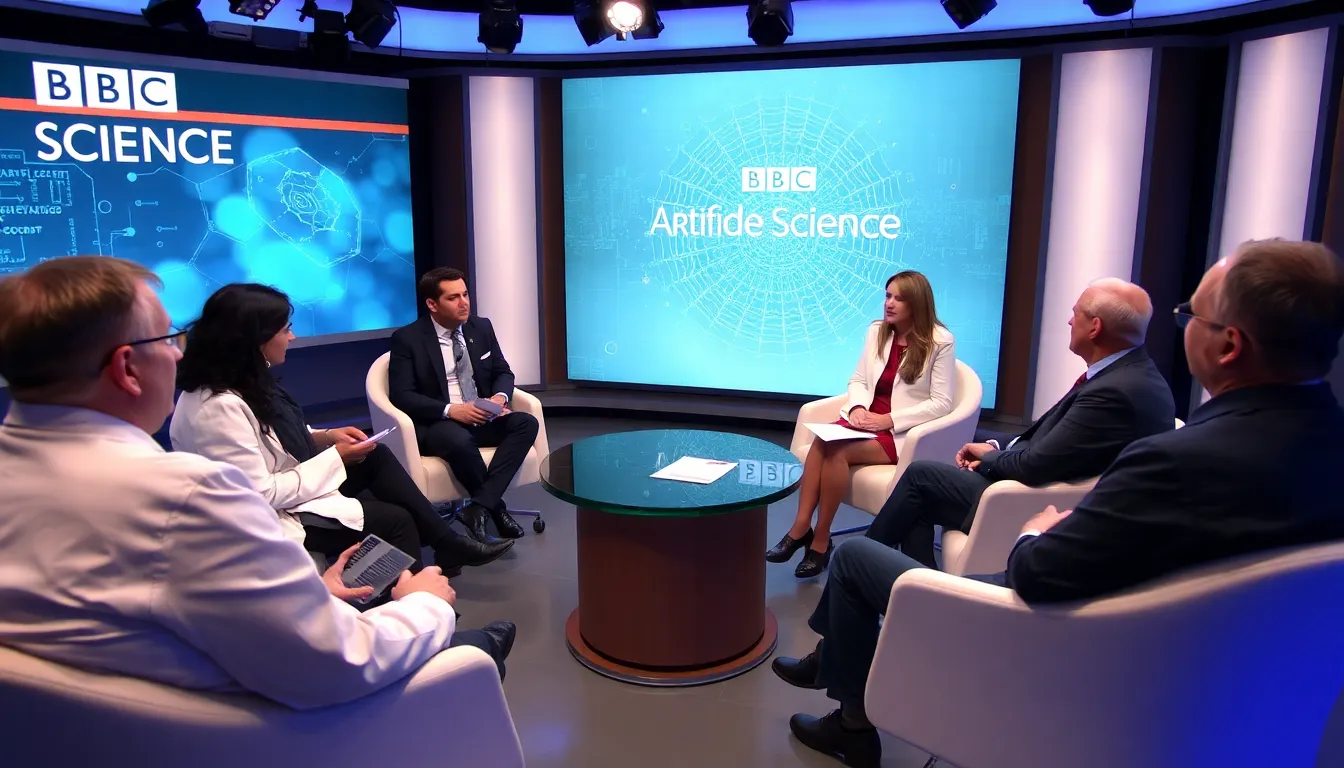
Funding organizations and government bodies also play a significant role in science reporting. Their interests often align with promoting public understanding of science and fostering a scientifically literate society. However, conflicts can arise when funding is tied to specific narratives or agendas, potentially influencing the content and focus of science reporting.
- Conflict of Interest: Journalists may face dilemmas when reporting on studies funded by organizations with vested interests.
- Public Perception: Misrepresentation of scientific findings can lead to public misunderstanding and mistrust in science.
- Regulatory Challenges: Governments may impose restrictions on how scientific information is communicated to the public.
- Economic Pressures: Media outlets may prioritize sensational stories over nuanced reporting due to financial constraints.
- Ethical Considerations: The responsibility of accurately representing science can conflict with the need for engaging storytelling.
Ultimately, the interplay between these stakeholders and the issues they face highlights the complexities of science reporting. It underscores the importance of maintaining a balance between engaging the public and upholding the integrity of scientific communication.
How BBC Inside Science Influences Public Perception
BBC Inside Science plays a pivotal role in shaping public understanding of scientific developments, affecting various groups and industries. The program primarily reaches audiences interested in science, technology, and health, thereby influencing students, educators, researchers, and policymakers. As a trusted source, it can significantly impact how these groups perceive scientific issues and innovations.
In the short term, the program can drive immediate public interest in emerging technologies, such as renewable energy solutions or medical advancements. This heightened awareness may lead to increased demand for related products and services, benefiting industries like biotechnology, pharmaceuticals, and clean energy. For instance, a feature on breakthrough cancer treatments could encourage funding and investment in healthcare startups.
Mid-term impacts are likely to manifest in changes to public policy and educational initiatives. Policymakers may feel compelled to allocate more resources to scientific research or adjust regulations based on insights shared by the program. Educational institutions might also revise curricula to include topics highlighted by BBC Inside Science, ensuring that students are better prepared for future challenges.

- Risks: Misinformation can spread if scientific claims are misrepresented, leading to public distrust.
- Opportunities: Increased collaboration between scientists and industry can emerge from heightened public interest.
- Risks: Potential backlash against certain scientific advancements could occur if public sentiment turns negative.
- Opportunities: Enhanced funding and support for innovative research projects may result from positive public engagement.
Ultimately, BBC Inside Science serves as a crucial bridge between the scientific community and the general public, influencing perceptions and encouraging informed discussions that can lead to significant changes in society.
A: BBC Inside Science is a program that explores the latest scientific discoveries and debates, aiming to make science accessible to the general public. A: The program typically airs weekly, providing regular updates on various scientific topics and issues. A: The show is hosted by knowledgeable presenters who are experts in the field of science communication. A: Yes, past episodes are available for streaming on the BBC website and various podcast platforms. A: The program covers a wide range of topics, including health, technology, environmental issues, and fundamental scientific research.
Frequently Asked Questions about BBC Inside Science
Future Directions and Key Takeaways from BBC Inside Science
The exploration of scientific topics through BBC Inside Science highlights the importance of public engagement with complex issues. As the program continues to delve into diverse fields, it fosters a greater understanding of science and its relevance to everyday life. This approach not only informs but also empowers audiences to think critically about scientific advancements and their implications for society.
Looking ahead, the program’s commitment to addressing current and emerging scientific challenges will be crucial. As new technologies and discoveries unfold, the insights provided by BBC Inside Science will serve as a valuable resource for both the public and policymakers, guiding informed decision-making in an increasingly complex world.
- Monitor the impact of emerging technologies on society and the environment.
- Stay informed about the latest scientific discoveries and their potential applications.
- Encourage critical thinking and public discourse around scientific issues.
- Watch for collaborations between scientists and media to enhance public understanding.
- Consider the role of science communication in shaping policy and public opinion.