
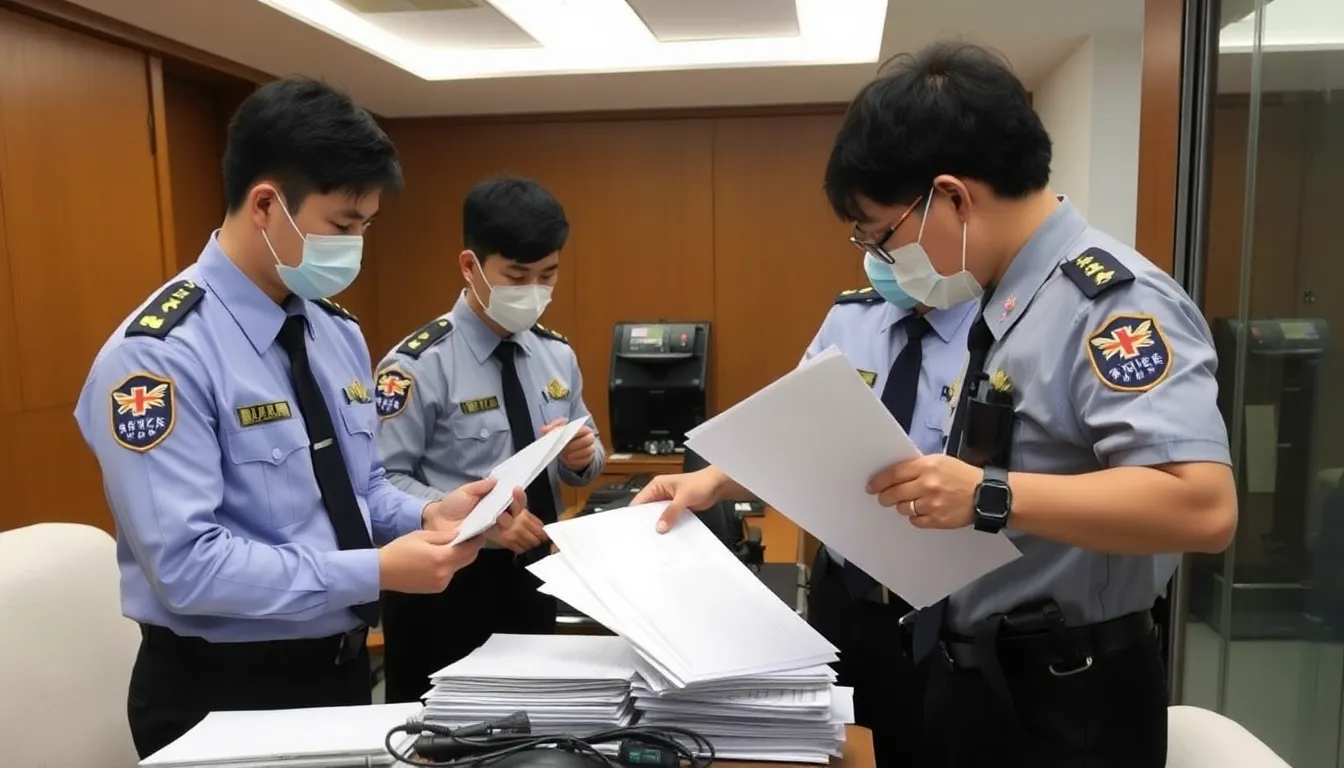
The police are focusing on potential negligence and regulatory failures within the transport ministry that may have contributed to the crash. Investigators are examining whether proper safety protocols were followed and if there were any lapses in oversight regarding Jeju Air’s operations.
Officials from the transport ministry have stated their commitment to cooperating fully with the investigation. The raid underscores the seriousness of the situation and the government’s intention to address any systemic issues that could jeopardize air travel safety in South Korea.
This investigation comes at a time when public trust in aviation safety is critical, especially following several high-profile incidents in recent years. As authorities continue to gather evidence, the outcome of this inquiry could have significant implications for the airline industry and regulatory practices in the country.
Understanding the circumstances surrounding the Jeju Air crash
The recent police raid on South Korea’s transport ministry reflects growing concerns over aviation safety and regulatory oversight in the wake of the Jeju Air crash. This incident has not only raised questions about the specific circumstances of the crash but also highlighted broader issues related to the country’s aviation industry and its regulatory framework, which has been under investigation since the incident.
Historically, South Korea’s aviation sector has experienced rapid growth, particularly since the early 2000s, when budget airlines began to emerge. Jeju Air, established in 2005, became a significant player in this market, catering to both domestic and international travelers. However, this growth has often been accompanied by challenges related to safety standards and regulatory compliance, as the industry has struggled to keep pace with its expansion.
In recent years, there have been several incidents involving South Korean airlines that have raised alarms about safety protocols. These events have prompted calls for stricter regulations and more rigorous oversight from the government. The Jeju Air crash, which occurred under controversial circumstances, has intensified scrutiny on the transport ministry, leading to the current investigation and police involvement.
Previous Aviation Incidents and Regulatory Responses
Past aviation incidents in South Korea, such as the Asiana Airlines crash in 2014, have led to significant changes in aviation regulations and safety protocols. Following these events, the government implemented various reforms aimed at enhancing safety measures. However, critics argue that these reforms have not been effectively enforced, allowing complacency to creep into the industry. The Jeju Air crash serves as a stark reminder of the potential consequences of insufficient regulatory oversight.
Examining the stakeholders involved in the Jeju Air crash investigation
The recent police raid on South Korea’s transport ministry in connection with the Jeju Air crash has brought several key stakeholders into the spotlight. These include government agencies, airline representatives, and the families of the victims. Each of these groups has distinct interests and concerns that are influencing the ongoing investigation.
Firstly, the South Korean government, particularly the Ministry of Land, Infrastructure and Transport, is under scrutiny as it faces questions about regulatory oversight and safety protocols within the aviation sector. The ministry’s interests lie in maintaining public confidence in air travel and ensuring that any lapses in safety are addressed promptly to avoid future incidents.
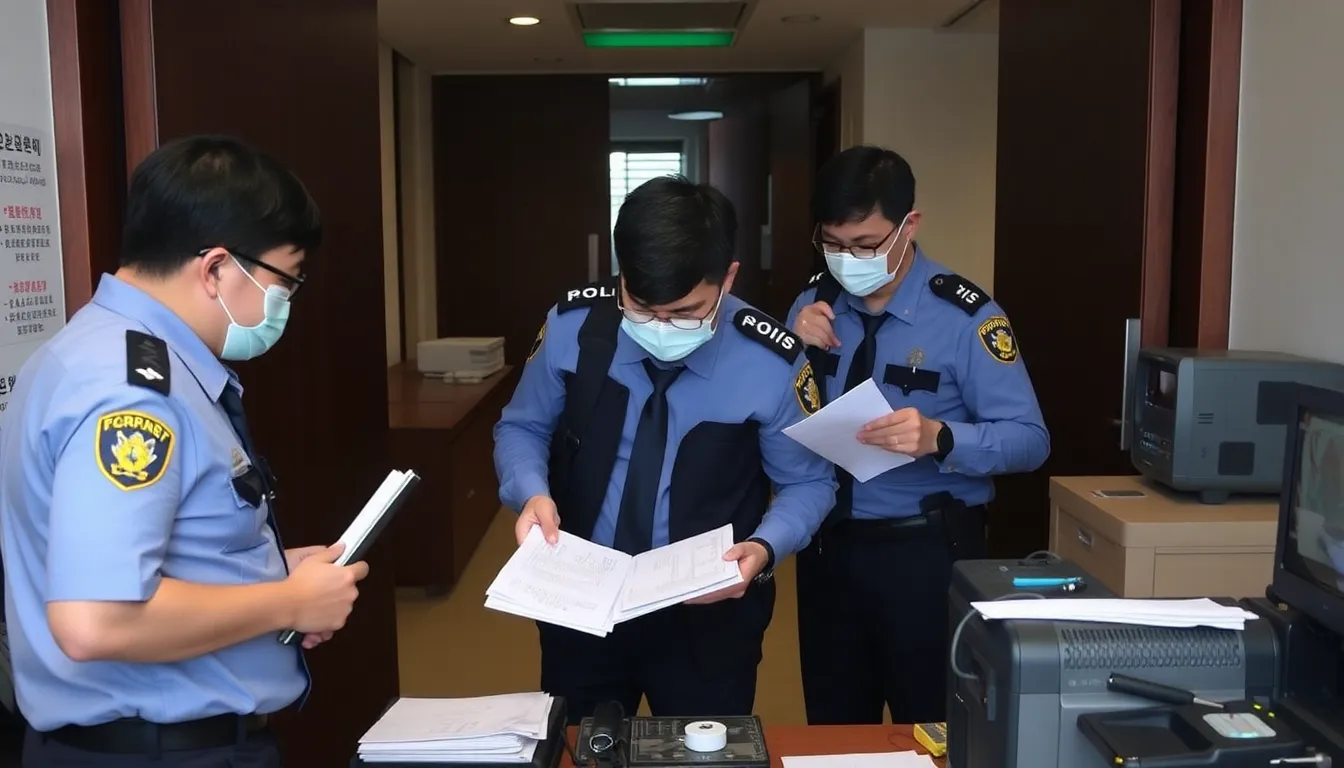
On the other hand, Jeju Air, as the airline involved, has a vested interest in protecting its reputation and operational integrity. The airline’s management is likely focused on cooperating with the investigation while also mitigating any potential legal or financial repercussions stemming from the crash. This situation creates a tension between transparency and self-preservation.
Families of the crash victims represent another critical stakeholder group. Their primary interest is accountability and justice for their loved ones. They are likely advocating for thorough investigations and possible changes in regulations to enhance safety, which may conflict with the interests of both the government and the airline.
- Government accountability: Ensuring that regulatory bodies are held responsible for any oversight in safety measures.
- Airline reputation: Balancing the need for transparency with the desire to protect the company’s image and financial stability.
- Victim advocacy: Families pushing for justice and safety reforms, potentially leading to legal challenges against the airline or government.
- Public safety: A collective interest in ensuring that aviation safety standards are upheld to prevent future tragedies.
- Economic implications: The potential impact on the airline industry and tourism in South Korea, which may be affected by public perception following the crash.
Implications of the raid for aviation safety and public trust
The recent police raid on South Korea’s transport ministry in connection with the Jeju Air crash has significant implications for various stakeholders in the aviation sector. Key groups affected include airline companies, regulatory bodies, and the traveling public. The incident raises concerns about oversight and accountability within the aviation industry, which could lead to broader scrutiny of safety protocols and regulatory compliance.
In the short term, the raid may disrupt operations within the transport ministry, potentially delaying regulatory approvals and safety inspections. Airlines, particularly those operating in and out of Jeju, could face increased operational challenges as they navigate heightened scrutiny. Travelers may experience anxiety regarding flight safety, which could impact their travel decisions and overall public confidence in the aviation sector.
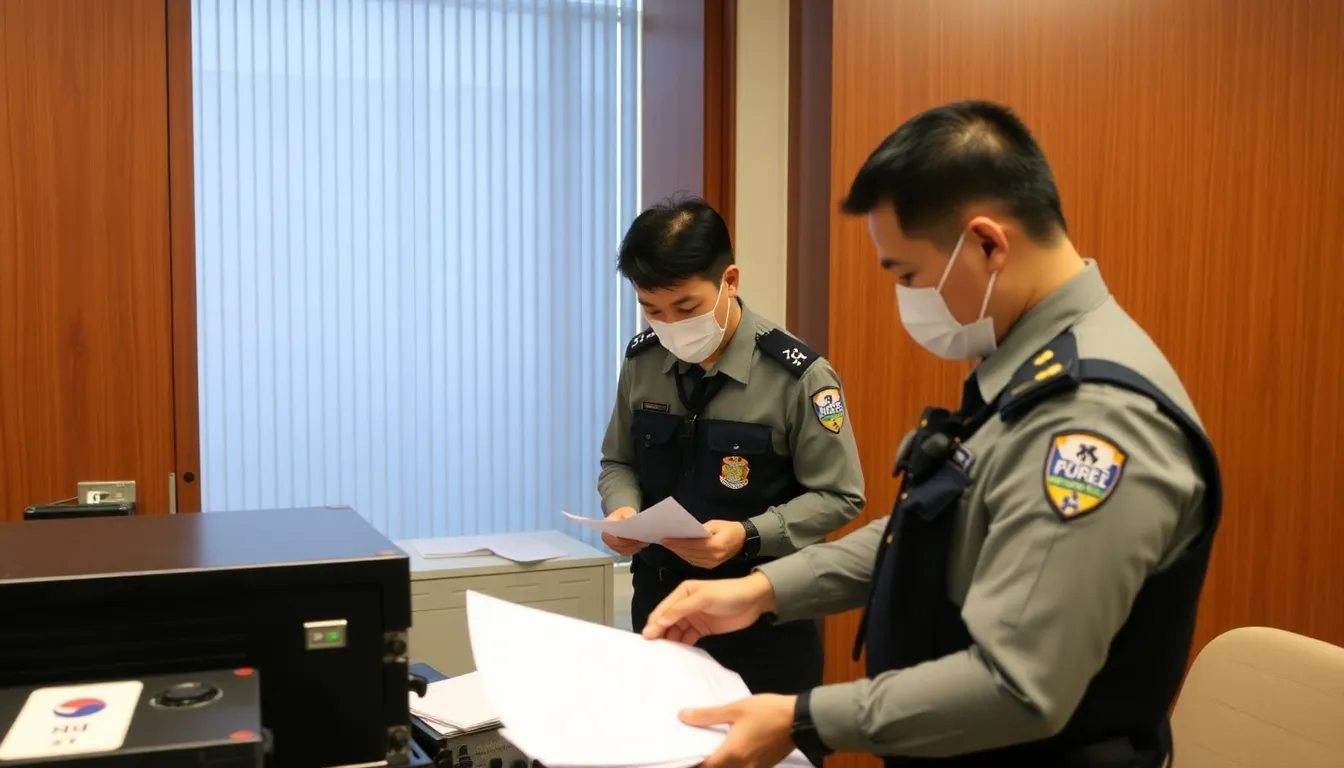
In the mid-term, the investigation may prompt policy changes aimed at enhancing aviation safety standards. This could result in stricter regulations and more rigorous oversight of airline operations. While these changes may initially create a burden for airlines, they could also lead to improved safety records and a stronger reputation for the industry as a whole.
- Risks: Increased operational disruptions for airlines, potential loss of public trust, and possible financial repercussions for the aviation sector.
- Opportunities: Potential for enhanced safety standards, improved regulatory frameworks, and a chance for airlines to rebuild consumer confidence through transparency.
Regions heavily reliant on tourism, such as Jeju Island, may also feel the economic impact of this incident. A decline in travel confidence could lead to decreased tourist arrivals, affecting local businesses and the overall economy. However, if the investigation leads to substantial improvements in safety, it may ultimately benefit the region by fostering a more secure travel environment.
A: The police raid was initiated as part of an ongoing investigation into the circumstances surrounding the recent Jeju Air crash, aiming to uncover any regulatory failures. A: The main concerns include potential lapses in regulatory oversight, maintenance practices, and the overall safety protocols followed by airlines. A: The public has expressed significant concern over aviation safety, demanding more transparency and accountability from regulatory bodies and airlines. A: The government may implement stricter regulations and oversight measures to enhance aviation safety and restore public confidence in the airline industry. A: Depending on the findings of the investigation, there could be legal ramifications for officials if negligence or misconduct is determined.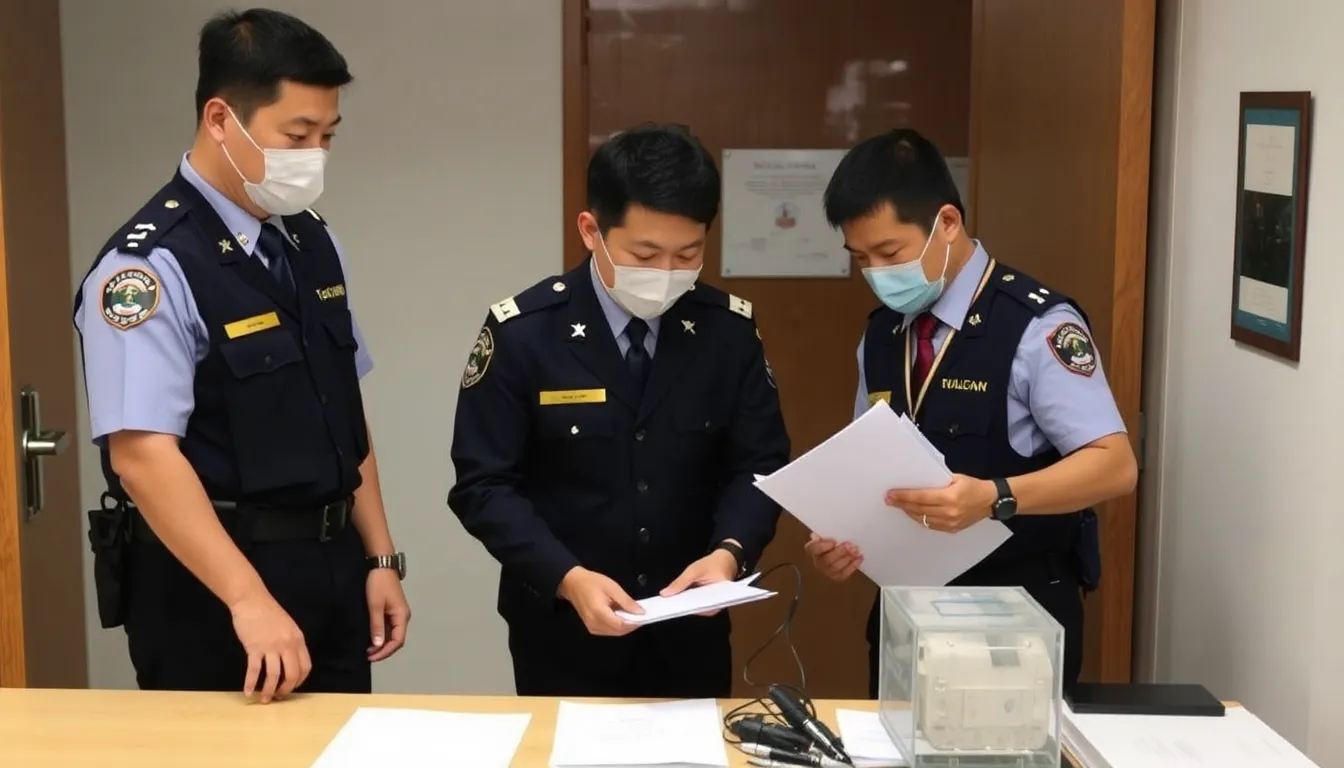
Frequently asked questions about the Jeju Air crash investigation
Key takeaways and future outlook on aviation safety in South Korea
The recent police raid on the transport ministry highlights the increasing scrutiny surrounding aviation safety regulations in South Korea, particularly in the wake of the Jeju Air crash. This incident has raised questions about the effectiveness of current oversight mechanisms and the need for enhanced accountability within the aviation sector. As investigations unfold, it is crucial to consider the broader implications for air travel safety and regulatory practices in the country.
Moving forward, stakeholders in the aviation industry, including regulatory bodies, airlines, and the government, must prioritize safety and transparency to restore public confidence. The outcome of this investigation could lead to significant changes in policies and practices that govern air travel in South Korea.
- Increased regulatory scrutiny may lead to stricter safety protocols for airlines operating in South Korea.
- Potential reforms in the transport ministry could enhance accountability and oversight in aviation safety.
- Public demand for transparency may drive airlines to adopt more rigorous safety measures and communication strategies.
- Future incidents could prompt a reevaluation of training and certification processes for airline personnel.
- Collaboration between government agencies and the aviation industry may be essential to foster a culture of safety and prevent future accidents.