
The toys, designed to enhance playtime and learning experiences, utilize facial recognition and voice analysis technologies. However, the research indicates that these systems frequently fail to recognize subtle emotional expressions, instead offering generic or even contradictory reactions that may not align with a child’s feelings.
Experts argue that the implications of these misinterpretations are significant, as they may hinder emotional development in children. Misguided interactions with AI toys could lead to misunderstandings about social cues, potentially affecting how children relate to peers and adults in real-life situations.
As the market for AI toys continues to expand, with sales projected to reach $2 billion by 2025, the urgency for manufacturers to address these concerns has increased. Researchers are calling for enhanced testing and regulatory measures to ensure that these products genuinely support children’s emotional and social growth.
Recommended Articles
- Amazon's commitment to AI despite productivity concerns
- Burger King introduces AI headsets to monitor employee friendliness
- Qantas agrees to pay m over Covid-19 travel voucher refunds
- V.A. Launches Initiative to Place Homeless Veterans Under Guardianship
- Essex girl proves stereotypes wrong as a successful spacecraft engineer
- Amazon's commitment to AI despite productivity concerns
- Burger King introduces AI headsets to monitor employee friendliness
- Qantas agrees to pay m over Covid-19 travel voucher refunds
- V.A. Launches Initiative to Place Homeless Veterans Under Guardianship
- Essex girl proves stereotypes wrong as a successful spacecraft engineer
Understanding the rise of AI toys in children’s markets
The advent of artificial intelligence (AI) has significantly transformed various industries, with the toy market being no exception. Over the past two decades, advancements in technology have led to the development of interactive toys that can learn from and adapt to children’s behaviors. This shift has been fueled by an increasing demand for educational and engaging play experiences that promote cognitive and emotional development in young users.
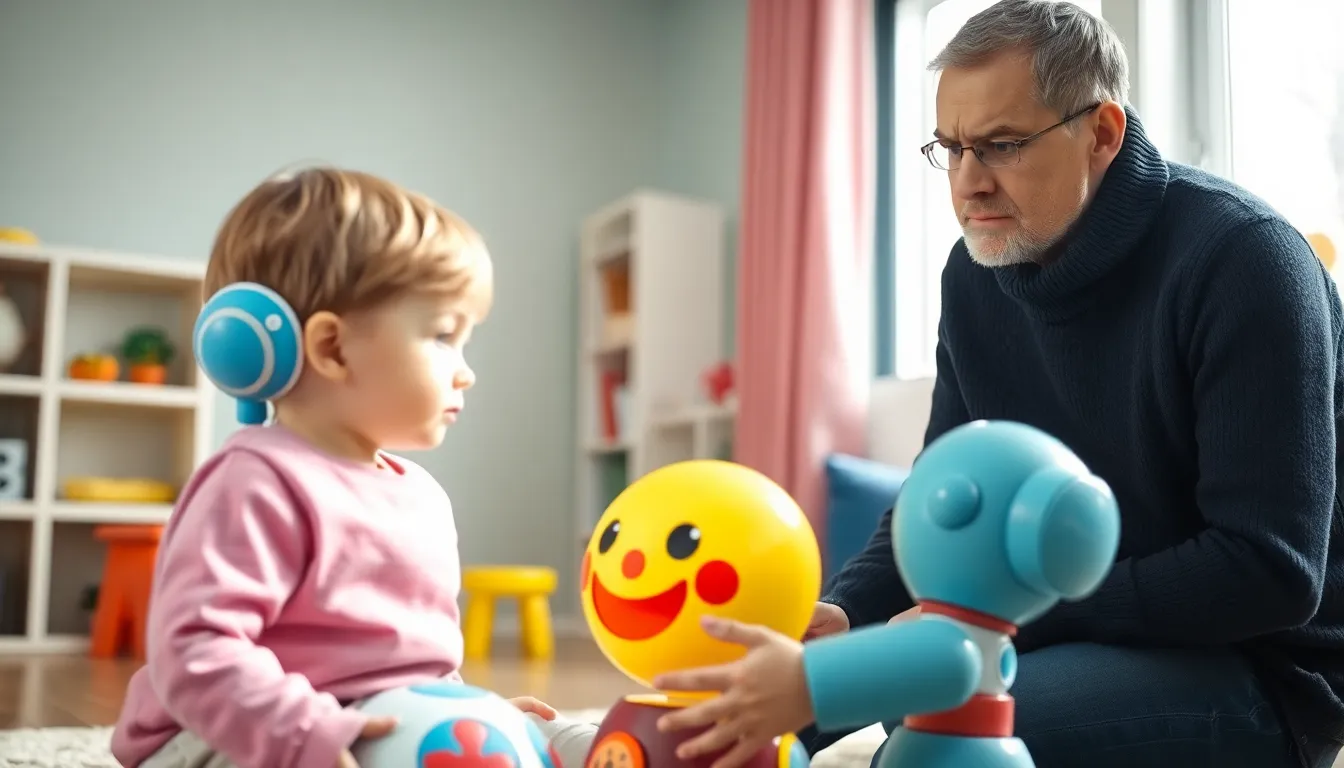
Historically, toys have evolved from simple, static objects to complex, interactive systems. The introduction of digital technology in the late 20th century marked the beginning of a new era in play. By the early 2000s, companies began integrating basic AI functionalities into toys, allowing them to respond to voice commands and engage in simple conversations. This trend accelerated with the rise of smartphones and tablets, which provided a platform for more sophisticated interactions.
The commercialization of emotional AI
In recent years, the commercialization of emotional AI has taken center stage, with manufacturers claiming that their products can understand and respond to a child’s emotions. These toys are marketed as companions that can provide comfort and support, creating an illusion of emotional intelligence. However, researchers have raised concerns about the accuracy of these emotional readings, warning that misinterpretations can lead to inappropriate responses, potentially affecting a child’s emotional development.
The economic landscape also plays a crucial role in this phenomenon. The global toy market has seen a surge in competition, prompting companies to innovate rapidly to capture consumer interest. As a result, many manufacturers prioritize speed to market over thorough testing and ethical considerations, leading to products that may not fully understand the complexities of human emotions.
As AI toys continue to proliferate in the market, the implications of their use are becoming increasingly apparent. Researchers emphasize the need for regulatory frameworks and ethical guidelines to ensure that these products are safe and beneficial for children. The intersection of technology, child development, and consumerism presents a complex challenge that society must navigate as it embraces the future of play.
Key issues surrounding emotional responses in AI toys
The emergence of AI toys designed to interact with children has sparked significant debate among various stakeholders, including parents, educators, toy manufacturers, and regulatory bodies. Each group has distinct interests that shape their perspectives on the implications of these technologies. For instance, parents seek toys that promote healthy emotional development, while manufacturers aim to innovate and capture market share in a competitive landscape.
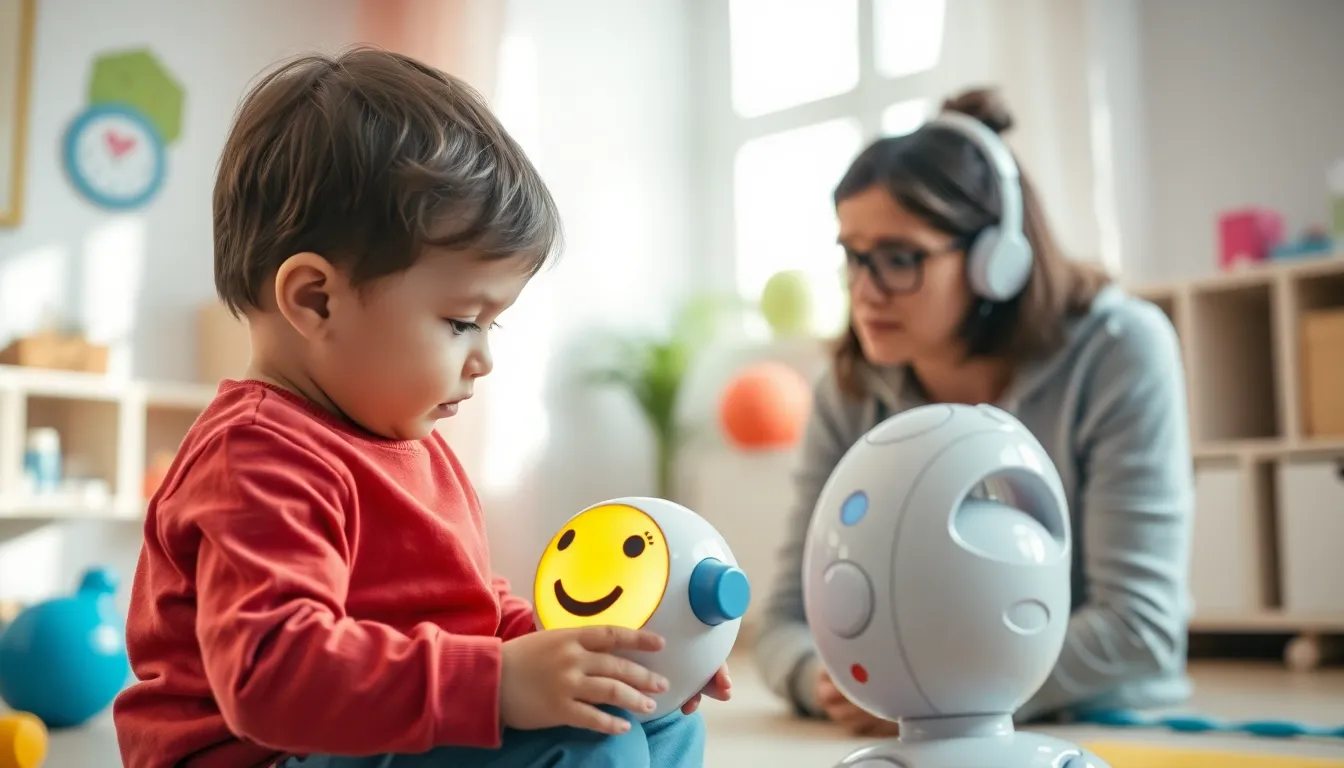
One of the primary concerns is the potential for AI toys to misinterpret children’s emotions, leading to inappropriate responses. This misalignment can result in negative experiences for children, who may feel misunderstood or frustrated. Educators and child psychologists emphasize the importance of accurate emotional recognition in fostering healthy emotional intelligence, raising alarms about the long-term impact on child development.
Legal and ethical considerations also come into play, particularly regarding data privacy and the regulation of AI technologies. As AI toys collect data to personalize interactions, questions arise about how this information is used and stored. Parents and advocacy groups are increasingly calling for stricter regulations to ensure that children’s data is protected and that AI systems are held accountable for their actions.
Additionally, there are economic implications tied to the production and sale of AI toys. Companies investing in advanced emotional recognition technologies may face significant costs, which could be passed on to consumers. This raises concerns about accessibility, as not all families may afford these innovative products, potentially widening the gap in educational and emotional resources available to children.
- Misinterpretation of emotions leading to inappropriate interactions.
- Concerns over data privacy and ethical use of children’s information.
- Regulatory challenges in ensuring safe and responsible AI development.
- Economic barriers affecting accessibility to advanced AI toys.
- The potential impact on children’s emotional intelligence and development.
Potential effects on children’s emotional development and safety
The introduction of AI toys designed for children has raised significant concerns among parents, educators, and child development experts. These toys, which are intended to engage children through interactive play, have been found to misinterpret emotional cues, leading to inappropriate responses. As a result, children may not only experience confusion in their interactions but also develop skewed perceptions of social cues and emotional intelligence.
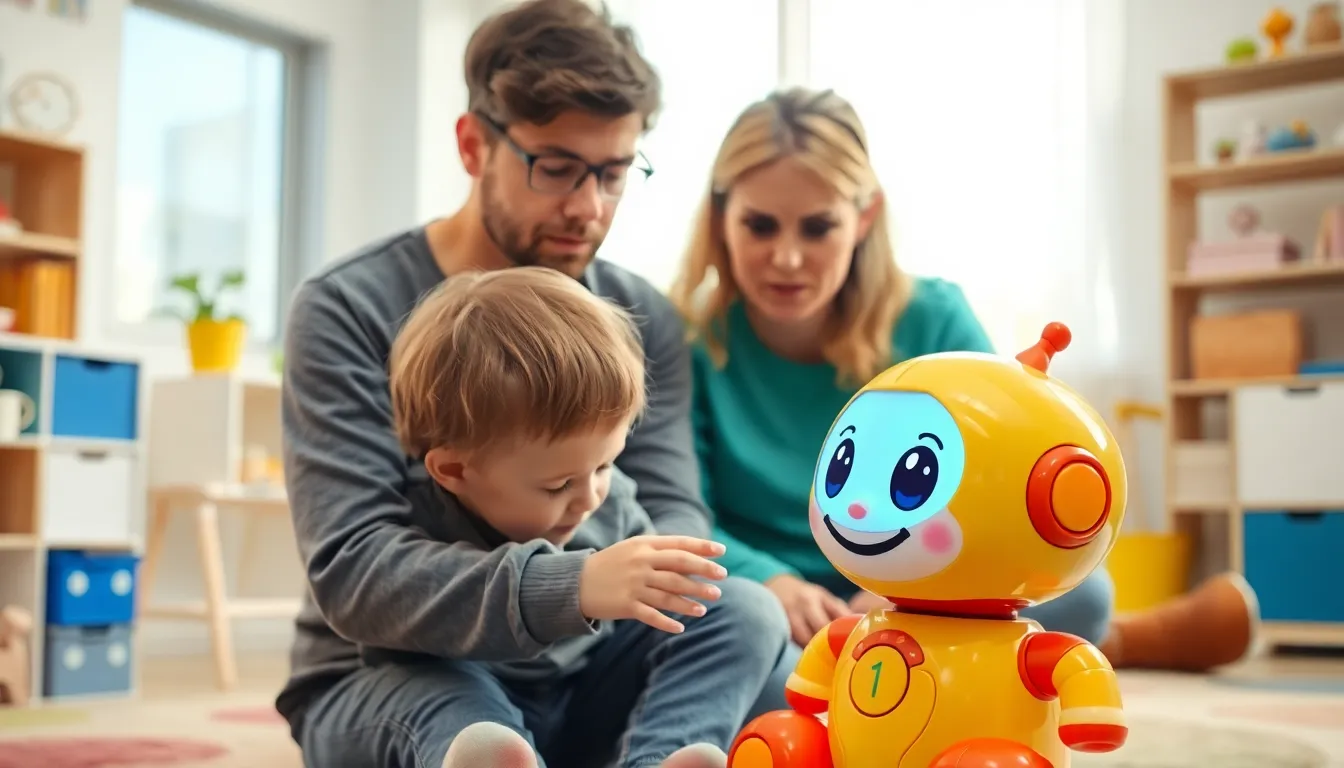
Various groups are affected by this issue, including parents, educators, and manufacturers of AI toys. Parents may find themselves questioning the suitability of these products for their children, while educators could see an impact on classroom dynamics if children become reliant on AI toys for emotional interaction. Additionally, manufacturers face potential backlash and regulatory scrutiny, which could reshape their product development strategies.
In the short term, the misreading of emotions by AI toys can lead to a decrease in children’s trust in technology, as they may feel misunderstood or frustrated. As children engage with these toys, they might struggle to differentiate between artificial and genuine emotional responses. In the mid-term, this could result in a broader societal impact, where children grow up with diminished interpersonal skills and emotional awareness, affecting their relationships and communication abilities.
- Risks: Emotional confusion, reliance on technology for social interaction, diminished interpersonal skills.
- Opportunities: Increased demand for better-designed AI products, potential for new educational tools that foster emotional intelligence.
As the market for AI toys continues to grow, manufacturers have the opportunity to innovate and create products that prioritize emotional accuracy and child safety. By addressing these concerns proactively, companies can not only enhance their reputations but also contribute positively to children’s emotional development. This could lead to a new wave of toys that not only entertain but also educate and nurture emotional skills.
A: AI toys are interactive devices designed to engage children using artificial intelligence. They analyze children’s emotions through voice and facial recognition to respond accordingly. A: Misreading emotions can lead to inappropriate responses, which may confuse children and hinder their emotional development. This can also affect their social interactions. A: Parents should evaluate the toy’s emotional recognition capabilities and ensure it promotes healthy emotional interactions. Researching reviews and expert opinions can also help. A: Currently, regulations are limited, but there is a growing call for guidelines to ensure safety and emotional appropriateness in AI toys for children. A: Developers can enhance AI algorithms to better understand and interpret children’s emotions accurately, ensuring more appropriate responses.
Frequently asked questions about AI toys and emotions
Insights on the future of AI toys and emotional intelligence
The integration of AI in children’s toys presents both opportunities and challenges, particularly in the realm of emotional intelligence. As researchers highlight the potential for these toys to misinterpret children’s emotions, it becomes crucial for developers and parents to understand the implications of such technology. The future of AI toys should prioritize not only engagement but also the accurate recognition and appropriate response to a child’s emotional state.
As AI continues to evolve, the importance of emotional intelligence in these devices cannot be overstated. Stakeholders must remain vigilant about the limitations of current technology and work towards solutions that enhance the emotional learning experience for children. This will ensure that AI toys serve as supportive companions rather than sources of confusion or distress.
- Monitor emotional responses: Parents should observe how AI toys interact with their children to ensure that emotional misinterpretations do not lead to negative experiences.
- Advocate for transparency: Developers must provide clear information on how AI toys interpret emotions, enabling parents to make informed choices.
- Encourage emotional literacy: Incorporating discussions about emotions into playtime can help children navigate their feelings, complementing the AI’s capabilities.
- Support ongoing research: Continued studies on the emotional intelligence of AI toys are essential to improve their design and functionality.
- Promote ethical AI development: Stakeholders should prioritize ethical considerations in the design of AI toys to ensure that they enhance, rather than hinder, emotional development.