
This incident has drawn significant media attention and sparked discussions about the safety of public officials in India.
Authorities have launched an investigation into the motive behind the attack and whether it was politically motivated. This event comes amidst a backdrop of increasing tensions in Indian politics, as various parties gear up for the upcoming elections. The incident underscores the potential risks faced by politicians and the need for enhanced security protocols.
As the nation prepares for a crucial electoral cycle, the safety of candidates and their supporters remains a pressing concern, similar to the dynamics observed when political figures face threats worldwide.
Understanding the political climate in India
The political landscape in India has been shaped by a complex interplay of historical events, social dynamics, and economic challenges. With a diverse population of over 1.4 billion, the country has witnessed numerous shifts in power, ideologies, and governance styles since gaining independence from British rule in 1947. The rise of regional parties, coupled with the dominance of national parties like the Bharatiya Janata Party (BJP) and the Indian National Congress (INC), has created a multifaceted political environment that is often marked by intense rivalry and polarization.
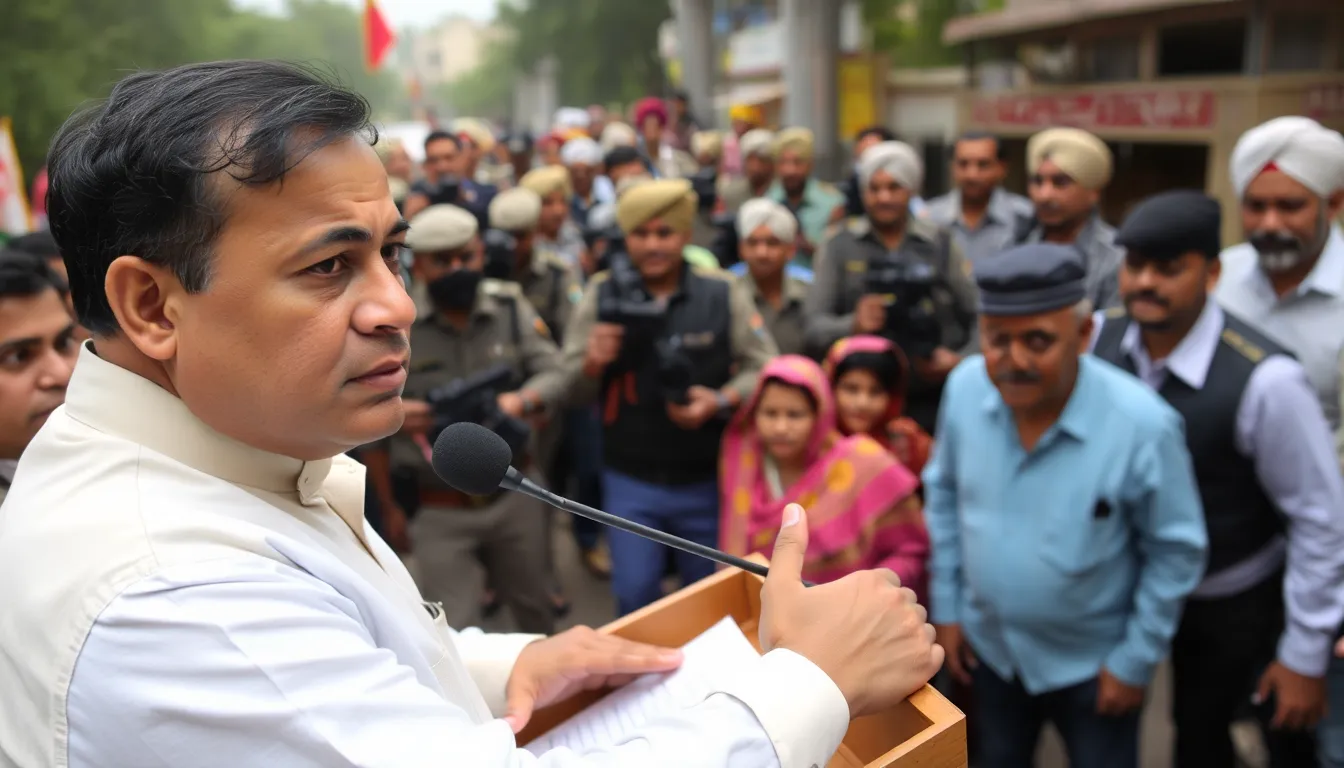
The increasing influence of social media has played a significant role in shaping public opinion, much like how various societal issues have mobilized support, leading to a rise in populism.
Historical Context of Political Violence
Political violence in India is not a new phenomenon; it has deep historical roots that trace back to colonial times. The struggle for independence was fraught with violence, and post-independence, political assassinations and riots have periodically erupted, often ignited by communal tensions or power struggles. The assassination of prominent leaders, such as Mahatma Gandhi in 1948 and more recently, the assassination of Punjab Chief Minister Beant Singh in 1995, underscores the risks faced by politicians in a charged political atmosphere.
In the current context, the incident involving a point-blank gunshot missing an Indian politician highlights the escalating nature of political violence. This incident is emblematic of a broader trend where political figures are increasingly targeted, reflecting not only personal vendettas but also the larger societal fractures that fuel such acts. Understanding the motivations behind these violent acts is crucial for addressing the underlying issues that contribute to political instability in the country.
As India approaches critical elections, the stakes are high, and the potential for violence remains a pressing concern. The interplay of historical grievances, social divisions, and economic disparities continues to shape the political discourse, making it imperative for stakeholders to engage in dialogue and seek solutions that promote peace and stability.
Examining the implications for political safety and security
The recent incident involving a point-blank gunshot that narrowly missed an Indian politician has raised significant concerns regarding the safety and security of public figures in the country. This event not only highlights the immediate threat to individual politicians but also reflects broader societal issues related to political violence and public safety.
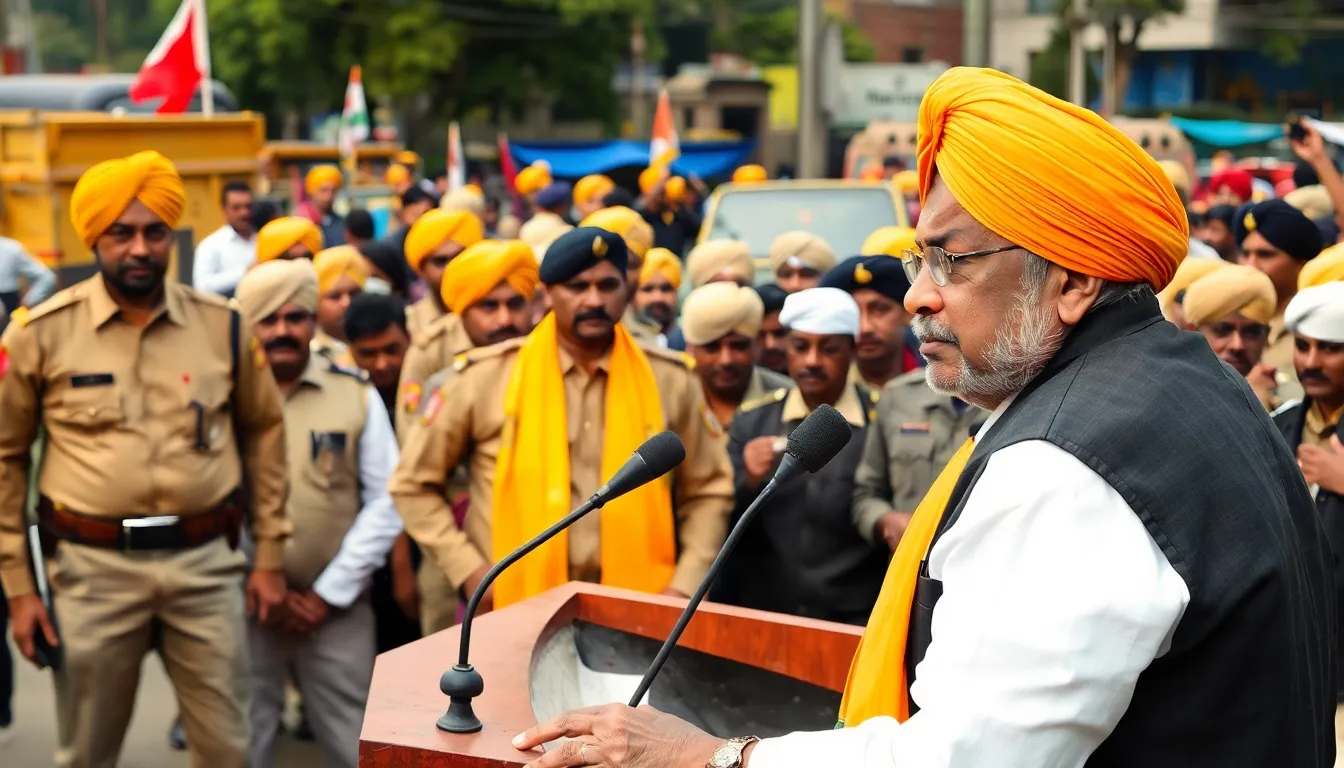
Key actors in this scenario include the Indian government, law enforcement agencies, political parties, and civil society organizations. Each of these stakeholders has distinct interests at play. The government aims to ensure the safety of its officials while maintaining public order, whereas political parties are concerned about their members’ security and the potential impact on their electoral prospects. Civil society organizations often advocate for greater accountability and transparency in how such incidents are handled.
Several conflicts and trade-offs arise from this situation. For instance, the need for enhanced security measures may conflict with the public’s right to access politicians and engage with them freely. Additionally, there are legal implications regarding the enforcement of laws related to political violence, which may require a reevaluation of existing legislation and law enforcement practices.
- Escalation of Political Violence: The incident may encourage further acts of violence against politicians, leading to a cycle of fear and retaliation.
- Public Trust in Government: How the government responds will significantly influence public trust and perceptions of safety.
- Impact on Political Campaigns: Increased security concerns may alter the dynamics of political campaigning and voter engagement.
- Legal Reforms: There may be calls for reforms to enhance legal protections for politicians and stricter penalties for those who threaten them.
- Media Coverage and Public Perception: The media’s portrayal of the incident can shape public attitudes towards political safety and security measures.
In conclusion, this incident serves as a critical reminder of the vulnerabilities faced by political figures in India and the urgent need for a comprehensive approach to ensure their safety while balancing the democratic principles of accessibility and engagement.
Potential effects on public perception and political stability
The recent incident involving a point-blank gunshot that narrowly missed an Indian politician has far-reaching implications for various groups and sectors within the country. Political figures, law enforcement agencies, and the general public are all affected, with potential changes in how security measures are perceived and implemented.
In the short term, this event may lead to heightened anxiety among political leaders and their constituents, resulting in increased security protocols at public events and gatherings. The immediate response from law enforcement will likely include a review of existing security measures, which could strain resources and lead to a temporary disruption in political activities and public engagements.
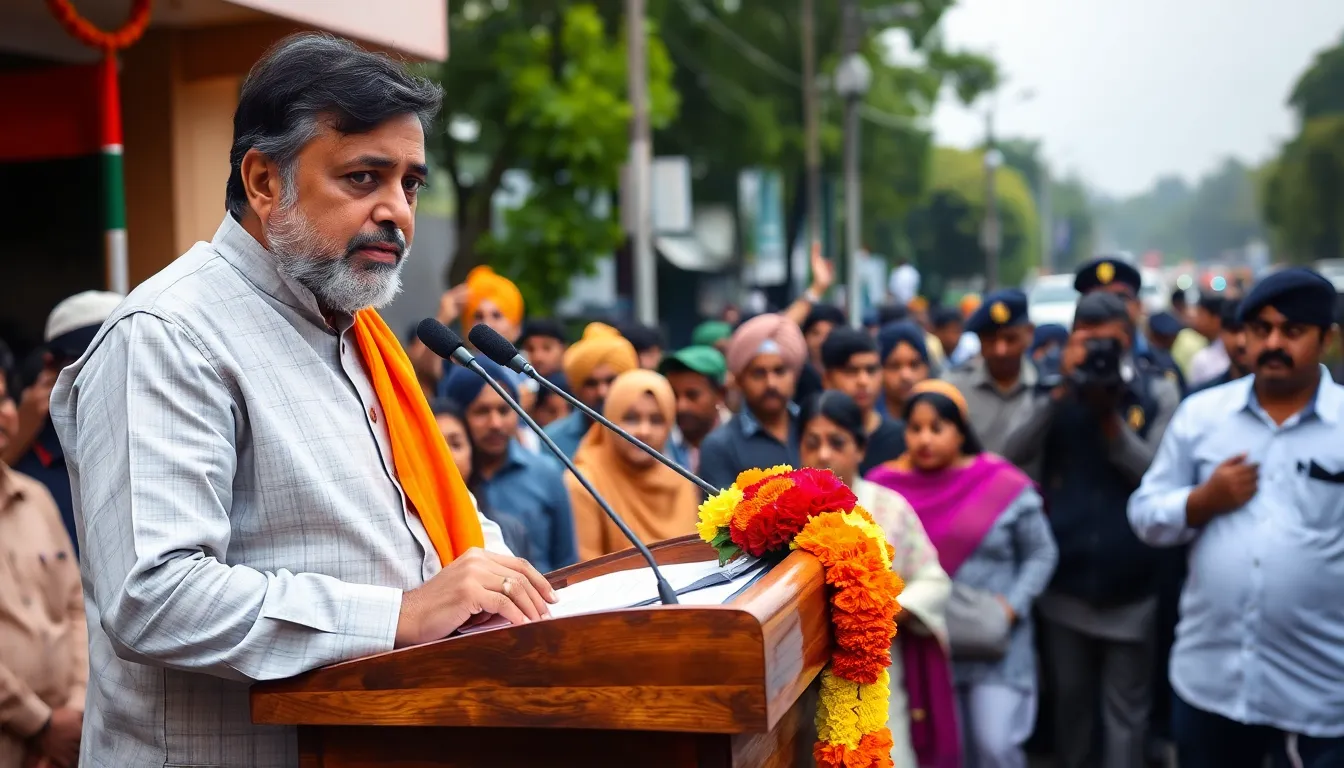
Mid-term impacts may involve shifts in public opinion regarding political safety and the effectiveness of current governance. Citizens may demand more robust protection for their leaders, potentially leading to policy changes that allocate more funding towards security infrastructure. Additionally, the incident could influence voter sentiment, as people reassess the stability of their political environment.
- Increased security measures: Political events may become more restricted, impacting public access.
- Public anxiety: Heightened fears could affect voter behavior and engagement.
- Policy changes: Potential reforms in security protocols may emerge.
- Economic impact: Businesses associated with political events may experience fluctuations in attendance and revenue.
While risks abound in terms of public safety and political stability, opportunities may also arise. Enhanced security solutions could lead to growth in sectors related to surveillance technology and personal protection services. Additionally, a collective response to the incident may foster a renewed sense of community and civic responsibility, encouraging greater public participation in political discourse and decision-making processes.
A: The video shows a gunman firing at an Indian politician at close range, but the shot misses. This shocking moment has raised significant concerns about the safety of politicians in the country. A: The politician involved in the incident is a prominent figure in Indian politics, known for their controversial stance on various issues. A: In light of this incident, authorities are reviewing security protocols and may increase protection for politicians, especially those facing threats. A: Public reaction has been one of shock and outrage, with many calling for stronger measures to protect political figures and ensure public safety. A: Yes, India has witnessed several incidents of violence against politicians in the past, raising ongoing concerns about political safety.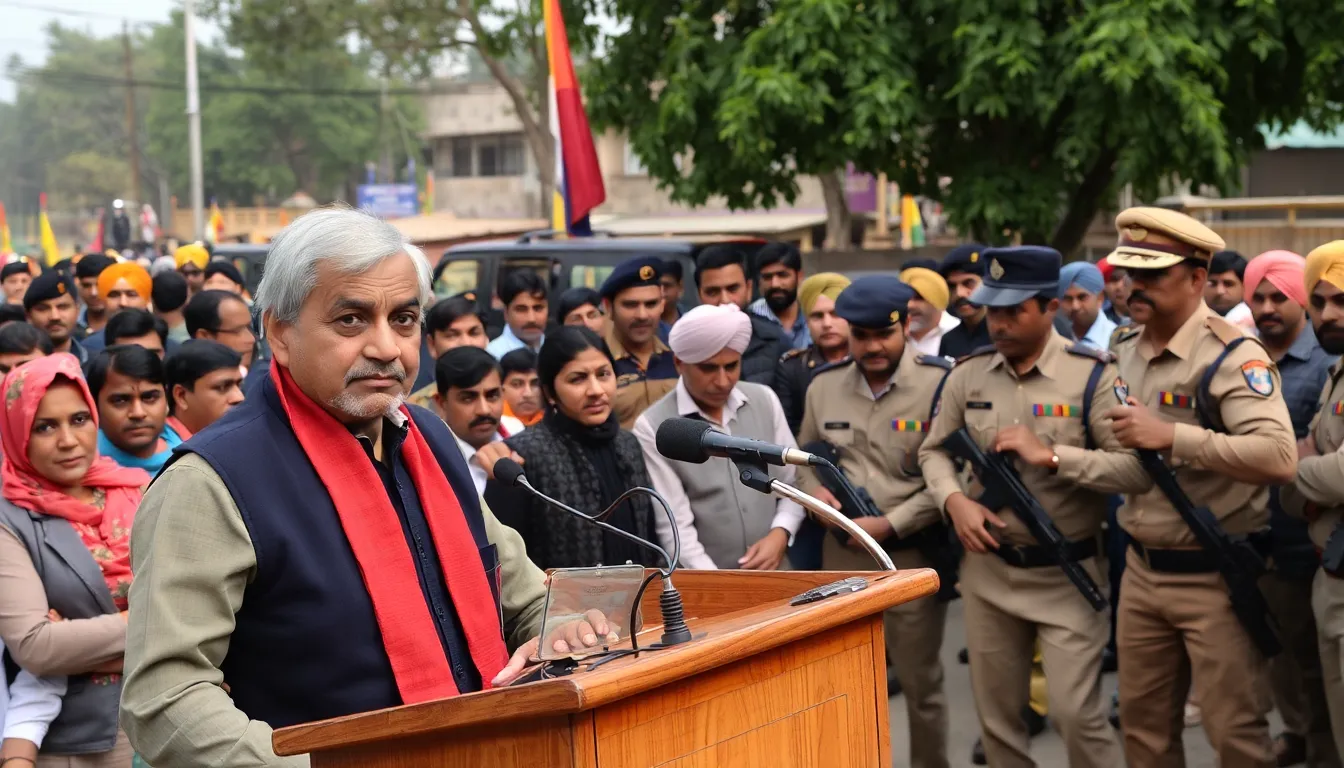
Frequently asked questions about the incident
Key takeaways and future implications for Indian politics
The recent incident involving a point-blank gunshot that narrowly missed an Indian politician has raised significant concerns regarding political violence and the safety of public figures in India. As the nation grapples with rising tensions and polarized sentiments, this event serves as a stark reminder of the vulnerabilities faced by politicians and the potential for escalation in politically charged environments.
Moving forward, it will be crucial to monitor the responses from law enforcement and political parties, as well as the societal implications of such acts of violence. Ensuring the safety of politicians may require a reevaluation of security measures and a commitment to addressing the root causes of political unrest.
- Increased security measures: Expect heightened security protocols for politicians, particularly in regions experiencing political unrest.
- Political accountability: The incident may prompt calls for greater accountability among political leaders to address the underlying issues contributing to violence.
- Public discourse shift: This event could lead to a shift in public discourse, emphasizing the need for peaceful political engagement and dialogue.
- Impact on voter sentiment: The safety of politicians might influence voter sentiment, potentially affecting upcoming elections and party dynamics.
- Media scrutiny: Increased media attention on political violence may lead to more comprehensive coverage of the safety challenges faced by public figures.