
One of the central topics addressed during the meeting was China’s economic recovery post-COVID-19. Delegates emphasized the need for sustainable growth amidst global economic uncertainties, highlighting the importance of innovation and technological advancement to maintain competitiveness on the world stage. For further insights, you can read about Carney’s warnings on the global order.
Additionally, the meeting underscored the Party’s commitment to national security and sovereignty, particularly concerning Taiwan and territorial disputes in the South China Sea. The leadership reiterated its stance on these issues, signaling a continuation of assertive foreign policy approaches that have characterized recent years. This is especially relevant as discussed in the impact of the Iran war on China’s ambitions.
The Congress also focused on social policies, including poverty alleviation, environmental protection, and healthcare reforms. These discussions reflect the government’s intention to address domestic challenges while ensuring stability and social harmony within the country.
Overall, the outcomes of this political meeting are crucial as they will shape China’s domestic and international strategies, impacting not only its citizens but also global relations and economic dynamics in the coming years. Such shifts are vital as highlighted by recent events and performances in the public sphere.
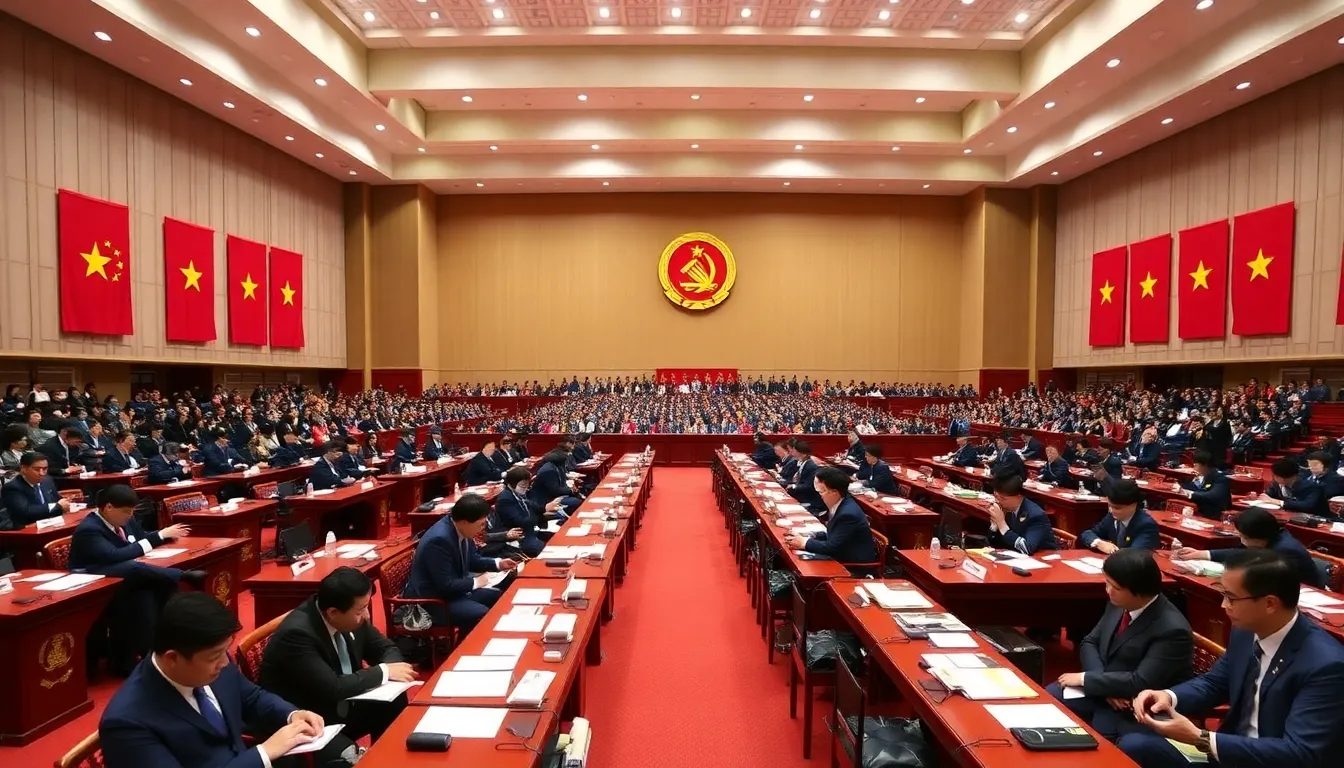
Historical context of China’s political gatherings
China’s political landscape has been shaped by a series of significant gatherings that have played a crucial role in determining the country’s direction. The most notable of these is the National Congress of the Communist Party of China (CPC), which occurs every five years. This congress serves as a platform for the party to review its achievements, set future policies, and elect new leadership. The first National Congress was held in 1921, marking the beginning of the CPC’s formal political journey.
Over the decades, these political gatherings have evolved, reflecting the changing dynamics within the party and the country. The landmark 11th National Congress in 1977 was particularly significant as it marked the beginning of reforms under Deng Xiaoping, steering China towards a market-oriented economy. This shift not only transformed China’s economic landscape but also altered the political fabric, leading to a more pragmatic approach in governance.
In recent years, the frequency and intensity of these gatherings have increased, especially with the rise of Xi Jinping. His tenure has seen a consolidation of power, with the 19th National Congress in 2017 highlighting the importance of the “Chinese Dream” and the push for a more assertive global role. This meeting underscored the CPC’s commitment to its core socialist values while adapting to contemporary challenges.
Key milestones in China’s political evolution
Several key milestones have marked China’s political evolution, including the Tiananmen Square protests in 1989, which brought international attention to issues of governance and human rights. The aftermath of these protests reinforced the CPC’s resolve to maintain strict control over political discourse. Additionally, China’s accession to the World Trade Organization in 2001 signified its integration into the global economy, further influencing domestic policies and political gatherings.
These historical contexts provide essential insights into the current political climate in China, illustrating how past events have shaped contemporary governance and the significance of recent political meetings in addressing both internal and external challenges.
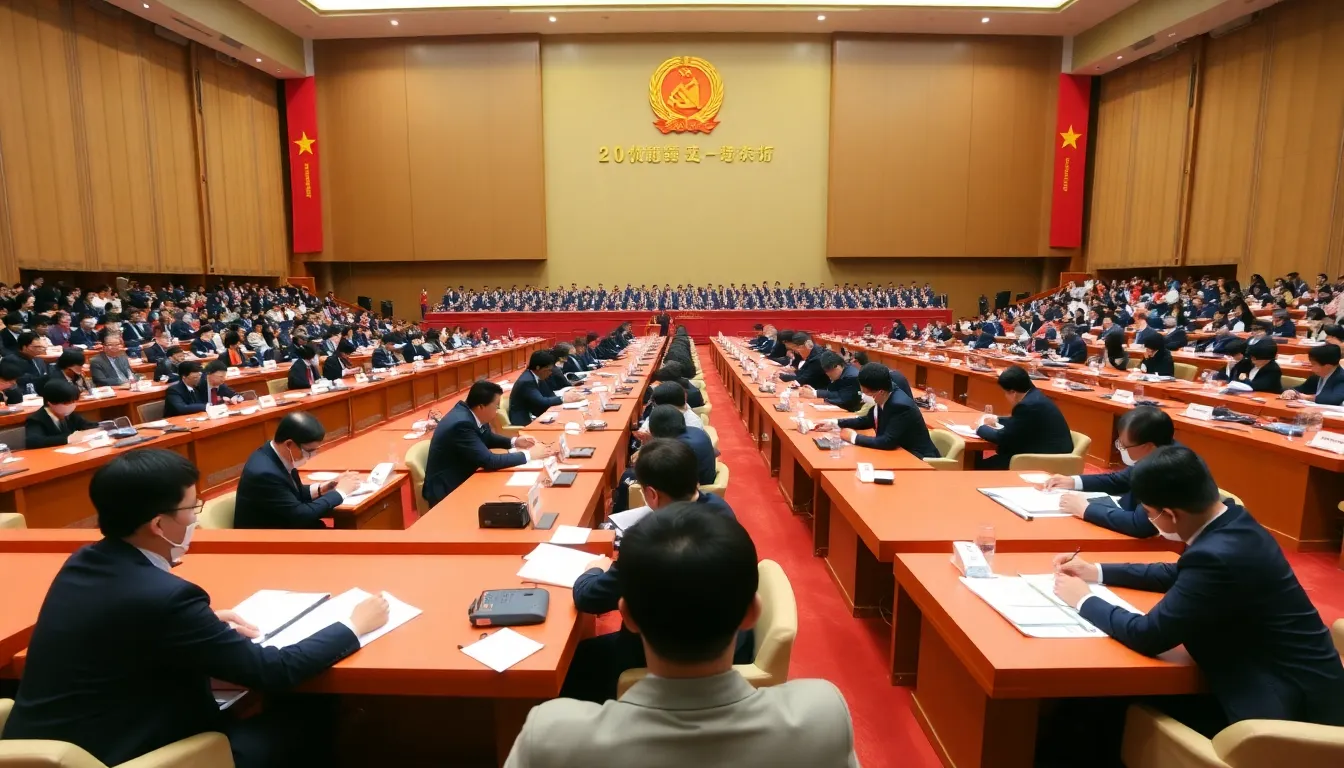
Key stakeholders and issues addressed during the meeting
The recent political meeting in China brought together a variety of stakeholders, each with their own interests and objectives. Key actors included the Chinese Communist Party (CCP), government officials, business leaders, and representatives from various social sectors. The meeting served as a critical platform for discussing the future direction of the country amidst both domestic and international challenges.
One of the main stakeholders, the Chinese Communist Party, aims to solidify its control over governance and maintain social stability. The party’s leadership is particularly focused on economic growth, technological advancement, and national security. Meanwhile, business leaders are concerned about regulatory changes and the overall economic environment, which can significantly impact their operations and profitability.
Several key issues emerged during the discussions, highlighting the complexities of balancing different interests. These include:
- Economic Recovery: The need for strategies to stimulate economic growth post-pandemic while managing inflation and debt levels.
- Technology and Innovation: The push for self-reliance in technology amidst increasing global competition and trade tensions.
- Social Stability: Addressing public dissatisfaction and ensuring social harmony through effective governance and policy measures.
- Environmental Concerns: Balancing economic development with environmental sustainability and climate commitments.
Conflicts often arise between the CCP’s goals and the interests of private enterprises. For instance, while the government emphasizes state control and regulation, businesses advocate for more liberal policies that promote free market practices. This trade-off can lead to tensions that affect investment decisions and economic confidence.
In addition, international relations play a significant role in shaping the political landscape. The meeting addressed the need for a coherent foreign policy that protects China’s interests while navigating complex relationships with other major powers. This includes trade agreements, diplomatic engagements, and responses to global challenges such as climate change and security threats.
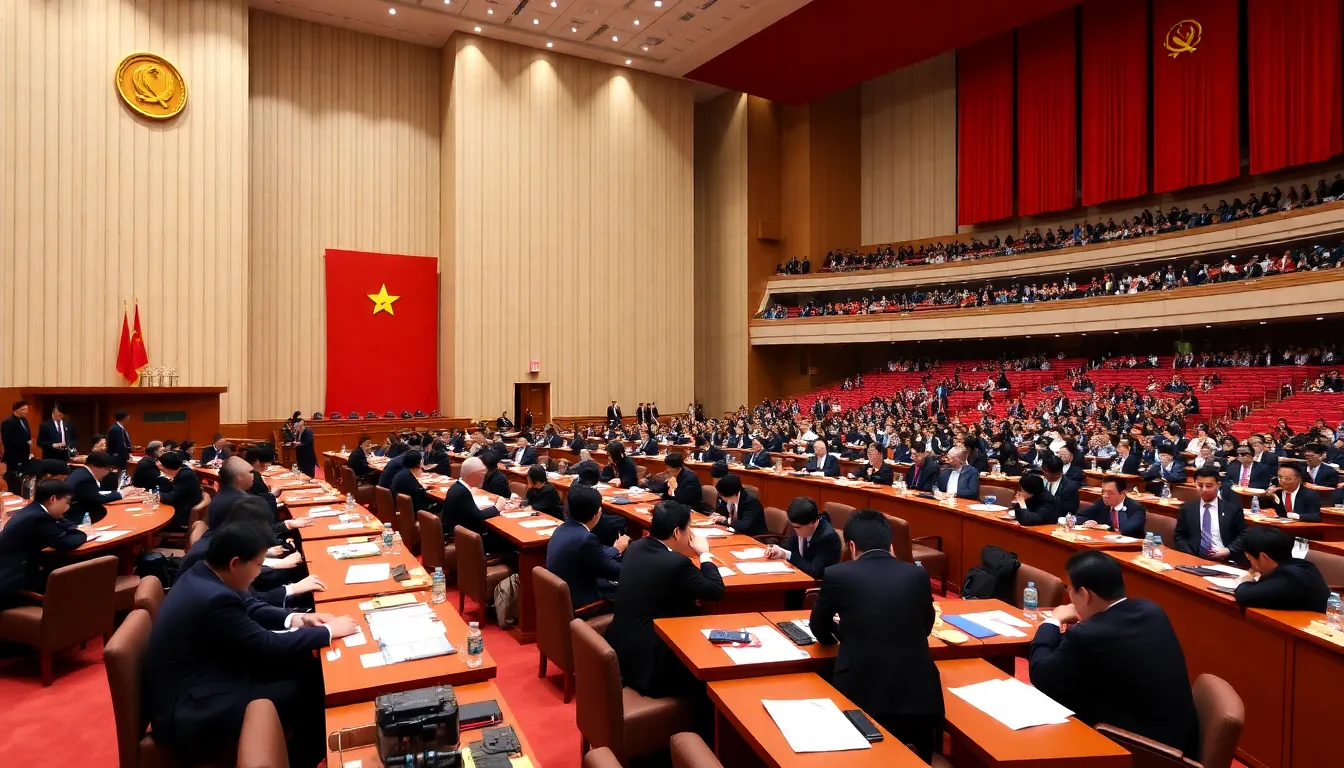
Impact on domestic and international markets
The recent political meeting in China has far-reaching implications for various groups and industries both domestically and internationally. Key sectors such as technology, manufacturing, and agriculture are poised to experience shifts in policy and regulation that could alter their operational landscapes significantly.
In the short term, businesses may face increased scrutiny and regulatory changes, particularly in the tech sector, where data privacy and security concerns are paramount. This could lead to a tightening of operating conditions for companies like Alibaba and Tencent, impacting their market performance and growth potential.
Regions heavily reliant on exports, such as manufacturing hubs in Guangdong and Jiangsu, might experience fluctuations in demand as international trade policies evolve. The meeting’s outcomes could either bolster or dampen investor confidence, leading to volatility in stock markets and currency values.
- Risks: Heightened regulatory scrutiny may stifle innovation.
- Opportunities: Emerging green technologies could receive increased government support.
- Risks: Supply chain disruptions may occur due to new trade agreements.
- Opportunities: Increased investment in infrastructure projects could stimulate local economies.
In the mid-term, the implications of the meeting could reshape daily life for citizens, particularly regarding public services and social welfare initiatives. Policies aimed at reducing inequality may lead to enhanced social programs, impacting consumer spending habits and overall economic growth.
Furthermore, the international community will be closely watching China’s moves, as any shifts in foreign policy could affect global markets. Countries that have strong trade ties with China may find new opportunities or face challenges depending on the outcomes of this political assembly.
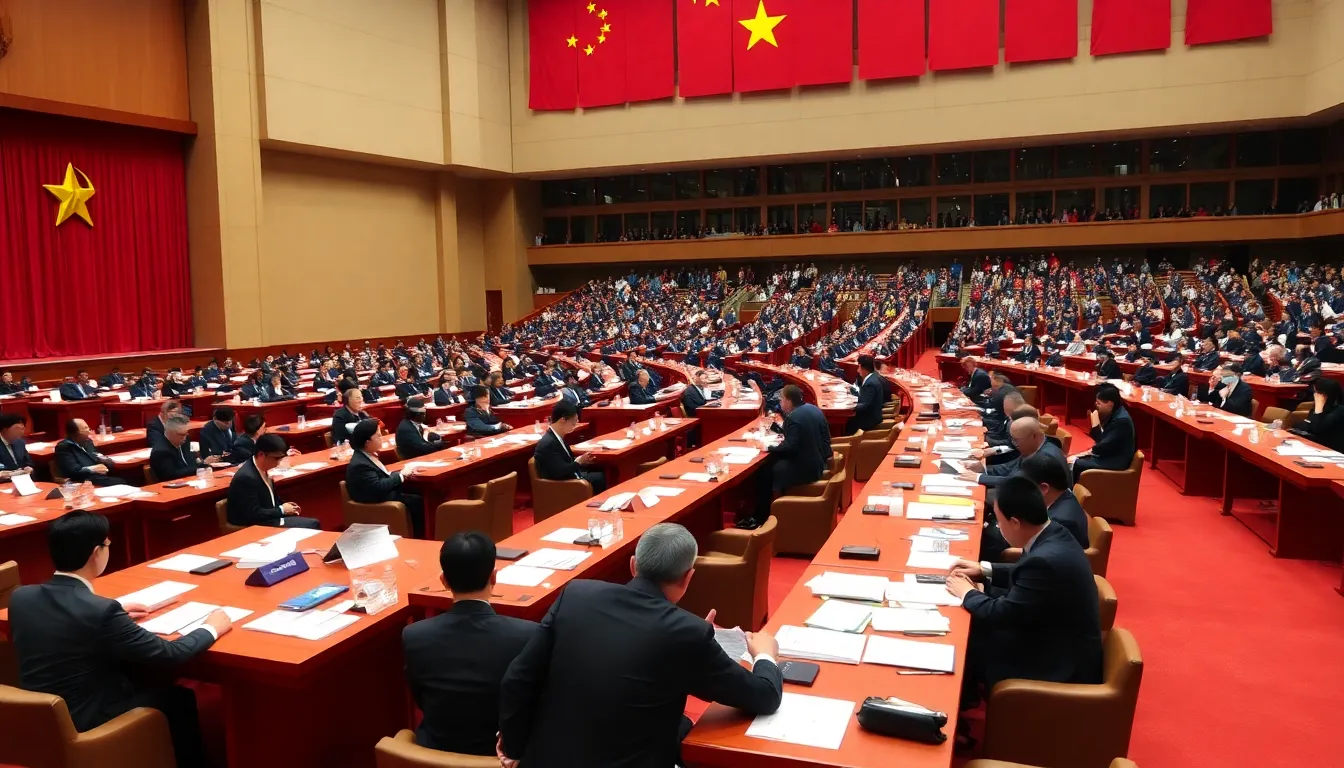
Frequently asked questions about the political meeting
A: The meeting focused on economic policies, social stability, and foreign relations, aiming to address current challenges and future goals.
A: This significant political meeting typically occurs once every five years, serving as a platform for major policy announcements.
A: Key figures include the President, Premier, and various high-ranking officials who influence China’s political landscape.
A: The decisions are expected to shape China’s economic direction and foreign policy, impacting global markets and trade relationships.
A: China’s policies and decisions can significantly affect international relations, trade agreements, and economic stability worldwide.
Key takeaways and future outlook
The recent political meeting in China has underscored several critical themes that will shape the country’s trajectory in the coming years. The emphasis on stability and control reflects a desire to maintain internal cohesion amidst external pressures. Additionally, the meeting highlighted the government’s commitment to economic reforms, albeit with a cautious approach that balances growth with social stability.
As global dynamics continue to evolve, observers should note the implications of China’s strategic priorities and their potential impact on international relations and economic partnerships. Understanding these developments will be crucial for businesses and policymakers alike.
- Increased focus on domestic stability: Expect policies aimed at reinforcing social cohesion and addressing public concerns to become more pronounced.
- Continued economic reform: Watch for a gradual implementation of reforms that aim to stimulate growth while managing risks associated with debt and investment.
- Global engagement strategies: China’s approach to international partnerships may shift, emphasizing strategic alliances that enhance its global standing.
- Environmental policies: Anticipate a stronger commitment to sustainability as part of both domestic and international agendas.