
The allegations surfaced publicly in early October 2023, igniting discussions about workplace culture in high-pressure kitchens. Former employees have shared their experiences, claiming that the atmosphere at Noma was marked by intimidation and harassment, prompting calls for accountability and change in the industry. This situation echoes broader conversations about workplace dynamics in various sectors.
Redzepi’s departure not only raises questions about the future of Noma but also highlights the broader issue of abuse and mistreatment in the restaurant sector. As one of the most influential chefs globally, his resignation could spark a movement towards improved labor practices and a reevaluation of leadership dynamics in fine dining establishments, similar to shifts observed in other industries after significant controversies.
This situation underscores the importance of addressing workplace culture and the need for safe environments for all employees. The fallout from these allegations may lead to increased scrutiny of restaurant practices and inspire other chefs and owners to examine their own operations critically.
Understanding the background of the allegations against the chef
The culinary world has recently been rocked by allegations of abuse against the head chef of Noma, a restaurant renowned for its innovative approach to Nordic cuisine. Founded in 2003 by chef René Redzepi, Noma has not only set the standard for fine dining but has also been a significant player in the global gastronomy scene. This incident sheds light on broader issues of workplace culture in high-pressure environments, particularly in the restaurant industry.
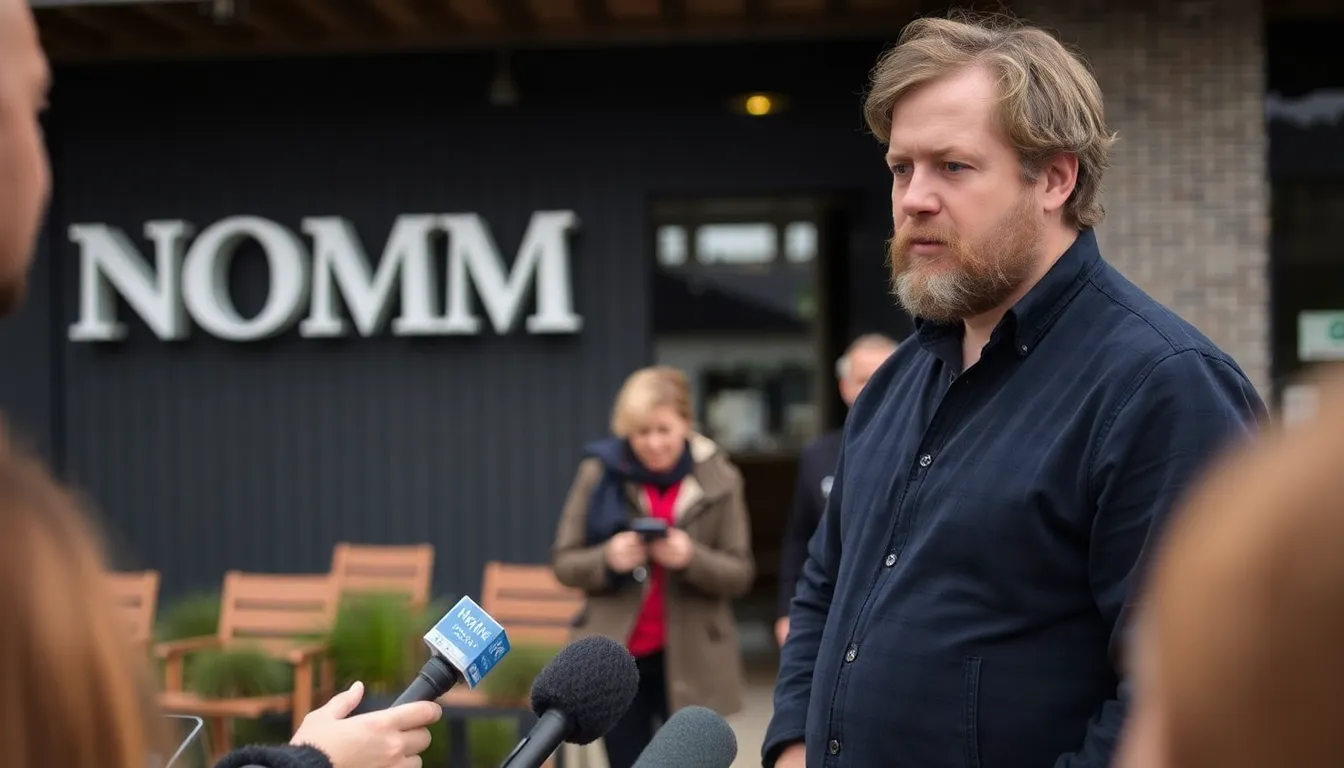
Historically, the restaurant industry has been characterized by a culture of long hours and demanding standards, often leading to toxic work environments. Reports of abuse and harassment are not new; however, the recent allegations against the Noma head chef have sparked renewed discussions about accountability and the need for systemic change, reminiscent of the #MeToo movement, which gained momentum in 2017.
The Impact of Celebrity Chefs
Celebrity chefs have become influential figures in shaping culinary trends and restaurant culture. Their prominence often leads to a glorified image of the kitchen as a place of creativity and passion. However, this celebrity status can also create an environment where abusive behavior is overlooked or tolerated. The case of the Noma head chef serves as a crucial reminder that even the most celebrated figures are not immune to scrutiny regarding their treatment of staff.
In the wake of these allegations, the restaurant industry is facing a pivotal moment. As more individuals come forward with their experiences, there is a growing call for transparency and reform within kitchens worldwide. The Noma incident could potentially serve as a catalyst for change, prompting other establishments to evaluate their workplace cultures and implement necessary safeguards to protect employees.
Examining the implications for stakeholders in the culinary world
The resignation of the head chef at Noma, a restaurant renowned for its innovative approach to Nordic cuisine, has sent shockwaves through the culinary community. This incident highlights the complex interplay of various stakeholders, including the restaurant’s management, employees, customers, and the broader food industry. Each of these groups has distinct interests and concerns that are now at the forefront of discussions surrounding workplace culture and accountability in high-pressure environments.
Firstly, the management of Noma faces significant reputational risks. They must navigate the fallout from the allegations while maintaining the restaurant’s esteemed status. The interests of the management include safeguarding the restaurant’s brand, ensuring the well-being of current employees, and addressing the concerns of patrons who may be reconsidering their support. This situation presents a challenge as they balance transparency with protecting the business’s financial viability.
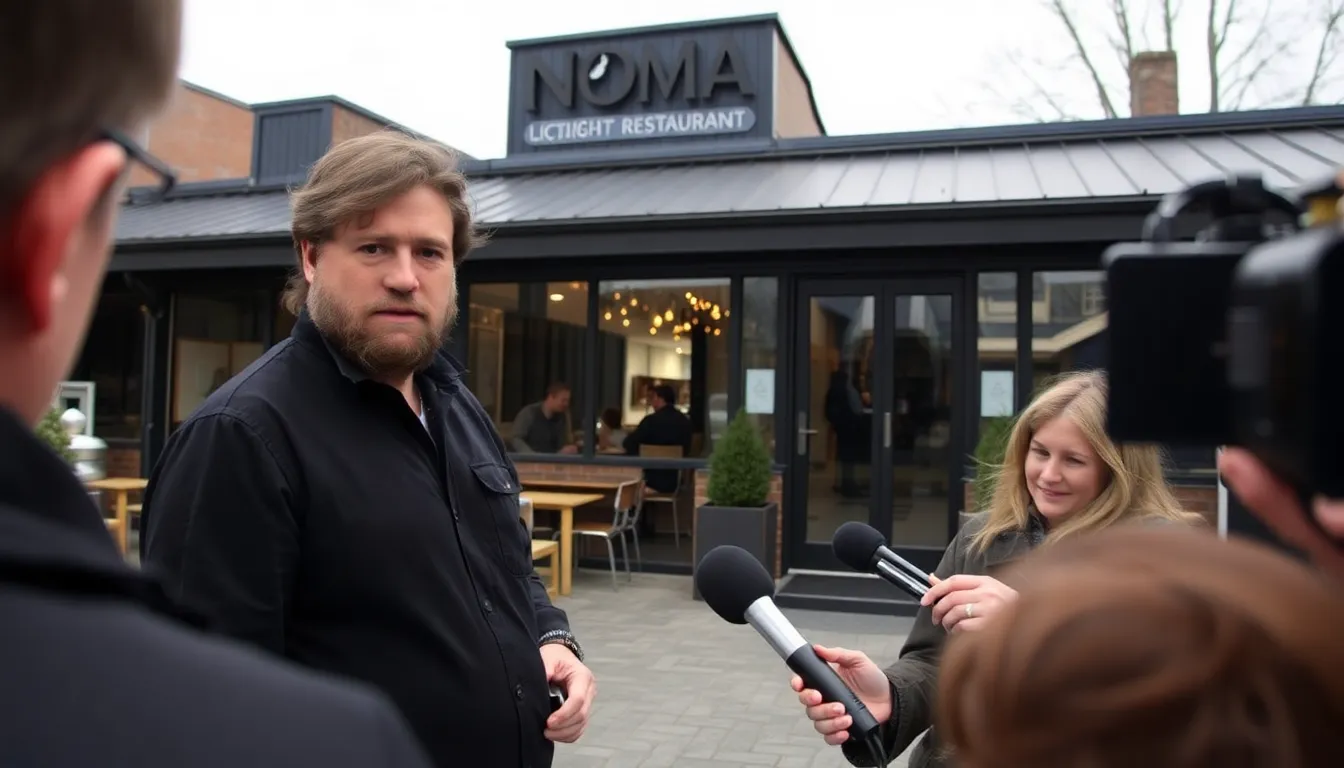
Employees within the restaurant are another critical stakeholder group. Many may feel conflicted about their workplace environment, especially if they have witnessed or experienced inappropriate behavior. The interests of the staff include a safe and supportive working environment, fair treatment, and job security. This incident may lead to calls for more robust policies and training on workplace behavior, which could reshape the internal culture at Noma and similar establishments.
- Legal implications: The allegations could lead to potential lawsuits, which may impact the restaurant’s financial situation and necessitate changes in management practices.
- Economic considerations: The restaurant may experience a decline in patronage, affecting its revenue and ability to retain top talent.
- Public perception: The culinary community and the general public are increasingly aware of workplace issues, and Noma’s response will be scrutinized, influencing customer loyalty.
- Industry standards: This incident may prompt a broader conversation about workplace culture in high-end dining, leading to industry-wide changes.
Lastly, customers, who are often loyal to establishments like Noma, are now faced with ethical considerations regarding their dining choices. Their interests revolve around supporting businesses that align with their values, which may lead to a shift in patronage towards establishments that prioritize employee welfare and accountability. The implications of this incident extend beyond Noma, potentially influencing market trends and consumer behavior in the culinary sector.
Impact on employees and the restaurant industry as a whole
The resignation of Noma’s head chef amid abuse allegations sends ripples through the culinary world, affecting employees, patrons, and the broader restaurant industry. Chefs and kitchen staff at Noma and similar establishments may feel an immediate impact, as workplace culture and dynamics come under scrutiny. This incident highlights the need for safer working environments, which could lead to changes in hiring practices and employee relations across the industry.
In the short term, employees may experience uncertainty regarding job security and workplace morale. The fallout from the allegations could result in increased turnover rates as individuals reassess their positions in an industry that has been criticized for its treatment of staff. The potential for negative publicity may also deter new talent from entering the culinary field, which could lead to a skills gap in the industry.
Mid-term impacts may include a shift in consumer behavior, as diners become more conscious of the ethical practices of the restaurants they support. This could push establishments to adopt more transparent policies regarding employee treatment and workplace standards. Additionally, there is a risk that high-profile restaurants may face boycotts or reduced patronage, affecting their bottom line.
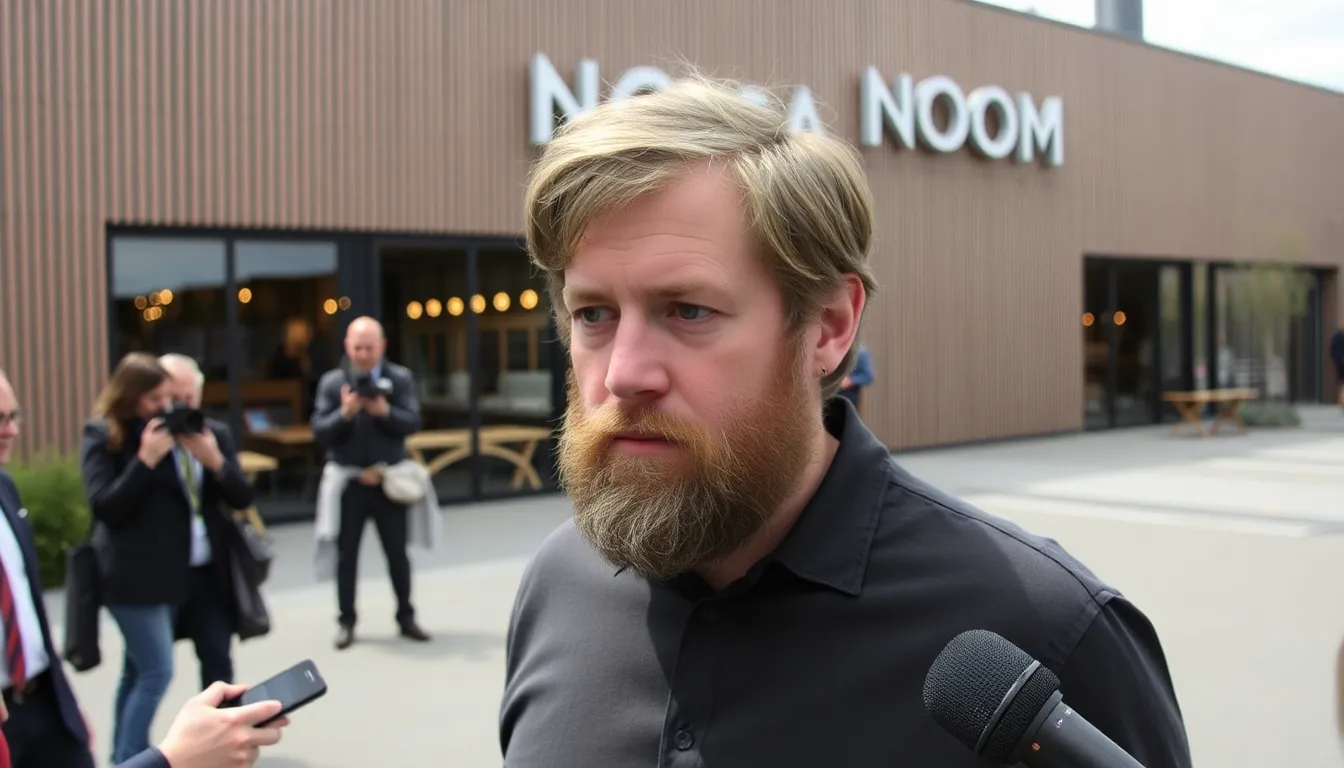
- Increased awareness: The incident raises awareness about workplace abuse in the culinary industry.
- Policy changes: Restaurants may implement new policies to protect employees and foster a healthier work environment.
- Market opportunities: New businesses focused on ethical dining experiences may emerge in response to consumer demand.
While the immediate aftermath poses risks, there are also potential opportunities for reform within the restaurant sector. Establishments that prioritize employee well-being and create supportive environments may gain a competitive edge, attracting both talent and customers who value ethical practices. This shift could redefine industry standards and lead to a more sustainable future for restaurants worldwide.
A: The head chef resigned following multiple allegations of abuse from former employees, which sparked significant media attention. A: The reaction has been mixed, with some supporting the victims and others expressing concern over the impact on Noma’s reputation. A: Noma may face challenges in maintaining its status and attracting talent, as the allegations could deter potential employees. A: Yes, there are reports of ongoing investigations into the claims made against the head chef and the workplace environment at Noma. A: This incident highlights the need for better workplace practices and accountability within the culinary industry.
Frequently asked questions regarding the resignation and allegations
Key takeaways and future outlook for Noma and the industry
The resignation of Noma’s head chef amidst serious allegations underscores a pivotal moment for both the restaurant and the broader culinary landscape. This incident highlights the urgent need for transparency and accountability within high-pressure work environments, particularly in the hospitality industry. As the conversation around workplace culture evolves, restaurants may need to reassess their internal policies to foster a more supportive atmosphere for staff.
Moving forward, the implications of these events may prompt other establishments to evaluate their own practices regarding employee treatment and well-being. The industry could see a shift towards prioritizing mental health and creating safer work environments, which may ultimately attract talent and enhance the reputation of establishments committed to ethical practices.
- Increased focus on mental health initiatives in the culinary sector.
- Potential changes in hiring practices to prioritize workplace culture.
- Heightened scrutiny of leadership roles and their accountability.
- Greater demand for transparency in restaurant operations and employee treatment.
- Opportunities for innovative training programs centered on respectful workplace dynamics.