
The regulation is part of a broader initiative aimed at protecting minors in the digital landscape. Starting from January 1, 2024, social media companies will be required to enforce age restrictions and ensure compliance with the new law. The government plans to collaborate with tech companies to develop effective age verification systems, a discussion that reflects the broader issues surrounding digital safety.
This move has sparked a debate among stakeholders, including parents, educators, and digital rights advocates. While some welcome the initiative as a necessary step toward safeguarding youth, others argue it could limit access to information and social interaction for minors. The policy’s implementation will be closely monitored to assess its impact on both online safety and freedom of expression.
As the deadline approaches, industry experts are urging for a balanced approach that protects children without stifling their ability to engage with technology. The conversation surrounding this ban highlights the ongoing challenges governments face in regulating digital environments while fostering innovation and freedom in the online space.
Understanding the reasons behind the ban
Indonesia’s decision to ban social media and other online platforms for individuals under the age of 16 stems from a complex interplay of social, political, and economic factors. The rapid growth of internet access and the proliferation of social media have brought about significant challenges, particularly concerning the safety and well-being of minors. As the country has embraced digital technology, concerns have escalated regarding online bullying, exposure to inappropriate content, and the influence of misinformation.

Historically, Indonesia has faced issues related to internet governance and regulation. The government has implemented various laws aimed at controlling online content, including the Electronic Information and Transactions Law (ITE Law) enacted in 2008. This law has been used to address cyberbullying and defamation but has also raised concerns about freedom of expression. The current ban can be seen as a continuation of this regulatory trend, reflecting the government’s desire to protect its youth while grappling with the challenges posed by the digital landscape.
Key milestones in internet regulation
Several key milestones have shaped Indonesia’s approach to internet regulation. In 2016, the Ministry of Communication and Information Technology launched a campaign to promote digital literacy among children and parents, recognizing the need for education in navigating online spaces. However, incidents such as the tragic cases of cyberbullying leading to youth suicides have prompted calls for more stringent measures. The recent ban is viewed as a direct response to these incidents, aiming to create a safer online environment for younger users, similar to efforts seen elsewhere highlighting the importance of safeguarding vulnerable demographics.
Economically, the digital sector in Indonesia has been booming, with significant investments pouring into tech startups and online platforms. However, this growth has not come without its challenges. The government is now faced with the task of balancing economic development in the digital space with the imperative to safeguard the interests of its younger population. As Indonesia continues to evolve digitally, the implications of this ban will be closely monitored by both domestic and international observers.
Key stakeholders and issues surrounding the ban
The proposed ban on social media and other online platforms for individuals under the age of 16 in Indonesia has drawn attention from various stakeholders, each with distinct interests and concerns. The primary actors involved include the Indonesian government, parents, social media companies, and advocacy groups focused on children’s rights and digital safety.
The Indonesian government, spearheaded by the Ministry of Communication and Information Technology, aims to protect minors from online dangers such as cyberbullying, inappropriate content, and online predation. Their interest lies in establishing a safer digital environment while also addressing public concerns about youth exposure to harmful influences. However, the implementation of such a ban raises questions about the balance between safeguarding children and upholding freedom of expression.
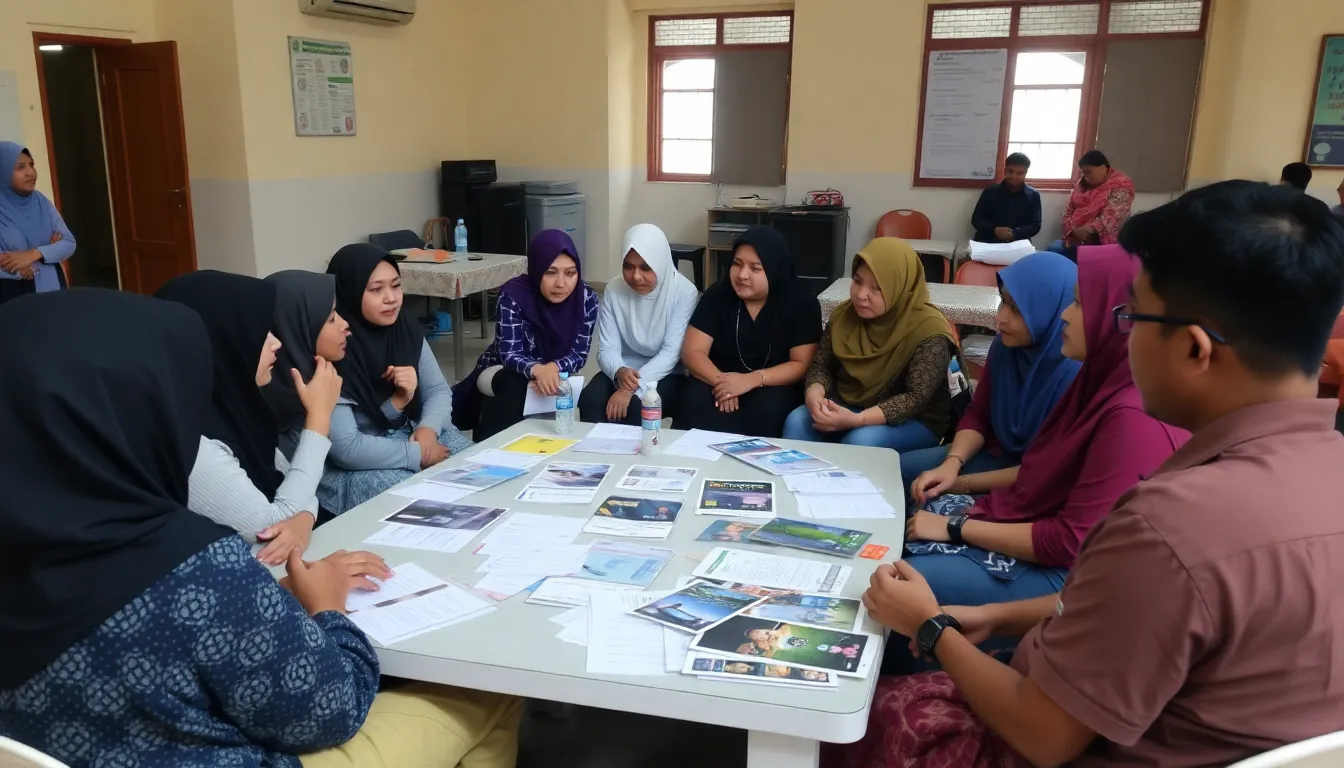
Parents represent another crucial stakeholder group, often divided in their opinions regarding the ban. While many support the initiative for its potential to shield their children from online threats, others worry about the implications for their children’s social development and access to educational resources. This conflict highlights the trade-off between protection and the need for children to engage with digital tools that are increasingly integral to education and socialization.
Social media companies, including major platforms like Facebook, Instagram, and TikTok, are also key players in this scenario. Their interests revolve around user engagement and revenue generation, which could be significantly impacted by a restriction on under-16 users. These companies may argue that they already have measures in place to protect young users and that a blanket ban could stifle innovation and limit access to beneficial online experiences.
- Legal implications: The ban raises questions about compliance with international human rights standards, particularly regarding freedom of speech.
- Economic impact: Potential loss of revenue for social media companies could affect the broader digital economy in Indonesia.
- Implementation challenges: Enforcing such a ban may prove difficult, given the global nature of online platforms and the ease of circumventing age restrictions.
- Public opinion: The effectiveness of the ban will depend on the level of public support, which is likely to vary across different demographics.
Potential effects on youth and the digital market
The recent decision by Indonesia to ban social media and other online platforms for individuals under 16 years old will have significant implications for various groups, including minors, parents, educators, and digital businesses. The youth demographic, which is heavily reliant on social media for communication and entertainment, will face immediate changes in how they interact and access information online.
Parents may experience relief, believing that the ban protects their children from online dangers such as cyberbullying and inappropriate content. However, this could also lead to frustration, as it may limit their children’s ability to connect with peers and access educational resources. The education sector might see a shift in how digital literacy is taught, as schools adapt to the new regulations and explore alternative platforms for learning.
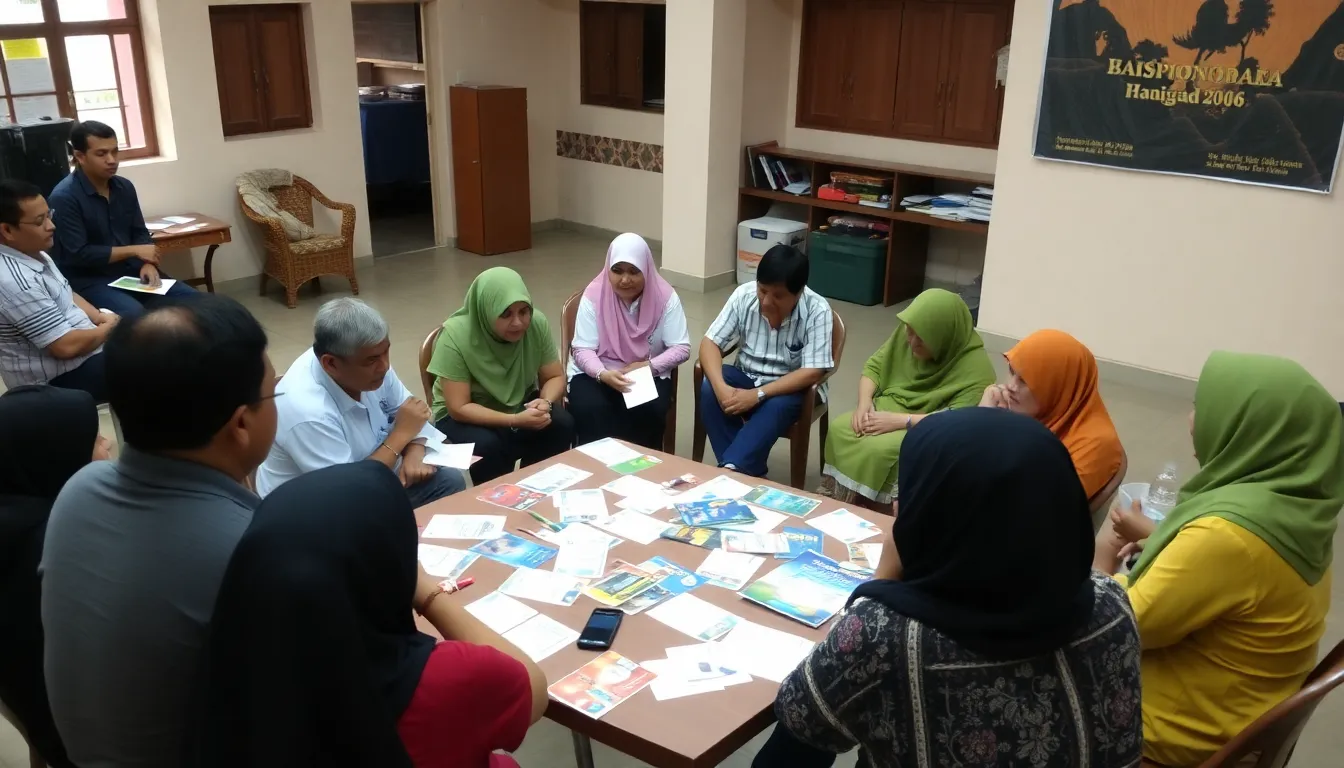
Digital businesses, especially those targeting young audiences, will face immediate challenges. Companies that rely on advertising revenue from social media engagement may see a decline in their market reach and revenue streams. Conversely, this ban could create opportunities for new platforms that cater specifically to the needs of older teens or that provide safer environments for younger users.
- Short-term impact on youth communication and social interaction.
- Potential increase in parental control and oversight of digital activities.
- Shift in educational approaches to digital literacy.
- Challenges for businesses relying on youth engagement.
- Opportunities for new digital platforms and services.
In the mid-term, the ban may influence policy discussions around internet safety and digital rights in Indonesia. It could prompt other countries to consider similar regulations, impacting global tech companies and their strategies in the Southeast Asian market. The long-term effects may reshape the digital landscape, fostering a new generation of platforms designed with age-appropriate content and safety features in mind.
A: The ban aims to protect minors from online dangers such as cyberbullying, inappropriate content, and online predators. Authorities believe that restricting access will help safeguard the mental and emotional well-being of young users. A: The exact date for the implementation of the ban has not been officially announced yet. However, discussions are ongoing, and the government is expected to provide updates soon. A: The ban will likely apply to popular social media platforms such as Facebook, Instagram, TikTok, and others that allow users to create and share content. Specific details will be clarified by the government. A: Enforcement measures are still being discussed, but the government may work with internet service providers to restrict access to these platforms for users under 16. A: Consequences for violating the ban have not been detailed yet, but potential penalties could include fines for platforms that fail to comply with the regulations.
Frequently asked questions about the social media ban
Looking ahead: implications of the ban
The recent decision by Indonesia to prohibit social media and other online platforms for users under the age of 16 marks a significant shift in the country’s approach to digital governance and child safety. This move reflects growing concerns about the impact of online content on young minds, and it may set a precedent for similar regulations in other nations. As the digital landscape continues to evolve, stakeholders will need to adapt to new norms that prioritize the well-being of minors while balancing the rights of users and the interests of technology companies.
In the wake of this ban, various sectors will need to reassess their strategies. Educational institutions might increase their focus on digital literacy, while social media companies may need to innovate their platforms to comply with these regulations. Furthermore, this ban could spark a broader debate about parental control, online privacy, and the role of government in regulating digital spaces.
- Monitor changes in user engagement on social media platforms as younger demographics are restricted from access.
- Watch for potential legal challenges from tech companies regarding the enforcement of age restrictions.
- Observe how educational content providers adapt to fill the gap left by restricted access to social media.
- Consider the implications for parental control technologies and their adoption rates in Indonesia.
- Stay informed on global reactions to Indonesia’s decision, which may influence similar policies in other countries.