
Located near the town of Greenfield, the newly acquired land features a diverse range of habitats, including wetlands, woodlands, and grasslands. This variety is crucial for supporting local flora and fauna, especially as many species face threats from habitat loss and climate change. For more information on the importance of biodiversity, you can check out this article.
The initiative is part of a broader strategy by the Wildlife Trust to expand protected areas and engage local communities in conservation activities. By creating this reserve, the organization hopes to not only safeguard wildlife but also offer educational opportunities and recreational spaces for residents and visitors alike. Such initiatives reflect a growing trend in conservation practices worth exploring.
Funding for the purchase came from a combination of donations and grants, highlighting the community’s commitment to environmental preservation. The Wildlife Trust plans to begin restoration activities in early 2024, ensuring that the land is managed sustainably for future generations.
Understanding the significance of new wildlife reserves
The establishment of new wildlife reserves has become a crucial aspect of conservation efforts globally. Over the past few decades, increasing awareness of biodiversity loss and habitat destruction has spurred governments and non-profit organizations to take action. The recent acquisition of land by the Wildlife Trust is a significant step in this ongoing effort to protect endangered species and restore natural habitats.
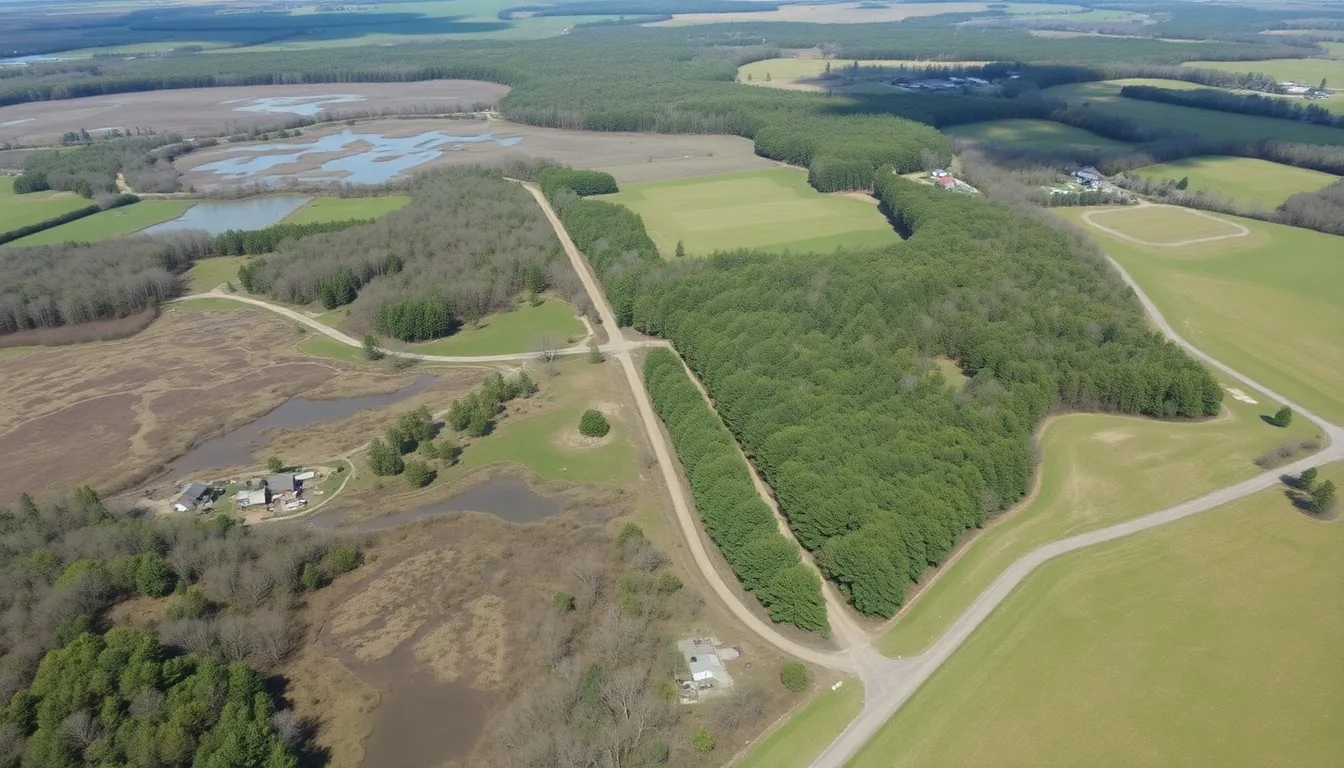
Historically, the concept of wildlife reserves emerged in the late 19th century, with the establishment of national parks and protected areas aimed at conserving natural landscapes and wildlife. This movement gained momentum in the 20th century as industrialization and urbanization continued to threaten ecosystems. The recognition of the intrinsic value of biodiversity has led to international agreements, such as the Convention on Biological Diversity, which emphasizes the need for sustainable management of natural resources.
Key milestones in wildlife conservation
Several key milestones have shaped the landscape of wildlife conservation. The establishment of the Endangered Species Act in the United States in 1973 marked a pivotal moment, providing legal protection for threatened and endangered species. Additionally, the creation of the World Wildlife Fund in 1961 helped raise global awareness and funds for conservation projects. These initiatives laid the groundwork for local organizations, like the Wildlife Trust, to pursue more targeted conservation efforts, including the recent land purchase for a new reserve. Understanding these historical impacts provides valuable insight into today’s conservation landscape.
Economically, the push for wildlife reserves is often supported by the growing recognition of eco-tourism as a viable industry. Many regions have begun to realize that preserving natural habitats can lead to sustainable economic growth through tourism, which in turn supports local communities. This economic incentive has fostered partnerships between conservation organizations and local governments, resulting in more collaborative efforts to establish and maintain wildlife reserves.
Socially, the increasing engagement of communities in conservation efforts has been instrumental in the success of wildlife reserves. Education and outreach programs have empowered local populations to participate actively in protecting their natural heritage. The Wildlife Trust’s recent acquisition not only aims to safeguard wildlife but also to engage the community in conservation practices, highlighting the importance of collective responsibility in preserving our planet’s biodiversity.
Key stakeholders involved in the land acquisition process
The recent acquisition of land by the Wildlife Trust to create a new reserve involves multiple stakeholders, each with distinct interests and concerns. The primary actors include the Wildlife Trust itself, local government authorities, nearby communities, conservation groups, and private landowners. Understanding their motivations is crucial to grasping the implications of this initiative.
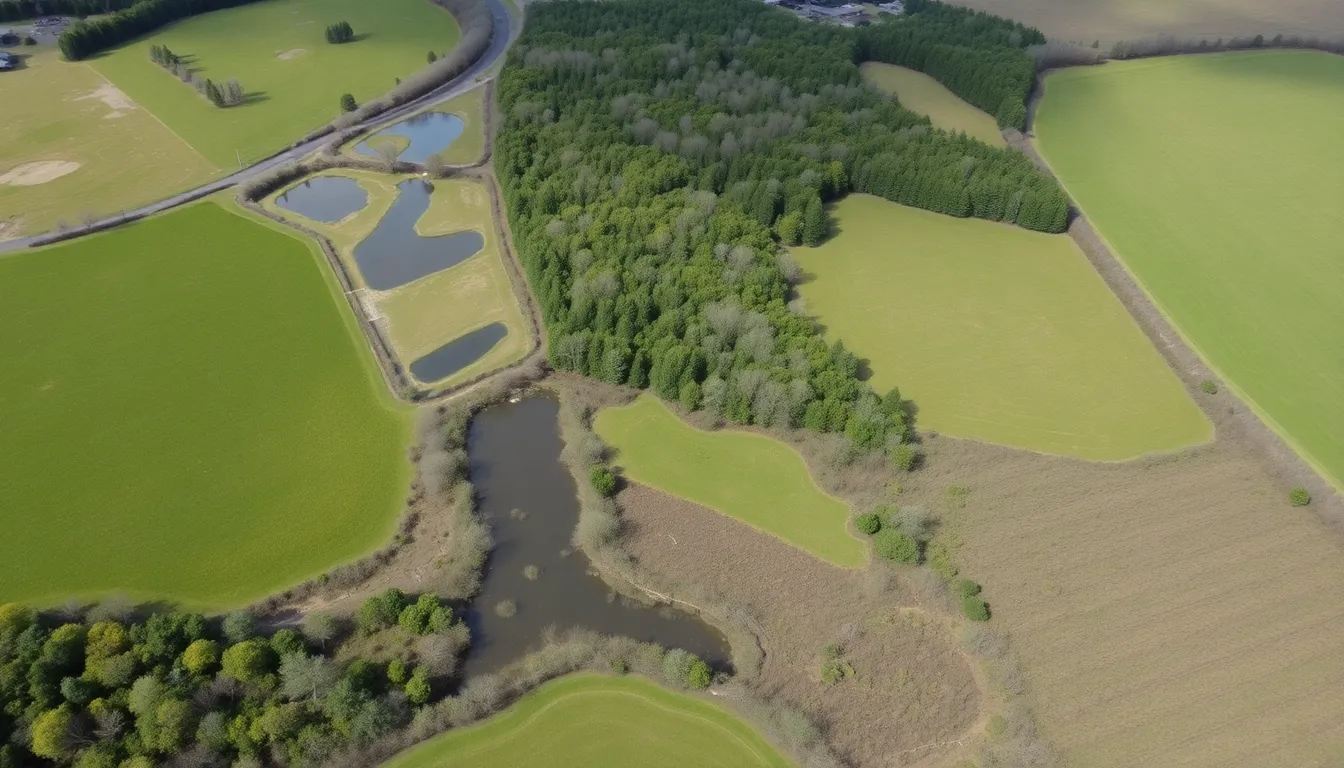
The Wildlife Trust aims to enhance biodiversity and provide a safe habitat for various species. Their focus is on conservation and ecological restoration, which aligns with their mission to protect wildlife and natural habitats. By acquiring this land, they seek to expand their conservation efforts and engage the public in environmental stewardship.
Local government authorities play a significant role in the land acquisition process. They are responsible for land use planning and ensuring that the project aligns with regional development goals. Their interests may include promoting tourism, enhancing community engagement, and balancing environmental concerns with economic development. Conflicts may arise if the land acquisition impacts local infrastructure or development plans.
- Nearby communities may have mixed feelings about the new reserve, as they could benefit from increased recreational opportunities but may also face restrictions on land use.
- Conservation groups typically support initiatives like this but may have concerns over management practices and the potential for future land use conflicts.
- Private landowners might be affected by the acquisition, particularly if it leads to changes in property values or land use regulations in the surrounding areas.
Key legal issues surrounding this acquisition may involve zoning laws, environmental regulations, and land use rights. Economic considerations also come into play, as funding for the acquisition and ongoing management of the reserve must be secured. This can lead to trade-offs between immediate financial impacts and long-term ecological benefits.
Potential benefits for local wildlife and communities
The acquisition of land by the Wildlife Trust to create a new reserve will have significant implications for various groups, including local residents, wildlife enthusiasts, and businesses in the region. The initiative aims to enhance biodiversity and provide a sanctuary for endangered species, which can positively influence the ecological balance in the area.
In the short term, local communities may experience increased opportunities for outdoor recreation, such as hiking, birdwatching, and educational programs. This influx of visitors can stimulate local economies, benefiting small businesses like cafes, hotels, and shops that cater to nature tourists. Additionally, the project may lead to job creation in conservation efforts and park management.
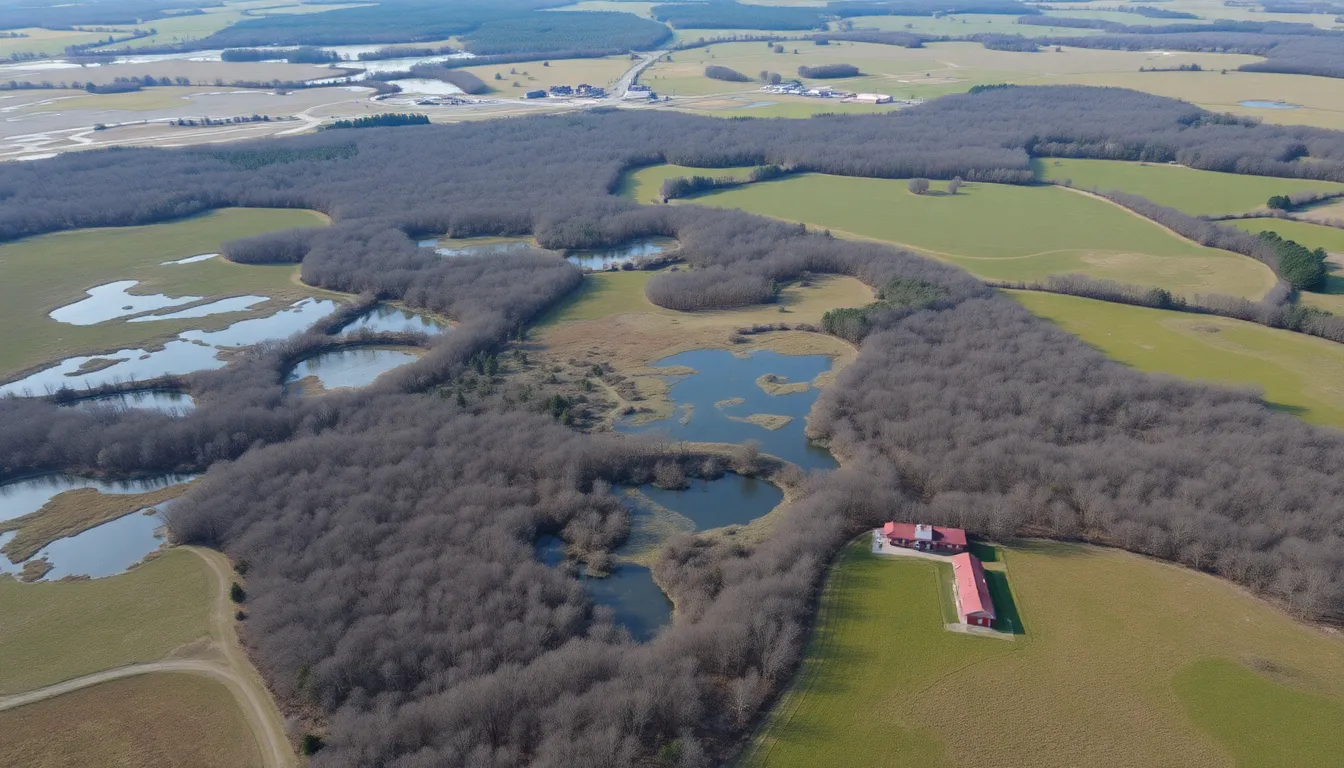
However, there are potential risks associated with the establishment of the reserve. Some local landowners may feel apprehensive about restrictions on land use or development in the vicinity. This could lead to tensions between conservation goals and agricultural or commercial interests. It is crucial for the Wildlife Trust to engage with these stakeholders to mitigate concerns and foster collaboration.
In the mid-term, the reserve could serve as a model for sustainable land use and conservation practices, influencing local policies and encouraging similar initiatives in neighboring regions. The increased awareness of environmental issues may also lead to stronger community advocacy for conservation efforts, further enhancing the area’s appeal as a destination for eco-tourism.
- Enhanced biodiversity and protection of endangered species.
- Boost to local economies through eco-tourism.
- Job creation in conservation and management roles.
- Potential tensions with landowners regarding land use restrictions.
- Increased community engagement in environmental advocacy.
A: The new reserve aims to protect local wildlife and promote biodiversity in the area, providing a safe habitat for various species. A: The Wildlife Trust has acquired approximately 100 acres of land for the new reserve, which will be managed for conservation purposes. A: The opening date for the reserve has not yet been announced, but the Wildlife Trust plans to provide updates as development progresses. A: The community can participate through volunteer programs, educational workshops, and events organized by the Wildlife Trust. A: The reserve is expected to support various species, including birds, mammals, and plants native to the region, enhancing local biodiversity.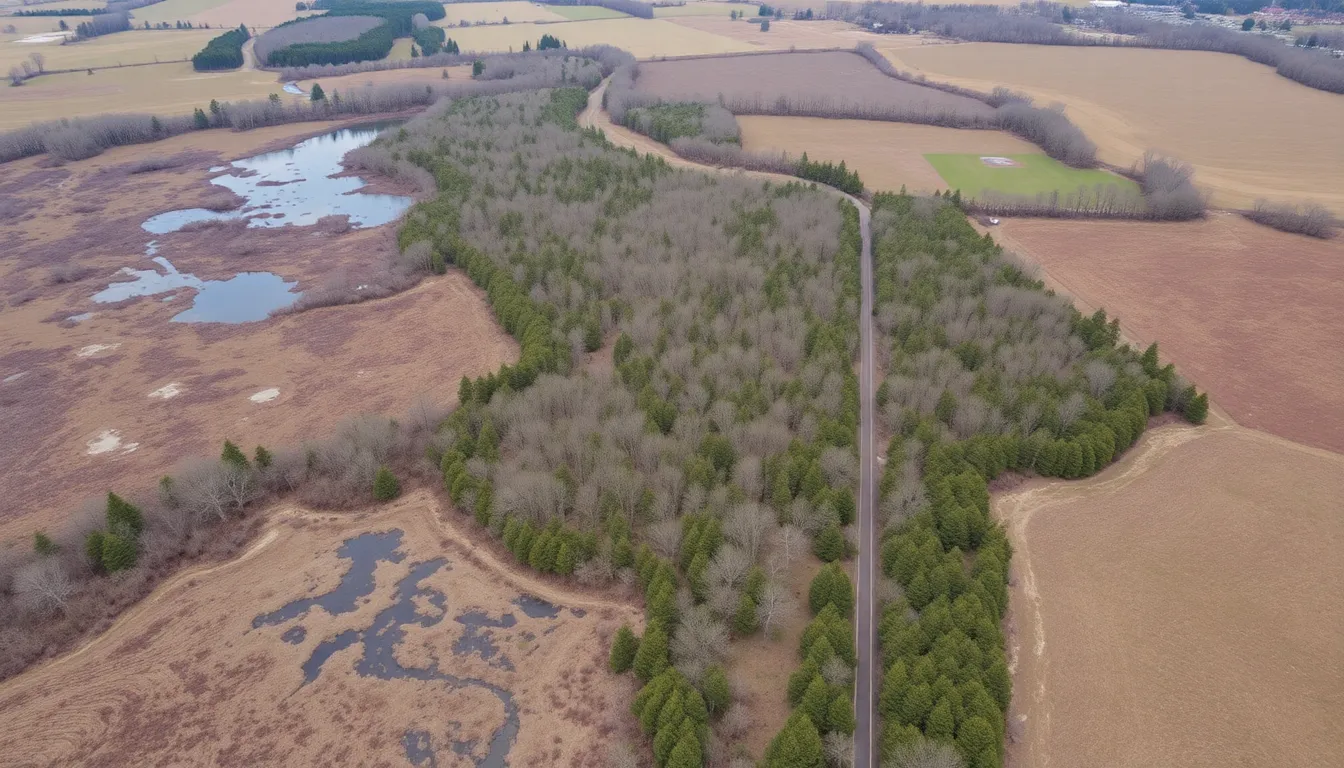
Frequently asked questions about the new reserve
Looking ahead: the future of the new wildlife reserve
The recent acquisition of land by the Wildlife Trust marks a significant step towards enhancing biodiversity and preserving natural habitats. This initiative not only aims to protect local wildlife but also serves as a model for future conservation efforts. As the reserve develops, it will be crucial to monitor its impact on both the ecosystem and the community surrounding it.
Engagement with local stakeholders will be essential in ensuring the reserve’s success. By fostering a connection between the community and the new wildlife area, the Wildlife Trust can promote conservation awareness and encourage sustainable practices. The upcoming years will be pivotal in assessing how this reserve can serve as a refuge for wildlife while also benefiting local residents.
- Community Engagement: Watch for initiatives that involve local residents in conservation efforts, fostering a sense of ownership and responsibility.
- Biodiversity Monitoring: Keep an eye on studies assessing the impact of the reserve on local species and ecosystems, which will provide valuable data for future projects.
- Educational Programs: Anticipate the development of educational programs aimed at raising awareness about wildlife conservation among schools and community groups.
- Partnerships: Look for collaborations with other conservation organizations that could enhance the reserve’s resources and outreach capabilities.
- Long-term Sustainability: Consider the strategies implemented for the long-term maintenance and funding of the reserve, which will be critical for its ongoing success.