
The World Health Organization (WHO) has noted that the number of zoonotic diseases those that jump from animals to humans has surged in recent years. Notable examples include the COVID-19 pandemic, which is believed to have originated from a wildlife source, and outbreaks of Ebola and Zika virus. As urbanization and human encroachment into natural habitats continue, the risk of these transmissions is likely to grow. For further insights on related health issues, you can check out Understanding The Global Story.
Moreover, the study emphasizes the role of environmental factors, such as climate change and habitat destruction, in facilitating these viral transmissions. Changes in temperature and land use can alter the behaviors of wildlife, increasing the chances of contact with human populations. This interconnectedness of ecosystems and human health underscores the need for a One Health approach, which integrates human, animal, and environmental health strategies. Such strategies are critical in addressing the threats posed by zoonotic diseases.
Public health officials are now calling for enhanced surveillance and research to better understand these pathways of transmission. By identifying potential hotspots and implementing targeted interventions, it may be possible to mitigate the risk of future outbreaks. The urgency of these efforts is underscored by the ongoing threat of emerging infectious diseases that can have profound impacts on global health and economies.
Exploring the Background of Zoonotic Diseases
Zoonotic diseases, which are infections that jump from animals to humans, have a long history that reflects the intricate relationship between human populations and wildlife. The emergence of these diseases has been influenced by various factors, including ecological changes, urbanization, and agricultural practices. Over time, the increasing encroachment of humans into natural habitats has created opportunities for pathogens to spill over from animals into human populations.
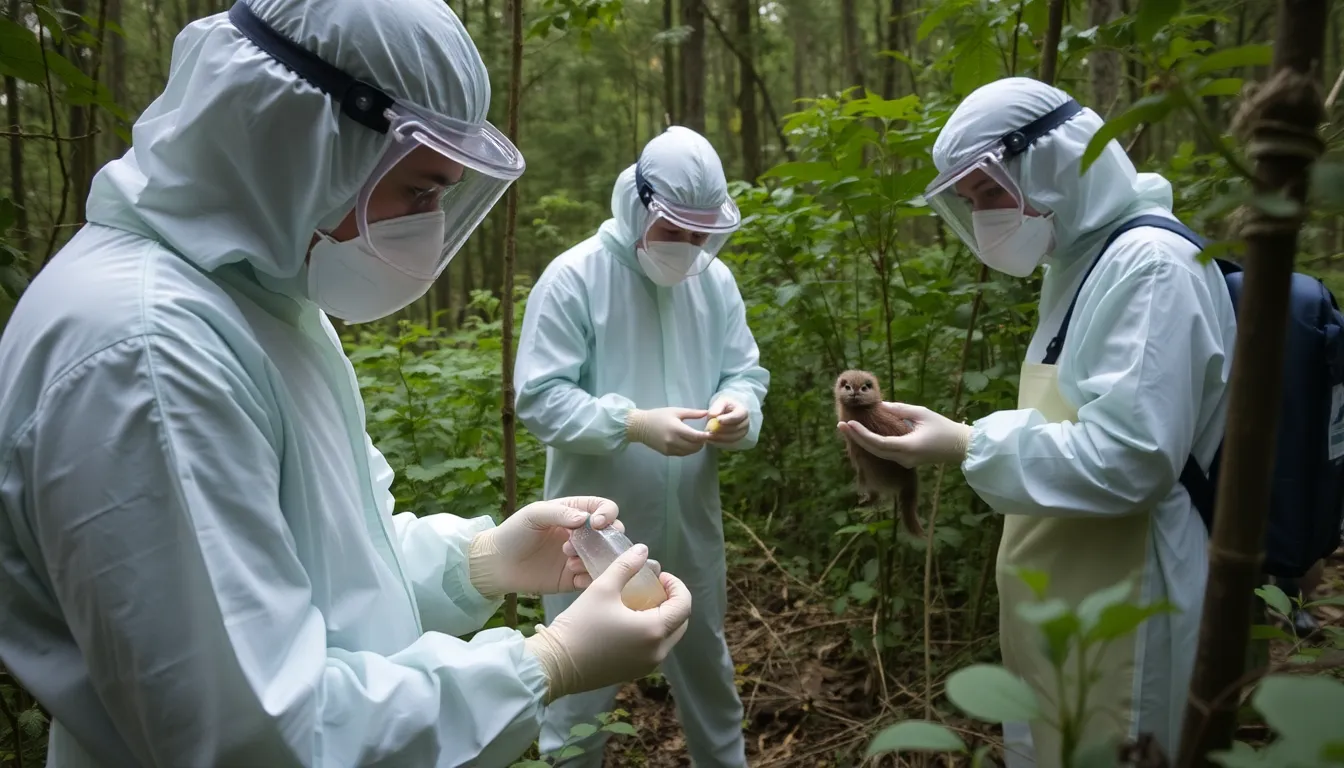
The 20th century saw several notable zoonotic outbreaks, such as the H1N1 influenza pandemic in 1918, which was linked to avian and swine sources. As global trade and travel expanded, the potential for zoonotic diseases to spread rapidly increased. The emergence of HIV/AIDS in the late 20th century, believed to have originated from simian immunodeficiency viruses in primates, further underscored the risks associated with wildlife interactions. Understanding these historical contexts is vital for informing current public health responses.
Key Milestones in Zoonotic Disease Research
In recent decades, scientific research has focused on understanding the pathways through which zoonotic diseases emerge. The 2003 outbreak of SARS, caused by a coronavirus originating in bats and civets, prompted international attention and led to significant investments in disease surveillance and response systems. Similarly, the Ebola outbreaks in West Africa highlighted the critical need for understanding the ecological and social factors that contribute to the transmission of viruses from animals to humans.
The COVID-19 pandemic, which originated from a novel coronavirus believed to have zoonotic origins, has further emphasized the need for a One Health approachan integrated effort across human, animal, and environmental health sectors. This approach aims to prevent future outbreaks by addressing the interconnectedness of health systems and the ecosystems that support them.
As research continues to evolve, understanding the historical context of zoonotic diseases becomes crucial for developing effective public health strategies. The lessons learned from past outbreaks can inform policies aimed at mitigating the risks associated with zoonotic spillover, ultimately protecting both human and animal health on a global scale.
Key Stakeholders and Issues in Viral Transmission
The study highlighting the transmission pathways of viral outbreaks from animals to humans involves several key stakeholders, each with distinct interests. These include public health organizations, governments, scientists, and the agricultural industry. Understanding their roles and concerns is essential for addressing the challenges posed by zoonotic diseases.
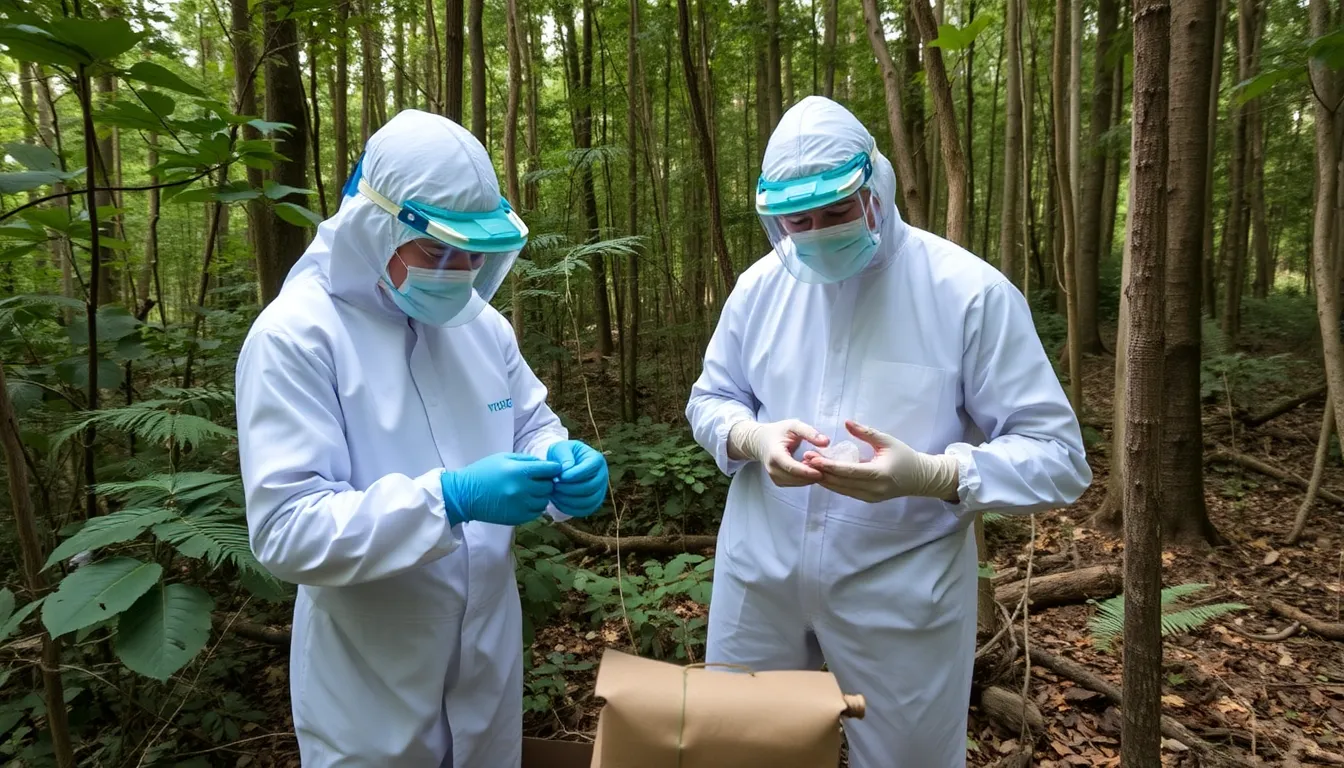
Public health organizations, such as the World Health Organization (WHO) and the Centers for Disease Control and Prevention (CDC), are primarily focused on preventing outbreaks and protecting human health. Their interests lie in surveillance, research funding, and the development of effective response strategies. However, they often face conflicts with economic interests, particularly when measures to control outbreaks may disrupt trade or agricultural practices.
Governments play a crucial role in managing public health responses and formulating policies. They must balance the need for stringent health measures with the economic implications for industries reliant on animal agriculture and wildlife trade. This often leads to trade-offs where public health priorities may clash with economic growth, especially in regions where agriculture is a significant part of the economy.
- Research Institutions: Scientists and researchers are essential for understanding viral transmission. Their interest lies in funding and conducting studies that can lead to preventive measures.
- Agricultural Sector: Farmers and agricultural businesses may resist regulations that threaten their livelihoods, leading to potential conflicts with public health initiatives.
- Wildlife Conservationists: These stakeholders advocate for the protection of animal habitats and species, often highlighting the risks of habitat destruction that can lead to increased human-animal interactions.
Economic considerations also play a vital role in the analysis of viral outbreaks. The costs associated with outbreaks, including healthcare expenses and loss of productivity, can be substantial. Additionally, the legal frameworks governing wildlife trade and agricultural practices are critical, as they can either facilitate or hinder effective responses to emerging infectious diseases. Balancing these legal and economic factors is essential for developing comprehensive strategies to mitigate the risks of zoonotic viruses.
Impact on Public Health and Safety
The recent study highlighting the transmission of viral outbreaks from animals to humans underscores the significant risks posed to various groups, particularly those in close proximity to wildlife. Farmers, veterinarians, and wildlife researchers are directly affected, as they are often the first line of contact with potential zoonotic diseases. Additionally, urban populations may face heightened risks as these outbreaks can spread rapidly in densely populated areas.
Industries such as agriculture, tourism, and healthcare will experience immediate impacts. In the short term, farmers may face stricter regulations and monitoring, leading to increased operational costs. The tourism sector may see a decline in visitor numbers in regions associated with outbreaks, affecting local economies. Healthcare systems may become overwhelmed as they prepare for potential surges in cases, necessitating additional resources and personnel.
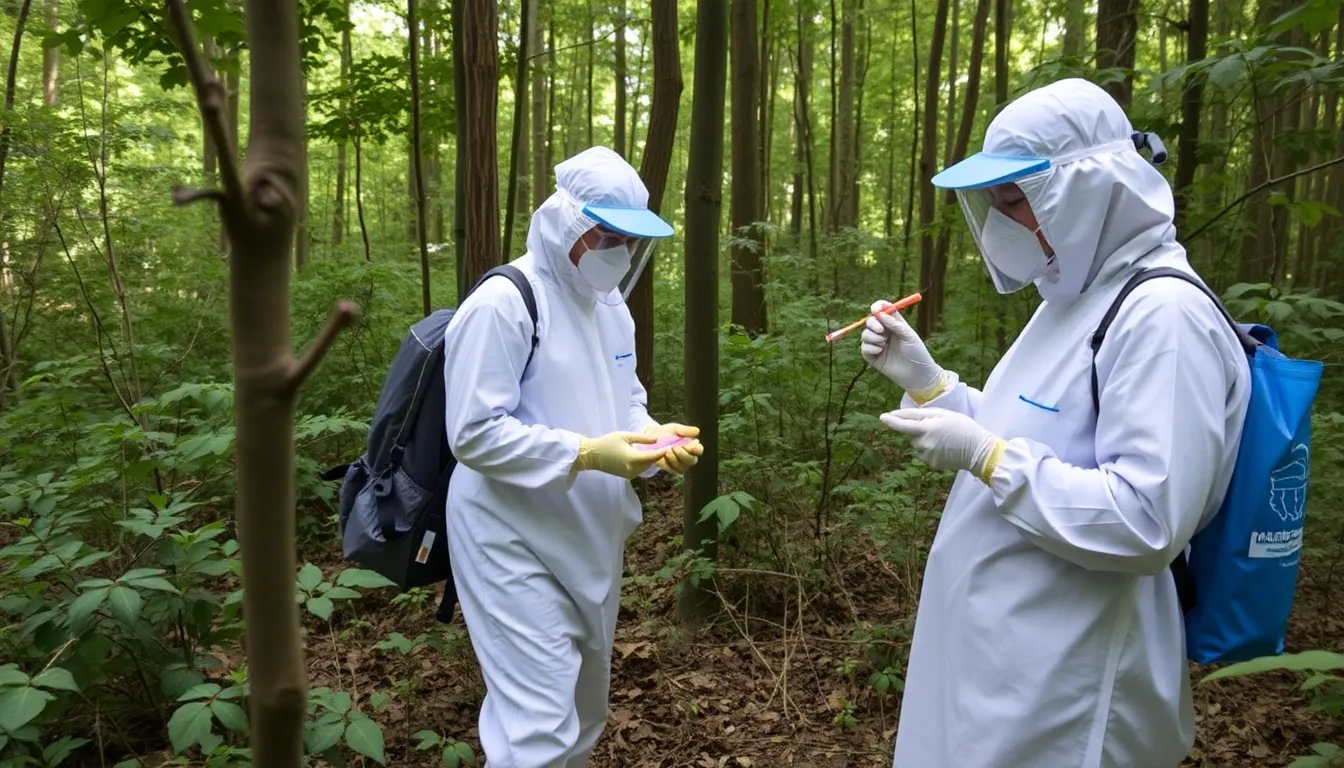
In the mid-term, policymakers will likely implement more stringent public health measures and regulations aimed at controlling the spread of zoonotic diseases. This could lead to the development of new policies focused on wildlife conservation and the management of animal populations. Businesses may need to adapt their practices to comply with these regulations, potentially leading to innovation in health and safety protocols.
- Risks: Increased healthcare costs, economic downturns in affected regions, and potential job losses in tourism and agriculture.
- Opportunities: Growth in the biotech and health sectors, increased funding for research on zoonotic diseases, and a push for sustainable agricultural practices.
As awareness of these outbreaks grows, there is also an opportunity for public health campaigns to educate communities about prevention strategies. This could foster a culture of health consciousness, leading to long-term benefits for public health and safety.
A: Zoonotic diseases are infections that are transmitted from animals to humans. These diseases can be caused by viruses, bacteria, parasites, and fungi. A: Viruses can jump from animals to humans through direct contact, consumption of animal products, or environmental exposure. Factors like habitat destruction and climate change can increase these interactions. A: Bats are known reservoirs for many viruses, including coronaviruses. Their ability to carry viruses without showing symptoms makes them significant in the study of zoonotic diseases. A: Preventing future outbreaks involves monitoring animal populations, improving biosecurity measures, and educating the public about the risks associated with wildlife interactions. A: This study provides critical insights into the mechanisms of viral transmission, which can inform public health strategies and policies aimed at preventing future outbreaks.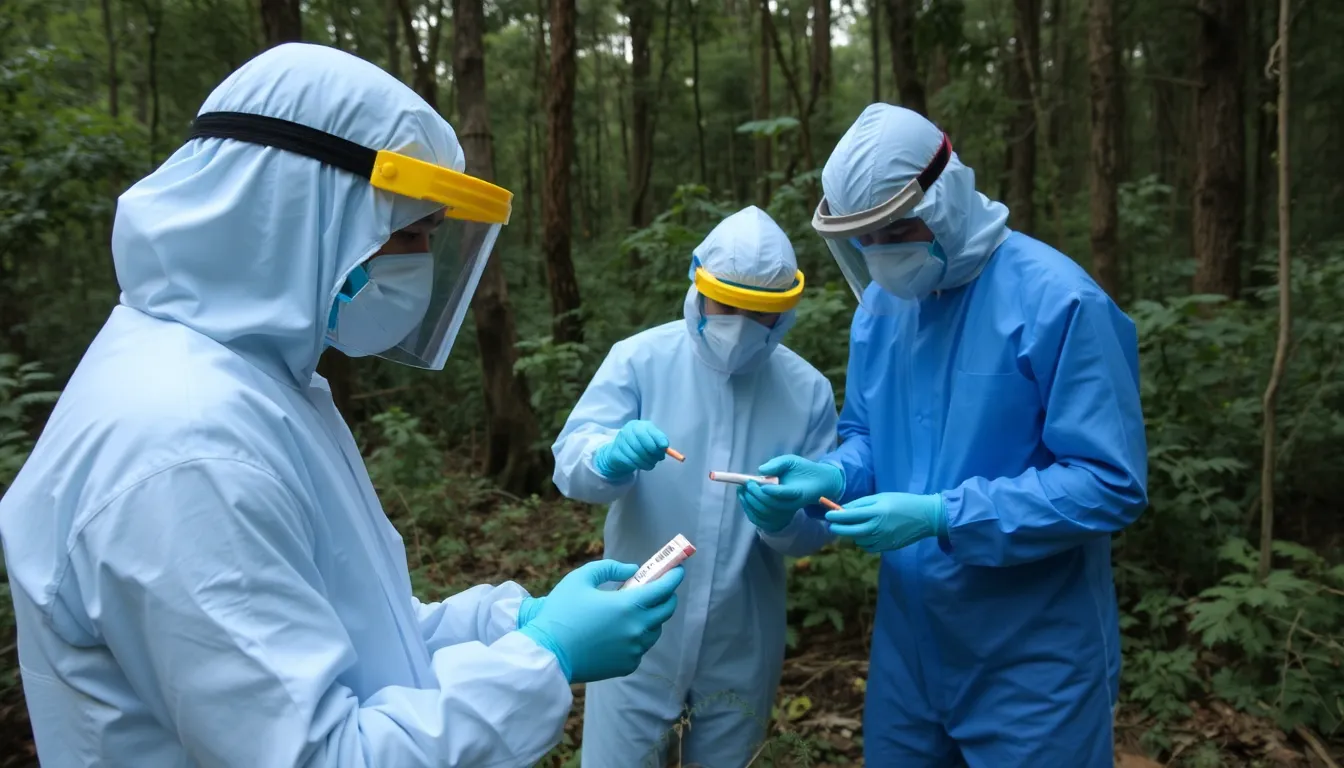
Frequently Asked Questions about Viral Outbreaks
Insights and Future Directions in Managing Viral Outbreaks
The recent study underscores the critical pathways through which viral outbreaks transition from animals to humans, highlighting the importance of understanding these dynamics for effective prevention strategies. As the interplay between wildlife, domestic animals, and human populations continues to evolve, a proactive approach is essential for mitigating future outbreaks.
Monitoring zoonotic diseases and implementing targeted interventions can significantly reduce the risk of viral spillover events. By focusing on the environmental and social factors that contribute to these outbreaks, public health officials and researchers can better prepare for and respond to emerging threats.
- Enhanced Surveillance: Invest in robust surveillance systems to track animal populations and their health, identifying potential viral threats before they reach human communities.
- Interdisciplinary Collaboration: Foster collaboration between ecologists, veterinarians, and public health experts to create comprehensive strategies for outbreak prevention.
- Public Awareness Campaigns: Educate communities about the risks of zoonotic diseases and promote practices that reduce contact with wildlife.
- Policy Development: Advocate for policies that protect natural habitats and reduce human encroachment, thereby minimizing the risk of virus transmission from animals to humans.
- Research Investment: Support research initiatives focused on understanding the mechanisms of viral spillover and the ecological factors that contribute to outbreaks.