
The AI technology is designed to provide real-time feedback to employees, allowing them to adjust their approach based on customer responses. By analyzing vocal tone and facial expressions, the headsets aim to create a more personalized dining experience, which is increasingly important in the competitive fast-food market. This shift towards technological enhancement mirrors trends in other sectors, much like exploring innovative solutions in gaming.
Industry experts suggest that this move reflects a growing trend among fast-food chains to leverage technology for operational efficiency and improved customer satisfaction. As consumer expectations evolve, companies like Burger King are exploring innovative solutions to maintain their market position and enhance brand loyalty.
Critics of the initiative have raised concerns about privacy and the potential for employee stress due to constant monitoring. However, Burger King asserts that the technology will be used as a training tool rather than a punitive measure, emphasizing its commitment to fostering a positive work environment while improving service quality.
The rise of technology in the fast food industry
Over the past few decades, the fast food industry has undergone significant transformations driven by technological advancements. From the introduction of drive-thru services in the 1970s to the implementation of digital ordering kiosks in recent years, technology has played a pivotal role in enhancing operational efficiency and customer experience. This evolution reflects broader trends in consumer behavior, where speed and convenience have become paramount, similar to the advancements detailed in reviewing affordable technology tools.
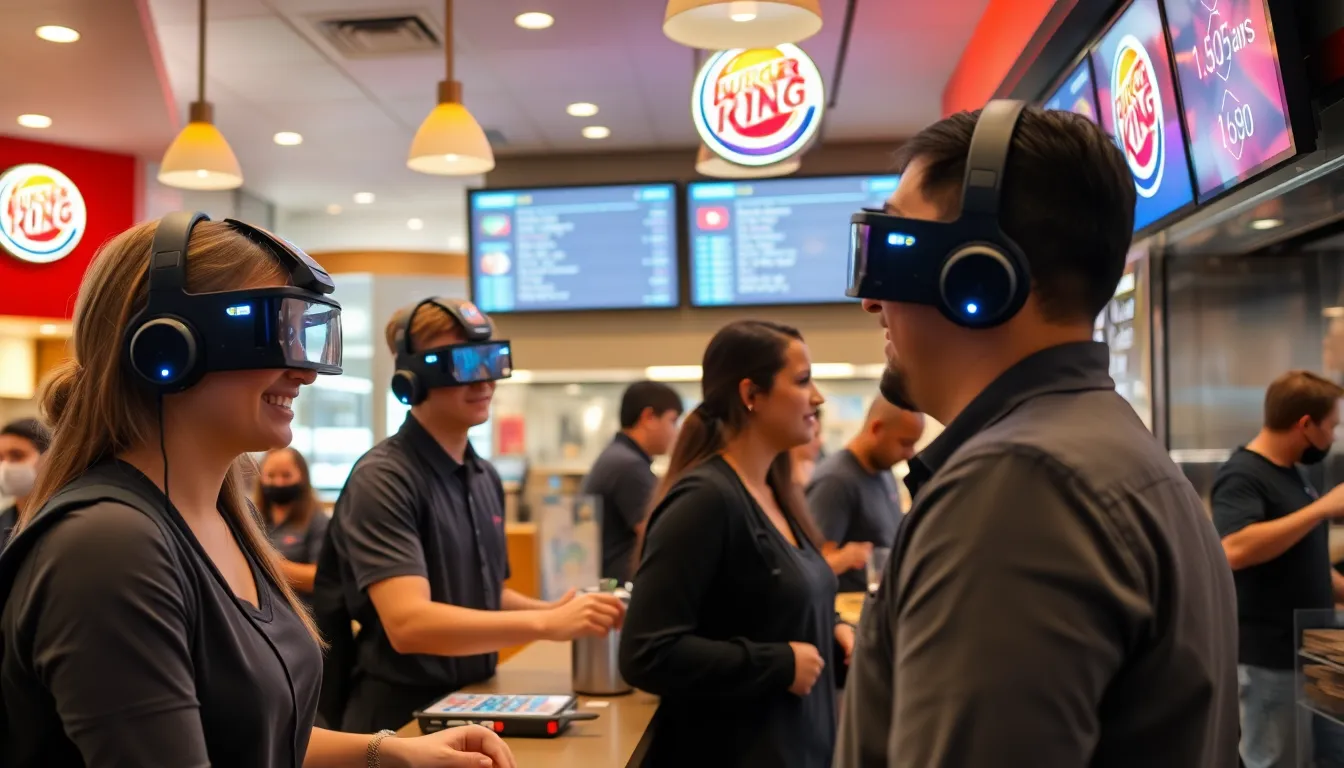
As competition intensifies, fast food chains have increasingly turned to innovative solutions to maintain their market share. The integration of artificial intelligence (AI) into various aspects of business operations has emerged as a key strategy. Companies like Burger King are now exploring AI-driven tools not only to streamline processes but also to enhance employee performance and customer satisfaction.
The role of AI in employee management
The introduction of AI technologies in employee management is a relatively recent phenomenon. Traditionally, staff performance evaluations relied heavily on subjective measures. However, with advancements in AI, businesses can now utilize data-driven insights to assess employee interactions with customers. Burger King’s rollout of AI headsets that track employee ‘friendliness’ marks a significant milestone in this trend, reflecting a broader shift towards quantifying soft skills in the workplace, which parallels discussions about employee engagement found in the context of national labor strategies.
This move to incorporate AI in evaluating employee behavior raises important questions about privacy and the implications of surveillance in the workplace. While proponents argue that such technologies can lead to improved service and employee training, critics express concerns over the potential for excessive monitoring and the impact on workplace morale. As Burger King navigates this complex landscape, it highlights a crucial intersection of technology, labor relations, and consumer expectations.
Ultimately, the adoption of AI in the fast food sector exemplifies the ongoing evolution of the industry as it adapts to the demands of a digital age. By leveraging technology to enhance both employee performance and customer experience, companies like Burger King are setting a precedent that could reshape the future of service-oriented businesses.
Concerns surrounding employee monitoring and privacy
The introduction of AI headsets by Burger King to monitor employee friendliness has raised significant concerns among various stakeholders. Employees, labor unions, customer advocacy groups, and privacy advocates are particularly vocal about the implications of such technology. While the intent is to enhance customer service, the potential for invasive monitoring raises questions about employee privacy and autonomy.
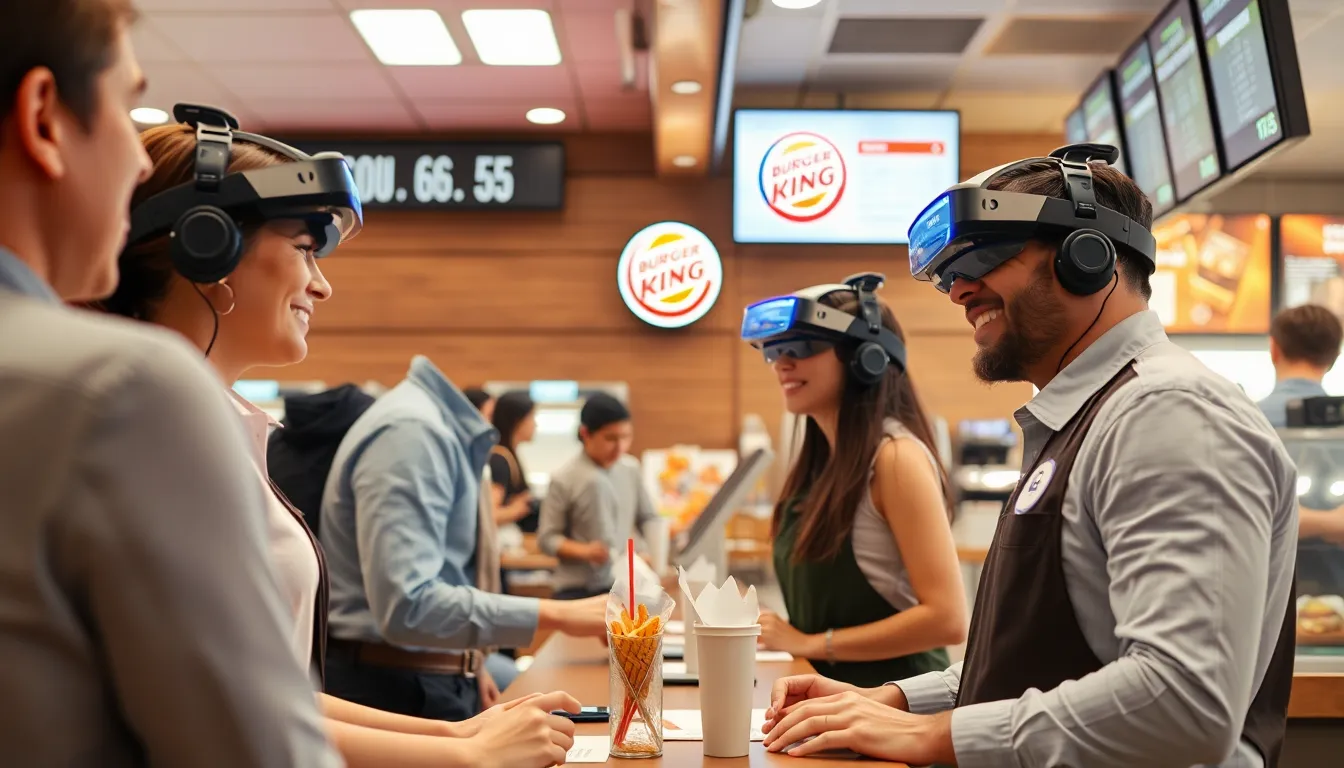
Employees may feel that constant surveillance undermines their ability to perform authentically. The pressure to maintain a certain level of ‘friendliness’ could lead to stress and job dissatisfaction. Additionally, there is a fear that such monitoring could be used to justify punitive actions against workers, creating a culture of fear rather than support.
Labor unions and advocacy groups argue that this technology could set a precedent for broader employee surveillance in the service industry. They emphasize the need for clear guidelines and regulations to protect workers’ rights. The potential for misuse of data collected from these headsets also poses legal challenges, particularly regarding consent and data privacy laws.
- Employee Rights: The balance between monitoring for performance and respecting personal privacy.
- Legal Framework: Existing laws may not adequately cover the implications of AI monitoring technology.
- Economic Impact: Potential backlash from customers and employees could affect Burger King’s brand reputation and financial performance.
- Technological Dependence: The reliance on AI for human interaction raises questions about the future of customer service jobs.
As Burger King moves forward with this initiative, the company must navigate these complex issues carefully. The interests of enhancing customer experience and maintaining a positive work environment must be balanced against the potential drawbacks of employee monitoring. The outcome of this rollout could influence how similar technologies are adopted across the fast-food industry and beyond.
Potential effects on employee morale and customer experience
The rollout of AI headsets by Burger King is set to impact various stakeholders, including employees, customers, and the broader fast-food industry. Employees, particularly those in customer-facing roles, will be directly affected as their interactions with customers are monitored for ‘friendliness’. This technology could lead to increased scrutiny of employee performance, which may create a tense work environment.
In the short term, employees may feel pressured to maintain a certain level of friendliness, potentially leading to stress and burnout. The immediate response from staff could vary, with some embracing the technology as a tool for improvement, while others may view it as an invasion of privacy. This divide could influence workplace culture and employee satisfaction significantly.
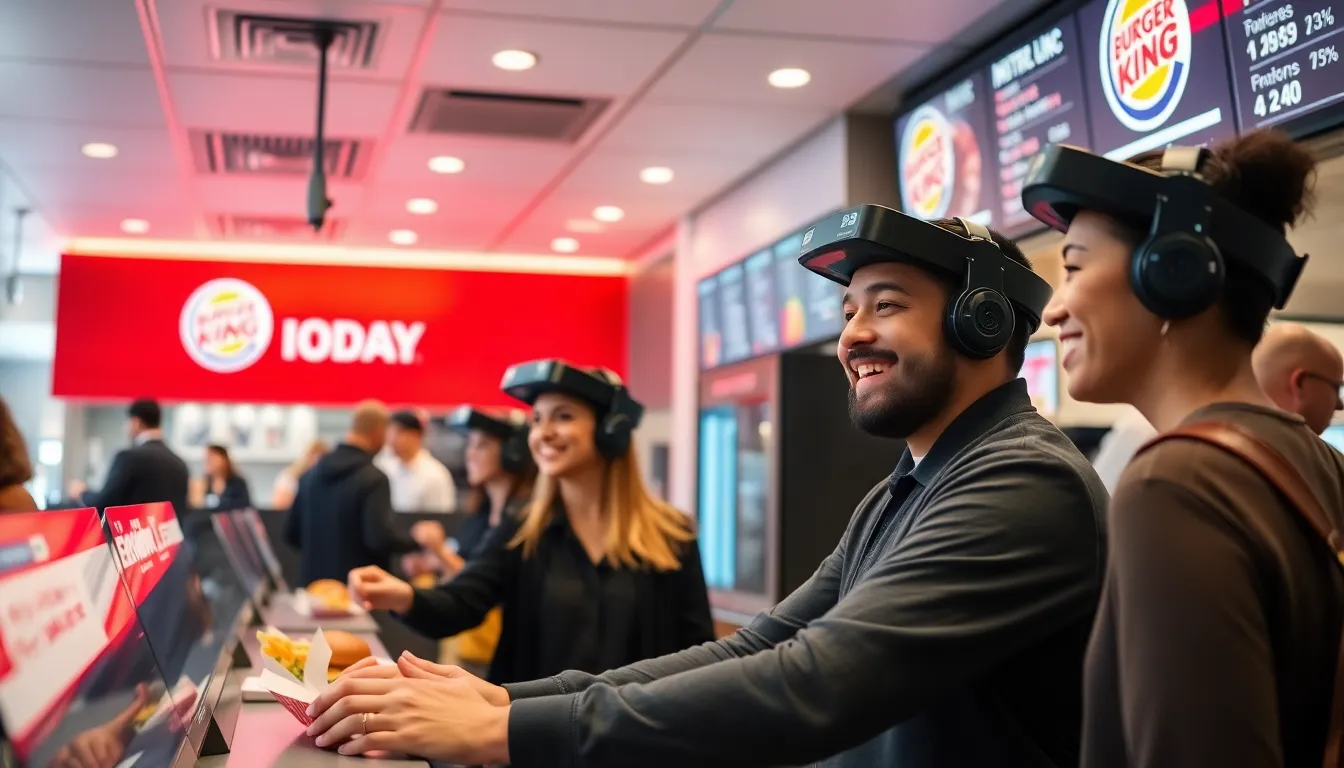
From a customer perspective, the use of AI headsets could enhance the overall dining experience. Customers may benefit from more attentive service as employees strive to meet friendliness metrics. However, there is a risk that interactions may become overly scripted or artificial, potentially detracting from genuine customer service experiences.
- Short-term impacts: Increased employee pressure, potential decline in morale.
- Mid-term impacts: Possible changes in hiring practices as companies seek to balance technology with human interaction.
- Risks: Employee burnout, resistance to technology, and potential backlash from customers.
- Opportunities: Enhanced customer service, data-driven improvements in training, and competitive advantage in the fast-food market.
As the fast-food industry continues to evolve with technological advancements, the implications of AI monitoring will likely extend beyond Burger King. Other chains may adopt similar technologies, leading to a broader conversation about the balance between efficiency and employee well-being in customer service roles.
A: The AI headsets utilize facial recognition and voice analysis to assess employee interactions with customers, providing real-time feedback. A: Employee reactions are mixed, with some expressing concerns about privacy while others see it as a tool for improvement. A: The primary goal is to enhance customer service quality by encouraging friendly interactions between employees and customers. A: Yes, the data collected from the headsets will inform new training programs focused on customer engagement. A: Customer feedback will be analyzed alongside headset data to create a comprehensive view of service quality.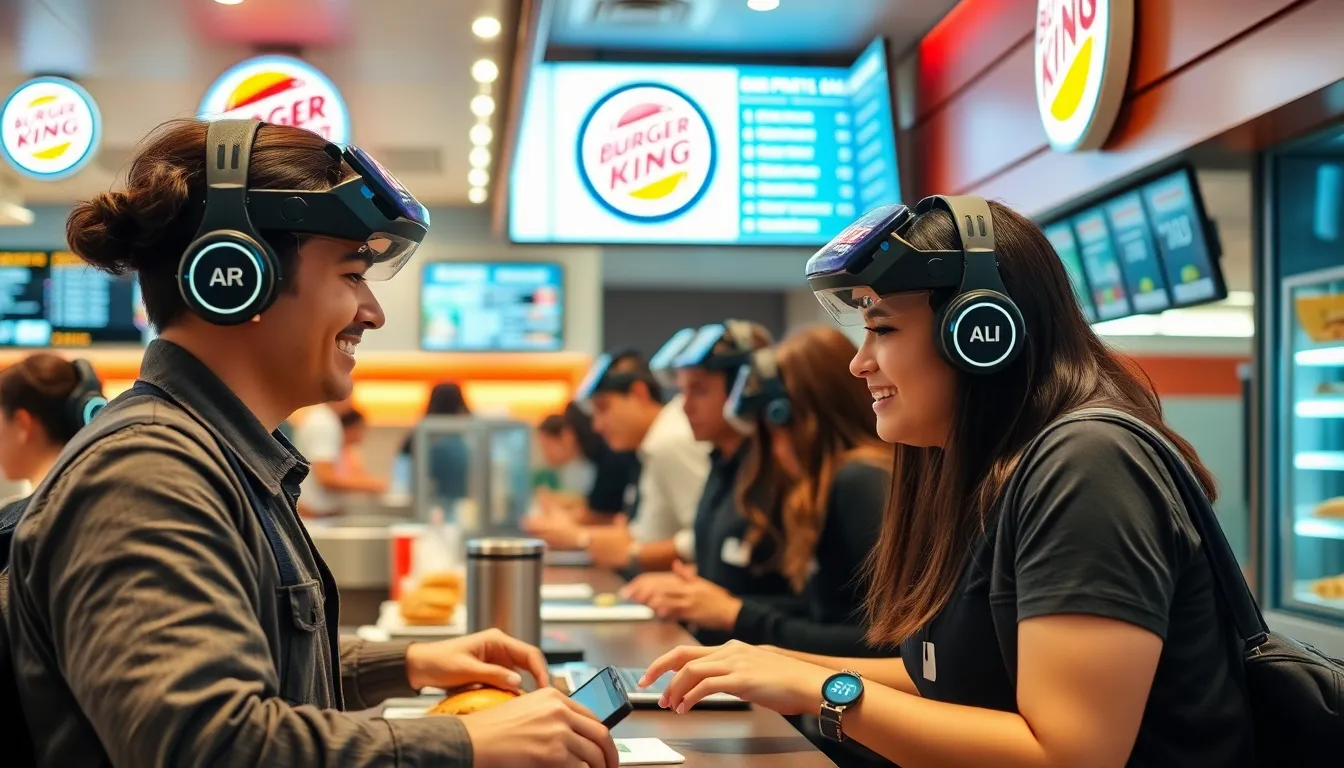
Frequently asked questions about the AI headsets
Looking ahead at the implications of AI in fast food
The introduction of AI headsets by Burger King marks a significant shift in how the fast food industry approaches customer service and employee performance. By utilizing technology to monitor and enhance employee interactions, Burger King is not only aiming to improve customer satisfaction but also to foster a more engaging work environment. This move could set a precedent for other fast food chains, as they may look to adopt similar technologies to stay competitive in a rapidly evolving market.
As the industry adapts to these advancements, it is crucial to consider the broader implications for employee morale, customer experiences, and operational efficiency. The balance between leveraging technology and maintaining a human touch will be essential for success in this new landscape.
- Monitor employee performance metrics to identify training needs and improve service quality.
- Foster a culture of friendliness and engagement among staff, enhancing the overall customer experience.
- Evaluate customer feedback in conjunction with AI data to create a more comprehensive understanding of service effectiveness.
- Consider the ethical implications of using AI to track employee behavior and ensure transparency in its application.
- Stay attuned to technological advancements that could further revolutionize the fast food industry and employee interactions.